3.3.1
- 20th International Exhibition of Innovations and Inventions in Ukraine-Gold Medal,Intelligent Rice Extraneous Material Detector 第二十屆烏克蘭國際發明展-金牌獎,智慧白米異物檢測器
Associate Professor KU, Hao-Hsiang of the Institute of Food Safety and Risk Management was awarded the"20th International Exhibition of Innovations and Inventions in Ukraine in 2024".The exhibition, held from September 21 to 23, 2023, featured over 300 entries from 15 countries. Since 2012, Professor Ku has received more than 22 international invention awards, including 15 gold medals, in recognition of his outstanding achievements in innovative food safety technologies.The award-winning invention, the "Intelligent Rice Extraneous Material Detector," is an advanced device designed for food safety inspection. It features adulteration detection and high-precision analysis, significantly improving inspection efficiency and accuracy. This innovation represents a meaningful contribution to the advancement of food safety and quality assurance.
Sustainable Impact: Associate Professor Hao-Hsiang Ku from the Institute of Food Safety and Risk Management received the Gold Medal at the 2024 20th Ukraine International Invention Exhibition for his invention, the "Smart Rice Foreign Object Detector." This technology employs advanced sensing and detection methods to ensure food purity and quality. The achievement aligns with SDG 3.3.1, which emphasizes promoting health research and technological innovation to safeguard public health. The invention exemplifies the university's contribution to food safety, preventive health, and applied research for sustainable well-being.
食品安全與風險管理研究所顧皓翔副教授獲得「2024 第二十烏克蘭國際發明展-金牌獎」,此次展會共有超過300件參展,於2024年9月26日至28日舉行。顧副教授自2012年以來已獲得20次以上的國際發明獎,其中包含15座金牌。顧副教授於此次得到金牌獎的作品為「智慧白米異物檢測器」,是一項利用先進技術進行食品安全檢測的創新設備,以確保食品的純度和品質。
永續影響力: 食品安全與風險管理研究所顧皓翔副教授以「智慧白米異物檢測器」榮獲國際發明展金牌,展現以科技創新確保食品品質與安全的實質成果。此發明運用先進感測與辨識技術,提升食品檢測效率,預防異物污染與健康風險,符合SDG 3.3.1所強調的「促進健康研究與創新科技應用以維護公共健康」目標,展現大學在推動食品安全、科技研發與社會健康保障方面的重要貢獻。
Evidence: https://photos.app.goo.gl/vYK5ggjUmjcQj1Pa7
- 2024 XVIII International Warsaw Invention Show-Gold medal, Intelligent Augmented Reality Food Safety Audit Service Platform 2024 第十八屆波蘭華沙國際發明展-金牌獎,智慧擴增實境食品安全稽核服務平台
Associate Professor KU, Hao-Hsiang of the Institute of Food Safety and Risk Management was awarded the “XVII International Warsaw Invention Show in 2023”. Since 2012, Professor Ku has won more than 20 international invention awards, including 14 gold medals. Associate Professor KU, Hao-Hsiang of the Institute of Food Safety and Risk Management was awarded the “XVIII International Warsaw Invention Show in 2024”. Since 2012, Professor Ku has won more than 21 international invention awards, including 15 gold medals. The award-winning project this time is an " Intelligent Augmented Reality Food Safety Audit Service Platform. " integrates head-mounted devices, augmented reality (AR), and smart IoT-based sensing and analytics to effectively monitor production lines and assess food safety risks. This innovative system enhances the precision and efficiency of food safety audits, representing another significant step forward in intelligent food safety management.
Sustainable Impact: Associate Professor Hao-Hsiang Ku received the Gold Medal at the 2024 18th Warsaw International Invention Exhibition for his invention, the "Smart Augmented Reality Food Safety Audit Service Platform." The system integrates wearable AR devices with IoT-based sensing and data analysis to monitor production lines and assess food safety risks in real time. This innovation enhances efficiency in risk management and contamination prevention, aligning with SDG 3.3.1's goal of promoting health research and technological innovation to protect public well-being. The project exemplifies the university"s leadership in advancing smart monitoring, food safety management, and sustainable health solutions.
食品安全與風險管理研究所顧皓翔副教授獲得「2024 第十八屆波蘭華沙國際發明展-金牌獎」,顧副教授自2012年以來已獲得21次以上的國際發明獎,其中包含15座金牌。顧副教授於此次得到金牌獎的作品為「智慧擴增實境食品安全稽核服務平台」,透過結合頭戴式裝置與擴增實境與智慧物聯網的感測與分析,有效監測產線與評估食品安全風險。
永續影響力: 顧皓翔副教授以「智慧擴增實境食品安全稽核服務平台」榮獲波蘭華沙國際發明展金牌,展現運用AR與物聯網技術於食品安全監測的創新成果。此平台結合感測、資料分析與即時風險評估,有效提升產線食品安全管理效率,減少污染與健康風險。該成果契合SDG 3.3.1強調的「促進健康研究與科技創新以維護公共健康」目標,展現大學在推動智慧監測、食品安全及永續健康領域的貢獻。
Evidence: https://photos.app.goo.gl/hqfeZ8GJD3SuHqyY6
Sustainable Impact: :The university's comprehensive health promotion program integrates campus and community resources to organize diverse health activities such as smoking cessation classes, disease prevention education, first aid training, and food safety inspections. These initiatives align with SDG 3.3.2 and 3.3.4 by fostering health education and campus wellness. Collaborations with local health departments and community organizations embody SDG 17.2.5's emphasis on cross-sector partnerships.The data-driven planning and preventive strategies reflect SDG 3.3.1 and 3.3.6, which advocate technological innovation and public health policy for sustainable well-being. Extending from campus to community, the initiative also resonates with SDG 14.3.2 through promoting environmental and health awareness, demonstrating the university's leadership in holistic, socially responsible health education.
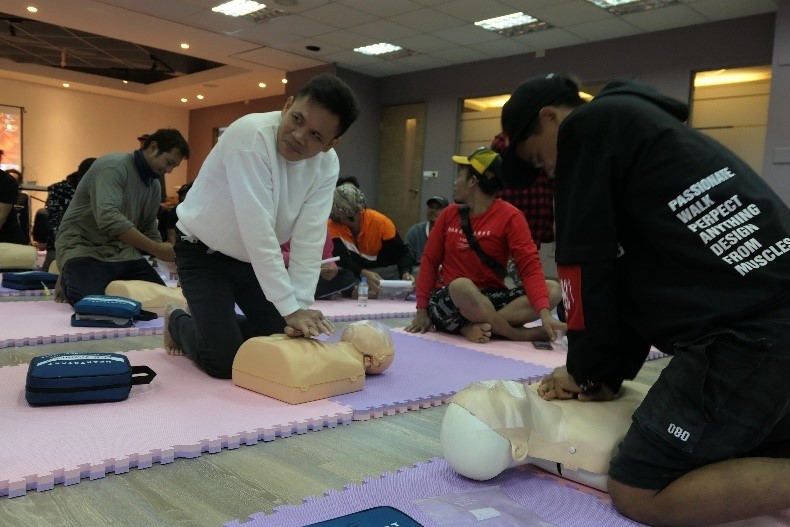
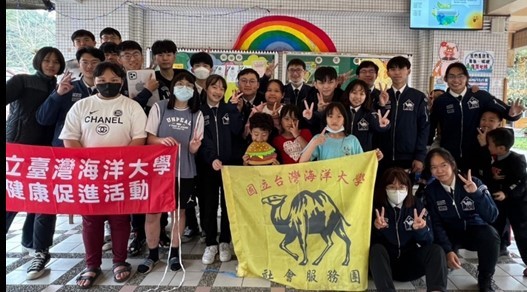
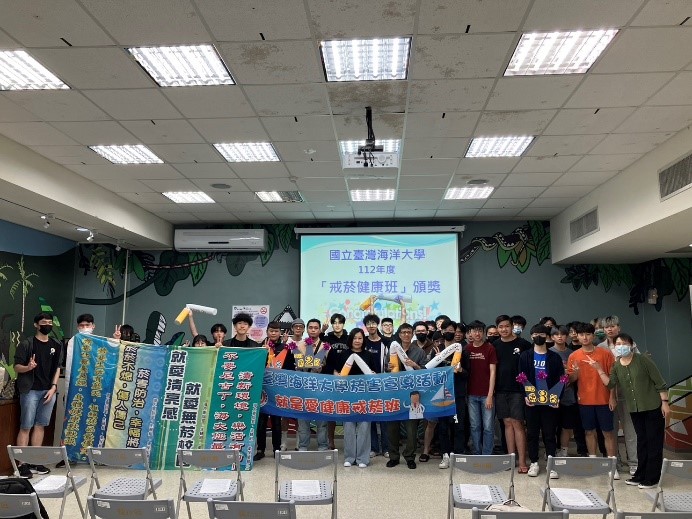
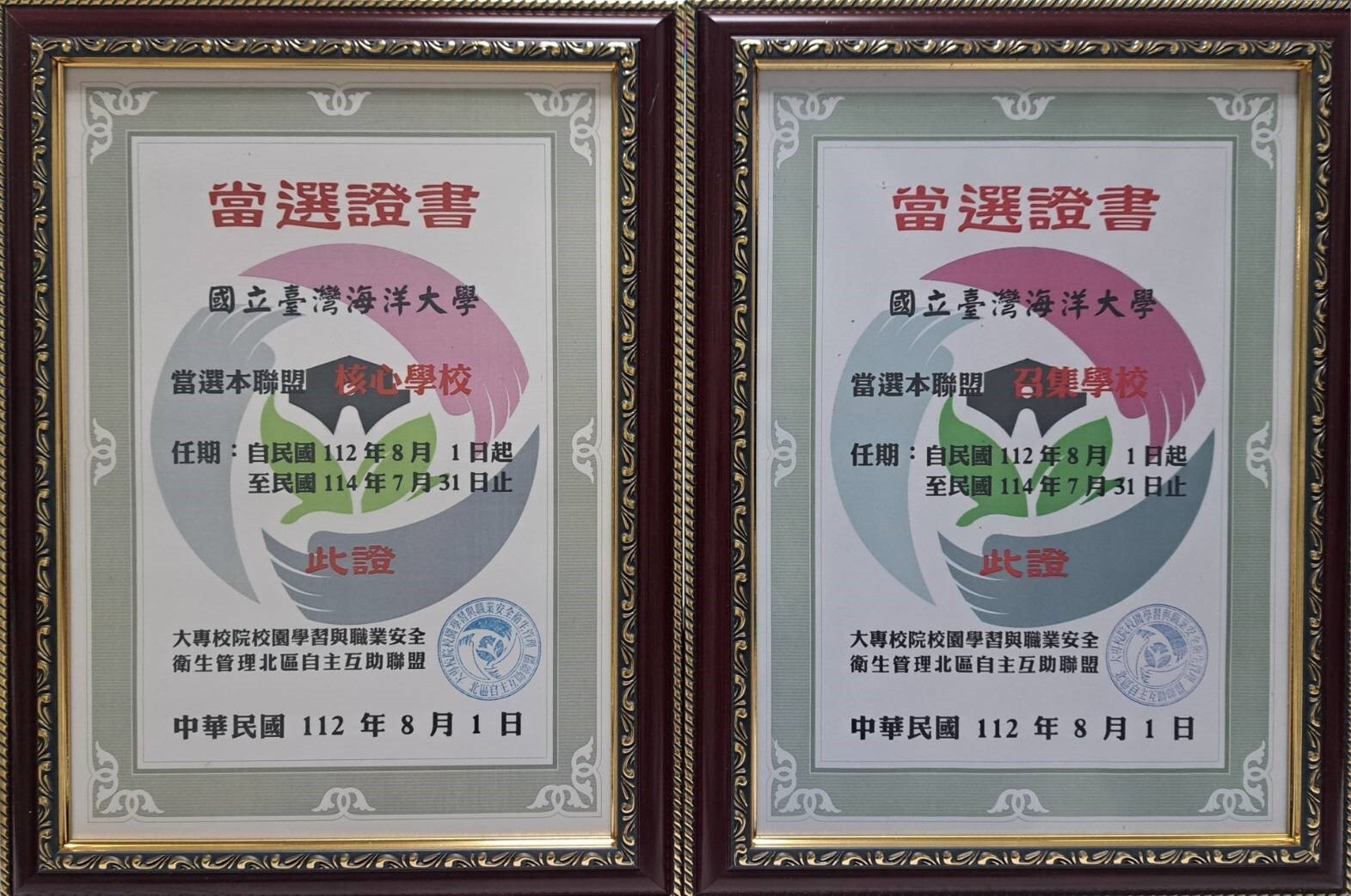
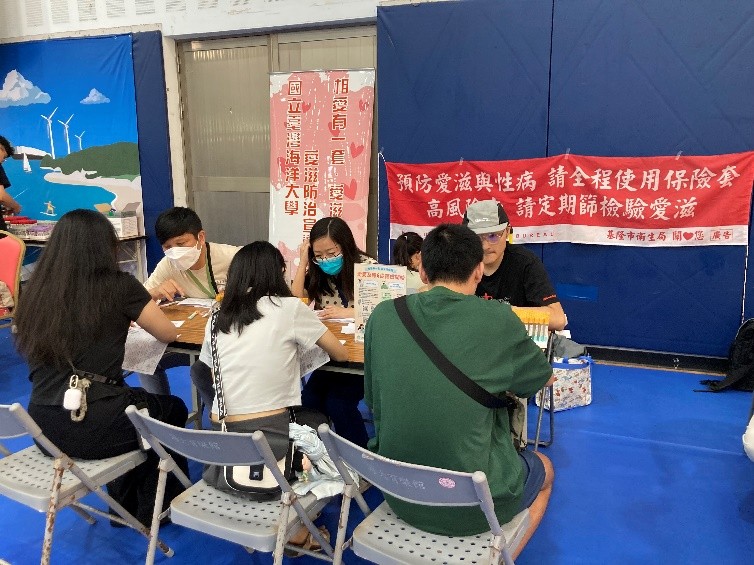
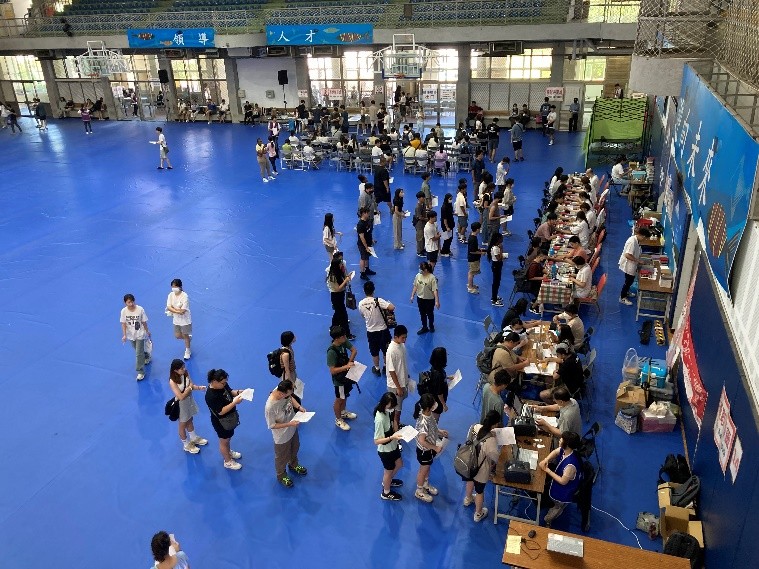
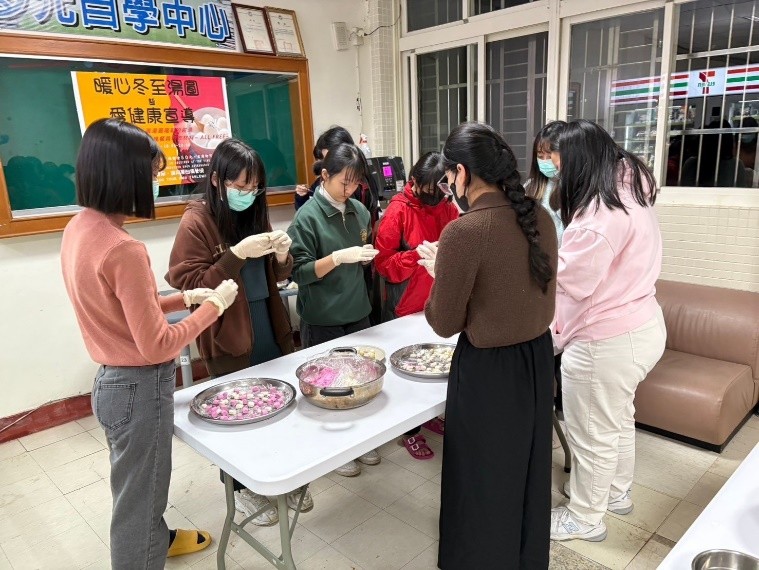
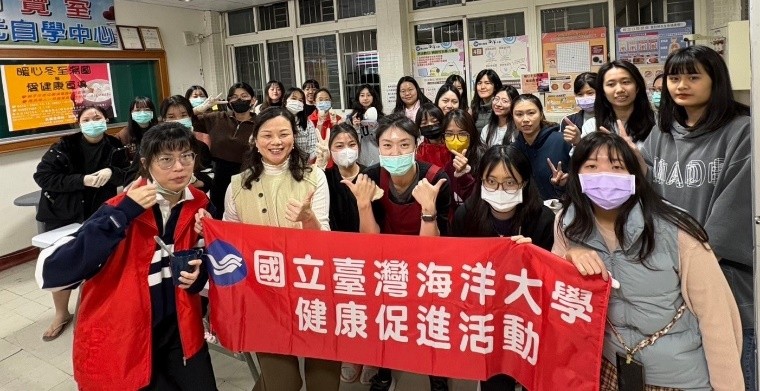
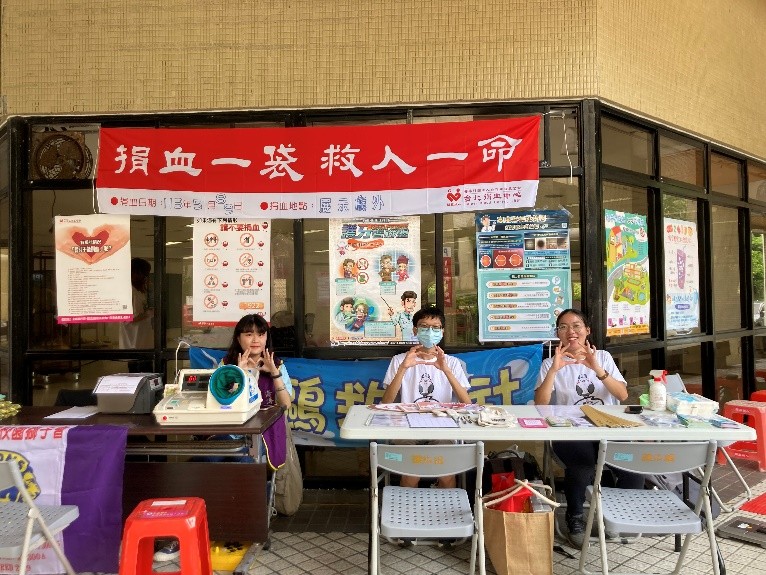
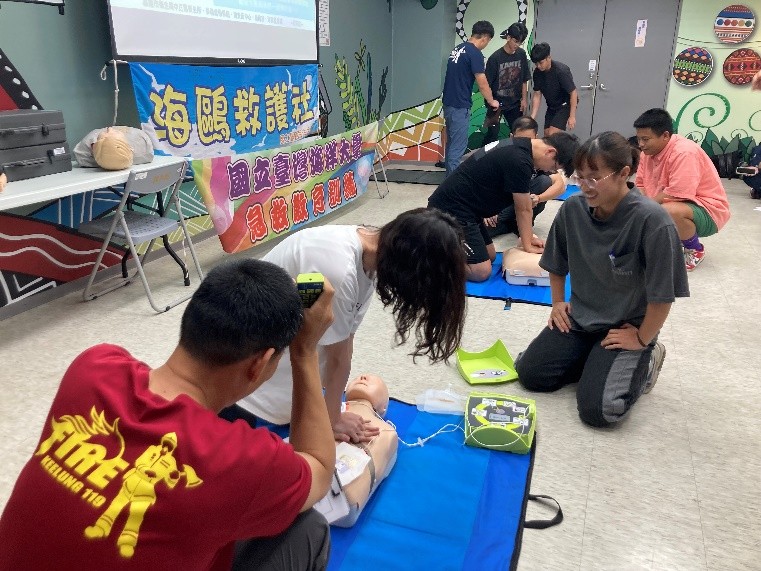
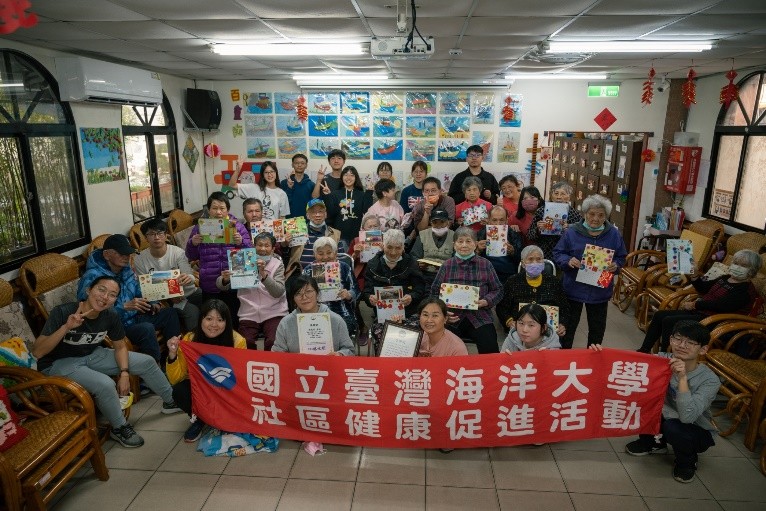
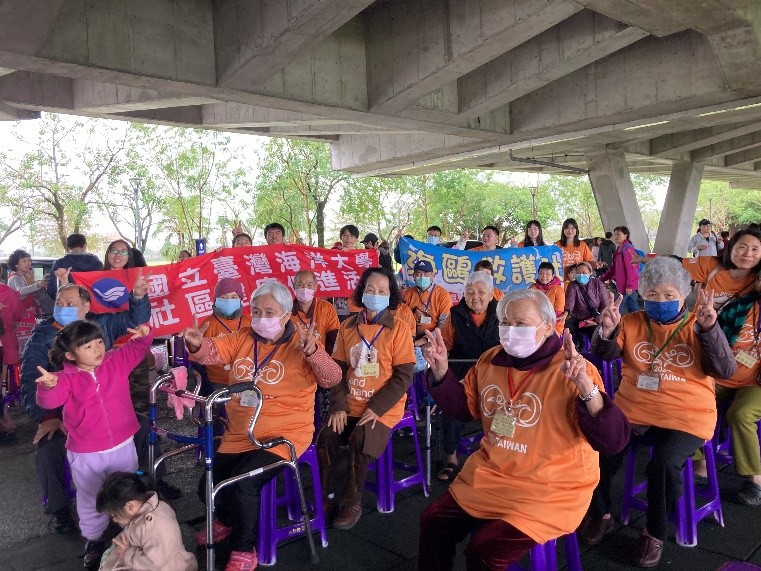
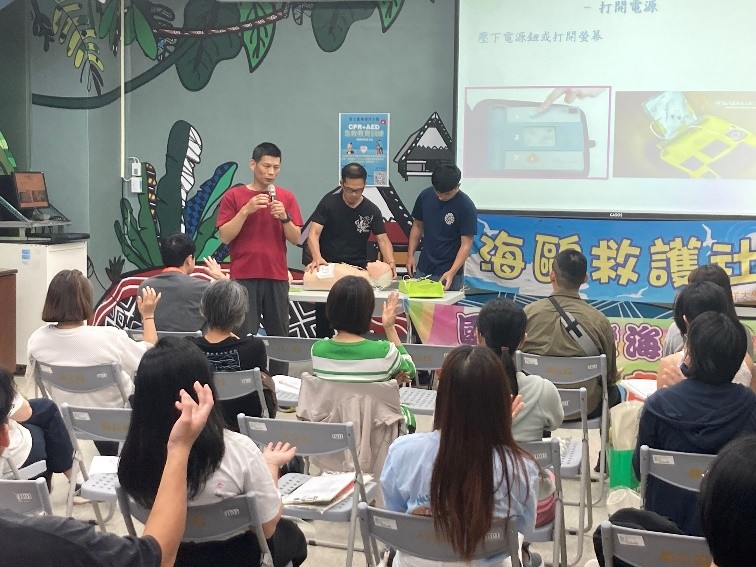
學校作為教育與健康促進的重要場所,肩負著培養學生健康生活型態的重任。為實現健康校園的目標,制定一系列的健康促進計畫,並透過多元的活動和合作,顯著提升師生的健康意識和生活品質。本組辦理新生入學健康檢查與健康問卷調查,確立健康促進議題,議題涵蓋學生健康的各方面,從日常飲食和生活習慣到疾病的突發應對,通過整合校內單位與校外資源,以及指導學生社團鼓勵參與活動辦理,透過健康政策推動及規畫多元活動,帶動師生同仁增進健康知能,培養健康生活型態,達到自主健康管理,提升整體健康水平。在實施過程中,辦理健康增重減重班、菸害防制宣導、戒菸健康班、愛滋病防治及篩檢、餐飲從業人員講習、愛心捐血、急救訓練及傳染病宣導等49場次的健康活動;在餐飲衛生部分更是積極進行餐飲場所衛生檢查及食品原物料來源查核確保食物來源遵守政府法規。健康體位活動和戒菸健康班吸引關心自身健康的師生參加,而愛滋病防治及篩檢、傳染病宣導、疫苗注射活動提高師生對疾病的認識和預防能力。急救訓練則提升了大家在面對突發事件的應對能力。統計共有8,018人次參與這些健康促進活動,成果體現不僅在參與人次上,更在於健康意識的提升和健康行為的改變。健康促進的活動不僅侷限於校內,還延伸到了社區,與當地政府機構和社區團體如基隆市衛生局、基隆市中正區衛生所及社區日照中心合作,使得活動在校園外部也得到推廣,另外與學生社團的合作推動社區長者服務,進一步擴大了健康促進的影響範圍,這種從校園到社區的延伸,展示了健康促進活動的廣泛影響力和持續性。
永續影響力: 本校推動健康促進計畫,結合校內外資源舉辦多項健康教育與防治活動,包括戒菸班、傳染病宣導、急救訓練及食品衛生稽查,展現SDG 3.3.2與3.3.4中「促進健康教育與校園健康管理」的實踐。與地方政府及社區合作推廣健康活動,符合SDG 17.2.5的跨界夥伴合作精神。活動結合政策推動與實證成效,呼應SDG 3.3.1與3.3.6「運用科技與公共衛生策略提升健康福祉」。整體作為以USR導向落實健康教育與社區關懷,亦呼應SDG 14.3.2「推廣永續與環境健康教育」。
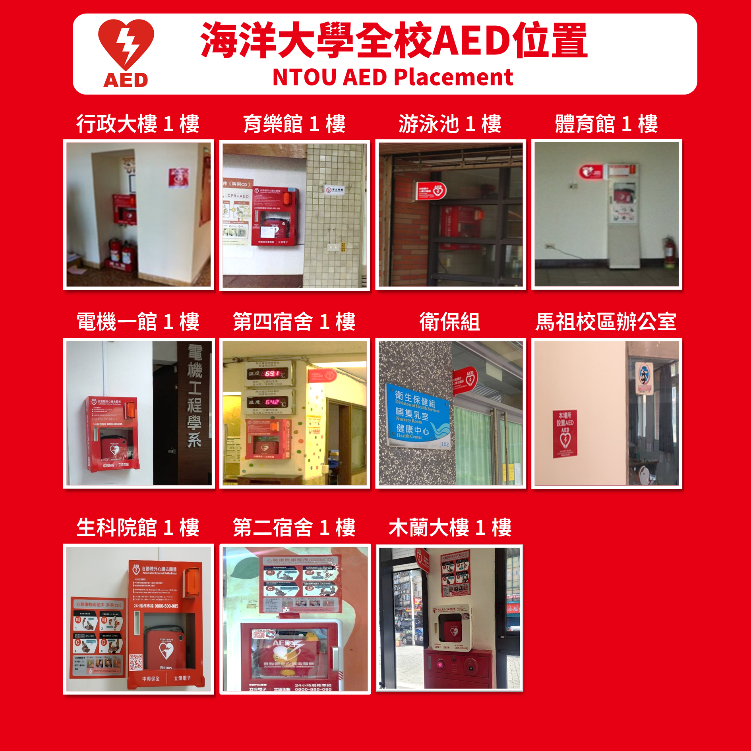
Evidence: https://stu.ntou.edu.tw/p/405-1023-118023,c10827.php?Lang=zh-tw
- Cooperated Childcare Centers of NTOU 本校特約托育機構
Sustainable Impact: To support work–life balance and employee well-being, NTOU established partnerships with seven local kindergartens, offering special childcare arrangements and discounts such as reduced registration fees, free supplies, and priority admission. As of 2024, six faculty members' children were enrolled in these affiliated childcare centers. This initiative enhances workplace stability and mental wellness by helping employees manage both career and family responsibilities. It aligns with SDG 3.3.1, which promotes healthy lives and well-being for all, demonstrating the university's commitment to creating a supportive, family-friendly, and sustainable work environment.
為增進教職員之家庭及職場生活平衡,並提供同仁安心就業之環境,本校於2023年時已與7家幼兒園簽立特約合作意願書,教職員除可放心將子女交由相關單位托育外,並可視特約合作內容享有註冊費減免、部分學用品免費、優先入園等優惠措施。經統計,113年底,計有6 位教職員工子女就讀於本校特約托育機構。 以下為與本校簽立特約合作意願書之幼兒園名單: 1、國立海洋科技博物館非營利幼兒園 2、行政院農業委員會水產試驗所職場互助教保服務中心 3、何嘉仁國際文教團隊 4、私立小太陽幼兒園 5、基隆市私立海大幼兒園 6、私立亨利幼兒園 7、財團法人天主教會台北教區附設基隆市私立若石幼兒園
永續影響力: 本校為協助教職員兼顧工作與家庭責任,與七家幼兒園簽訂特約合作意願書,提供托育優惠措施,如註冊費減免、優先入園與學用品補助等,讓教職員能安心就業並兼顧育兒需求。此政策強化校內支持系統,促進員工心理健康與家庭福祉,體現友善職場理念。該措施呼應 SDG 3.3.1「確保健康生活與促進全民福祉」,透過制度性照護服務,建立永續且關懷的教育工作環境。
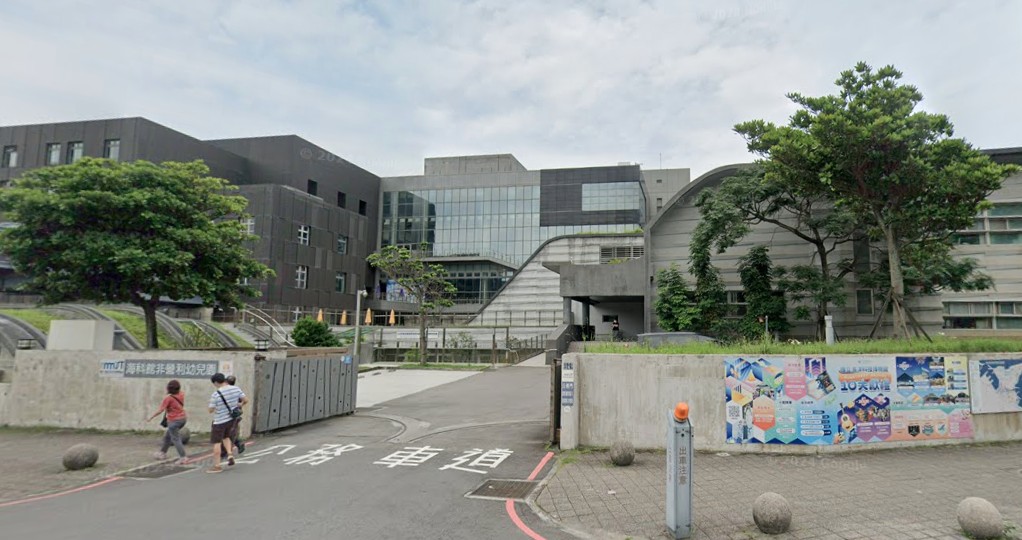
Evidence: https://personnel.ntou.edu.tw/p/412-1007-2778.php?Lang=zh-tw
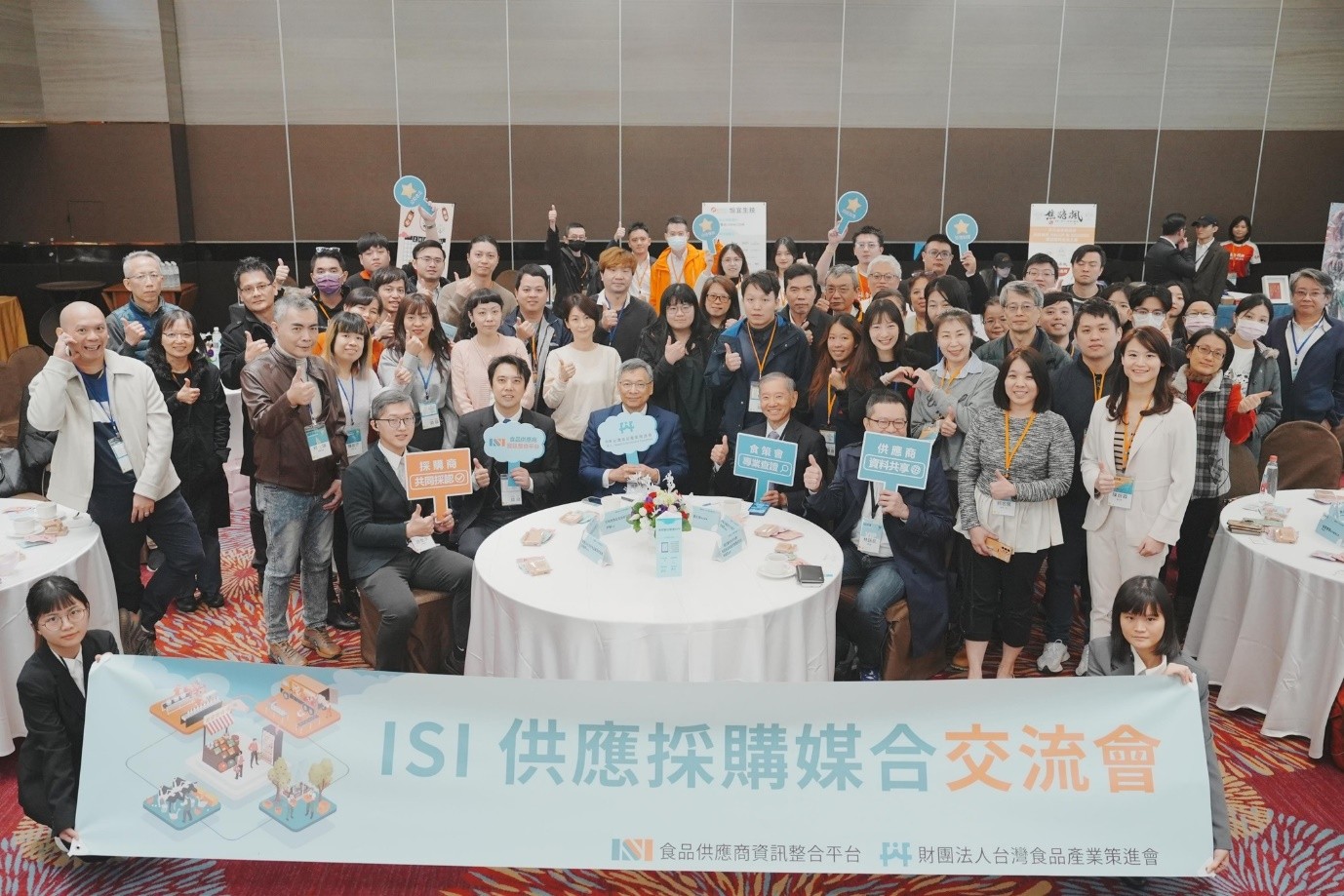
- Co-Creating Business Opportunities: ISI Supply and Procurement Networking Event – “Carbon Anxiety and Carbon Management in the Net-Zero Era” 共創商機:ISI供應採購媒合交流會-「淨零時代下的碳焦慮與碳管理」
Professor Lin Yung-Kai of the Institute of Food Safety and Risk Management, National Taiwan Ocean University, was invited by the TFIF Training Academy to serve as a lecturer for the Integrated Supplier Information (ISI) Platform.The ISI platform aims to assist enterprises in optimizing supplier management and promoting industrial development by enhancing interaction and collaboration between suppliers and purchasers. Through the integration of resources within the food industry supply chain, it seeks to stimulate innovation and sustainable growth across the sector. In his talk titled "Carbon Anxiety and Carbon Management in the Net-Zero Era," Professor Lin addressed one of the most pressing topics in the industry — net-zero carbon emissions. He elaborated on key concepts such as carbon inventory, carbon footprint, and carbon neutrality, clarifying their definitions and scopes. Drawing from international case studies in the food sector, Professor Lin discussed sustainability challenges businesses face in achieving natural growth and proposed seven strategic approaches to help food companies identify opportunities for carbon reduction and develop effective decarbonization strategies toward achieving net-zero emissions.
Sustainable Impact: Professor Lin Yung-Kai from the Institute of Food Safety and Risk Management at NTOU was invited by the Taiwan Food Industry Development Association to give a lecture on "Carbon Anxiety and Carbon Management in the Net-Zero Era." The talk introduced key concepts such as carbon inventory, carbon footprint, and carbon neutrality, complemented by case studies from the global food industry. The lecture guided participants to identify opportunities for carbon reduction and implement sustainable strategies. This initiative strengthened awareness of environmental health, corporate responsibility, and sustainable food production, aligning with SDG 3.3.1 by promoting education and capacity-building for health and environmental sustainability within the food industry.
國立臺灣海洋大學食品安全與風險管理研究所林詠凱教授,受財團法人台灣食品產業策進會「食品供應商資訊整合平台(ISI)」邀請擔任講師。該平台為協助業者優化產業供應商之管理及促進產業發展,目的在於活絡產業供應與採購雙方互動交流機會,透過結合食品產業供應鏈的能量,策進產業蓬勃發展。其中林詠凱教授帶領大家談討受各界最關注的淨零碳排議題,「淨零時代下的碳焦慮與碳管理 」,分享何為「碳盤查」與「碳足跡」? 「碳盤查」包含哪些範疇?「碳中和」是什麼呢?透過國際食品相關產業減碳案例,帶到企業重視的自然成長課題,並以七大策略深入食品業者可以達到碳減量的機會點,提供減碳佈局指引,朝淨零碳排目標努力。
永續影響力: 國立臺灣海洋大學食品安全與風險管理研究所林詠凱教授受邀於「食品供應商資訊整合平台(ISI)」擔任講師,講題為「淨零時代下的碳焦慮與碳管理」。課程內容涵蓋碳盤查、碳足跡與碳中和等核心概念,並透過國際食品產業案例分享企業減碳策略。此講座協助食品業者理解永續經營與碳管理的重要性,提升產業在健康與環保議題上的實踐力。活動不僅促進業界對淨零轉型的認知,也展現學術單位在健康與永續教育推動上的關鍵角色,符合SDG 3.3.1「提升全民健康教育與意識」。
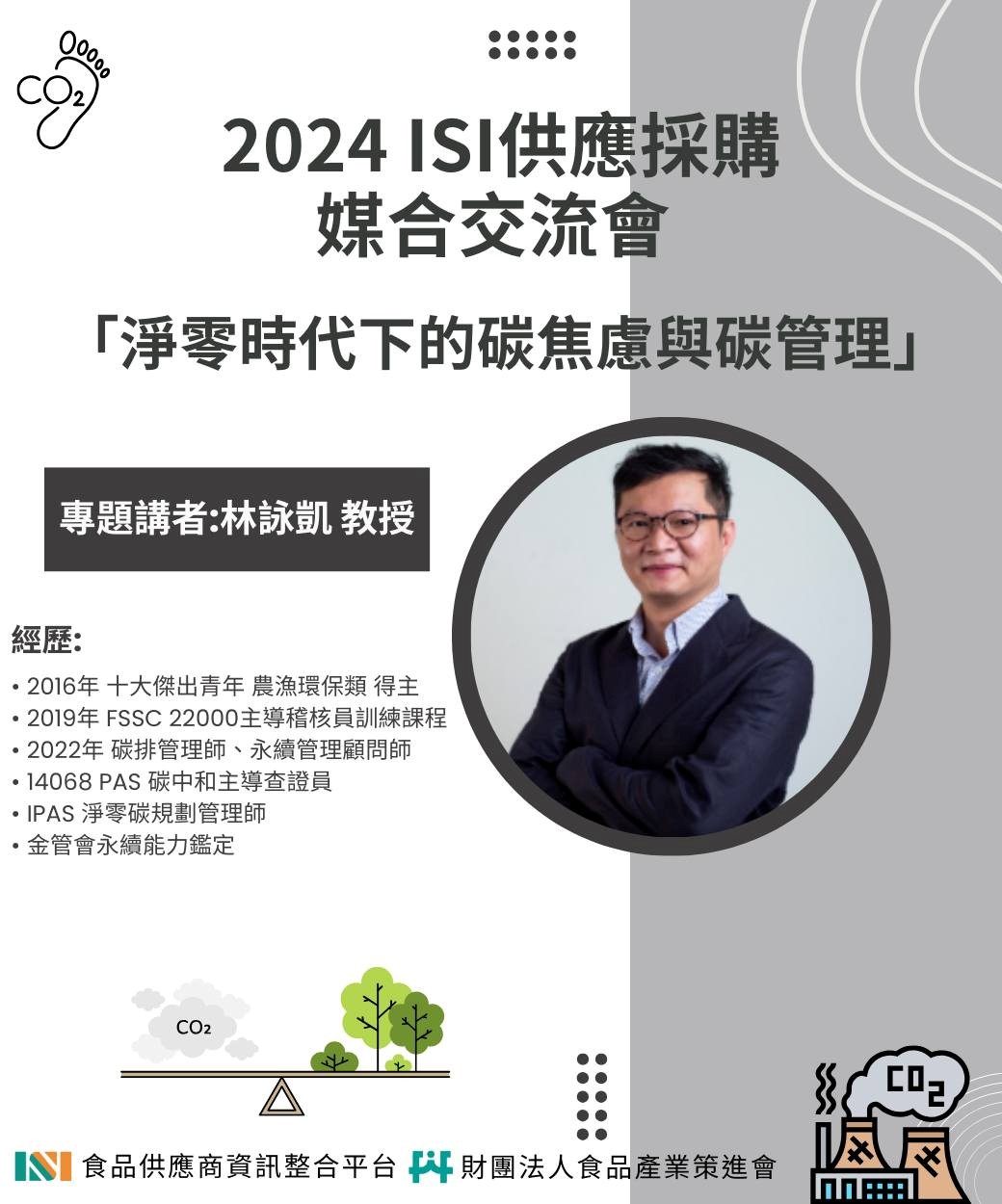
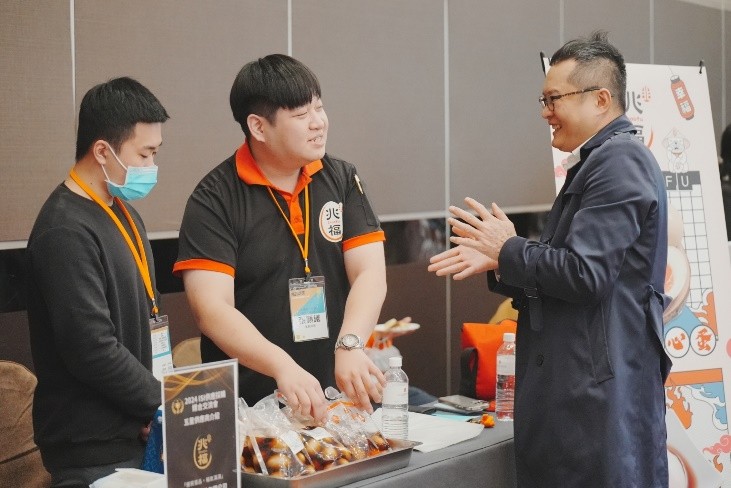
Evidence: https://reurl.cc/jy9XAD
- Mental Health Promotion in College 校園心理健康促進
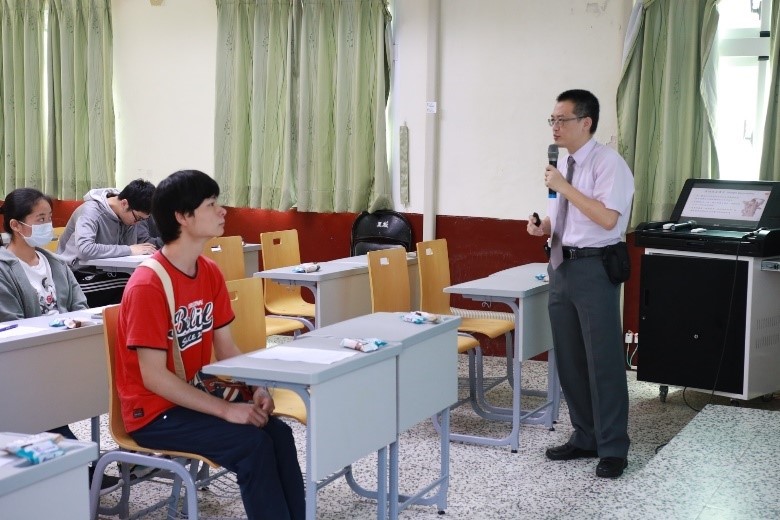
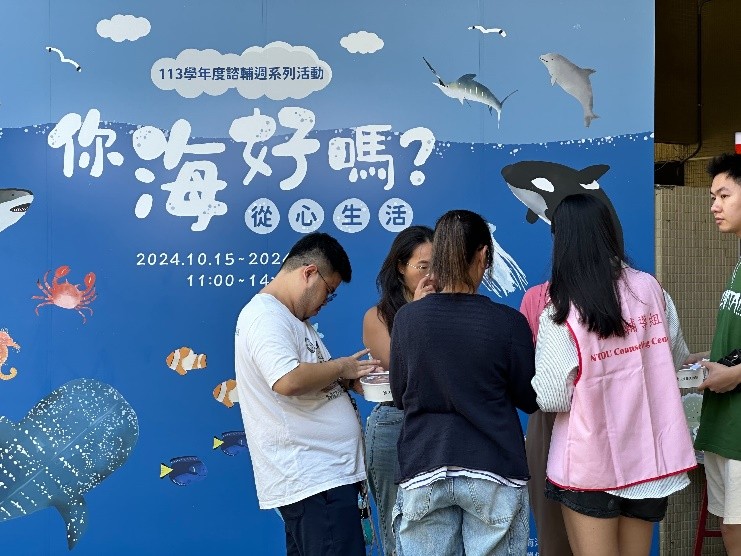
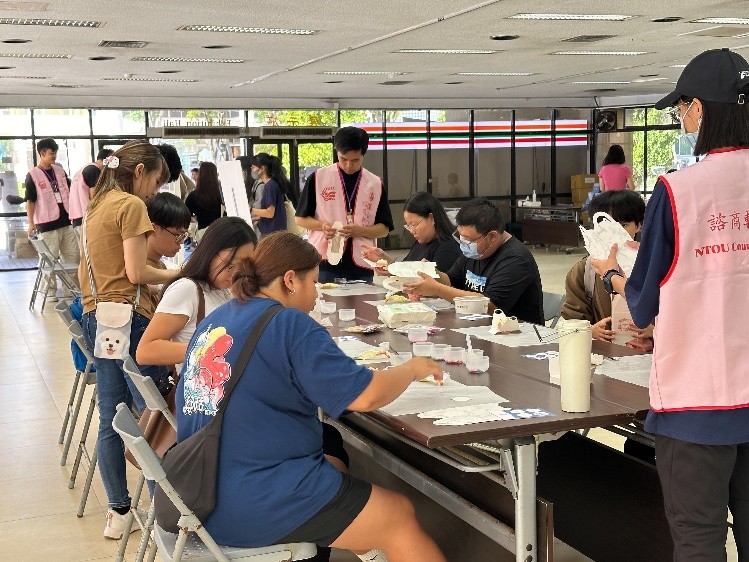
To promote mental health on university and college campuses, we aim to help students through courses and activities to develop correct values, understand the challenges they may encounter in daily life, explore possible solutions, and identify available resources. Additionally, we assist relevant personnel (including mentors, counseling professionals, etc.) in enhancing their professional knowledge and increasing their sensitivity, with the goal of fostering a warm and caring campus environment for both faculty and students. In the year 2024, a total of 66 mental health-related events were held, involving 4,657 participants. There were also three capacity-building events for mentors, attended by 409 participants, and five suicide prevention gatekeeper training sessions, with 165 participants in total. 1. Mental Health-Related Topics Mental health-related activities include: (1) Enhancing students' self-exploration and emotional awareness, helping them gain a deeper understanding of themselves and improve their self-awareness.(2) Life education seminars, conducted in collaboration with social organizations, aims to enhance students' understanding of Amyotrophic Lateral Sclerosis (ALS, commonly known as Lou Gehrig's disease) and promote acceptance of differences among people with disabilities, guiding students to view the meaning of life from various perspectives. (3) Lectures on transgender issues, featuring professional speakers from the Taiwan Tongzhi (LGBTQ+) Hotline Association and personal stories from transgender individuals, helping participants gain a better understanding of gender diversity and reflect on it.(4) Career issue seminars, helping students understand the relationship between career, life, and personal identity, with a focus on planning and choosing their career paths. (5) Marine environmental conservation, in collaboration with the Taiwan Marine Environment Education Promotion Association, where students participate in beach cleanups and plastic reduction campaigns, incorporating reflections on their life journey and the importance of sustainable ecological development and life education. To help freshmen adapt to campus life, first-year learning enhancement activities include peer and interpersonal relationship development, psychological testing, and self-understanding. These activities aim to assist freshmen in fully integrating into campus life. Psychological testing is used to identify high-risk students, who are then actively monitored and supported with the help of mentors and departmental resources. To further implement a three-tiered counseling system, our school actively trains counseling volunteers. Through various professional and training programs, these volunteers develop sensitivity and communication skills, enhance their self-understanding and self-exploration abilities, and learn skills such as empathy, stress management, and emotional adjustment. They provide identification and referral services for students in need within the classroom and on campus. In collaboration with local cultural organizations in Keelung, we conduct local harbor walk activities. Leveraging abundant marine resources, these activities broaden Taiwanese perspectives on marine culture. Although the harbor's past prosperity is no longer present, many traces of its former vibrancy remain, reinforcing NTOU to social responsibility and contributing to the sustainable development of the planet and marine ecology. 2. Suicide Prevention Gatekeeper Training Advisors, department staff, and student organization personnel are often the first to interact with students, allowing them to observe their situations from multiple perspectives. However, they also face significant psychological pressure when dealing with students in crisis, often feeling ill-equipped. This training aims to teach participants how to identify and assess suicide risks, care for and refer students in crisis, and improve collaboration between school departments, enhancing crisis management and intervention skills. Parents or guardians are also an essential part of the protective network in student crisis situations. Therefore, parents from nearby communities were invited to participate in the training to help them understand their role in this protective network, learn to recognize students' emotional and crisis signals, and improve their own emotional management and parent-child communication skills, thereby enhancing the effectiveness of the system. Peer support plays an irreplaceable role in the early detection and intervention of suicide risks. Since dormitories are often places where crisis situations occur, the training was also provided to dormitory leaders and floor supervisors. Through sharing practical experiences and participating in group exercises led by psychologists, participants were trained to understand the concept of suicide prevention gatekeeping, identify risk factors for suicide, practice empathy, and learn specific suicide intervention and response techniques, fully embodying the spirit of suicide prevention gatekeepers.
Sustainable Impact: To promote campus mental health and well-being, NTOU implemented a comprehensive program combining psychological education, counseling, and preventive action. In 2024, the university hosted 66 mental health activities (4,657 participants), 3 faculty empowerment workshops, and 3 suicide prevention "Gatekeeper" trainings (409 participants).The mental health series covered self-awareness, emotional regulation, life education, gender diversity, career planning, and marine environmental awareness, integrating mental well-being with sustainability education. A special collaboration with the Taiwan Marine Environmental Education Association allowed students to engage in beach cleanups, linking ecological action to life reflection and resilience.The university also strengthened its three-tier counseling system, training peer counselors and involving parents and dormitory leaders in suicide prevention workshops. These sessions focused on risk assessment, crisis management, and interdepartmental cooperation to enhance campus-wide readiness and empathy.This initiative effectively promotes SDG 3.3.1, fostering mental well-being, inclusivity, and sustainable development through education, prevention, and community engagement.
為促進大專校院校園心理健康,透過課程教學及活動參與等方式幫助學生,建立正確之價值觀,瞭解日常生活中可能遇到的困擾、可參考的解決方法、可尋求的資源;並協助相關人員(含導師、輔導專業人員等)提升專業知能、增加敏感度,以期師生共同營造溫馨關懷之校園氛圍。113年度辦理心理健康相關議題活動66場次,共計4,657人次;導師增能活動3場次,共計409人次;自殺防治守門人培訓場次,共計409人次 一、心理健康相關議題 心理健康相關活動包含:(1)增加同學自我探索、認識情緒,協助同學對自己有更多的認識、增進自我覺察的能力;(2)生命教育主題講座,與社會民間團體合作辦理,提升學生對肌萎縮性脊髓側索硬化症(ALS,俗稱漸凍人)之認識並接受身心障礙者族群的差異,引導學生從不同角度看待生命存在的意義;(3)跨性別議題講座,邀請社團法人台灣同志諮詢熱線協會專業講師以及跨性別者分享自我生命故事,讓與會人員對於多元性別有更多的認識及反思;(4)生涯議題講座,幫助學生認識職涯、生活與個人間的關聯,進而聚焦在個人生涯方向的規劃與選擇;(5) 海洋環境保育,透過臺灣海洋環境教育推廣協會,讓學生於淨灘、減塑行動中,融入個人生命歷程,體認生態環境永續發展與生命教育的重要性。 為幫助新生適應校園生活,大一學習促進活動內容包括同儕與人際關係、心理測驗與自我瞭解,能夠充分協助大一新生融入校園,並以測驗方式進行高關懷學生篩檢,主動追蹤關懷高關懷學生,並納入導師、系上資源共同協助有需要之學生。 為更加落實三級輔導,本校積極培訓輔導志工,透過各項專業及訓練課程,培養輔導志工對人之敏銳度及溝通技巧,增進自我瞭解與自我探索的能力,學習同理心、壓力調適、情緒調適等技能,進一步在班級與校園中對需要協助之學生,提供辨識以及轉介之服務。 與基隆社區文化機構合作,進行在地漁港走讀活動,依傍著豐富海洋資源,開啟台灣人對於海洋文化的視野,勞動的盛況讓漁港充滿生命力,如今港的盛況已不再,但仍留有許多證明其昔日生機的痕跡,這進一步鞏固了海大對社會責任的承諾,並為地球與海洋生態的可持續發展作出貢獻。 二、自殺防治守門人培訓 導師、系所及社團等行政人員,常是第一線接觸學生,能夠直接、多面向觀察學生狀況者,惟其接觸危機學生的同時,也承受高度的心理壓力,也可能感到力有未逮。該培訓活動,解析說明自殺風險之辨識與評估、疑似危機學生之關懷與轉介技巧,以及學校各單位系統溝通合作等,增進相關人員即時處置與危機管理知能,並整合校內相關資源。 學生發生危機狀況時,家長或監護人常是珍愛生命防護網中重要的一環,故該活動亦邀請本校鄰近社區之家長共同參與,協助家長了解防護網中家長之角色與功能,學習辨識學生之情緒與危機警訊,並提升家長自我情緒管理與親子溝通技巧,進而增進系統合作效能。 同儕支持在早期發現和介入自殺風險方面扮演著不可替代的角色。由於宿舍常常是危機事件發生的地點,因此針對本校宿舍幹部及樓長辦理該培訓,透過心理師實務經驗分享與小組演練,協助其瞭解自殺防治守門人概念、如何辨識自殺危險因子,並練習同理心、自殺行為干預技巧及具體回應技巧等,進而落實自殺防治守門人之精神。
永續影響力: 為促進師生心理健康與校園幸福感,本校於113年度透過課程與活動共辦理心理健康相關議題活動66場次,參與人次達4,657人;導師增能活動3場次,自殺防治守門人培訓3場次,共409人次。活動內容多元,包括自我探索與情緒覺察、生命教育、跨性別議題、生涯規劃及海洋環境保育等主題,協助學生建立正向價值觀與自我認識,並藉由與臺灣海洋環境教育推廣協會合作的淨灘行動,結合生態與生命教育,深化永續意識。此外,學校亦強化三級輔導機制,培訓輔導志工,提升導師、行政人員及家長對心理危機的敏感度與應變能力。自殺防治守門人訓練課程著重風險辨識、危機轉介與跨系統協作,宿舍幹部與樓長亦參與訓練,建立早期預警與支持網絡。此計畫整合心理教育、社區參與與防治網絡,全面落實 SDG 3.3.1「確保各年齡層之心理健康與福祉」,營造安全、關懷且永續的校園環境。
Evidence: https://drive.google.com/file/d/1c4jnF9rZx5lwjwpJ9x0I9HdNOjundvlS/view?usp=sharing
- Exploring Functional Representative Methylation Biomarkers Through Artificial Intelligence Technologies 透過人工智慧技術探索具功能代表性之甲基化生物標記
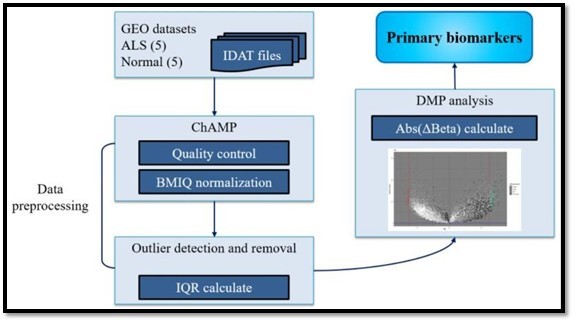
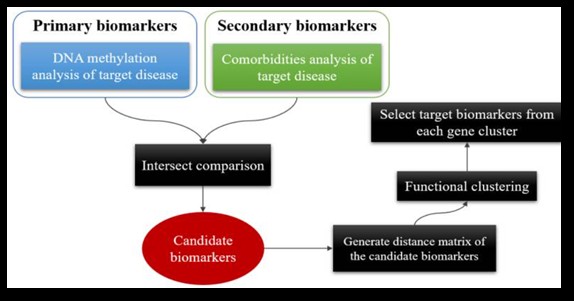
Late at night in a quiet laboratory, a research team faced a question that could change the future of neurodegenerative medicine: Can early warning signals of Amyotrophic Lateral Sclerosis (ALS) be detected in the blood before clinical symptoms appear? ALS is a progressive and devastating neurodegenerative disease that causes the loss of motor neurons, leading to muscle weakness, paralysis, and eventually respiratory failure. Because its early symptoms resemble those of other neurological disorders, diagnosis often requires nine to fifteen months, which delays intervention and limits treatment options. To address this gap, the research team integrated artificial intelligence (AI), big data analytics, and DNA methylation profiling to explore whether molecular changes in the blood could reveal early biomarkers of ALS. Their goal was to develop a data-driven predictive model capable of identifying individuals at risk long before symptoms emerge. Integrating Global Medical Data The first step was to combine large-scale medical datasets to understand ALS in a broader clinical context. The team merged two internationally recognized databases: the MIMIC-IV (Medical Information Mart for Intensive Care IV) from the United States and Taiwan's NHIRD (National Health Insurance Research Database). Together, these databases contain millions of electronic health records (EHRs), including diagnostic codes, medication histories, laboratory test results, and treatment procedures. Using the word2vec embedding model, each disease was represented as a vector in a multidimensional space, allowing the AI system to measure how closely different diseases were related based on how frequently they co-occurred in patient records. Statistical validation with the odds ratio (OR) confirmed significant associations between ALS and several comorbidities. Among the most prominent were peripheral neuropathy, dysphagia (ICD-10: R13), and respiratory failure (ICD-10: J96). These conditions were not random—they reflected potential early physiological disturbances in ALS patients and hinted at underlying biological connections that could be tracked at the molecular level. From Clinical Records to Molecular Mechanisms Having mapped the disease landscape, the researchers turned to the genome to uncover what was happening beneath the surface. They retrieved blood-based methylation data from the Gene Expression Omnibus (GEO) database, specifically dataset GSE89472, which contained samples from five pairs of monozygotic twins—five diagnosed with ALS and five healthy controls. This twin design minimized genetic variability, allowing the team to focus on epigenetic differences associated with the disease. Through the ChAMP (Chip Analysis Methylation Pipeline) workflow, they identified 3,881 statistically significant differentially methylated probes (DMPs) and narrowed them to 204 probes with an absolute ΔBeta value of at least 0.05, representing 128 candidate genes potentially linked to ALS. To strengthen biological relevance, the team cross-referenced these genes with the comorbidity profiles extracted from the MIMIC-IV and NHIRD datasets. After rigorous filtering across both data sources and analytical methods, nine candidate genes consistently emerged: SOD3, CACNA1H, ERBB4, MPZ, HOMER1, MGLL, TBCD, DPYSL2, and ANGPT1. These genes were then analyzed using Gene Ontology (GO) annotation and Unweighted Pair Group Method with Arithmetic Mean (UPGMA) clustering, revealing three core biomarkers that stood out for their biological plausibility and predictive value: SOD3, CACNA1H, and ERBB4. Pathway Analysis and Biological Interpretation Further pathway enrichment analysis provided insight into the biological roles of these key genes. The team found that the three biomarkers were significantly involved in two major neurodegenerative signaling pathways: 1.MAPK signaling pathway (KEGG: ko04010) – regulating oxidative stress responses, apoptosis, and neuroinflammation. 2.Glutamatergic synapse pathway – governing excitatory neurotransmission and linked to excitotoxicity, the process by which excessive glutamate overstimulates neurons, leading to their degeneration. In ALS, both oxidative stress and excitotoxicity are considered central mechanisms of neuronal death. Therefore, abnormal DNA methylation in these pathways could represent early molecular disturbances that precede motor neuron loss. This finding provided compelling evidence that epigenetic biomarkers in peripheral blood could reflect disease processes occurring in the central nervous system. Key Findings The integration of AI-driven data mining with genomic methylation analysis produced a robust and reproducible workflow for identifying ALS-specific biomarkers. The main achievements of this research include: -Integration of two international EHR databases (MIMIC-IV and NHIRD). -Analysis of 10 blood samples from five monozygotic twin pairs (ALS vs. control). -Identification of 3,881 differentially methylated sites, with 204 significant probes (ΔBeta ≥ 0.05). -Isolation of nine comorbidity-linked candidate genes. -Validation of three core biomarkers—SOD3, CACNA1H, and ERBB4—with strong associations to neurodegenerative signaling. Collectively, these findings demonstrate that DNA methylation changes in blood can serve as non-invasive diagnostic indicators for ALS risk prediction. With further validation, these biomarkers could be incorporated into a rapid blood-based screening assay capable of identifying high-risk individuals before symptom onset. Implications for Precision Medicine This study represents a convergence of genomics, artificial intelligence, and clinical informatics. By integrating molecular and real-world health data, the research provides a new paradigm for AI-assisted biomarker discovery. If implemented in clinical settings, this approach could reduce diagnostic time from months to just days, allowing physicians to initiate interventions earlier and potentially slow disease progression. Beyond ALS, the same computational framework could be extended to other neurodegenerative diseases such as Parkinson's disease, Alzheimer's disease, and Huntington's disease, supporting the broader goal of precision medicine—personalized, data-driven healthcare tailored to individual biological and clinical profiles. A Symbol of Hope As the analysis concluded, the laboratory lights remained on. On the monitor, three gene names glowed softly: SOD3, CACNA1H, and ERBB4. To the research team, these were more than just sequences of letters—they were symbols of progress, representing how data, when interpreted through the lens of science, can become a language of hope. Through the fusion of artificial intelligence and molecular biology, this study has shown that the earliest signs of ALS might already be written in our blood—waiting for technology and determination to reveal them.
Sustainable Impact: This research integrates artificial intelligence, big data analytics, and DNA methylation profiling to develop an early prediction model for Amyotrophic Lateral Sclerosis (ALS), exemplifying SDG 3.3.1, which emphasizes collaboration with health institutions to improve well-being outcomes. By combining two major medical databases—MIMIC-IV (USA) and NHIRD (Taiwan)—the project establishes a data-driven approach for identifying early biomarkers and disease comorbidities. This international collaboration strengthens the linkage between biomedical research and clinical practice, advancing early diagnosis and preventive care. Through multi-institutional cooperation and AI-assisted precision medicine, the study not only accelerates diagnostic processes but also provides a scalable model for detecting other neurodegenerative diseases, aligning with global efforts to enhance health innovation and sustainable medical research.
在深夜的實驗室裡,研究團隊正面對一個攸關生命的問題:能否在肌萎縮性側索硬化症(Amyotrophic Lateral Sclerosis, ALS)發作前,從血液中發現早期警訊? ALS是一種嚴重的神經退化性疾病,患者會逐漸失去運動能力,最終導致呼吸衰竭。由於疾病初期症狀與其他神經疾病相似,臨床上往往需要9至15個月才能確診,錯過黃金治療期。為了縮短診斷時間、提高預測準確率,本研究團隊結合人工智慧、大數據分析與基因甲基化技術,嘗試從基因與疾病關聯的角度找出ALS的早期生物標誌。 研究的主要目標是建立一套能預測ALS發病風險的資料驅動模型。團隊整合了兩個國際級醫療資料庫:美國的MIMIC-IV(Medical Information Mart for Intensive Care IV)與台灣的 NHIRD(National Health Insurance Research Database)。這兩個資料庫分別涵蓋數百萬筆臨床電子病歷,包含診斷、檢驗、用藥與治療紀錄。研究團隊利用 word2vec 模型 分析疾病之間的語意相似性,藉此探索ALS與其他疾病的共病關聯,並以勝算比(odds ratio)驗證統計顯著性。結果顯示,ALS與周邊神經病變、吞嚥困難(R13)、呼吸衰竭(J96)等疾病有高度共病關聯,顯示這些疾病可能是ALS早期發展的風險信號。 在資料探勘後,研究團隊進一步進行基因層面的探討。他們從GEO(Gene Expression Omnibus)資料庫中下載代碼為GSE89472的血液甲基化樣本,該資料集包含五對同卵雙胞胎(五名ALS患者與五名健康者)。利用ChAMP分析流程,研究者比對出3881個具統計意義的甲基化位點,再篩選出204個顯著差異位點(Abs(ΔBeta)≥0.05),對應128個候選基因。為了進一步確定與疾病關聯性最高的基因,團隊將甲基化分析結果與共病資料交叉比對,最終從兩個資料庫與兩種方法中同時出現的基因中篩選出9個潛在候選基因: SOD3、CACNA1H、ERBB4、MPZ、HOMER1、MGLL、TBCD、DPYSL2、ANGPT1。 這些基因進一步透過 Gene Ontology(GO)功能註解與UPGMA分群分析,被歸納為三個核心生物標誌:SOD3、CACNA1H與ERBB4。研究發現,這三個基因與兩條神經退化相關的主要生物路徑高度相關—MAPK訊息傳導路徑(ko04010)與Glutamatergic Synapse(穀氨酸突觸)。前者與細胞壓力反應及神經發炎有關,後者則與神經興奮毒性(excitotoxicity)機制相關,這兩者皆被認為是ALS神經元死亡的重要原因。 研究結果顯示,這三個基因的甲基化異常可作為ALS早期預測的核心血液生物標誌。透過血液檢測,可在疾病尚未明顯發作前辨識出高風險族群,並有望發展成非侵入式的臨床檢測套組。具體成果包括: -整合2個國際醫療資料庫(MIMIC-IV與NHIRD) -分析10 筆雙胞胎血液樣本(5對同卵雙胞胎) -鎖定9個共病相關基因 -確認3個核心生物標誌(SOD3、CACNA1H、ERBB4) -驗證其與神經退化路徑的高度關聯性 這項研究不僅提供ALS早期偵測的新方向,也為神經退化性疾病的預測模型建立了可行架構。若未來能進一步臨床化,ALS的診斷時間將從數月縮短至數天,讓患者能更早接受干預,延緩病程發展。此外,此AI輔助的甲基化篩選機制也可延伸應用於帕金森氏症、阿茲海默症等其他神經退化疾病,推動以大數據與人工智慧為核心的精準醫療發展。 最終,研究團隊在螢幕前靜靜看著那三個閃爍的基因代碼——SOD3、CACNA1H、ERBB4。對他們而言,這不只是三串字母,而是一種象徵——象徵著人類正一步步靠近戰勝ALS的希望。
永續影響力: 本研究結合人工智慧、大數據與基因甲基化分析,開發肌萎縮性側索硬化症(ALS)早期預測模型,符合 SDG3.3.1「與衛健機構合作以促進健康與福祉」之精神。研究團隊整合國際醫療資料庫(MIMIC-IV與NHIRD),進行疾病共病與基因層面分析,為臨床診斷提供具體應用依據。此跨國醫療合作與精準醫學研究模式,強化健康數據共享與疾病預防能力,促進早期介入與公共衛生創新。