4.3.2
- Oceanic Culture Journal, 36, 37 《海洋文化學刊》第36、37期
The Institute of Oceanic Culture publishes the Oceanic Culture Journal, which publishes monographs, research discussions and related discussions related to Marine Culture that have not been published at home and abroad, and the articles included are academically rigorous, comprehensive and in-depth, so as to enhance the research atmosphere and academic level. The articles included in Issue 36 are: 1.Delicious, Fashionable and Innovative: The Culinary Culture of "Clam" in the Song Dynasty 2.The Exotic Landscapes and humanistic world of Wang Wenzhi''s "Hai Tien You Cao" (The Travel Record of Ryukyuu) 3.Lighthouse Navigation and Sea Goddess Protection: The Dual Guardians of Penghu's Maritime Culture Li Changgeng and Qing Dynasty's Maritime Defense during the Jiaqing Era 4.The Impact of Municipal Designation on the Development of Harbor Cities: A Case Study of Keelung in 1924 5.Explore the Commercial Value Transformation of Early Taiwanese Art Styles in Cultural and Creative Industries through Generative AI Technology The articles included in Issue 37 are: 1.Delicious, Fashionable and Innovative: The Culinary Culture of "Clam" in the Song Dynasty 2.The Exotic Landscapes and humanistic world of Wang Wenzhi''s "Hai Tien You Cao" (The Travel Record of Ryukyuu) 3.Lighthouse Navigation and Sea Goddess Protection: The Dual Guardians of Penghu's Maritime Culture 4.Li Changgeng and Qing Dynasty's Maritime Defense during the Jiaqing Era 5.The Impact of Municipal Designation on the Development of Harbor Cities: A Case Study of Keelung in 1924 6.Explore the Commercial Value Transformation of Early Taiwanese Art Styles in Cultural and Creative Industries through Generative AI Technology .
Sustainable impact: The paragraph demonstrates that the university's Institute of Marine Culture publishes the Journal of Marine Culture, featuring original, rigorously reviewed research on marine history, art, and society. By making these studies publicly available, the institution provides the community with access to academic knowledge beyond campus boundaries. This aligns with SDG 4.3.2, which emphasizes organizing open educational activities that promote lifelong learning and knowledge sharing. The journal effectively serves as a public educational initiative, embodying the university's role in disseminating scholarship to the broader society.
本校海洋文化研究所出版《海洋文化學刊》,本學刊刊登與「海洋文化」有關,並未曾在國內外出版之專題論文、研究討論以及相關論述,所收錄之文章具有學術之嚴謹性、全面性及深入性,藉以提昇研究風氣與學術水準。 第36期收錄的文章有: 1、中國首任駐英公使郭嵩燾視角中的黑海局勢(1877-1878) 2、清末海權興起與中葡澳門勘界爭議 3、一戰後中國領水主權的籌劃及執行:以海軍為中心的探討 4、動員戡亂時期的僑選立委選舉 5、溯源:劉維和神父的尋根之旅 第37期收錄的文章有: 1、鮮美、時尚、新巧:宋代「蚌蛤」的飲食文化 2、海山奇秀景慌惚:王文治《海天遊草》中的異國風物與人文世界 3、燈塔引航與海神庇佑:澎湖海洋文化的雙重守護者 4、論李長庚與嘉慶年間清國的海防 5、設市對海港城市發展的影響---以1924年的基隆為例 6、以生成式AI技術探索臺灣早期藝術風格在文創產業中的商業價值轉化 。
永續影響力: 此段落說明本校海洋文化研究所出版《海洋文化學刊》,持續發表未曾於國內外出版之專題研究,內容涵蓋海洋文化、歷史、藝術與社會議題。此舉提供社會大眾接觸專業知識與文化研究的機會,屬於開放式教育活動的一環,與SDG 4.3.2所強調「舉辦向公眾開放的教育活動,推廣終身學習與知識共享」相符,體現大學作為知識平台的公共教育功能。


Evidence: https://ioc.ntou.edu.tw/p/405-1050-112075,c7493.php?Lang=zh-tw
- Marine Education Specialization Enhancement Credit Program 「海洋教育」專長增能學分班
We offer a professional development course in "Marine Education," which includes carefully planned outdoor activities designed to make the course more interactive and engaging. Through this design, we hope we can enhance middle and elementary school teachers' understanding of marine education and strengthen their ability to incorporate marine knowledge into their teaching. There are 8 teachers from high schools, middle schools, and elementary schools who participated in the course, hoping to apply what they have learned to their teaching practices. 2. The course integrates the "Marine Educator Training Program" planned by the Taiwan Ocean Education Center and incorporates it into the training curriculum. This integration provides participants in the course with the opportunity to become professional marine educators, enabling them to continue promoting marine education and bringing marine knowledge and enthusiasm into more teaching environments.
Sustainable impact: The university's "Marine Education"capacity-building program, featuring outdoor and interactive learning for primary and secondary school teachers, aligns with SDG 4.3.2, which emphasizes organizing public lifelong learning activities. The program strengthens teacher's understanding of marine education and equips them to integrate ocean literacy into their classrooms. By collaborating with the Taiwan Marine Education Center's educator training initiative, it also fosters professional marine educators who extend their knowledge to schools and communities. This initiative exemplifies the university's role in promoting lifelong learning, public engagement, and educational sustainability.
本校開設「海洋教育」增能課程,課程精心規劃了多項戶外教學活動,以互動方式增加課程的趣味性,希望透過這樣的設計,提升國中小教師對海洋教育的認識,並強化他們在教學中融入海洋知識的能力。這次共有8位來自高中、國中及國小的教師參與了這個課程,希望能將學應用到他們的教學實踐中。 2.本課程結合臺灣海洋教育中心規劃之「海洋教育者培訓計畫」,並將其納入培訓課程,讓參加課程培訓之學員有機會成為專業的海洋教育者,持續推動海洋教育,並將海洋知識和熱情帶入更多的教學場域。
永續影響力: 本校開設的「海洋教育」增能課程,以戶外教學與互動學習提升教師對海洋教育的理解,屬於向公眾開放的教育型活動,符合SDG 4.3.2「舉辦終身學習相關之公眾活動」之定義。課程對象為中小學教師,具備教育推廣與知識再培力的功能;同時結合臺灣海洋教育中心之培訓計畫,培養專業海洋教育人才,使其將學習成果延伸至校園與社區,體現大學推動終身學習與社會連結的責任。

Evidence:
https://tec.ntou.edu.tw/p/406-1019-114531,r538.php?Lang=zh-tw
https://usr.ntou.edu.tw/var/file/90/1090/img/1658/780795666.pdf
- The course and experiment of "Ocean Current" 『洋流學』教學與課後實驗
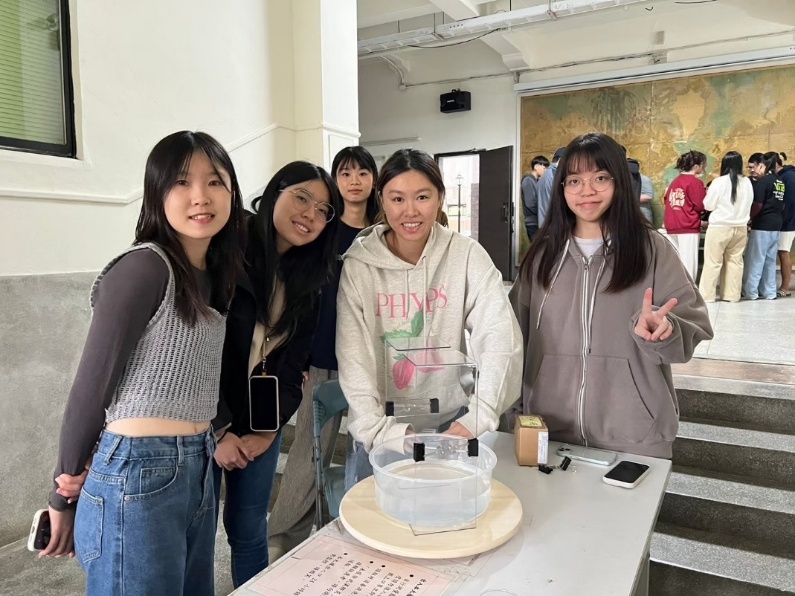
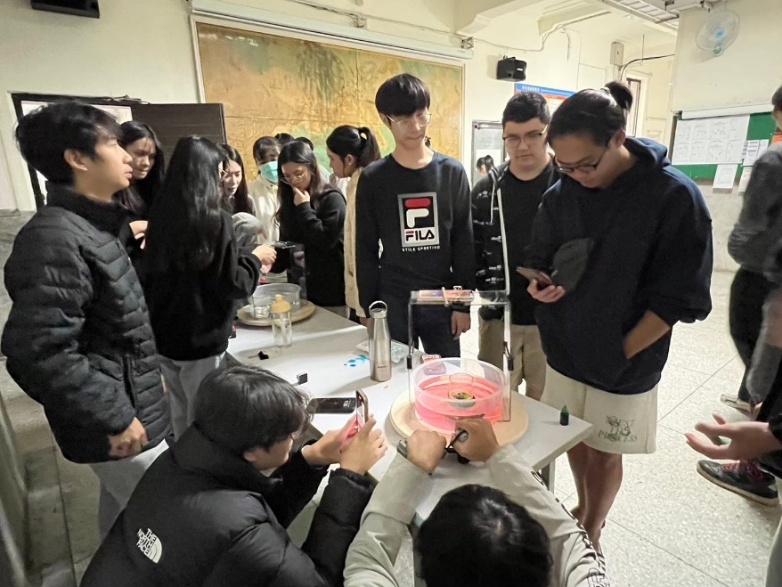
‘Ocean Current' after-class experiments are highly aligned with SDG 4, "Ensure inclusive and equitable quality education and promote lifelong learning opportunities for all". Through contextualized, inquiry-based hands-on activities, students not only "see"science but also"learn by doing"and"learn by applying."Across the full workflow—design, operation, data collection, and interpretation—they cultivate critical thinking, problem-solving, and cross-disciplinary integration skills, all core competencies of quality education. The experiments adopt scalable difficulty levels and differentiated tasks to accommodate diverse prior knowledge, encouraging active participation, collaboration, and reflective feedback. In turn, these features spark curiosity about science and strengthen self-directed learning and motivation for lifelong learning. Furthermore, the'Ocean Current' course directly supports SDG 14,"Conserve and sustainably use the oceans, seas, and marine resources," by linking education and research. By understanding the physical mechanisms and biogeochemical effects of ocean currents, students can translate observations and analyses into insight and action on real-world issues, for example:
- Sustainable fisheries management: Use current-driven habitat shifts, upwelling, and frontal positions to estimate the spatiotemporal distribution of fishing grounds, informing adaptive fishing effort and resource assessments.
- Marine pollution response: Apply flow fields and dispersion models to understand transport pathways of floating pollutants (e.g., plastic fragments, oil spills), proposing more effective early-warning and cleanup strategies.
- Habitat and protected-area planning: Use in-situ observations and remote sensing to identify ecological hotspots, migratory corridors, and high-productivity zones, thereby strengthening the scientific basis for Marine Protected Areas or managed zones. This education–research–governance linkage exposes students to evidence-based decision-making during their learning process, helping them see how science becomes public good—and later translate it into policy recommendations, public communication, and local practice in their careers.
Ultimately, students will respond to global environmental challenges with scientific literacy and advance the sustainable use of marine resources with civic literacy, jointly driving the realization of SDG 4 and SDG 14.
Sustainable impact: The"Ocean Currents"course integrates inquiry-based and experiential learning, enabling students to develop critical thinking and interdisciplinary problem-solving skills, aligning with SDG 4.1.1's emphasis on quality and inclusive education. Its participatory and reflective design promotes self-directed, lifelong learning, consistent with SDG 4.3.2, which values public and lifelong learning activities. Moreover, by linking physical oceanography to real-world applications such as fisheries management, pollution control, and habitat protection, the course directly supports SDG 14.2.2's objective of conserving and sustainably using marine ecosystems. It exemplifies how higher education can connect scientific research with societal action to advance sustainability and evidence-based decision-making.
『洋流學』的課後實驗與 SDG 4「確保包容與公平的優質教育,促進全民終身學習機會」高度契合。透過情境式與探究式的實作活動,學生不只「看見」科學,還能「做中學」與「用中學」:在設計、操作、資料蒐集與結果詮釋的完整流程中,培養批判思考、問題解決與跨域整合能力,這些皆是優質教育的核心素養。實驗本身採用可擴充的難度階梯與差異化任務,能兼顧不同基礎的學生,鼓勵積極參與、同儕協作與反思回饋,進而點燃對科學的好奇心,強化自我導向學習與終身學習動機。 進一步地,『洋流學』課程在教育與研究的連結上,直接支援 SDG 14「保育與永續利用海洋與海洋資源」。透過理解洋流的物理機制與生地化效應,學生能將觀測與分析成果轉譯為真實議題的認識與行動建議,例如:
- 永續漁業管理:以洋流驅動的棲地變動、上升流(湧升流)與海洋鋒面(fronts)位置,推估漁場時空分布,支援漁撈努力的調適與資源評估。
- 海洋污染應對:利用流場與擴散模型理解漂浮污染物(如塑膠碎片、漏油)的傳輸路徑,提出更有效的預警與清除策略。
- 棲地與保護區規劃:以觀測與遙測資料辨識生態熱點、洄游走廊與高生產力區域,強化海洋保護區或管理分區的科學依據。此一教育—研究—治理的鏈結,讓學生在學習過程中就能接觸「證據導向」的決策思維,理解科學如何化為公共利益,並在未來職涯中轉化為政策建議、社會溝通與在地實踐的能力。
最終,學生既能以科學素養回應全球環境挑戰,也能以公民素養促進海洋資源的永續使用,共同推動SDG4與SDG14的落實。
永續影響力: 「洋流學」課程以探究式與實作學習設計,讓學生在動手操作與數據分析中培養批判思考與跨域整合能力,契合SDG 4.1.1強調的「優質與包容教育」。課程鼓勵自主與終身學習,亦符合SDG 4.3.2中「向公眾開放教育活動、推廣終身學習」的精神。進一步結合海洋觀測與應用研究,學生將學習成果轉化為漁業管理、污染應對及棲地保護等實際行動,呼應SDG 14.2.2「保護並永續利用海洋資源」之核心目標,展現教育、研究與社會實踐的整合。
Evidence:
- The Chinese Love Poetry Awards 2024 113年度「情思 詩情 愛情詩」徵件活動
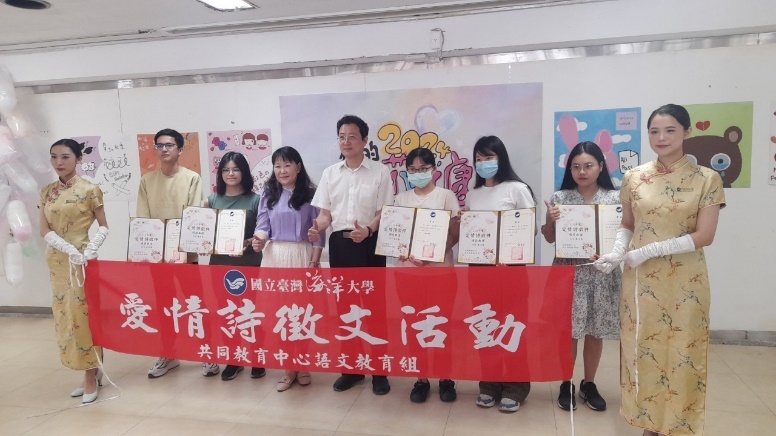
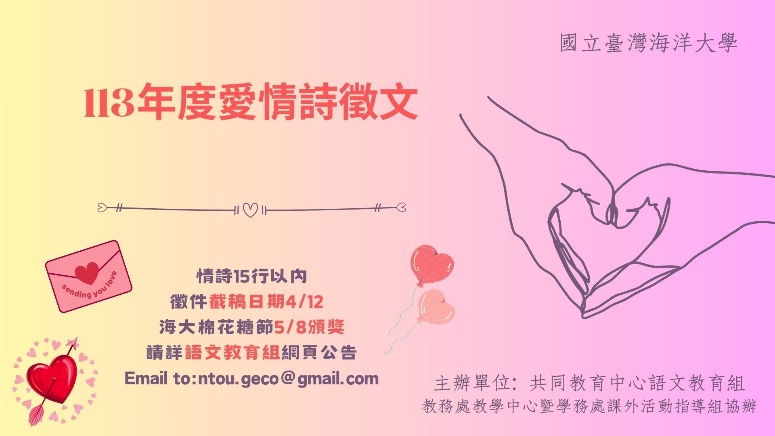
The submissions of The Chinese Love Poetry Awards 2024 are welcome all enrolled NTOU students. This creative writing contest is tailor-made for promoting NTOU Marshmallow Festival which is organized by Extracurricular Activities Division in May every academic year. The selection outcome will be announced on the official website of Division of Languages and Literature Education. An official certificate and book gift voucher will be awarded to each winner of the year.
Sustainable impact: The"Affection, Poetry, and Love Poems"competition, held alongside the university's annual Marshmallow Festival, encourages students to create poems themed around the ocean or love. By combining creative expression with cultural education, the event serves as a public learning activity that fosters literary appreciation and community engagement. With external judges, awards, and public recognition, it promotes student's creativity and participation in campus culture. This aligns with SDG 4.3.2, which emphasizes organizing open educational activities that encourage lifelong learning and cultural enrichment, reflecting the university's role in fostering inclusive and participatory learning experiences.
113年度「情思 詩情 愛情詩」徵件活動係配合本校課外活動指導組每年舉辦之棉花糖節傳情活動辦理與海洋或愛情相關之新詩創作徵文比賽。語文教育組邀請校外委員遴選年度入選佳作,提供每位得獎同學圖書禮券及獎狀獎勵,並於頒獎典禮上公開表揚以凝聚同學們對本校之向心力。
永續影響力:「情思 詩情 愛情詩」徵件活動結合本校年度棉花糖節傳情主題,鼓勵學生以海洋或愛情為題進行詩文創作,屬於向公眾開放的教育文化活動。活動設有評選與頒獎制度,提升學生文學素養與創作動機,亦促進校內文化交流與情感連結。此類具教育推廣性與參與性的活動,正符合SDG 4.3.2所強調的「透過公開教育活動推動終身學習與文化涵養」目標,體現大學作為學習社群中心的角色。
Evidence: https://r081.ntou.edu.tw/p/412-1098-10067.php?Lang=zh-tw
- 2024 Performing Arts 2024年表演藝術
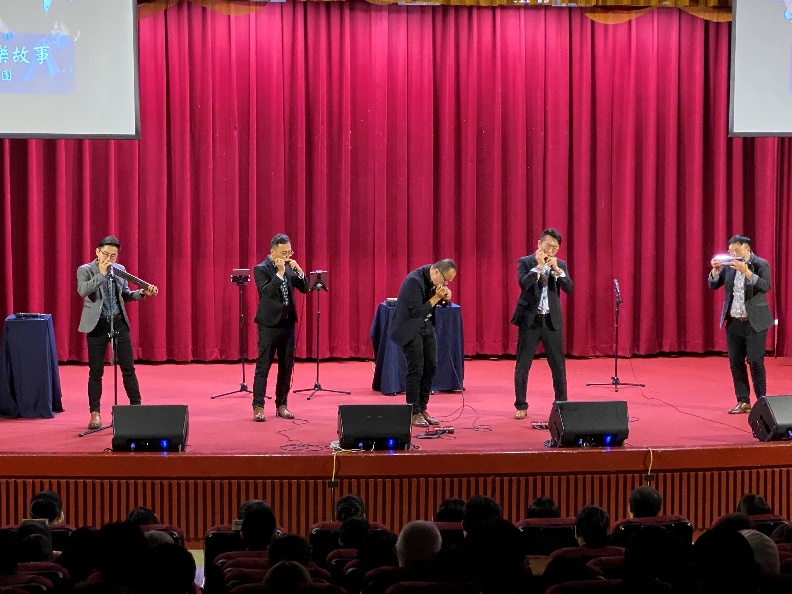
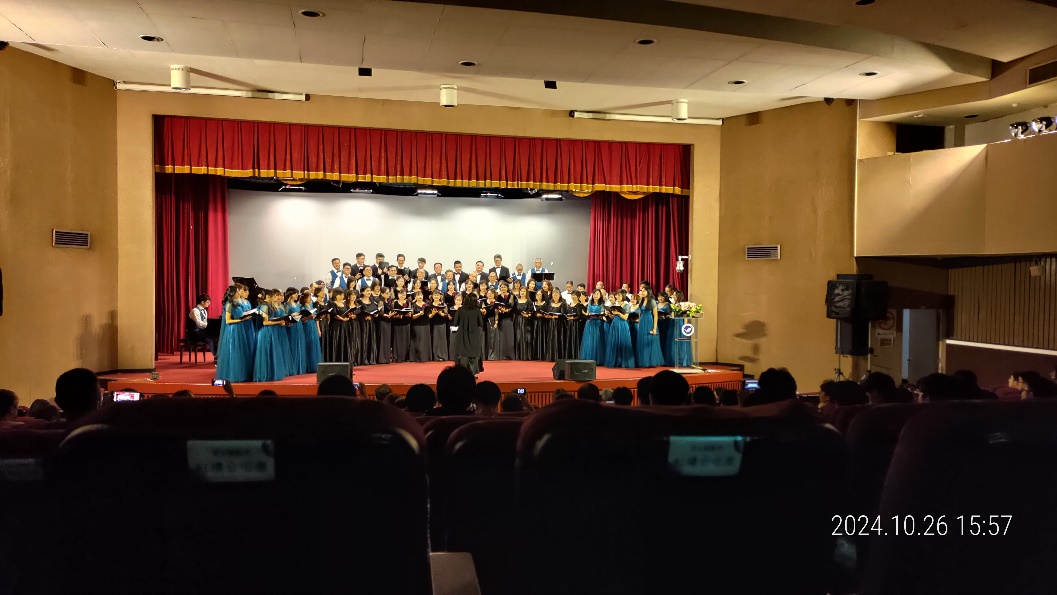
In 2024, four diverse arts and cultural performances were organized and co-hosted, covering music, theater, and inter-school collaborations that showed the creativity and cultural energy of the campus. The Sirius Harmonica Ensemble presented a "Storytelling Concert" , combining harmonica ensemble performances with short introductions and stories. The audience was guided through melodies and narratives, feeling the rhythm, emotion, and storytelling behind the music. This performance, both educational and emotional, helped listeners better understand the background and style of each piece while discovering the harmonica''s expressive sound and unique charm. The Funny no problem Theater Group brought lots of laughter with their Japanese-style "manzai" comedy, mixing short skits, humor, and current events into a lively and interactive performance. Their show highlighted Japan''s unique sense of humor and performance style, allowing the audience to experience the fun and depth of cultural exchange in a relaxed atmosphere. The performance not only added color to campus life but also gave students and teachers a chance to unwind and enjoy art in a lighthearted atmosphere, broadening their appreciation of theater''s many forms. In addition, two music concerts were held in collaboration with talented musicians and chorus. The emerging musicians—cellist Wang Tzu-Wen and pianist Su Ying-Shan—whose duet blended classical and modern styles beautifully. The second concert brought together the Red Chamber Chorus from National Taipei University of Technology, the Singsong Chorus from Taipei Medical University, and the Haiyun Chorus from National Taiwan Ocean University. With layered harmonies and a wide range of songs, the three choirs performed a moving concert that blended traditional and contemporary sounds, showing the beauty of teamwork across schools.
Sustainable impact: In 2024, the university organized and co-hosted four diverse art performances spanning music, theater, and intercollegiate collaboration. These included a harmonica storytelling concert, a Japanese-style "manzai" comedy show, and joint choral performances with partner universities. Each event encouraged open participation, enhancing cultural appreciation, creative expression, and cross-disciplinary dialogue. By fostering aesthetic education and intercultural understanding, these performances embody SDG 4.3.2, which emphasizes organizing public educational activities that promote lifelong learning and cultural enrichment. The initiative demonstrates the university's role in advancing artistic literacy and community engagement through accessible, inclusive art education.
2024年共主辦與合辦4場多樣化的藝文演出,內容涵蓋音樂、戲劇與跨校合作,展現校園藝文活動的創新能量與文化厚度。其中,天狼星口琴樂團以「說故事的音樂會」為策劃概念,結合口琴重奏與導聆,讓觀眾在旋律與故事間流轉,從節奏、情感到情節鋪陳層層感受音樂的深意。透過這場兼具知性與感性的演出,觀眾不僅更深入理解曲目的創作背景與風格特質,也重新認識口琴這項樂器的多變音色與豐富表現力,體驗音樂敘事的獨特魅力。面白大丈夫劇團則以極具特色的日式「漫才」登場,融合短劇、搞笑橋段與時事議題,呈現節奏明快、互動性強的表演風格。演出中不僅展現日本特有的幽默美學與表演精神,也讓觀眾在輕鬆氛圍中感受文化交流的趣味與深度。此演出在笑聲中傳遞藝術的溫度,讓師生在繁忙課業之餘獲得紓壓與啟發,進一步拓展對戲劇多元樣貌的欣賞視野。此外,今年更與多組音樂家及校際團隊合作舉辦兩場音樂會。一場由新銳大提琴家王姿文與鋼琴家蘇瑩珊攜手演出,以細膩的重奏詮釋古典與現代曲風的交融;另一場則邀集臺北科技大學紅樓合唱團、臺北醫學大學杏聲合唱團及本校海韻合唱團共同登台,三校合唱團以多層次的聲部與多元曲目,共同譜出融合古典與當代的音樂篇章,展現跨校合作的藝術成果。整年度的演出活動,不僅促進校際交流與藝術對話,也營造出兼具深度、創意與溫度的表演空間。藝術在校園中持續發酵,讓觀眾在欣賞中獲得感動與啟發,進而深化美感經驗與文化素養,展現藝文教育的持續影響力。
永續影響力: 本校於2024年舉辦4場多樣化藝文演出,涵蓋音樂、戲劇及跨校合作,提供師生與社會大眾開放參與的文化學習機會。活動以口琴音樂會、漫才劇場與合唱交流等形式,推廣藝術欣賞、跨文化理解與創意表達,促進校園與社區間的藝文互動。此舉符合SDG 4.3.2所強調的「舉辦公眾教育活動以推動終身學習與文化涵養」,透過藝術教育深化公民的審美與文化素養,體現高等教育推動全民美育的社會責任。

Evidence: https://stu.ntou.edu.tw/p/405-1023-118023,c10827.php?Lang=zh-tw
- 2024 NTOU Art Expedition 2024年海洋大學藝術巡禮
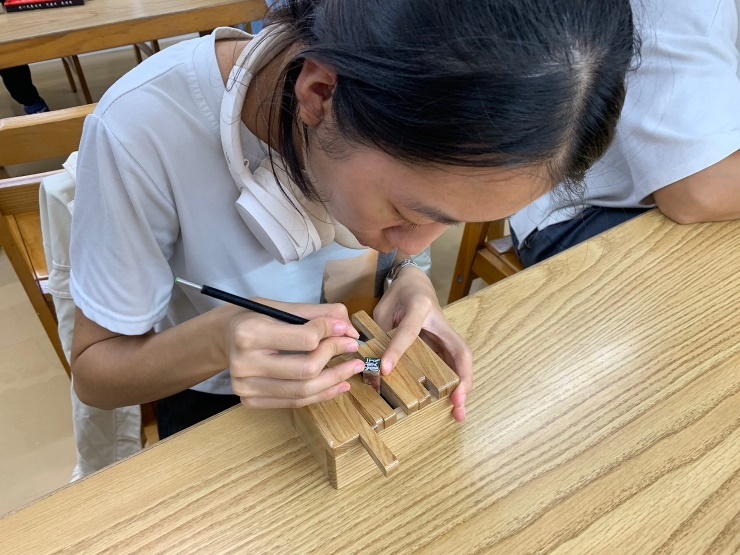
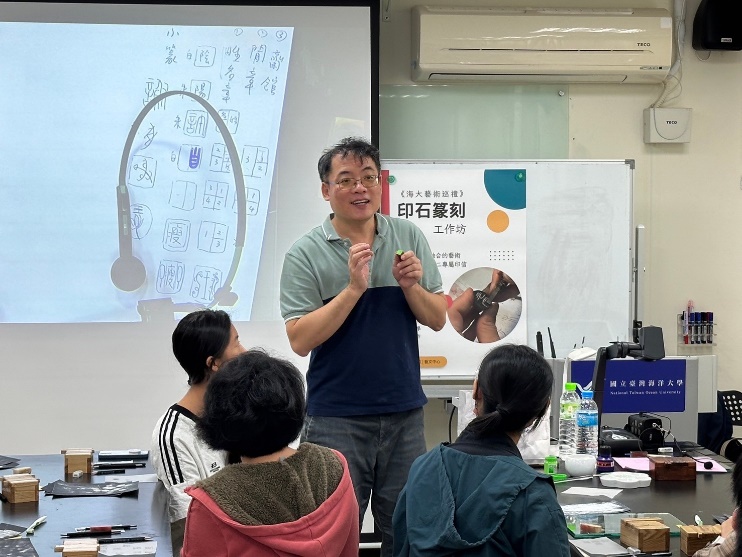
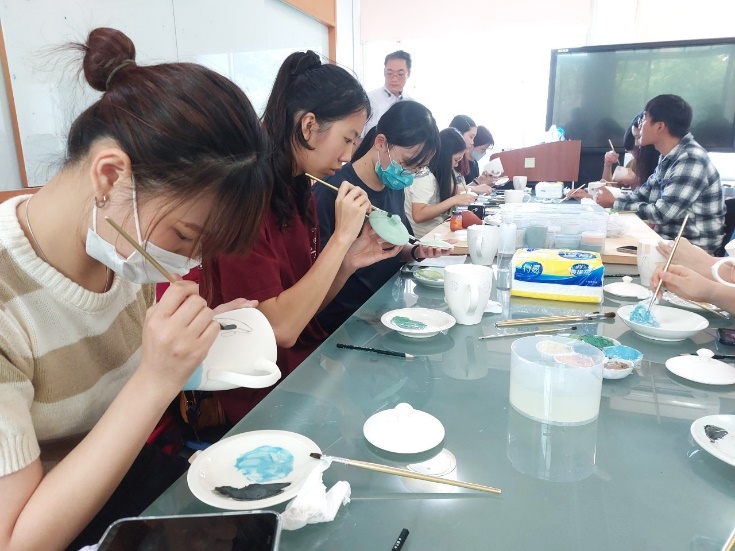
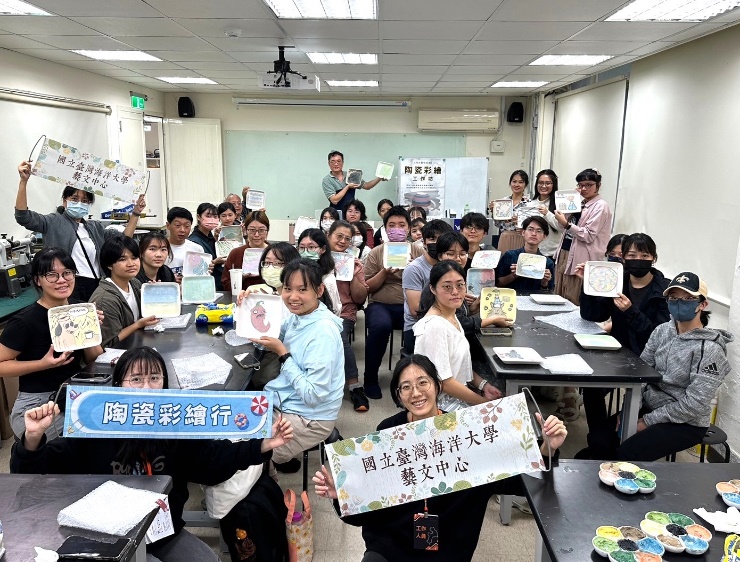
The 2024 Art Expedition featured two hands-on workshops: Ceramics Painting and Seal Carving. Students shaped bisqueware and seal stones, completing one-of-a-kind artworks that reflected both traditional craftsmanship and modern creativity. Through these experiences, they discovered the connection between art, culture, and industry. Ceramics Painting Workshop – Art and Industry in Harmony This workshop promoted cultural heritage and creative learning, encouraging students to use glaze minerals to paint bisqueware pieces and create unique designs. By working with natural materials, participants explored the expressive potential of ceramics while appreciating the precision and patience behind the craft. The program also introduced the development and challenges of Taiwan's ceramic industry, linking art practice with real-world cultural and creative sectors. It served as a meaningful example of how education and industry innovation align with the spirit of the Sustainable Development Goals (SDGs). Seal Carving Workshop – Tradition in Modern Practice Focused on passing down traditional seal engraving, this workshop integrated carving with calligraphy to cultivate artistic appreciation and skill. Students learned composition, character design, and carving techniques, creating personalized seals that merged art and identity. Through analyzing calligraphic forms and designing seal faces, they experienced how craftsmanship and creativity intertwine. The course emphasized the preservation and renewal of traditional arts within modern education, echoing the goals of cultural sustainability. Together, the two workshops showcased how art education nurtures creativity, cultural awareness, and sustainable development. By connecting traditional techniques with contemporary design, students bridged heritage and innovation—transforming learning into a hands-on journey of artistic and cultural discovery.
Sustainable impact: The 2024 "Art Tour" featured two workshop series—Ceramic Painting and Seal Carving—allowing students to engage in hands-on artistic creation that blends traditional craftsmanship with modern aesthetics. Through guided instruction and experiential learning, participants explored both the creative process and the evolution of Taiwan's cultural and art industries. This initiative aligns with SDG 4.3.2, which emphasizes public educational activities that foster lifelong learning. By integrating art practice, cultural heritage, and industry awareness, the program promotes aesthetic education, cultural sustainability, and creative innovation, reflecting the university's commitment to advancing inclusive and transformative art education.
2024年藝術巡禮分為「陶瓷彩繪工作坊」、「印石篆刻工作坊」兩系列,學生透過立體設計創作,親自觸摸尚未雕琢、上色的素胚及印石,藉由完整工作坊課程,完成獨一無二作品,在感受傳統技藝及美學真諦同時,進而了解藝術產業之演進及發展。陶瓷彩繪工作坊與藝術產業: 陶瓷彩繪旨在落實文化傳承與藝術推廣,以藝術向校園與產業紮根。課程引導學生使用釉礦為素胚上色,親手完成獨一無二的陶瓷作品,從實作中感受傳統技藝及美學真諦。透過完整設計,學員得以親身參與藝術創作,發掘材料實驗性與多元藝術潛能。工作坊並深入解析陶瓷產業的發展、挑戰與未來,提升學生對臺灣藝術產業及文創事業的認識。此舉成功結合生活與文化傳承,豐富本校藝術推廣能量,並為SDGs的優質教育與產業創新提供實踐範例。印石篆刻工作坊與藝術教育活動:印石篆刻核心為傳承篆刻藝術,深化美感教育,積極響應SDGs的優質教育與文化永續。工作坊聚焦於結合雕刻與書法的篆刻藝術,透過實作教學,引導學員深入了解其文字與圖像精髓。課程涵蓋「章法、篆法、刀法」及生活應用,從書法字體分析至印面設計,使學生學習造型編排與設計,最終刻出獨一無二的印章。藉由書畫鑑賞,提升學員對篆刻美感的鑑賞力。此舉將傳統技藝融入現代美學,豐富校園藝術能量,為文化資產的保存與創新提供具體實踐。
永續影響力: 「2024藝術巡禮」透過陶瓷彩繪與印石篆刻兩系列工作坊,讓學生從實作中體驗傳統工藝與現代美學,提升藝術素養與文化理解。活動結合藝術創作、產業發展與文化傳承的教育理念,使參與者能親手完成作品並認識臺灣藝術產業的演進。此舉屬於SDG 4.3.2所定義的「公眾教育與終身學習活動」,不僅推廣美感教育,也深化對文化永續與創意產業的認識,展現大學推動藝文教育與全民文化參與的積極作為。
Evidence: https://art.ntou.edu.tw/p/412-1091-12031.php?Lang=zh-tw
- 2024 Visual Arts 2024年視覺藝術
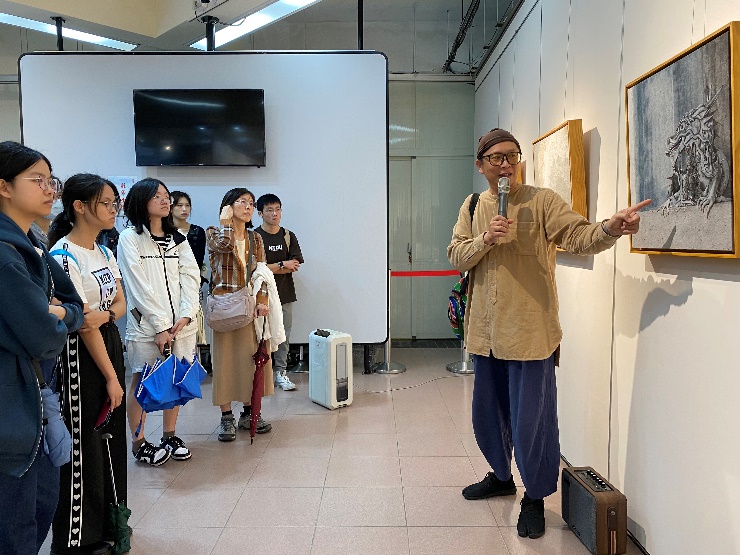
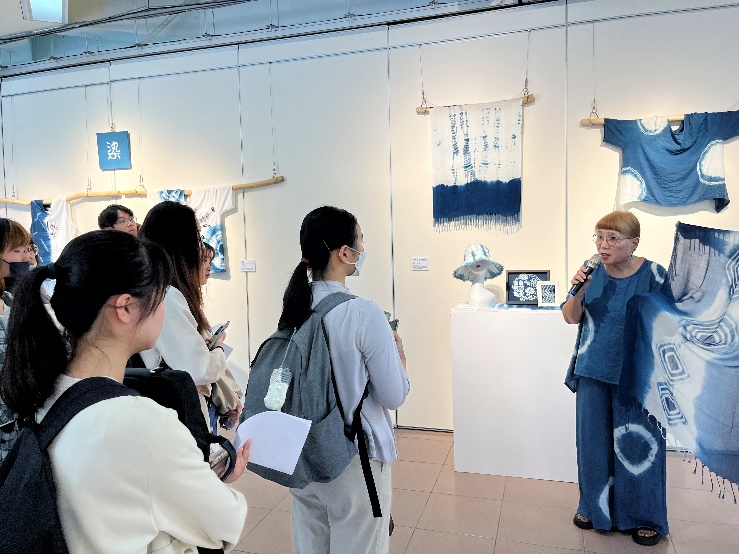
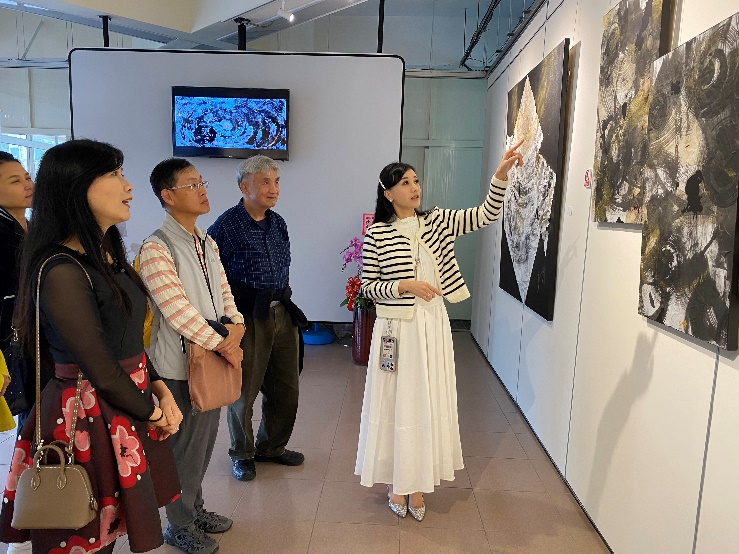
In 2024, the National Taiwan Ocean University Art Center presented seven visual arts exhibitions under the curatorial theme "Art Connecting with Nature, Creation Responding to Sustainability." Through diverse media and interdisciplinary collaboration, the exhibitions explored the dialogue between art, science, craft, and ecology. Centered on the concept of "Taking from Nature, Returning to Nature," artists incorporated minerals, plants, indigo dye, boat wood, and ink pigments into their creations, reflecting environmental awareness and cultural continuity. Ink Painting Exhibition-Cheng, Ching-Chen Cheng transforms emotional fluctuations into flowing ink compositions, where light and rhythm evoke both melancholy and healing. Her works guide audiences toward spiritual reflection and psychological balance, revealing art's capacity to nurture inner sustainability. Handcrafted Canoe Exhibition-Wen, Chih-Jung Using "boat-building" and "paddling" as metaphors, Wen reconnects people with the sea and island life. His handcrafted canoe art embodies marine culture and the aesthetics of craftsmanship, promoting environmental awareness and the preservation of maritime heritage. Indigo Dyeing Exhibition-Sun, Hsueh-Yen Through the ancient craft of indigo dyeing, Sun bridges tradition and modern creativity. Her serene blue works evoke the ocean's vitality, symbolizing cycles of nature and human life. The exhibition advocates for the preservation of cultural diversity and traditional crafts. Mineral Pigment Painting-Joint Exhibition on Mineral Pigment Art Co-curated with the New Taipei City Gold Museum, this exhibition showcased artworks made with natural mineral pigments. By presenting minerals, pigment-making, and paintings side by side, it linked earth science with art education, encouraging sustainable use of natural resources. Ink Painting Exhibition-Huang, Chung-Tai Huang's colorful ink portraits of Taiwan's Indigenous peoples capture their dignity, serenity, and connection to nature. Through fieldwork and cultural immersion, his art fosters dialogue and understanding among ethnic groups, embodying harmony between humanity and the natural world. Mineral Pigment Painting-Hung, Hao-Lun Hung refines pigments from minerals, plants, and soils gathered across Taiwan, reflecting a philosophy of "Refining Color, Tempering Art." His works revive the spirit of ancient studios that honored the Earth, advocating sustainable art practices and ecological mindfulness. Printmaking Exhibition-Chien, Tai-An Chien uses simple materials such as sticky notes and pens to explore balance, order, and identity in modern life. His minimalist approach emphasizes resource reuse and creative simplicity, promoting sustainability in both art and living. Throughout 2024, the Art Center used art as a bridge connecting nature, ecology, culture, and education. From emotional healing to marine traditions, and from ancient craft revival to environmental regeneration, each exhibition embodied the sustainable spirit of "Respecting Nature and Renewing Life." Through creative practice and educational outreach, the Center deepened the university's social responsibility (USR) and advanced its vision of sustainability through art.
Sustainable impact: The 2024 Visual Arts Exhibitions embodied the theme "Art Connecting Nature, Creation Responding to Sustainability," featuring works that merge natural materials, craftsmanship, and ecological awareness. Through diverse media—ceramics, indigo dyeing, ink painting, and printmaking—the exhibitions integrated artistic expression with environmental and cultural education. These events promoted aesthetic literacy, sustainability awareness, and lifelong learning by engaging both students and the public. This aligns with SDG 4.3.2, which emphasizes organizing public educational activities to foster inclusive and continuous learning. The initiative demonstrates the university's role in linking art, culture, and environmental consciousness, advancing sustainable education through creative practice and community engagement.
2024年共策畫7場視覺藝術展覽,展覽主軸延續「藝術連結自然、創作回應永續」的理念,透過多元媒材的應用與跨域合作,呈現藝術與科學、工藝與文化、自然與人文間的共生對話。今年展覽以「取之於自然、用之於自然」為策展核心,藝術家們以礦物、植物、藍染、舟材及墨彩等自然素材入畫,強調環境友善與文化保存的價值。透過創作與教育推廣,以藝術行動實踐SDGs,展現藝術作為社會永續的重要力量。水墨畫展-鄭晴臻個展 藝術家鄭晴臻以內心世界為出發,將個體情感的起伏化為墨彩與線條交織的旋律。作品如微光般流動,傳達憂鬱與療癒並存的精神狀態。展覽以心靈層面的「自我覺察」,引導觀者從藝術中重新感受內在平衡與心理永續的意義。手作獨木舟工藝展-溫志榮個展 本展以「造舟」與「划舟」象徵人與自然的連結。藝術家溫志榮長年推廣手作獨木舟教育,鼓勵民眾以親手造舟的方式,重新理解海洋文化與島嶼生活。展覽不僅展示造舟工藝的美學,更喚醒人們與「母親之河」共生的記憶,促進環境意識與文化傳承的共融。藍染工藝展-孫雪嚴個展 藝術家孫雪嚴以藍染技藝探索傳統工藝與當代創意的交會,透過千年歷史的植物染工法,揭示古老技術與地方文化之間的延續與再生。展覽以藍染的冷靜色調,象徵海洋深邃的生命力與包容,反映人與自然的循環關係,展現文化多樣性與傳統工藝保存的價值。礦物彩繪展-礦物彩繪創作聯展「心礦神怡」由藝文中心與新北市黃金博物館共同策展,聚焦天然礦物顏料的研究與創作,展出礦石原樣、顏料製程及彩繪藝術。展覽結合地球科學與美術教育,呈現礦物的天然成色與物理特性。觀眾可在欣賞藝術的同時理解地球資源的稀有與珍貴,推廣自然資源永續利用的理念。水墨畫展-黃中泰水墨人物畫個展 黃中泰以彩墨人物畫記錄台灣原住民族的純樸笑容與日常情感,作品透過色彩層次展現山林生活的自由與從容。藝術家深入部落,透過寫生與訪談建立文化理解,讓作品成為族群間對話的平台。藉藝術尊重多元族群文化,傳達人與自然共榮的美學價值。礦物彩繪展-洪皓倫大地原色創作展 藝術家洪皓倫親自採集台灣土地的礦岩、植物與土壤,運用古法提煉顏料,展現「煉色」與「淬藝」的自然哲學。展覽重現古代繪畫工坊的精神,以土地為師、以環境為伴,強調藝術創作應與自然共生。透過材料再生與環境意識,推動「地景即畫布」的永續創作觀。版畫展-錢泰安個展 錢泰安以便利貼為創作媒介,利用日常文具創造層疊的色彩節奏與個人情感。展覽呈現藝術家在工作與創作之間的平衡實踐,象徵現代人在有限空間中追尋自我與秩序的過程。作品不以奢華材料取勝,而以「簡約、再利用」為創作精神,傳達珍惜資源與永續生活的態度。2024年視覺藝術以藝術為橋樑,串聯自然、生態、文化與教育,展覽主題從心靈療癒到海洋文化,從傳統工藝到自然材料再造,皆圍繞「尊重自然、循環再生」的永續精神。藝文中心透過策展與教育推廣,引導觀者思考人與環境的共生關係,深化大學社會責任(USR)在藝術教育的實踐層面,持續推動以藝術實現永續的行動藍圖。
永續影響力: 「2024年視覺藝術展覽」以「藝術連結自然、創作回應永續」為策展主軸,透過陶藝、藍染、水墨、版畫等多元媒材,融合自然科學與人文藝術,深化永續教育的實踐。展覽不僅呈現環境友善創作與文化傳承,也藉策展與教育活動推廣美感學習與公眾參與,讓藝術成為推動環境意識與文化永續的教育橋樑。此舉正符合SDG 4.3.2「舉辦公眾教育與終身學習活動」的目標,展現大學透過藝術實踐優質教育與永續文化的社會責任。



Evidence:
https://www.cna.com.tw/postwrite/chi/373114?utm_source
- 2024 Oceanic Culture Graduate Student Forum 2024海洋文化研究生論壇
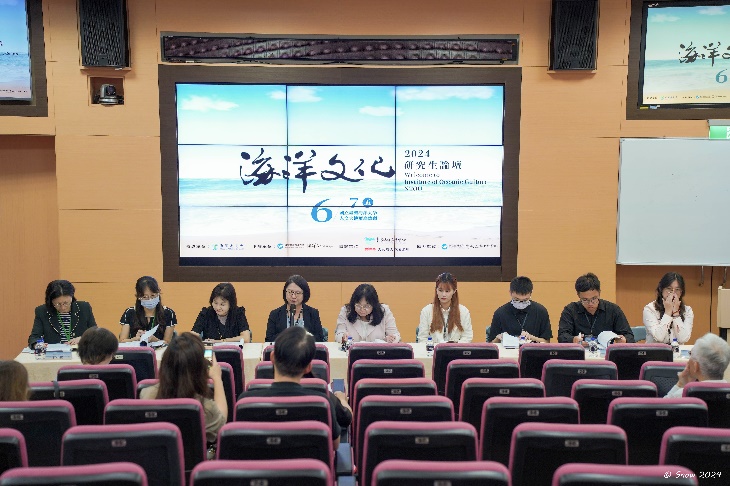
In order to promote graduate students across the country to be more concerned about marine affairs and conduct in-depth research, the Institute has opened up a new dimension and held a seminar for graduate students in addition to the previous academic activities dominated by teachers and scholars, named "2023 Oceanic Culture Graduate Student Forum", which is also scheduled to be held on June 9, 2023, the United Nations World Oceans Day, which is also China s National Oceans Day. This forum received a total of 11 submissions, of which 9 were ultimately presented. The submissions came from master''s and doctoral students from National Chengchi University, National Kaohsiung Normal University, and National Taiwan Ocean University. After the forum, 8 papers were revised based on the review of two committee members and included in the post-conference proceedings collection. In total, 61 participants attended the forum, including guests, moderators, discussants, presenting students, and registered attendees. These participants consisted of: 1. Teachers, scholars, and experts in relevant fields from academia and various educational institutions; 2. Graduate and doctoral students in related fields from universities; 3. Local cultural and historical workers; and 4. Members of the public interested in the related topics.
Sustainable impact: The "2023 Graduate Forum on Marine Culture" centered on graduate students, encouraging academic exchange across universities and engaging scholars, teachers, and local cultural workers in dialogue. Held in alignment with World Oceans Day, the forum highlighted marine culture studies and promoted public awareness of ocean sustainability. This initiative aligns with SDG 4.3.2, which emphasizes organizing public educational activities to advance lifelong learning. By providing an open, interdisciplinary platform for research dissemination and collaboration, the forum strengthened graduate students' academic competence, public engagement, and commitment to sustainable cultural education.
本所為促進全國研究生能更加關心海洋事務,深入相關的研究,因此另闢面向,在過往以老師、學者為主的學術活動之外,特地舉辦以研究生為主的研討會,命名為「2023海洋文化研究生論壇」,會議日期亦特地配合6月8日聯合國世界海洋日,同時也是我國的國家海洋日,定在2023年6月9日舉辦。此次論壇共11篇投稿,最後發表9篇,投稿學校來自國立政治大學、國立高雄師範大學及國立臺灣海洋大學之碩、博士生,會後有8篇經二位審查委員審查修改後收錄會後論文選集。論壇中與會來賓、主持人、與談人、發表學生及報名來賓共計61人,包括:1、學界及各級學校相關領域之教師、學者及專家;2、大專院校相關領域研究生、博士生;3、地方文史工作者;關心相關議題之社會人士。
永續影響力: 「2023海洋文化研究生論壇」以研究生為主體,邀請多校碩博士生發表海洋文化研究成果,並與學者、教師及地方文史工作者交流,促進學術與社會的雙向對話。活動以世界海洋日為契機,結合教育、研究與公共參與,推廣海洋文化議題與永續理念。此舉屬於SDG 4.3.2「舉辦公眾教育與終身學習活動」之實踐案例,不僅提供跨校研究平台,也強化研究生的專業素養與社會責任感,展現大學推動學術普及與文化教育的持續力。

Evidence: https://ioc.ntou.edu.tw/p/132-1050-2128,c175-1.php?Lang=zh-tw
- 2024 International Conference on Oceanic Culture & The 11th East Asian Island and Ocean Forum (EAIOF) 2024海洋文化國際學術研討會暨第十一屆東亞島嶼與海洋國際論壇
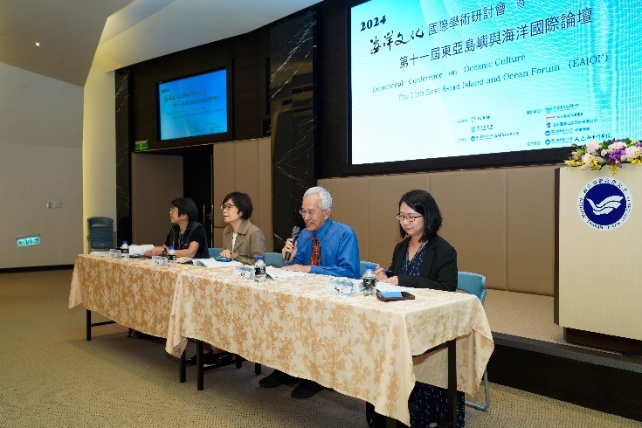
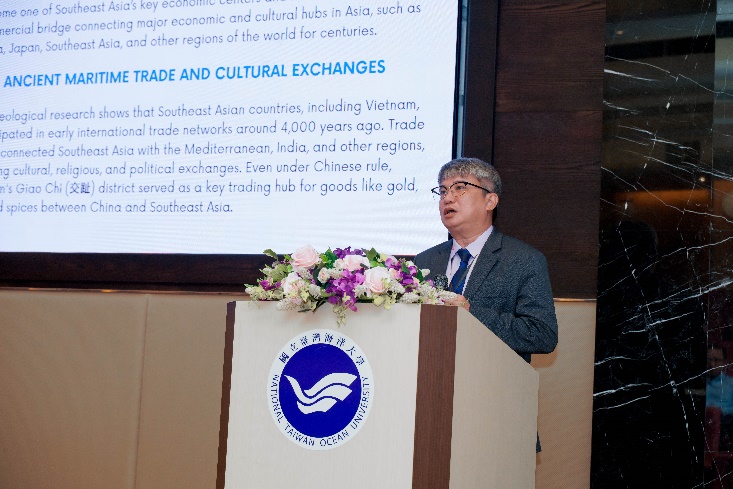
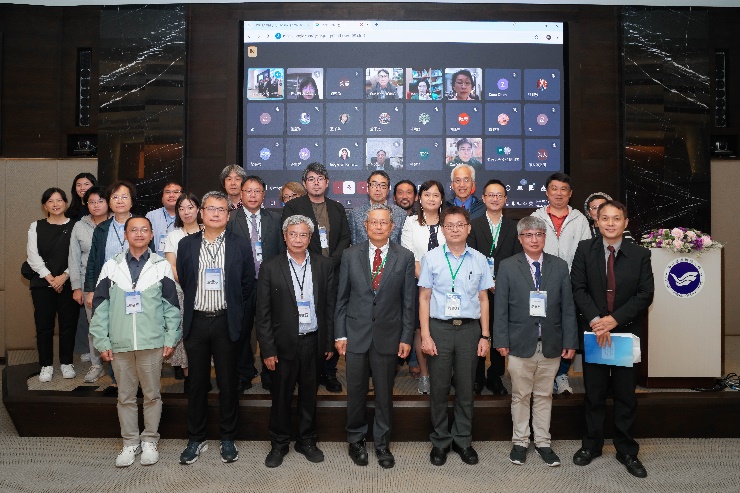
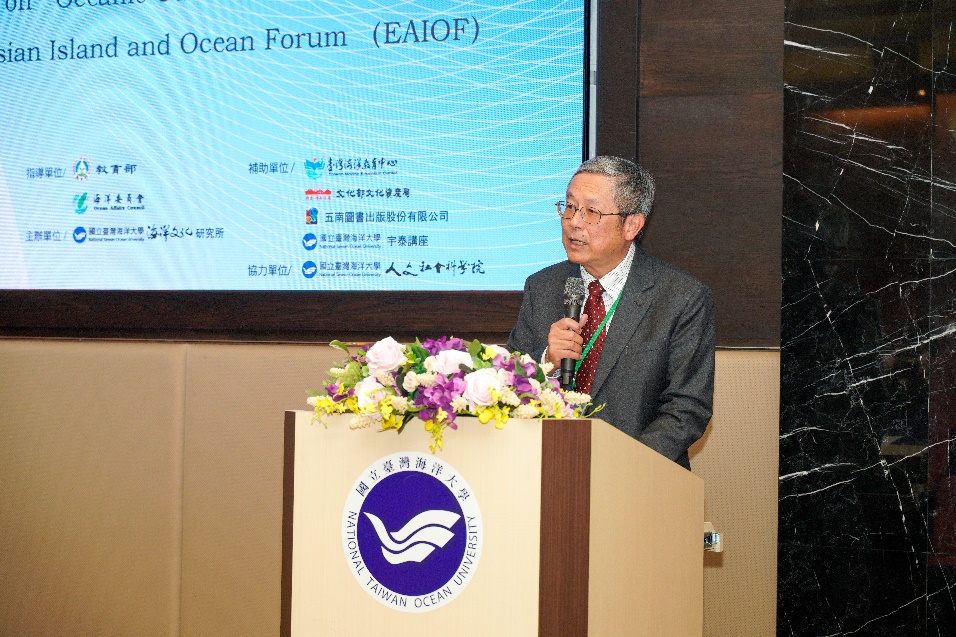
2024 Marine Humanities International Conference and EAIOF Summary With the theme Islands • Humanities • Sustainable Ocean, the Institute of Marine Culture organized the 2024 International Conference on Marine Culture in the morning, integrating various indicators of the UN Sustainable Development Goals (SDGs). The keynote speaker was Prof. Tran Duc Anh Son, Senior Lecturer at Dong A University in Vietnam and currently a Visiting Scholar at the Institute of Taiwan History, Academia Sinica. In the afternoon, the Institute hosted the 11th East Asia Islands and Oceans Forum (EAIOF) as the rotating organizer, featuring Distinguished Professor Yi-Yuan Chen from the Department of Chinese Literature at National Cheng Kung University as the keynote speaker. The forum aims to promote academic cooperation and exchange on diverse issues related to human culture and ecological environments within the East Asian maritime and island re
Sustainable impact: The "2024 International Conference on Marine Culture" and the "11th East Asia Islands and Oceans Forum" embodied the theme Islands, Humanity, and a Sustainable Ocean, gathering scholars from Japan, Korea, Vietnam, and Taiwan to foster cross-national dialogue. These efforts align with SDG 17.2.2 and 17.2.4 by strengthening global academic partnerships and international cooperation in higher education. The open participation of faculty, students, and the public fulfills SDG 4.3.1 and 4.3.2 by providing accessible educational opportunities and promoting lifelong learning. Through paper presentations, cultural site visits, and heritage discussions, the event advanced public understanding of marine culture and sustainability, exemplifying the university's commitment to integrating education, research, and community engagement within the SDG framework.
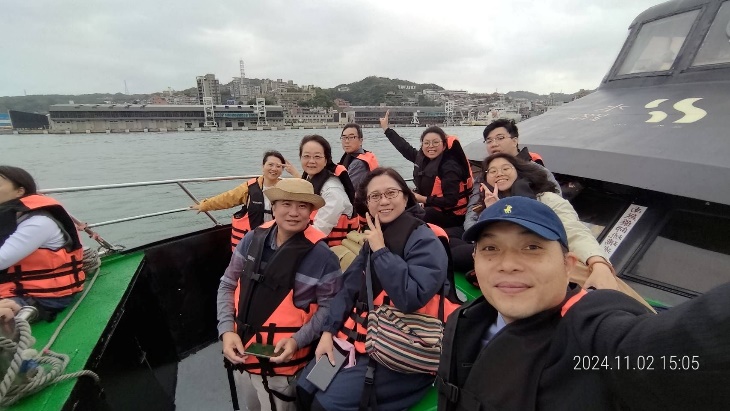
海文所以「島嶼•人文•永續海洋」為主題,結合SDGs的各項指標,在上午舉辦「2024海洋文化國際學術研討會」,邀請越南東亞大學資深講師陳德英山教授擔任主題演講人,他現在同時也是中央研究院臺灣史研究所訪問學人;下午則是輪值承辦「第十一屆東亞島嶼與海洋國際論壇」,特邀國立成功大學中文系陳益源特聘教授擔任主題演講人,此論壇為發展東亞區域海洋與島嶼區域中有關人類文化及生態環境多元議題之合作交流與學術活動,同時也建立了東亞區域海洋與島嶼永續而共有同享之學術交流平臺。會議原邀請1位越南學者、4位韓國學者及6位日本學者,然因康芮颱風襲台,導致4位韓國學者的航班取消,改為線上與會;出席貴賓包括上午線上開幕致詞的海洋大學許泰文校長、下午開幕致詞的國家海洋研究院陳建宏院長、海大人文社會科學院蕭聰淵院長,以及長榮海事博物館陳鈺祥館長、海大李明安副校長及范佳銘研發長、永續中心張文哲主任、法政系陳俊榕主任等,線上線下總共近百位人員參與。 主題演講之後,安排了7場次共20篇論文,主持人、發表人、特約討論人來自日本關西大學、日本神奈川大學、日本鹿兒島大學、日本南山大學、韓國國立釜慶大學、韓國國立木浦大學、中央研究院、國家海洋研究院、國立成功大學、國防大學、國立臺灣藝術大學、國立雲林科技大學、國立澎湖科技大學、台北海洋科技大學、世新大學、基隆市政府、國立海洋科技博物館;此次研討會與會來賓、主持人、特約討論人及發表學者共計42人,報名線上參加有80人,與會人員包括:1、學界及各級學校相關領域之教師、學者及專家;2、大專院校相關領域研究生、博士生;3、地方文史工作者;關心相關議題之社會人士。會後還安排了「海洋文化考查參訪行程」,從基隆搭船出海回看臺灣東北角景點,輔以相關歷史背景及文化內容解說,並安排參觀紅毛城、英國領事官邸、小白宮、砲臺等景點,並由專人導覽,使與會來賓能夠更深入了解臺灣海洋文化之脈絡與內涵。於研討會發表論文之學者可投稿《海洋文化學刊》,此對學術成果研究發表和成果分享甚有助益。基於過去辦理的成果,本所將繼續辦理相關活動,深耕並擴展東亞與臺灣海洋文化研究的各種面向與內涵價值。 此次會議的辦理結合「第十一屆東亞島嶼與海洋國際論壇(EAIOF)」,海大則是自2016年之後再次承辦,展現臺灣於東亞海洋文化之地位,更期望藉此強化國內外的研究合作,明年度論壇預計在日本鹿兒島大學舉辦。
永續影響力: 本次「海洋文化國際學術研討會」與「第十一屆東亞島嶼與海洋國際論壇」以「島嶼•人文•永續海洋」為主題,邀集日本、韓國、越南及臺灣學者進行跨國論文交流與學術對話,展現SDG 17.2.2與17.2.4強調的「跨國夥伴合作與高等教育國際交流」精神。論壇亦開放師生及社會人士參與,分享研究成果與文化體驗,符合SDG 4.3.1、4.3.2推動「全民可近的學術資源與終身學習」。活動結合學術研討與文化實地參訪,深化對海洋文化、歷史與環境永續的理解,展現大學整合教育、研究與社會實踐的永續行動力。
Evidence:
https://ioc.ntou.edu.tw/p/132-1050-1998,c174-1.php?Lang=zh-tw
https://usr.ntou.edu.tw/var/file/90/1090/img/1658/897205609.pdf
- Development and cooperation of aquatic products and agricultural products 水產品及農產品開發與合作
Food-borne diseases are one of the food safety issues of global concern, and the impact caused by microorganisms is even greater. According to theliterature review data, the proportion of foodborne pathogens that may develop drug resistance is not low, and drug-resistant strains have also been found in many food categories. In order to understand whether drug-resistant microorganisms are contained in the food manufacturing process, this project is used to understand food manufacturing The background value of microorganisms in the process, as well as whether the processes and products at different stages contain drug-resistant microorganisms, and relevant management regulations are proposed to facilitate future policy formulation, so as to reduce the probability of food-borne pathogens spreading and causing disease, and thereby promote food safety.
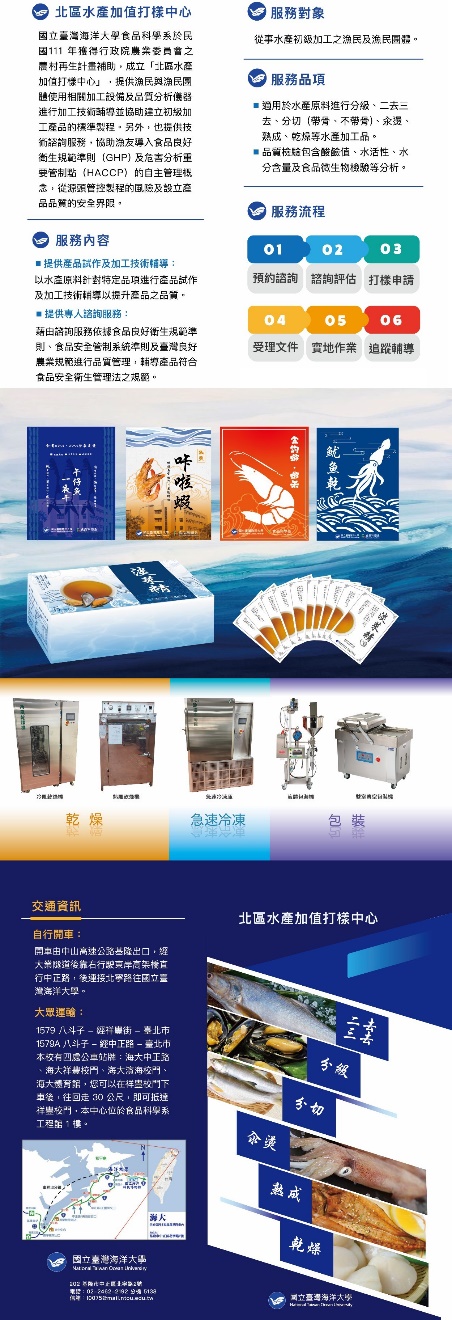
Sustainable impact: The Northern Aquatic Product Value-Added Prototyping Center provides one-stop consultation services for fishers under the core principles of "integration, value addition, and innovation."The center offers comprehensive guidance, including consultation, prototyping, small-scale production, and standardized packaging services, to enhance product value and promote sustainable fisheries. By integrating academic expertise with social enterprise collaboration, the program revitalizes fishing villages, strengthens production efficiency, and improves local livelihoods. It also advances product refinement, safety assurance, and local food innovation. This initiative exemplifies SDG 4.3.2 by promoting community education and lifelong learning, enabling local stakeholders to acquire practical knowledge and apply sustainable production concepts through university–industry cooperation.
北區水產加值打樣中心提供漁民一站式諮詢服務,以「整合、加值、創新」的核心規劃,提供產品加值創新的永續經營機制,一條龍輔導措施包括整合諮詢、打樣輔導、試量產、公版包裝服務等,以提高水產品價值。結合產業發展推動漁村再生,推動學術與社會企業,跨域協助漁產業經營,強化產品效益與改善漁業生產環境,提升農村生活品質。推動農漁業產品精緻化,形塑自有品牌特色;推動在地生產、產品多元行銷,加強製程安全,開發在地食材新需求,整體行銷國產安全、優質特色產品。
永續影響力: 北區水產加值打樣中心以「整合、加值、創新」為核心理念,提供漁民從產品諮詢、打樣、試量產到公版包裝的全方位輔導服務,協助漁民進行產品創新與永續經營。此中心結合學術能量與社會企業精神,推動漁村再生與在地產業升級,並藉由教育輔導與跨域合作,提升漁民專業技能與市場競爭力。此舉落實了大學社會責任(USR)及終身教育精神,呼應 SDG 4.3.2 「確保所有人享有可負擔且具品質的技職與終身學習機會」。
Evidence:
https://fs.ntou.edu.tw/p/412-1073-10465.php?Lang=zh-tw
https://usr.ntou.edu.tw/var/file/90/1090/img/1658/211710434.pdf
- Industrial Visit and Learning Trip 企業參訪學習之旅
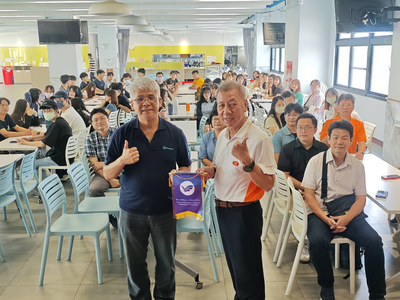
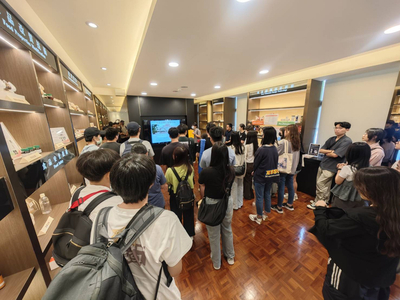
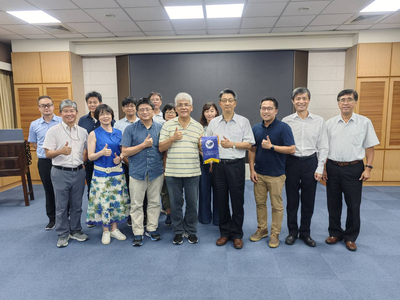
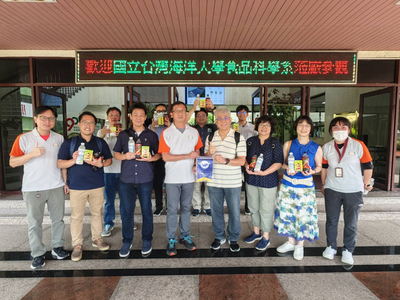
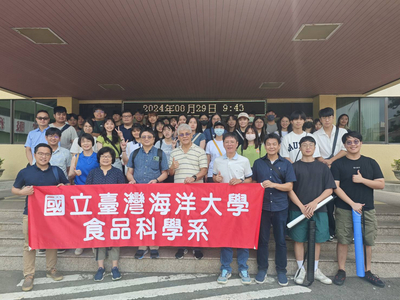
By visiting food manufacturing, R&D, and quality assurance units, students can understand food industry processes and sustainability strategies, enhance their practical career experience, and promote the integration of learning and application as well as industry-academia connections.
Sustainable impact: Through field visits to food manufacturing, R&D, and quality assurance facilities, students gained firsthand understanding of the food industry's production processes and sustainability strategies. The experience enhanced practical knowledge, bridged the gap between theory and application, and strengthened industry awareness. By engaging directly with professionals, students developed a clearer vision of career paths in sustainable food innovation. This initiative supports SDG 4.3.2 by fostering lifelong learning opportunities and industry–academia collaboration, illustrating the university's role in integrating education, practice, and sustainability.
透過參訪食品製造、研發與品質保證單位,學生了解食品產業流程與永續策略,提升職涯實務經驗,促進學用接軌與產學連結。
永續影響力: 學生透過參訪食品製造、研發與品質保證等單位,實際了解食品產業的生產流程與永續經營策略,培養產業洞察與實務經驗。此活動讓學生能將課堂所學應用於真實場域,縮短學用落差,強化對永續食品產業的理解與興趣。同時,也促進學校與企業之間的合作交流,落實 SDG 4.3.2「推動社會教育與終身學習機會」,展現高等教育在培養實務能力與永續觀念上的貢獻。

Evidence: https://fs.ntou.edu.tw/p/132-1073-2169,r14-1.php?Lang=zh-tw
- Workshop on Practical Skills and Professional Knowledge Enhancement in Optoelectronics Courses 光電專業課程的實務能力及專業知識提升主題課群成果展
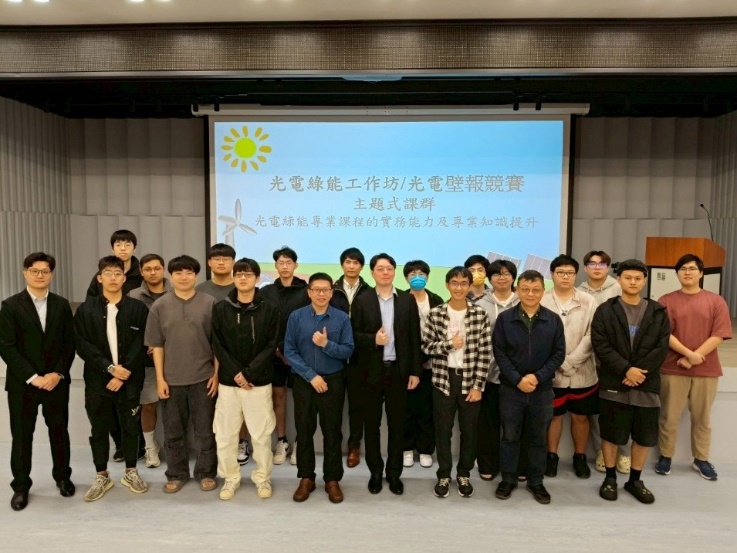
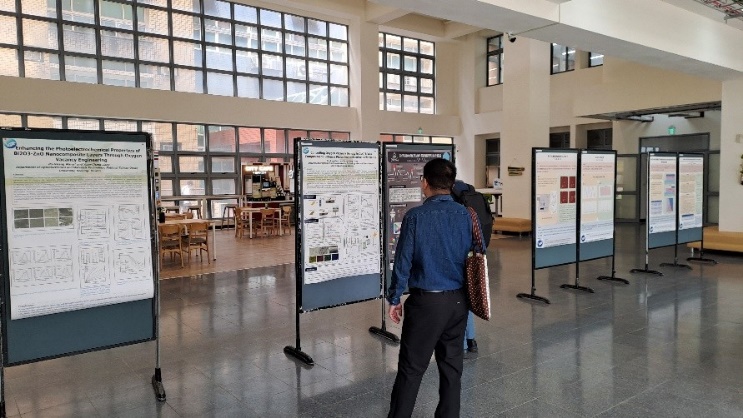
The Department of Photonics and Materials Science and Engineering at National Taiwan Ocean University will integrate the complementary aspects of three courses—Seminar Discussion, Modern Physics, and Laser Physics—to hold a half-day or full-day workshop during the 113th academic year. The workshop aims to enhance students' practical skills and professional knowledge in the field of photonics and physics. External experts and scholars specializing in photonics will be invited to give keynote lectures, and students will present poster reports to develop their data processing, knowledge organization, and presentation skills. An award ceremony will be held at the end of the event to recognize outstanding student performances. Additionally, related industry representatives will be invited to participate, fostering students' understanding of industry needs. Through interactions with visiting experts, scholars, and industry professionals, participating faculty members can also boost their teaching enthusiasm and practical experience, achieving mutual growth in teaching and learning, and further strengthening students' self-learning and communication abilities.
Sustainable impact: The Department of Optoelectronics and Materials Technology integrated three complementary courses—Seminar, Modern Physics, and Laser Physics—to host a one-day workshop aimed at strengthening students' practical and professional competencies in optoelectronic physics. The event featured guest lectures by industry experts, student poster presentations with awards, and participation from related companies to enhance understanding of real-world applications and industry demands. Faculty members also benefited through academic–industry interaction, enriching both teaching quality and research engagement. This initiative aligns with SDG 4.3.2 by promoting practical, research-oriented higher education and fostering collaboration between academia and industry to cultivate well-rounded, employable graduates.
國立臺灣海洋大學光電與材料科技學系於113學年度結合【專題討論】、【近代物理】及【雷射物理】三門課程的互補性,舉辦半天或一天的Workshop,期望藉此提升修課學生在光電物理領域的實務能力及專業知識。活動將邀請校外光電領域的專家學者進行專題演講,並安排學生進行海報報告,以訓練其數據處理、知識整理與表達能力,活動結束前將舉行頒獎儀式表彰優秀表現的學生。此外,將邀請相關產業廠商參與,促進學生對業界需求的了解。透過與來訪專家學者及廠商的交流,參與教師亦能增強教學熱情與實務經驗,達成教學相長的目標,進一步強化學生的自學及溝通能力。
永續影響力: 光電與材料科技學系結合「專題討論」、「近代物理」及「雷射物理」課程舉辦Workshop,邀請校外專家進行專題演講,並安排學生海報發表與頒獎,藉此訓練學生的研究表達與數據整理能力。活動亦邀請產業廠商參與,讓學生了解業界需求並提升就業競爭力。同時教師也能藉與專家互動增進教學熱忱與實務經驗。此活動落實SDG 4.3.2「推動高等教育與產業實務接軌」,展現學校在培育具專業知識與創新能力人才方面的努力。
Evidence:
https://omt.ntou.edu.tw/p/16-1064-110957.php?Lang=zh-tw
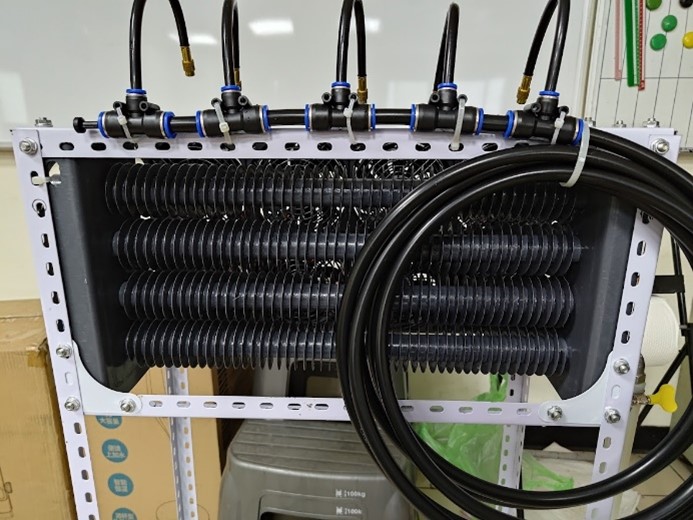
- Cold air steam condenser tube rupture simulation test and improvement suggestions Condenser tube rupture engineering consultation and troubleshooting plan 冷空氣蒸汽冷凝器破管模擬試驗及改善建議凝器破管工程諮詢與排除計畫
Sustainable impact: The Neihu Incineration Plant of the Taipei City Environmental Protection Bureau, Taiwan's first high-efficiency cogeneration waste-to-energy facility, processes waste to reduce volume, recover energy, and promote circular economy practices. When pipe leakage occurred in its steam condenser system, the plant commissioned the Department of Marine Engineering at National Taiwan Ocean University (NTOU) to assist with diagnosis and technical improvement. This collaboration exemplifies how academic expertise contributes to solving real-world industrial challenges while providing students with hands-on experience in sustainable engineering. It demonstrates the integration of education, research, and practice toward cleaner production and energy efficiency. The project aligns with SDG 17.3 (industry-academia collaboration for sustainability), SDG 4.3.2 (practical learning and industrial engagement), and SDG 4.3.3 (bridging education with applied innovation).
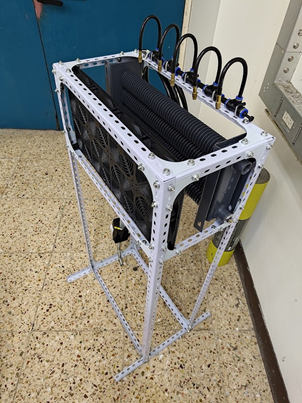
臺北市政府環保局內湖垃圾焚化廠是為解決臺北市隨著都市發展而急速增加的垃圾,該廠為國內首座大型高效能利用垃圾焚燒產生蒸汽及發電的汽電共生廠。垃圾透過焚燒可燃物質的方式,減少體積至原來的10%,將飛灰穩定化後送至衛生垃圾掩埋場堆置; 底渣則招標出售作為建築或道路鋪設的填充材料,產生的高溫高壓蒸汽則帶動蒸汽渦輪機產生電力,可供廠區電力使用或出售給台電公司,達到廢棄物資源循環再利用,同時垃圾減量與安定化的目標。 該廠廠內氣冷式蒸汽冷凝器管的部分熱交換器管發生破管洩漏,為避免類似破管情形持續發生,並逐步擴大,影響整個焚化爐的運作,因此委託國立臺灣海洋大學輪機工程學系實驗室協助解決。
永續影響力: 永續影響力(全符合):臺北市政府環保局內湖焚化廠作為全國首座高效能汽電共生廠,透過焚燒廢棄物進行減量與再利用,實現循環經濟與能源回收。然而因蒸汽冷凝器破管問題,為避免系統性損害,該廠特別委託國立臺灣海洋大學輪機工程學系協助檢測與改善。此次合作不僅展現大學科研團隊於能源與工程維護領域的專業能力,也提供學生實際參與產業問題解決的機會,深化理論與實務結合。此案落實SDG 17.3「強化產學合作推動永續技術」、SDG 4.3.2「促進學生實務經驗學習」、及SDG 4.3.3「提升教育與社會連結的應用學習」。
Evidence:
- Assisting Keelung's primary and secondary schools and communities in promoting legal education 協助基隆地區中、小學及社區推動法治教育
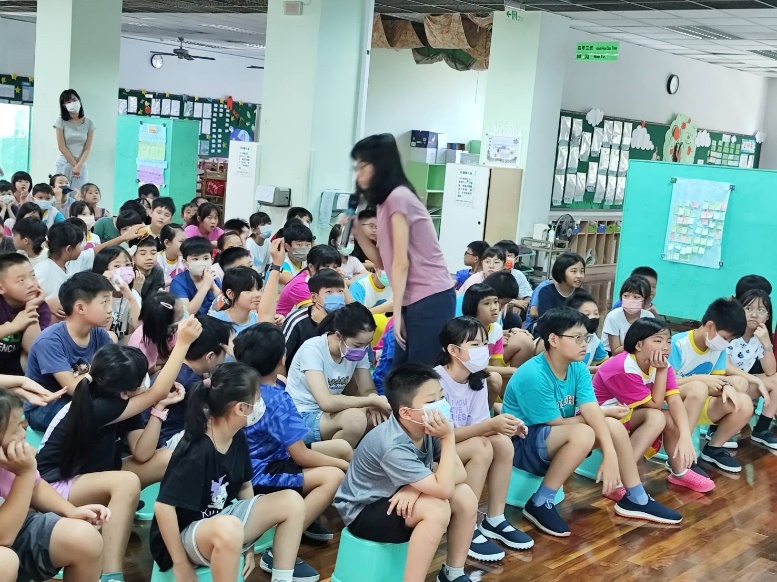
Purpose: To organize legal lectures, legal education, and discussions on related legal issues primarily in schools in the Keelung area. Process: Through discussions between speakers and civics teachers and instructors from various schools, the speakers will gain an understanding of the legal knowledge taught in high schools, thereby strengthening students'' basic legal knowledge and concepts. Effectiveness: A total of 12 legal education activities were conducted this year.
Sustainable impact: This initiative focuses on promoting civic and legal literacy by organizing a series of legal education seminars across high schools in the Keelung area. The program aims to strengthen students' understanding of fundamental legal concepts and civic responsibility. Each session includes expert lectures and panel discussions with civic education teachers and instructors, allowing mutual exchange and curriculum alignment between high schools and universities.A total of 12 sessions were held during the year, fostering collaboration among regional schools and enhancing the accessibility of quality legal education. The program not only improved students' legal awareness but also built a bridge between secondary and higher education institutions, aligning with the university's mission of social responsibility and lifelong learning.This initiative supports SDG 4.3 indicators by expanding access to inclusive education (4.3.1–4.3.2), enhancing academic-industry-community collaboration (4.3.3–4.3.4), and promoting educator professional development and engagement (4.3.5).
活動目的:主要在基隆地區之學校舉辦法律專題演講、法治教育及討論相關法律問題。 活動過程:透過講者與各校公民老師、教官之座談,以利演講者了解高中所教授之法律知識,以更加健全學生基本之法律常識與概念。 活動效益:本年度共計執行完成12場次法治教育活動。
永續影響力: 本活動以推動公民法治教育為核心,於基隆地區各高中舉辦法律專題講座及討論課程,旨在深化學生法律素養與公民意識,協助建立正確的法治觀念。講者除進行專題演講外,亦與各校公民老師、教官進行座談,針對高中法治教育內容交換意見,以強化教學實務與學習需求之連結。本年度共完成12場次活動,涵蓋基隆地區主要學校,形成校際合作與知識共享的教育網絡。此計畫不僅強化學生的基本法律常識與社會責任感,也促進高中與大學間的教育銜接與經驗交流,展現大學作為教育推廣與社會責任實踐者的角色。整體符合 SDG 4.3 系列指標:4.3.1–4.3.2:擴大教育與技能培訓的可近性與多樣化;4.3.3–4.3.4:促進大學與高中教育的接軌及社區參與;4.3.5:強化教師與教育工作者的專業成長與合作交流。

Evidence:
https://usr.ntou.edu.tw/var/file/90/1090/img/1658/125388933.pdf
https://usr.ntou.edu.tw/var/file/90/1090/img/1658/532978779.pdf
- Assist with legal consultation services in the Keelung area 協助基隆地區法律諮詢服務
Purpose: People's lives are closely intertwined with the law, and a lack of legal knowledge often puts them in a difficult position when facing problems. Process: People often imagine legal issues as involving court proceedings, leading them to believe that legal matters are laborious, tedious, and serious. However, legal consultations can help people understand the issues at issue and better determine whether litigation is warranted or whether mediation or conciliation can be used to resolve the dispute. With this in mind, the National Taiwan Ocean University Legal Services Club has hired attorneys to assist graduate students in conducting legal consultations, addressing legal issues raised by the general public and providing legal insights for reference. Benefits: Legal consultations were held every Monday, with a total of 20 sessions conducted.
Sustainable impact: This initiative by the NTOU Legal Service Society aims to enhance public legal literacy and promote civic justice. Collaborating with professional legal consultants, graduate students provide weekly free legal consultation sessions, assisting citizens in identifying legal issues, understanding litigation procedures, and exploring alternative dispute resolutions such as mediation or settlement.A total of 20 legal service sessions were held throughout the year, covering topics including civil disputes, labor issues, and consumer rights. The program not only empowers citizens with legal knowledge but also serves as an experiential learning platform for law students, enabling them to apply academic theory in real-world contexts.Through community engagement and interdisciplinary mentorship, this project exemplifies the integration of education, service, and social responsibility, aligning with SDG 4.3 indicators—ensuring inclusive lifelong learning opportunities (4.3.1–4.3.2), promoting practice-based education (4.3.3–4.3.4), and enhancing professional competence and civic participation among educators and students (4.3.5).
活動目的:人民生活與法律息息相關,而缺乏法律知識往往使民眾在面對問題時陷入窘境。 活動過程:民眾對處理法律問題的想像往往停留於上法院對簿公堂,使得他們認為法律問題既勞師動眾又沉悶嚴肅。然而,進行法律諮詢能夠讓民眾了解問題的爭點,也能較能判斷該問題是否需要提起訴訟,或能以調解或和解協調爭端。國立臺灣海洋大學法律服務社以此為宗旨,特聘律師顧問協助研究生舉辦法律面談諮詢服務,受理一般民眾法律問題,提供法律見解以供參考。 活動效益:於每週一舉行法律諮詢,共計辦理二十次法律服務諮詢活動。
永續影響力: 本活動以「提升民眾法律素養、推動法治社會」為核心宗旨,透過國立臺灣海洋大學法律服務社的學生與律師顧問合作,定期辦理法律面談與諮詢服務,協助一般民眾釐清法律爭點、了解訴訟程序,並提供專業法律見解作為參考。此計畫以每週一為固定諮詢日,全年共辦理二十場次,內容涵蓋民事、家庭、消費糾紛及勞資爭議等議題。活動不僅協助民眾以理性、非對抗方式解決爭端,也讓法律系學生得以在實務中鍛鍊面談與法律分析能力,達成學用合一的教學目標。藉由社區參與與專業輔導機制,該活動落實教育公平、終身學習與社會責任精神,具體呼應 SDG 4.3 系列指標:4.3.1–4.3.2:促進全民可近且具包容性的教育機會;4.3.3–4.3.4:推動實務導向教學與跨域學習;4.3.5:強化教職員與學生專業能力及社會參與。

Evidence:
https://ils.ntou.edu.tw/p/406-1048-53788,r1198.php?Lang=zh-tw
https://usr.ntou.edu.tw/var/file/90/1090/img/1658/190357791.pdf
- Lectures on Oceanic Culture 海洋文化專題演講
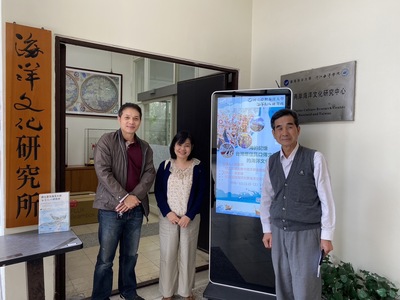
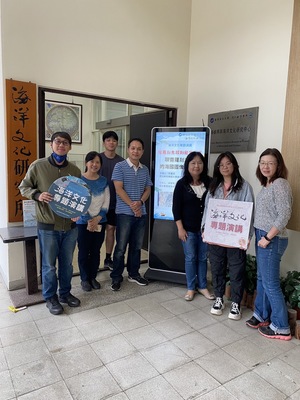
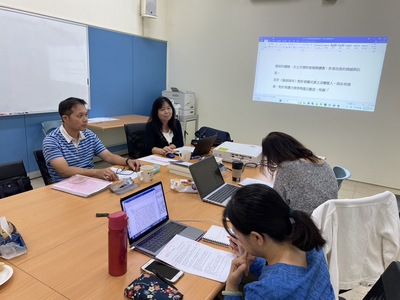
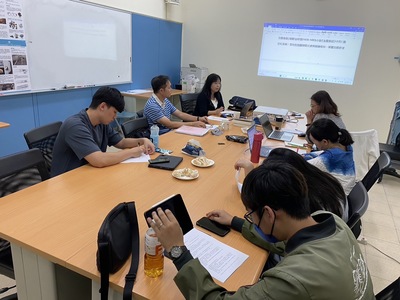
The IOC invites several scholars from various disciplines related to oceanic culture each semester to share their theories and research findings. A total of seven presentations were held in 2024:
|
2024/03/09 |
Between God and Man! The Taoist Priest as a Messenger of the Dharma |
|
2024/05/03 |
A Young Country Surrounded by the Sea: Stories from Timor-Leste |
|
2024/05/09 |
Outcomes and Social Impact of the Hong Kong Urban Renewal Fund: Scope, Framework, and Impact |
|
2024/05/26 |
Why Did I Succeed in Starting a Business in Keelung Waimushan? |
|
2024/11/01 |
From the Rakshasa Ghost Kingdom to the Dragon Palace Sea City: Liaozhai’s Metaphors of the Sea Kingdom |
|
2024/11/15 |
Memories of the Sea: Maritime Culture in the Oral Literature of Taiwan’s Indigenous Peoples |
|
2024/12/13 |
Civilization in the Desert – Israel and Egypt: Cross-Cultural Reflections on Water, Faith, and Survival. |
These lectures not only enrich the academic dialogue on oceanic and maritime culture but also inspire interdisciplinary perspectives connecting history, religion, and contemporary society.Sustainable impact: In 2024, the Graduate Institute of Marine Culture, National Taiwan Ocean University, organized seven cultural lectures featuring experts from academia, government, and industry.Topics ranged from religious rituals and urban renewal to indigenous maritime traditions, entrepreneurship, and cross-cultural marine imagery, reflecting the diverse dimensions of ocean culture.By integrating these lectures into the institute's curriculum, students deepened their understanding of the social, historical, and symbolic meanings of the sea, while strengthening critical thinking and humanistic literacy.This program not only enhances cultural education but also fosters interdisciplinary perspectives and community engagement, aligning with SDG 4.3.2, which emphasizes improving the quality and inclusiveness of higher education through cultural enrichment and sustainable learning.
海洋文化研究所(IOC)每學期邀請多位專精於海洋文化相關領域的學者,分享他們的理論與研究成果。2024年共舉辦七場專題講座:
2024/03/09《神與人之間!道士作為弘法的使者》
2024/05/03《被海洋包圍的年輕國家:東帝汶的故事》
2024/05/09《香港市區重建基金的成果與社會影響:範疇、架構與成效》
2024/05/26《我為何能在基隆外木山成功創業?》
2024/11/01《從羅剎鬼國到龍宮海市:〈聊齋〉中的海洋王國意象與隱喻》
2024/11/15《海之記憶:臺灣原住民族的口傳文學與海洋文化》
2024/12/13《沙漠中的文明——以色列與埃及:關於水、信仰與生存的跨文化思考》
這系列講座不僅豐富了海洋與海事文化的學術交流,也啟發了融合歷史、宗教與當代社會的跨領域視野。
永續影響力: 國立臺灣海洋大學海洋文化研究所於2023年辦理7場「海洋文化專題講座」,邀請來自產官學界之專家學者,分享其於海洋文化研究與實踐領域的成果。講座主題多元,涵蓋宗教儀式、城市發展、創業經驗、文學象徵及原住民海洋觀等,呈現海洋文化的多重面貌。透過講座與課程結合,學生不僅增進對海洋文化意涵的理解,亦培養人文素養、跨域思考與文化比較能力。活動同時深化學生對「海洋文化與社會互動」的體認,促進大學教育與地方、國際文化對話的連結,體現 SDG 4.3.2 所強調的「以教育推動多元文化理解與永續發展」之核心目標。
Evidence: https://ioc.ntou.edu.tw/p/132-1050-2016,c158-1.php?Lang=zh-tw
- Marine Education Camp 海洋教育營
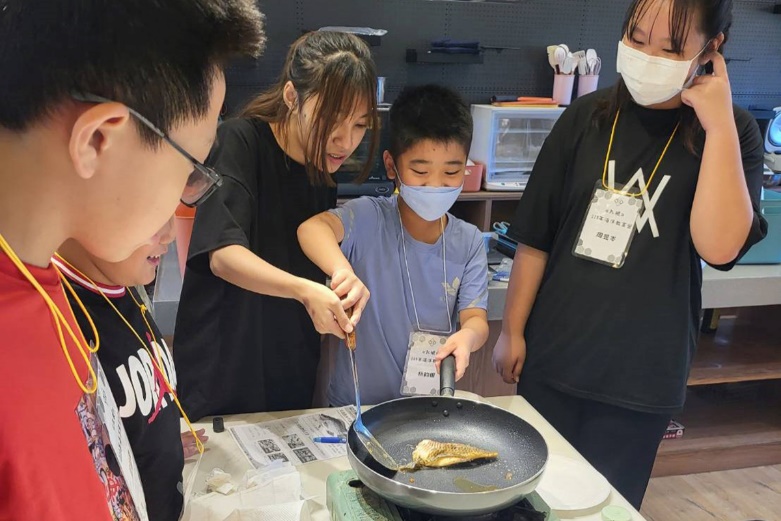
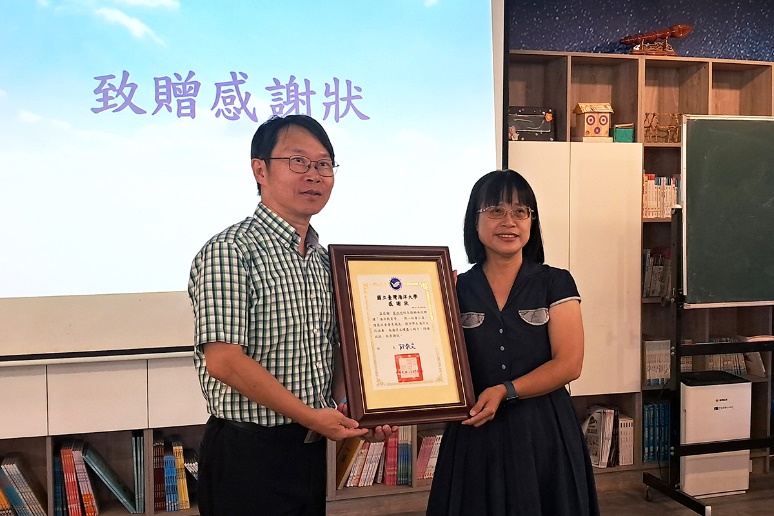
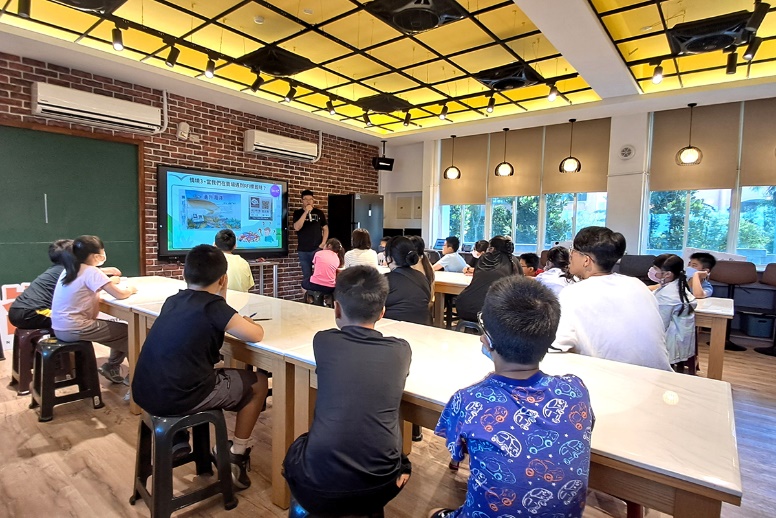
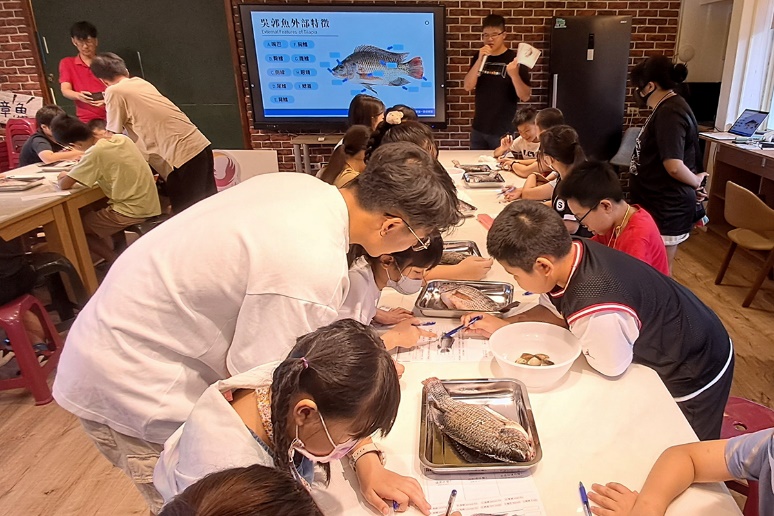
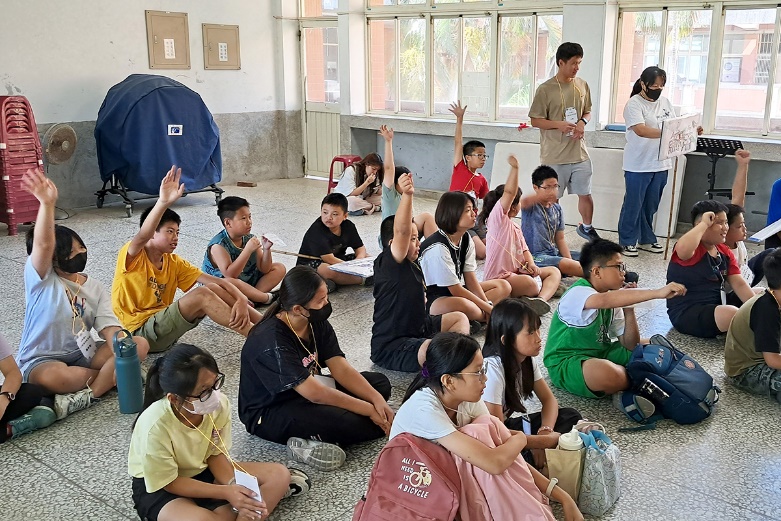
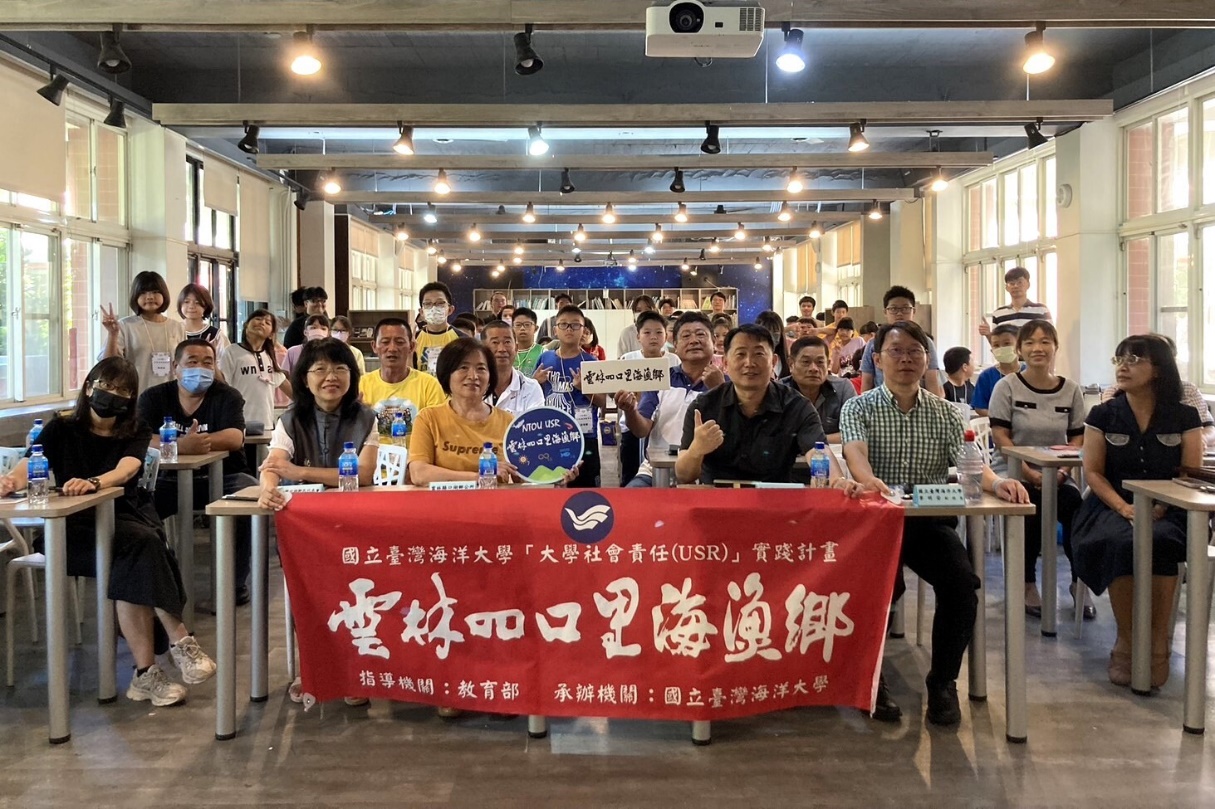
This event is led by our school's teachers, guiding the department's student association and club members to actively participate. Through a camp format supplemented with large-scale games and fish-eating education activities, we led 44 students from four local elementary schools in Yunlin to understand and appreciate marine education. We hope to root marine education deeply, thereby cultivating the children of coastal villages to take an interest in the ocean, and through this event, nurture young marine pioneers; at the same time, through the participation of local residents and elementary school teachers, our school designs and plans teaching cases, thereby cultivating lecturers related to marine education. The planned activities fully reflect the ocean expertise of the National Taiwan Ocean University, with many designed to inspire elementary students' interest in fisheries and marine issues. For example, fish consumption education and marine waste reuse are incorporated into fun learning experiences that also promote the concept of marine conservation. In particular, to deepen local elementary students' understanding of fisheries and their hometown industries, the "fish consumption education" course uses local Yunlin ingredients such as Taiwanese sea bream, clams, and oysters. By engaging students in cooking these ingredients themselves, the course instills the concept of reducing carbon footprints, thus genuinely promoting marine education. This also helps achieve the goals of the "Yunlin Four Mouths - Li Hai Fishing Village" USR project team in deeply cultivating local talent and fostering marine professionals.
Sustainable impact: Led by university faculty and student associations, this outreach program brought marine education to four elementary schools in Yunlin through interactive camps combining marine games, fish-eating education, and marine waste recycling.Forty-four local students participated, learning about fisheries, sustainability, and ocean conservation through hands-on experiences.Using local ingredients such as Taiwan tilapia, clams, and oysters, students learned the importance of reducing carbon footprints and valuing local fisheries.The project also engaged community residents and teachers, with university faculty designing teaching modules and training local educators to become future marine education instructors.This initiative exemplifies the USR "Yunlin Four Estuaries – Satoumi Fishing Village" Project, fostering university–community collaboration and promoting SDG 4 (Quality Education), SDG 14 (Life Below Water), and SDG 17 (Partnerships for the Goals) through experiential, locally grounded learning.
本活動係由本校教師率領系學會及社團學生實際投入,以營隊形式輔以大地遊戲、食魚教育等活動帶領雲林在地四所小學44位學子了解與體認海洋教育,期望能將海洋教育向下扎根,進而培養沿海村落學子對於海洋之興趣,藉此活動培育小小海洋尖兵;同時透過在地居民與小學教師的共同參與,由本校設計、規劃教案,進而培育海洋教育相關講師。 本次規劃的活動內容也充分體現海大的「海洋」專業,設計出許多能啟發小學生對漁業與海洋議題興趣的內容,例如:食魚教育、海洋廢棄物再利用…等,寓教於樂,並提倡海洋保育的觀念。尤其為了讓在地小學生加深對漁業的認識及家鄉產業的瞭解,在「食魚教育」課程選用雲林當地的臺灣鯛、文蛤及牡蠣為主的食材,透過小學生親自動手製作料理,灌輸小學生減少碳足跡的觀念,實實在在的推廣海洋教育,同時也可以達成「雲林四口-里海漁鄉」USR計畫團隊對於在地深耕,培育海洋人才的目的。
永續影響力: 本活動由本校教師帶領系學會與學生社團,前往雲林地區四所小學舉辦海洋教育營隊,融合大地遊戲、食魚教育及海洋廢棄物再利用等互動課程,讓44位在地學童在寓教於樂的環境中學習海洋知識。活動以「向下扎根」為核心理念,透過體驗式學習培養孩童對海洋與漁業的興趣,進而形成永續海洋意識。
課程中特別採用雲林當地的臺灣鯛、文蛤及牡蠣等食材,設計食魚教育課程,讓學生親手烹調料理,理解在地漁業與碳足跡減量的重要性。此外,活動邀請地方居民及小學教師共同參與,藉由本校設計的教案與師資培訓機制,培育未來海洋教育講師。此計畫具體落實「USR雲林四口-里海漁鄉」計畫目標,深化大學與地方合作,實踐SDG 4、14、17之精神。

Evidence: https://mprp.ntou.edu.tw/p/406-1017-101988,r1031.php?Lang=zh-tw
- Chinese Lecture Series 國文課程系列講座
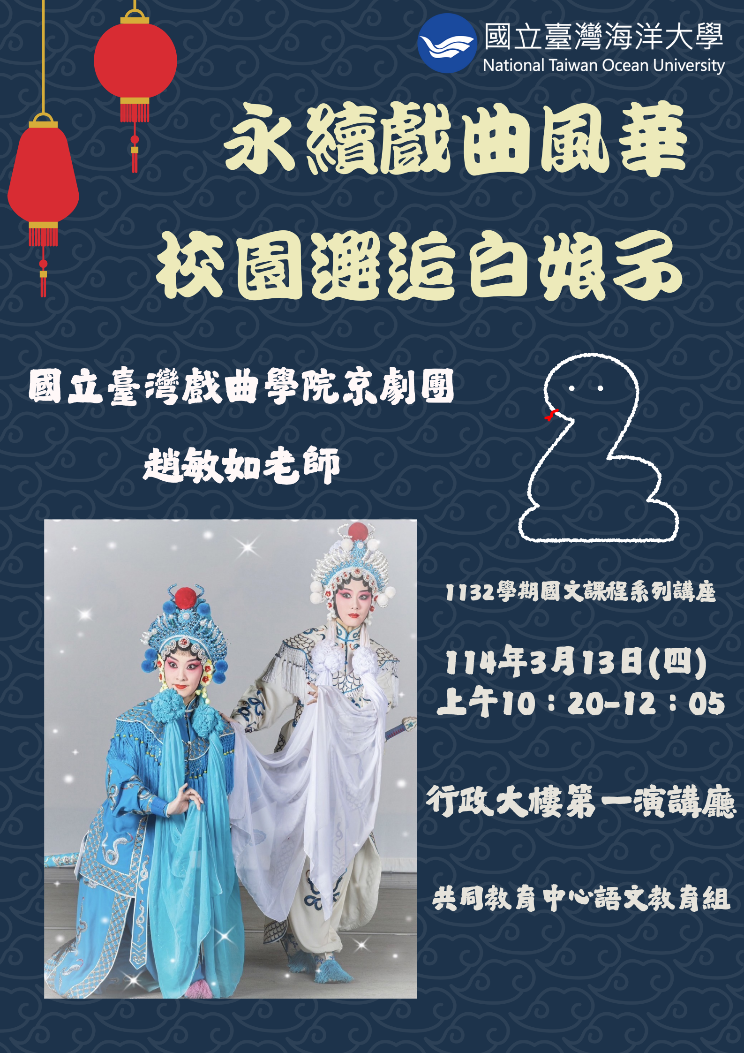
Lecture Series for Chinese Literature Courses are held each semester by inviting NTOU resident writers and external scholars to enrich appreciation in Chinese literature.
Sustainable impact: The Chinese Language Division of National Taiwan Ocean University invites resident writers and experts in marine and literary studies to deliver special lectures.These sessions integrate marine culture with literary imagination, fostering students' creativity, cultural awareness, and appreciation of the ocean's humanistic significance.Through interaction and discussion, freshmen develop broader international perspectives and deeper engagement with cultural narratives related to the sea.This initiative exemplifies SDG 4.3.2, promoting inclusive, interdisciplinary learning that enhances cultural literacy and creativity.By blending humanities and ocean education, it supports lifelong learning and sustainable humanistic development.
由本組國文專任教師邀請海洋或文學相關領域之駐校作家及專家學者進行演講。透過海洋或文學相關領域駐校作家及專家學者之專題演講,厚植本校海洋啟蒙教育,培養大一新生文學創作想像力並開闊國際視野。
永續影響力: 本校國文組邀請海洋與文學相關領域之駐校作家及專家學者,舉辦系列專題講座,內容涵蓋海洋文化、文學創作及人文思辨等主題。活動旨在厚植學生的人文素養,結合海洋特色課程推動「海洋啟蒙教育」,讓學生能從不同角度體會文學與海洋之間的連結。透過講座的引導與對話,學生不僅能啟發文學創作的想像力,也能開拓國際視野,理解海洋文化在全球化背景下的多元意涵。此活動具體展現SDG 4.3.2之精神,透過教育提升學生之文化理解與創新能力,促進終身學習與人文教育的永續發展。

Evidence: https://r081.ntou.edu.tw/p/412-1098-10830.php?Lang=zh-tw
- Promotion of Lifelong Learning – Special Lecture Series on Marine and Food Industries推動終身學習—海洋與食品產業專題講座
Invite experts and scholars from outside the school or professors from the school to give 1-2 hours of selected speeches on different fields such as food industry, aquaculture, fishery resources, marine biology, environmental science, health management, quality control, business operations or alumni employment experience to enhance Students' extracurricular knowledge and verification of the theories learned.
Sustainable impact: This initiative involves inviting external experts and internal faculty to deliver 1–2 hour lectures on diverse fields such as food industry, aquaculture, marine resources, environmental science, health management, quality control, and business operations. These lectures are open to students and, in many cases, to the broader public.
According to the SDG 4.3.2 definition in the 2026 THE Impact Rankings framework, such “public educational activities” demonstrate a university’s contribution to lifelong learning by providing accessible educational opportunities beyond formal curricula. The indicator rewards institutions that organize free or open learning events promoting community engagement and the dissemination of specialized knowledge.
By connecting academic expertise with real-world applications and professional experience, these talks help participants expand their understanding beyond classroom theories, bridging education and industry. The initiative therefore aligns directly with SDG 4’s objective of ensuring inclusive and equitable quality education and promoting lifelong learning opportunities for all, showcasing the university’s role as an active public educator and community knowledge hub.
邀請校外專家學者或校內教授就食品工業、水產業、漁業資源、海洋生物、環境科學、衛生管理、品質管制、企業經營或校友就職經驗等不同領域,擇訂專題演講1-2小時,以增進同學課外知識及驗證所學理論。
永續影響力: 此項活動邀請校內外專家就食品、水產、環境及企業經營等主題舉辦專題演講,向學生與大眾開放參與,屬於大學推廣教育與知識共享的一環。根據SDG4.3.2定義,此類「向公眾開放的教育活動」旨在促進終身學習與社會參與。活動以1至2小時的演講形式進行,兼具教育性與實踐性,符合該指標強調之「免費或開放的公眾教育活動」精神,有助於提升公民知識、縮短教育落差並強化社群互動。
Evidence: https://fs.ntou.edu.tw/p/412-1073-5936.php?Lang=zh-tw
- Creative Cultural Experiences 第二外語跨文化體驗創意學習課程活動
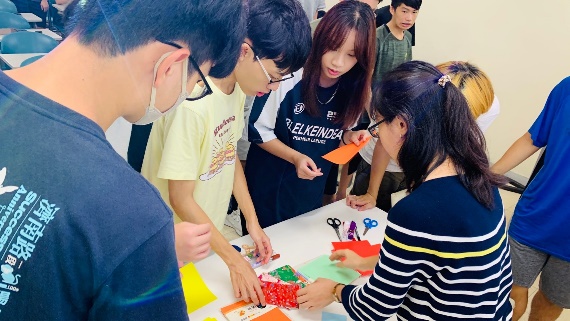
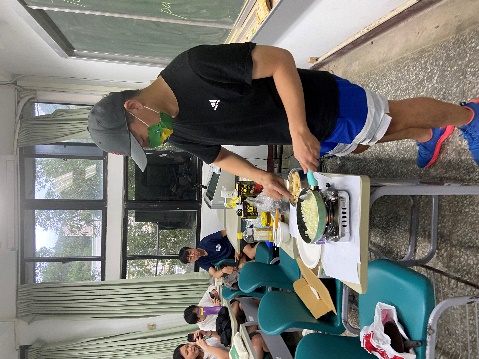
Creative Cultural Experiences are planning for our current and future students who are interested in foreign languages and culture. The events will be scheduled by our teachers of second foreign languages in advance and announced on the official website of Division of Languages and Literature Education. Students who are not in the class are required to fill out the google form to apply by scanning the qr code of the events.
Sustainable impact: The “Second Foreign Language Intercultural Experiential Learning” course integrates language instruction with cultural immersion, exemplifying SDG 4.3.2, which emphasizes public and lifelong learning initiatives.By engaging students in experiential language learning and interaction with overseas and international peers, the course enhances cross-cultural understanding, open-mindedness, and global competence. It also provides teaching assistants with opportunities to participate in course planning, visual documentation, and event promotion, fostering collaborative and reflective learning.Through these participatory and inclusive practices, the program extends beyond conventional classroom learning, promoting sustainable education that values diversity, creativity, and continuous improvement—key goals of SDG 4’s commitment to inclusive and equitable quality education for all.
為創新第二外語課程內容,語文教育組開辦體驗實作課程讓同學們更容易融入異國文化,以開放的心態與僑外生交流,培養國際觀並精進海大學生之外語能力。第二外語跨文化體驗創意學習課程係由語文教育組第二外語老師於授課班級辦理,報名對象為海大在校生(含研究生、僑生及外籍生),並培訓TA協助活動海報設計及拍攝活動成果照。課程活動結束後發信邀請參與者進行問卷回饋調查,期助益未來精進體驗課程活動規劃。
永續影響力: 本課程以「第二外語跨文化體驗創意學習」為主題,結合語言教學與文化體驗,符合 SDG4.3.2 所倡導之「推動公眾教育與終身學習」精神。活動讓學生在真實互動情境中學習外語,並透過與僑外生交流,培養跨文化理解與國際視野。課程同時培訓助教參與課程設計與紀錄,促進多層次學習與教學創新,展現高等教育機構推動包容性學習與多元文化共融的具體實踐。
Evidence: https://r081.ntou.edu.tw/p/412-1098-7495.php?Lang=zh-tw
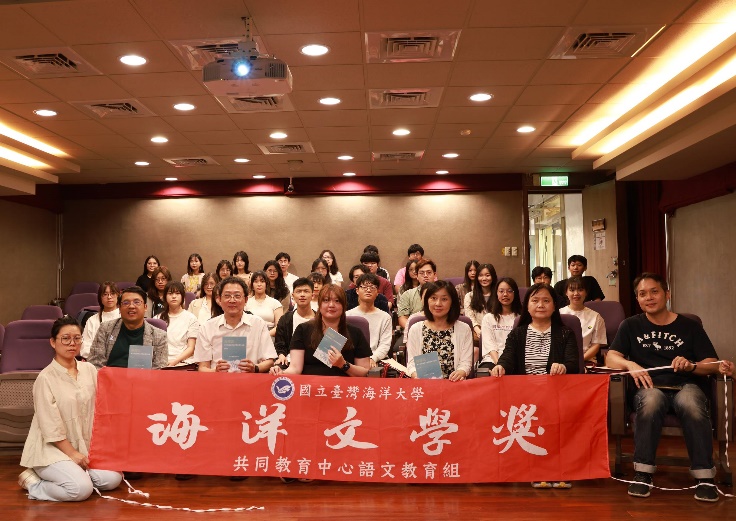
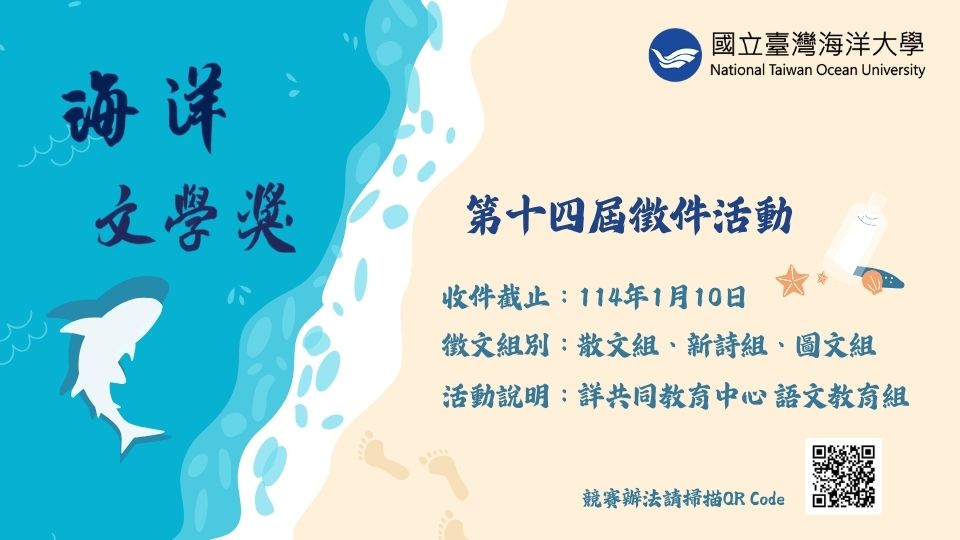
- 13th NTOU Chinese Literature Awards 第十三屆海洋文學獎徵件活動
NTOU is named by the ocean so we have been encouraging students to keep writing about the ocean or the lives on campus. NTOU Chinese Literature Awards accept submissions by original authors and our current students only. There are three categories of the creative writing competition Proses, Poems and Pictures with texts for submissions. The selection outcome will be published on the official website of Division of Languages and Literature Education. In addition to the collections of the winners' works, a certificate and book gift voucher will be awarded to winners of the year accordingly.
Sustainable impact: The Marine Literature Award, first launched in 2008, exemplifies SDG 4.3.2 – Public Educational Activities (Lifelong Learning). Open to all students, the annual competition invites submissions in prose, poetry, and illustrated works related to marine themes or university life, with winning entries published in both print and digital collections.
By encouraging creative expression and reflection on the ocean and human-nature relationships, the award nurtures students’ literary competence and environmental consciousness. It serves as an inclusive educational and cultural event that extends learning beyond the classroom, promoting lifelong engagement with art, sustainability, and social participation. Through its sustained organization and public dissemination, the Marine Literature Award reinforces the university’s role in fostering creativity and advancing the broader goals of SDG 4.
為厚實關懷海洋與生命的情懷,國立臺灣海洋大學於2008年首度開辦校級徵文活動「海洋文學獎」,成為當年55週年校慶指標性活動。語文教育組每年向各系所在校生公開徵稿,已邁入第十三屆。徵件作品包含散文、新詩及圖文創作,內容以海洋專業或海大生活相關為主,經校內老師初審及校外委員決審,遴選得獎作品出版作品集,展現海大人在文學領域上的軟實力。本屆海洋文學獎已於2024年05月14日公開舉行頒獎典禮授獎並發布得獎作品集及電子書。
永續影響力: 「海洋文學獎」自2008年起每年舉辦,公開徵稿並出版得獎作品集,屬於 SDG4.3.2 公眾活動(終身學習) 的具體實踐。該指標強調高等教育機構舉辦向公眾或校內社群開放之教育與文化活動,以促進終身學習與社會參與。本活動透過文學創作引導學生思考海洋與生命的價值,強化人文素養與環境關懷,同時鼓勵跨領域表達與創作,展現大學推動文化教育與永續精神的努力。
Evidence:https://r081.ntou.edu.tw/p/412-1098-7496.php?Lang=zh-tw
- Green Level Marine Educators Training Course 綠階/初階海洋教育者培訓課程
The Taiwan Marine Education Center was established to integrate national marine education resources, review and plan marine education policies and help promote local marine education. For four years, Taiwan Marine Education Center has worked continuously with local marine education centers and schoolteachers on projects entrusted to them by the Ministry of Education. It has identified several issues confronting the White Paper on Marine Education Policy (promulgated in 2007) since its implementation. First, marine educators were scattered everywhere without an integrated system; second, work conditions for marine educators varied significantly, leading to a big difference in teaching quality and lack of commonality; third, marine education promoted by local marine education centers lacked systematic integration in human resources; fourth, the Ministry of Education had not set up a central marine education counseling team; fifth, some grassroots teachers had not yet touched marine education. To resolve the abovementioned issues, Taiwan Marine Education Center further conceived and proposed the "Training Mechanism for Marine Educators" hoping to achieve the following main objectives: 1. Integrate the power of marine educators, including schoolteachers, volunteers from social education institutions, marine professionals and members of private marine organizations 2. Build a professional culture for marine education and provide common competencies to improve the quality of marine educators. 3. Assist cities/counties in setting up talent databases, promoting the systematic integration of human resources and forming marine education counseling teams. 4. Develop marine educator facilitators in schools to build a sustainable mechanism for marine education. The Green Level Marine Educators Training Plan aims to attract more people to engage in marine education at their positions, excite their passion for marine services and expand their marine thoughts. Those who are qualified as Green Level marine educators are responsible for teaching courses on marine education or leading marine education activities, including (1) teaching in schools and promoting activities related to marine education, (2) tours conducted by social education institutions and promoting activities related to marine education, (3) NGOs and charity groups promoting activities related to marine education and (4) marine industrial visits and education.
Sustainbale impact: Commissioned by the Ministry of Education, the Taiwan Ocean Education Center at National Taiwan Ocean University developed a training mechanism for ocean educators based on a three-tier framework. The beginner (green) level program aims to broaden participation, inspiring enthusiasm for marine service and fostering ocean-oriented thinking among educators.Since 2019, the program has been implemented in ten counties and cities through in-service teacher workshops that integrate local marine education facilities, field trips, and hands-on coastal or water-based activities. These experiential sessions enhance teachers’ understanding of ocean literacy and empower them to promote marine education within their schools.This initiative aligns with SDG 14.3.1 – Promoting Marine Education and Literacy and SDG 4.3.2 – Expanding Access to Inclusive and Lifelong Learning Opportunities, demonstrating NTOU’s leadership in advancing nationwide ocean awareness and capacity building for sustainable education.
國立臺灣海洋大學臺灣海洋教育中心受教育部委託規劃「建立海洋教育者培訓機制」,係以三階海洋教育者組織架構,其中綠階/初階海洋教育者培訓課程希望讓更多人參與推動海洋教育,激發參與者之海洋服務熱忱及擴展海洋思維,能在自己的崗位上持續從事海洋教育之研發、教學與服務。 2019年起協助地方導入綠階/初階海洋教育者培訓課程,以擴展各地區海洋教育推廣教師,共協助10個縣市辦理。各縣市以在職教師研習形式,結合在地海洋教育設施場所及專家學者,並安排親海教育活動,實際踏查海岸或體驗水域活動等,啟發關懷海洋並為海洋服務的的熱忱,最後引導體驗教學設計,提升參與教師的海洋知能,進而能在學校內推動海洋教育。
永續影響力: 國立臺灣海洋大學臺灣海洋教育中心受教育部委託推動「建立海洋教育者培訓機制」,以三階培訓制度培育海洋教育人才,特別針對綠階/初階課程擴大參與對象,培養具海洋思維與教育熱忱之師資。自2019年起已協助10個縣市辦理在職教師研習,結合地方場域踏查與專家講授,提升教師海洋知能與教學設計能力。此計畫符合 SDG14.3.1(海洋教育推廣)與 SDG4.3.2(終身學習與教育可近性),促進全民海洋素養與教育永續發展。


Evidence: https://tmec.ntou.edu.tw/p/405-1016-104844,c6474.php?Lang=zh-tw
- Senior Citizens Learning Camp 樂齡大學
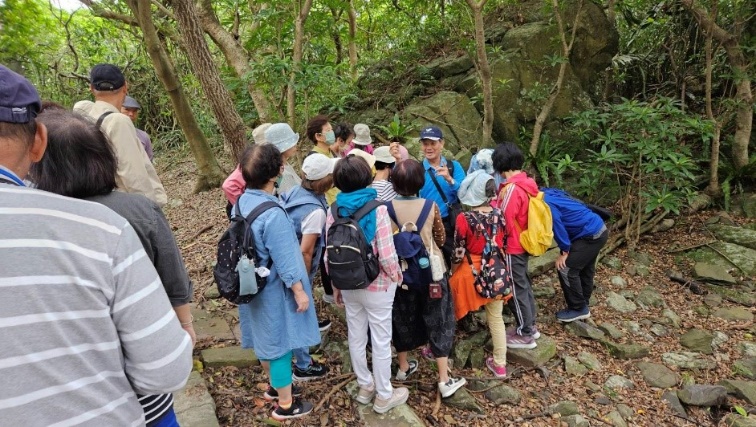
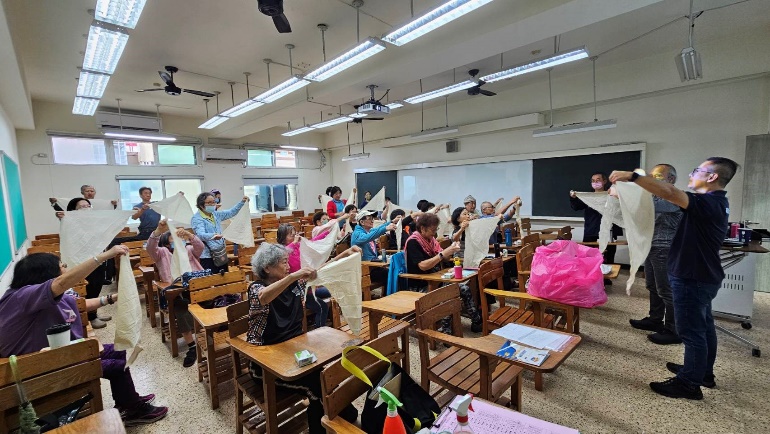
The Senior Citizens Learning Camp is committed to promoting healthy aging and lifelong learning, enabling seniors to learn and grow in a high-quality campus environment. By combining university faculty, teaching facilities, and diverse courses at affordable costs, the program provides high-quality educational content that promotes active aging and lifelong learning practices. Elderly students can learn and interact with young students, expanding interpersonal connections and intergenerational understanding while opening new life perspectives. For elderly students who were unable to attend university in their youth, the Senior Citizens Learning Camp provides an opportunity to return to campus, achieving educational equity and inclusive learning. The curriculum emphasizes health promotion and practical life applications, covering topics such as hygiene and safety, balanced nutrition, medication safety, exercise and wellness, and mental health. These courses help seniors establish healthy lifestyles. Courses such as "Medication Safety and Health Preservation for Seniors" and "Practical Acupressure and Health Maintenance" all aim to promote physical and mental health and delay aging. The university also promotes student volunteer services and community partnerships, disseminating concepts of hygiene, nutrition, exercise, and healthy aging through health lectures and service activities. Furthermore, the curriculum design integrates sustainable development and environmental education, including topics such as "Sustainable Development: Protecting Environment and Health" and "Wetland Ecology." These courses help students understand the risks, impacts, mitigation strategies, and adaptation measures related to climate change. Through classroom discussions and field learning, the program strengthens awareness of environmental protection and green living, encouraging seniors to practice energy conservation, carbon reduction, and resource recycling in their daily lives, thereby advancing climate action education. Through wetland visits and coastal conservation learning, the program promotes seniors' understanding and protection of marine and aquatic ecosystems. By fostering community co-learning and action, the program cultivates students' civic awareness and sense of responsibility for ecological conservation, working together to protect sustainable aquatic environments.
Sustainable impact: The Senior Learning University of National Taiwan Ocean University embodies the principle of “Education for all ages, learning without end,” integrating health promotion, environmental sustainability, and community engagement. Its curriculum covers physical wellness, nutrition, mental health, sustainable development, and climate action, while incorporating marine and wetland ecological education to raise awareness of environmental protection and ocean conservation.
Through courses such as Safe Medication Use for Seniors and Sustainable Development and Environmental Health, participants gain knowledge that promotes healthy aging and ecological responsibility. The program also provides open access to university resources—including classrooms, libraries, and sports facilities—enhancing inclusivity and lifelong learning opportunities.
This initiative aligns with SDG 13.3.1, 14.5.4, 3.3.2, 4.3.2, demonstrating how higher education can promote intergenerational learning, sustainable living, and environmental stewardship within local communities.
樂齡大學以教育為核心,串聯健康促進、環境永續與社區參與三大面向,實現「教育不分年齡、學習永不止息」的理念。透過多元課程與外展服務,促進高齡者健康老化、知識增能與社會連結。藉由樂齡大學向社區開放教育資源,包含圖書館、電腦設備、教室、體育館、游泳池,提供社區民眾持續學習的機會。藉由樂齡大學計畫,促進教育資源共享與社區的共享,提升長者的學習權益、生活品質及社會參與度,促進教育普及與終身學習精神。樂齡大學致力於推動健康老化與終身學習,讓長者能在優質的校園環境中學習與成長。透過結合大學師資、教學設備與多元課程,以親民的費用提供高品質教育內容,促進「活躍老化」與終身學習的實踐。學員能與年輕學生共同學習、交流,拓展人際互動與跨世代理解,同時開啟不同的人生視野。對年輕時未能進入大學的長者而言,樂齡大學提供重返校園的機會,實現教育公平與包容性學習。 課程強調健康促進與生活實用性,內容涵蓋衛生安全、營養均衡、用藥安全、運動保健與心理健康,協助長者建立健康生活型態。課程如「銀髮族用藥安全與養生保健須知」、「筋絡實用按摩保健」等,皆以促進身心健康與延緩老化為目標。學校亦推動學生志願服務與社區合作,透過健康講座與服務活動推廣衛生、營養、運動與健康老化理念。 此外,課程設計融入永續發展與環境教育,內容包括「永續發展保護環境與健康」、「海岸濕地生態」等,協助學員了解氣候變遷的風險、影響、減緩與調適策略。透過課堂討論與實地學習,強化環境保護與綠色生活意識,鼓勵長者於日常生活中實踐節能減碳與資源循環,推動氣候行動教育。並透過濕地參訪與海岸保育學習,促進長者對海洋與水域生態系統的了解與維護。藉由社區共學與行動,培養學員生態保育的公民意識與責任感,共同守護永續的水域環境。
永續影響力: 國立臺灣海洋大學樂齡大學以「教育不分年齡、學習永不止息」為理念,結合健康促進、環境永續與社區共學三大主軸。課程涵蓋養生保健、心理健康、永續發展與氣候行動等主題,並融入海洋與濕地生態教育,提升長者對氣候變遷與環境保育的理解。校方開放校園設施與資源,促進教育公平與跨世代共學。此計畫符合SDG13.3.1, 14.5.4, 3.3.2, 4.3.2精神,兼具健康老化、教育普及、氣候行動與海洋素養推廣意涵,展現大學在終身教育與永續社會實踐的角色。
Evidence: https://senior.ntou.edu.tw/Default.aspx
- Blue Ocean Lecture 藍海講座
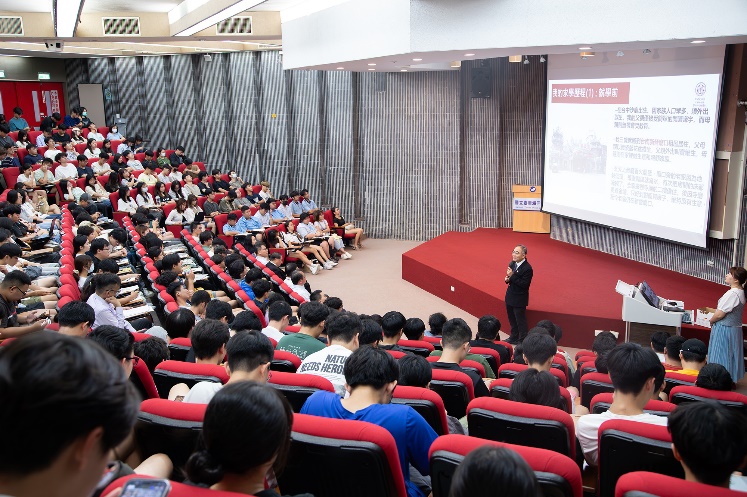
"Blue Ocean Lecture" is a large-scale university-level lecture given by academics, experts and accomplished celebrities who are passionate about education; On March 26, 2013, Chairman Shi Yifang of Taiwan Shixi Engineering Consultants Co., Ltd. was invited to speak on the transformation of public works in Taiwan, starting with a career in civil engineering. On April 26, 2013, Chairman Chen Jiji of Yutai Engineering Consultants Co., Ltd. was invited to share Yutai Consultants' innovative design cases.
On June 5, 2013, Prof. Dr. Ir Rokhmin Dahuri, MS, former Minister of Fisheries of Indonesia, was invited to speak on "Enhancing a Win-Win Collaboration between Indonesia and Taiwan in Education, Training, Research and Innovation in Sustainable Coastal and Ocean (Blue Economy) Development.".
Sustainable impact: The “Blue Ocean Lecture Series” is a university-wide public seminar initiative that invites distinguished scholars, industry leaders, and innovators to share insights on topics such as national defense autonomy, green energy transition, AI and robotics, digital transformation, and marine industry development.Prominent speakers have included Dr. Kao-Chou Lin, Executive Director of the National Chung-Shan Institute of Science and Technology; Mr. Nai-Wen Hsu, Managing Director of Copenhagen Infrastructure Partners Taiwan; Mr. Peter Chou, Founder of XRSPACE; Lt. Gen. Dai-Long Cha, President of the National Defense Medical Center; and Prof. Li-Cheng Fu of National Taiwan University.The lectures are open to the public free of charge, encouraging broad participation from students, faculty, and community members. This initiative enhances public understanding of emerging technologies, sustainability, and societal issues, embodying SDG 4.3.2, which promotes lifelong learning and open educational engagement beyond the university community.
「藍海講座」是海洋大學大型校級演講,邀請的講者都是熱心教育的學者專家或成就優秀的知名人士,2024.03.26邀請台灣世曦工程顧問股份有限公司施義芳董事長主講由土木職涯發展~分享台灣公共工程的蛻變,2024.04.26邀請宇泰工程顧問有限公司陳吉紀董事長主講「宇泰顧問 創新設計案例分享」,2024.06.05邀請印尼前漁業部部長Prof. Dr. Ir Rokhmin Dahuri, MS主講「Enhancing a Win-Win Collaboration Indonesia and Taiwan in Education, Training, Research and Innovation in Sustainable Coastal and Ocean(Blue Economy) Development」。
永續影響力: 「藍海講座」為本校大型校級公開演講活動,邀請國內外傑出學者與專業領袖分享國防自主、綠能轉型、創新科技、人工智慧與海洋產業發展等議題。講者包括國家中山科學研究院林高洲執行長、CIP臺灣區董事總經理許乃文、XRSPACE創辦人周永明、國防醫學院查岱龍校長、臺大傅立成講座教授等。活動向全校師生及社會大眾免費開放,提升公眾對科技、產業及永續議題的認識,促進知識傳播與跨界交流,具體實踐 SDG 4.3.2 公眾活動(終身學習) 所強調的全民教育與社會共享精神。

Evidence:
https://mprp.ntou.edu.tw/p/16-1017-117150.php?Lang=zh-tw
https://usr.ntou.edu.tw/var/file/90/1090/img/1658/631278238.pdf