4.3.4
- Environmental Education Series: Sustainable Oceans & Circular Resources 「永續海洋-循環資源」系列環境教育活動
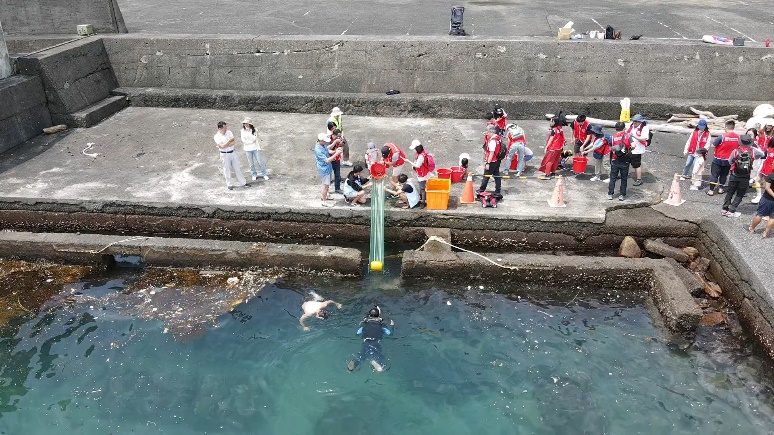
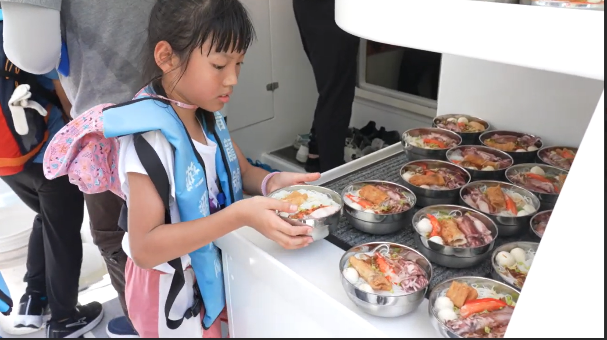
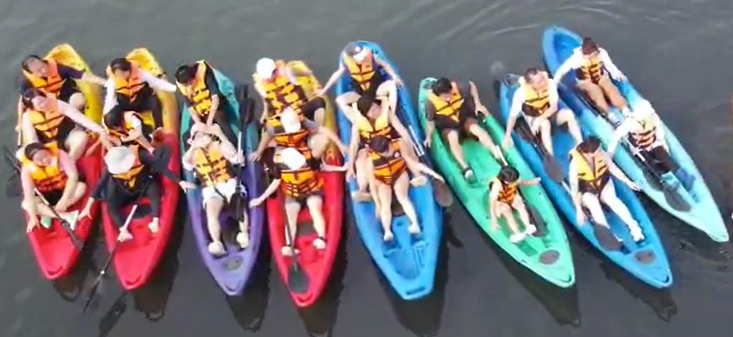
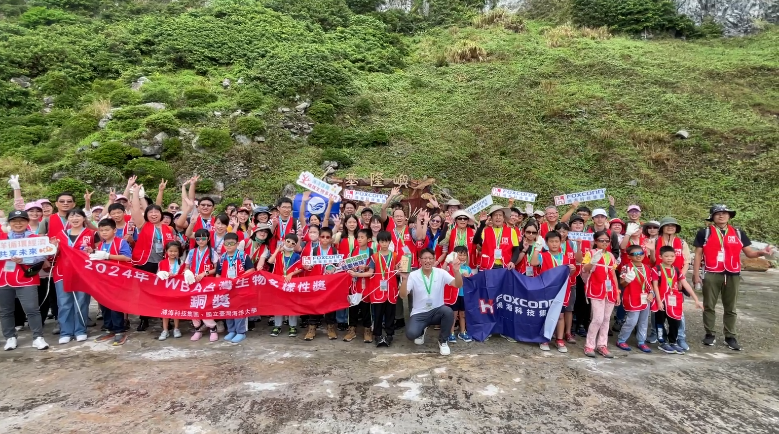
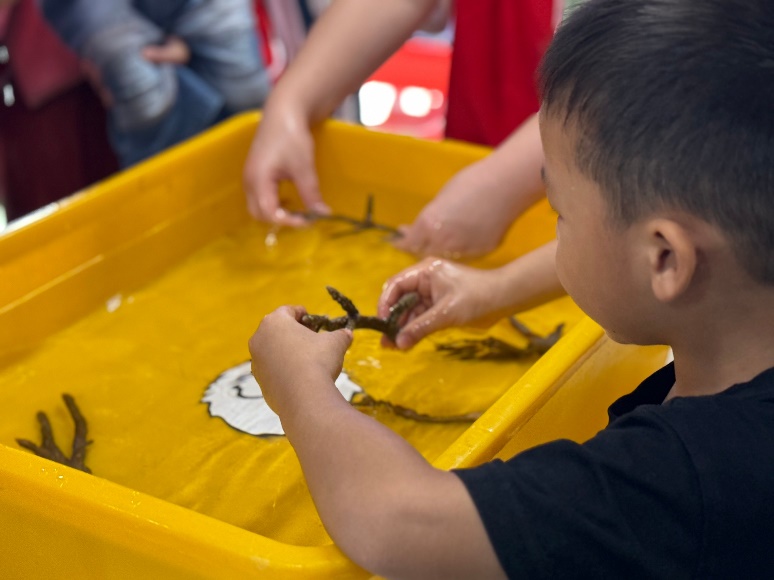
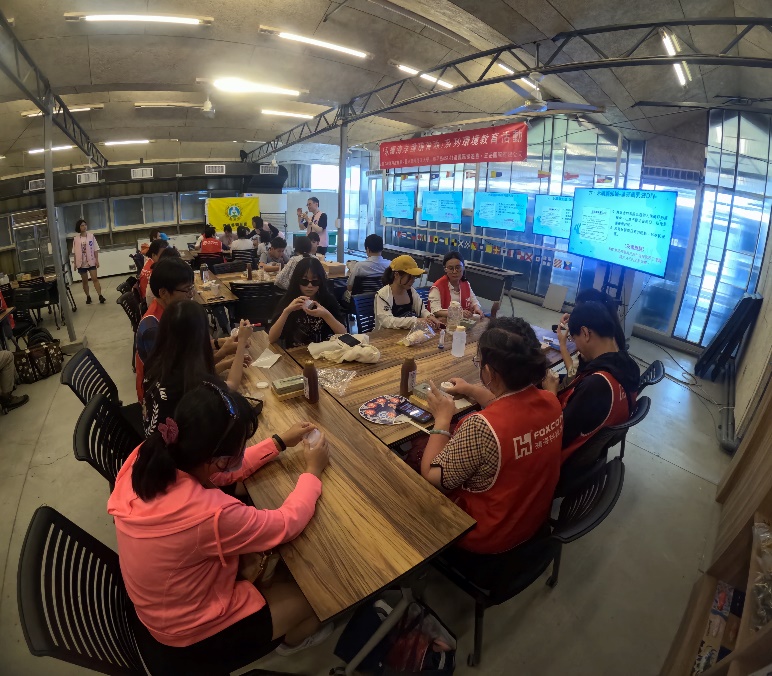
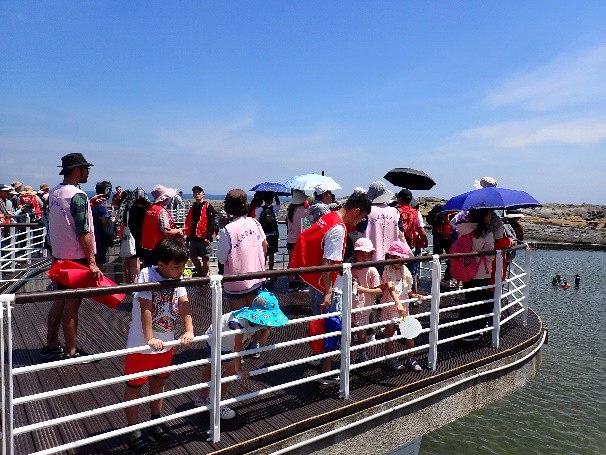
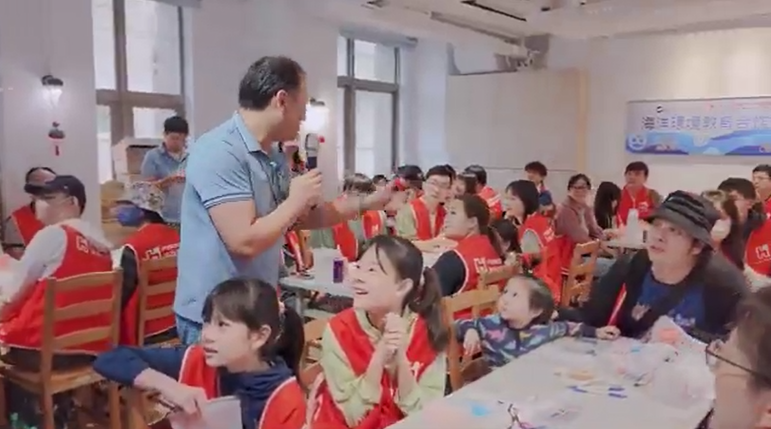
Sustainable use of marine resources has become a global consensus. Through marine environmental education, we convey concepts and hands-on practices in biological resource restoration, the circular economy, water safety, and the hazards of microplastics. Centered on the ethos of "clean the sea, understand the sea, get close to the sea, and enter the sea," our marine science outreach—combined with activities such as stock-enhancement releases and seed-stock cultivation—advances marine environmental policies and the goals of resource circularity. We completed 43 marine education sessions with a total of 3,156 participant attendances. Program content spanned coral introduction and conservation, coral planting and restoration, algae literacy, stock releases to coastal waters, microplastic hazards, fish and seaweed food education, coastal cleanups, geological field surveys, and on-water experiential activities.
Sustainable impact: This initiative, centered on "Clean the Sea, Know the Sea, Approach the Sea, Enter the Sea," integrates ecological restoration, coral conservation, and microplastic awareness through experiential learning. It fulfills SDG 13.3.1 by promoting climate and environmental education, and SDG 13.3.5 through partnerships with NGOs on climate-related outreach. Activities such as coral propagation, marine species release, and pollution awareness align with SDG 14.2.2, 14.2.3, 14.3.1, and 14.3.3, which emphasize ecosystem restoration and pollution reduction. Additionally, coastal cleanups and coral planting support SDG 14.5.2 on marine conservation. The 43 public courses and hands-on experiences also correspond to SDG 4.3.4, representing off-campus educational outreach that enhances ocean literacy and encourages sustainable community engagement.
海洋資源永續利用已成為國際共識,透過海洋環境教育傳遞生物資源復育、循環經濟、水域安全及微塑膠危害之觀念與實際體驗,以「淨海、知海、近海、進海」為核心進行海洋科普教育,並搭配生物放流與種苗培植等活動,可落實海洋環保政策之推動與資源循環利用之目標,完成43場次之海洋教育課程,共計3156人次,活動內容涵蓋珊瑚介紹及保育、珊瑚種植復育、藻類知識科普、海域放流、微塑膠危害、食藻教育、海岸淨灘、地質踏查、食魚文化、水上體驗等一系列活動。
永續影響力: 此活動以「淨海、知海、近海、進海」為主軸,結合生物復育、珊瑚保育與微塑膠防治等教育體驗,屬於SDG 13.3.1的氣候教育推廣及13.3.5與NGO合作推動氣候行動之實踐。同時透過海洋資源復育與生物放流,符合SDG 14.2.2、14.2.3及14.3.1、14.3.3對保護與復育海洋生態系及減少海洋污染的目標;再者,海岸淨灘與珊瑚種植亦落實SDG 14.5.2之海洋保護行動。而多場公眾課程與體驗教育則對應SDG 4.3.4之校外教育外展,推動全民海洋素養與永續行動。
Evidence:
https://www.facebook.com/watch/?v=1781814792357038
https://www.facebook.com/watch/?v=465669422909823
https://www.youtube.com/watch?v=cZoxPo4zIw8
https://www.youtube.com/watch?v=0LIpe_Lx1Zo
https://www.youtube.com/watch?v=POkOR121aWc
- 2024 Shipping and Transportation Management Camp in NTOU 2024年海大航管營「一起航向偉大的航道吧!Super Transportation Maniac with One Piece」
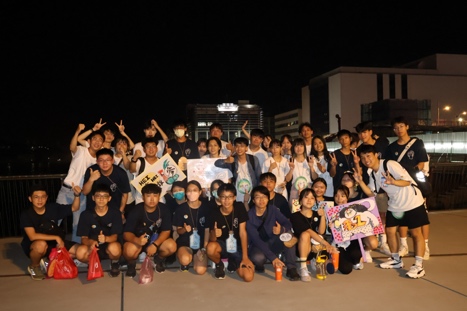
This camp is open to the students of senior high school and vocational high school from Taiwan, the two-day camp hosted by Department of Shipping and Transportation Management of National Taiwan Ocean University offers the participants the chance to understand the department in advance, and to acknowledge the connotation of shipping and transportation management and ocean curriculum. This camp was from 2024/07/21 to 2024/07/22, there were 20 participants while 40 staff members hosted the camp.
Sustainable impact: The "NTOU Transportation Management Camp" targeted high school and vocational students across Taiwan, offering a two-day immersive program introducing the department's curriculum and the broader field of maritime transportation. Through lectures, hands-on activities, and peer mentorship, participants gained early exposure to maritime studies and university-level learning. This initiative aligns with SDG 4.3.4, which emphasizes off-campus educational outreach programs that expand access to higher education and lifelong learning. The camp exemplifies the university's role in fostering inclusive education, promoting subject awareness, and strengthening connections between academia and society.
本次活動對象為全臺高中(職)學生,目的是讓對本系有興趣之高中(職)學生可以提前進一步了解本系之學習領域,以培育高中(職)生對本系認識,本系於暑假期間2024年07月21日至22日舉辦2024年海大航管營「一起航向偉大的航道吧!Super Transportation Maniac with One Piece」活動,讓學生透過二天一夜深入了解航運管理的內涵,推展本系學習特色及提升高中(職)生對海洋領域的學習與認知,此次營隊活動招收學員共計20人,參與此活動之助教及帶隊學生共有40人。
永續影響力: 本系舉辦的「海大航管營」以全臺高中職學生為對象,透過兩天一夜的營隊活動介紹航運管理學系之專業內容與學習特色。活動結合課程講解、實務體驗與學長姊陪同指導,讓學生提早接觸海洋與航運領域知識。此舉屬於SDG 4.3.4所定義的「校外教育外展活動」,旨在讓非本校學生獲得探索高等教育學習領域的機會,推廣終身學習理念與教育可近性,強化大學社會連結與教育公平。

Evidence: https://www.instagram.com/ntoustm_one_piece2024/
- 2024 Off-Campus Teaching for the Bachelor's Degree Program in Marine Biotechnology 2024海洋生物科技學士學位學程校外參訪
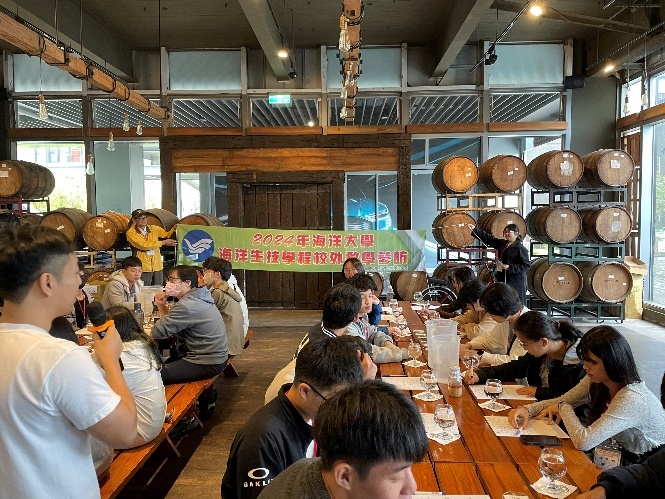
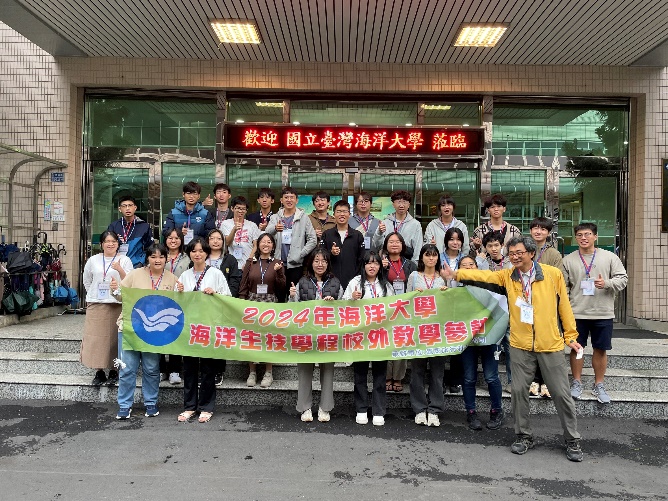
To enhance students' practical knowledge, integrate theory with technical skills, and help them understand the current trends and future potential of relevant industries in Taiwan, the Bachelor's Degree Program in Marine Biotechnology organized a 4-day industrial field study in 2024. The purpose of this activity was to strengthen professional workplace skills, increase employability, and expand career opportunities. The field study covered industries related to marine biotechnology, including medical technology, food technology, and aquaculture technology. Students visited various businesses such as distilleries, aquatic animal farms, and biotechnology companies, which will benefit their future employment prospects.
Sustainable impact: In 2024, the Bachelor's Program in Marine Biotechnology organized a four-day industry field trip focusing on pharmaceutical, food, and aquaculture technologies. Students visited breweries, aquaculture farms, and biotech companies to gain firsthand insights into Taiwan's industrial development and career opportunities. This initiative exemplifies SDG 4.3.4, which emphasizes off-campus educational outreach activities that bridge theory and practice. By integrating classroom learning with industry engagement, the program enhanced student's technical competencies, career readiness, and understanding of sustainable industrial innovation, thereby strengthening the linkage between higher education and real-world application.
為增進學生實務知能,落實理論與技術並重結合,瞭解臺灣地區相關產業發展脈動及未來潛力,以強化職場專業技能,增進就業競爭力與拓展就業機會,海洋生物科技學士學位學程於2024年辦理 4 天之海洋生物科技相關之產業考察,內容包括醫藥科技、食品科技及養殖科技等類別的企業考察,參訪製酒工廠、水生動物養殖場及生物科技公司等地,以利未來學生就業。
永續影響力: 本學程於2024年舉辦為期四天的海洋生物科技產業考察活動,帶領學生參訪醫藥科技、食品科技及養殖科技等企業,實地了解產業運作與發展趨勢。活動結合理論與實務,強化學生對產業鏈的認識,提升專業技能與就業競爭力,屬於SDG 4.3.4「校園外教育外展活動」的具體實踐。透過產學交流與現場體驗,學生能連結課堂知識與實際應用,深化學習成效,並促進教育與產業的永續發展。

Evidence:
- 2024 Haida Bioscience Summer Camp: "Detecting Genetically Modified Products Using Molecular Testing Technology" 2024國立臺灣海洋大學生命科學暨生物科技暑期營
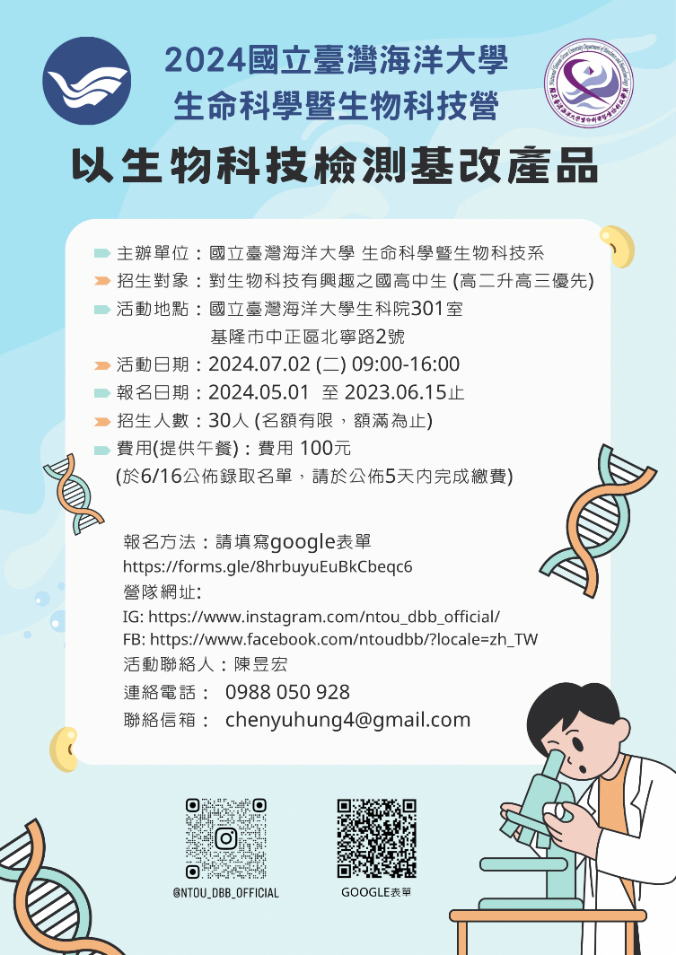
A summer camp will be held on July 2, 2024, leveraging the Department of Life Sciences'' unique strengths and expertise. The camp will conduct DNA testing on commercially available soybean powder to determine if it contains genetically modified soybeans. The camp will include lab courses on soybean DNA extraction, PCR, and DNA agarose gel electrophoresis, fully demonstrating the department''s diverse development.
Sustainable impact: On July 2, 2024, the Department of Life Sciences organized a summer camp highlighting its expertise through hands-on experiments on DNA testing of commercial soybean powder to detect possible genetically modified content. The program included DNA extraction, PCR operation, and gel electrophoresis, offering participants an immersive learning experience in biotechnology. This aligns with SDG 4.3.4, which emphasizes off-campus educational outreach that broadens access to higher education and scientific learning. By combining theory with practice, the camp promoted public understanding of genetic science and food safety, fostering student's scientific literacy and inspiring future academic pursuits in life sciences.
2024/7/2舉辦暑期營隊發揮生科系的特色與專長,將對於市售黃豆粉進行DNA檢測,檢測市售黃豆粉是否混雜基因改造過的黃豆,內容包括黃豆DNA抽取、PCR操作和DNA洋菜膠電泳相關之實驗課程,充分展現出本系多元發展的樣貌。
永續影響力: 生科系於2024年7月舉辦暑期營隊,以DNA檢測為主題,設計包括黃豆DNA抽取、PCR操作與電泳分析等實驗課程,讓高中生實際體驗生物科技技術。此活動結合理論與實作,推廣科學教育,增進學生對基因改造與食品安全議題的理解。屬於SDG 4.3.4「校園外教育外展活動」,透過實驗教學與體驗式學習,讓非本校學生接觸高等教育資源,提升科學素養與對未來專業領域的興趣,展現大學推動教育普及與社會連結的角色。
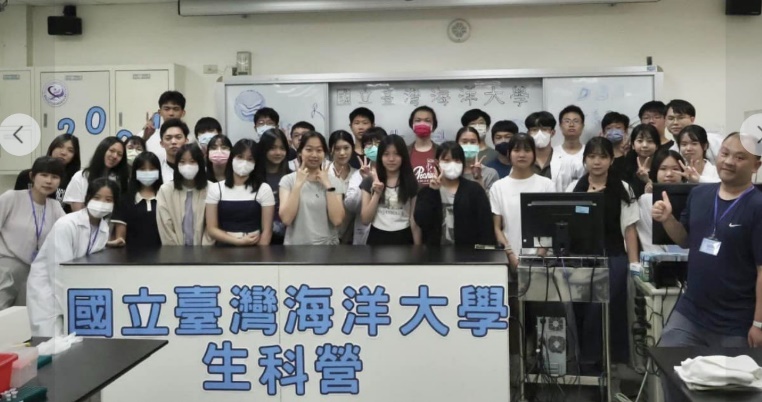
- Enrollment Lecture of Erxin High School 二信高中招生講座
On October 24, 2024, Erxin Senior High School of Keelung City visited our school. Director Gu Haoxiang of our department attended and gave a promotional lecture on college entrance. To enable students to experience university courses and understand the university learning environment, this course will explain the four-year course arrangement and planning of our department, various scholarships, overseas exchange programs, five-year integrated programs and other related information provided by our school. It will also introduce the main career paths after graduation from our department.
Sustainable impact: On October 24, 2024, Keelung Erh-Hsin Senior High School visited National Taiwan Ocean University, where the department chair delivered a college admission and program introduction talk. The session explained the department's four-year curriculum, scholarship opportunities, exchange programs, and five-year integrated pathways, as well as potential career prospects after graduation. This outreach activity aligns with SDG 4.3.4, which emphasizes off-campus educational outreach programs that expand access to higher education. By helping high school students experience university learning and understand academic pathways, the event strengthened educational connectivity and promoted awareness of lifelong learning opportunities.
基隆市二信高級中學於113年10月24日至本校拜訪,由本系顧皓翔主任出席做升學講座之宣傳介紹。為讓學生體驗大學課程及了解大學學習環境,講解本系所大學4年之課程安排、規劃,本校提供之各式獎學金、出國交換、五年一貫等相關資訊,更針對本系畢業後未來主要出路之介紹。
永續影響力: 基隆市二信高中於113年10月24日參訪海洋大學,由本系主任進行升學講座,向學生介紹系所四年課程規劃、獎學金制度、國際交換及五年一貫學制等內容,並說明畢業後的職涯方向。此活動讓高中生實際了解大學學習環境與專業發展,提升對高等教育的興趣與認識,屬於SDG 4.3.4「校園外教育外展活動」的具體實踐。透過大學資源開放與生涯導向指導,強化教育銜接,推動全民可近與終身學習之理念。

Evidence:
- The key to a company's sustainable operation - after-school experience from farm to table 企業永續經營的關鍵-課後體驗從產地到餐桌
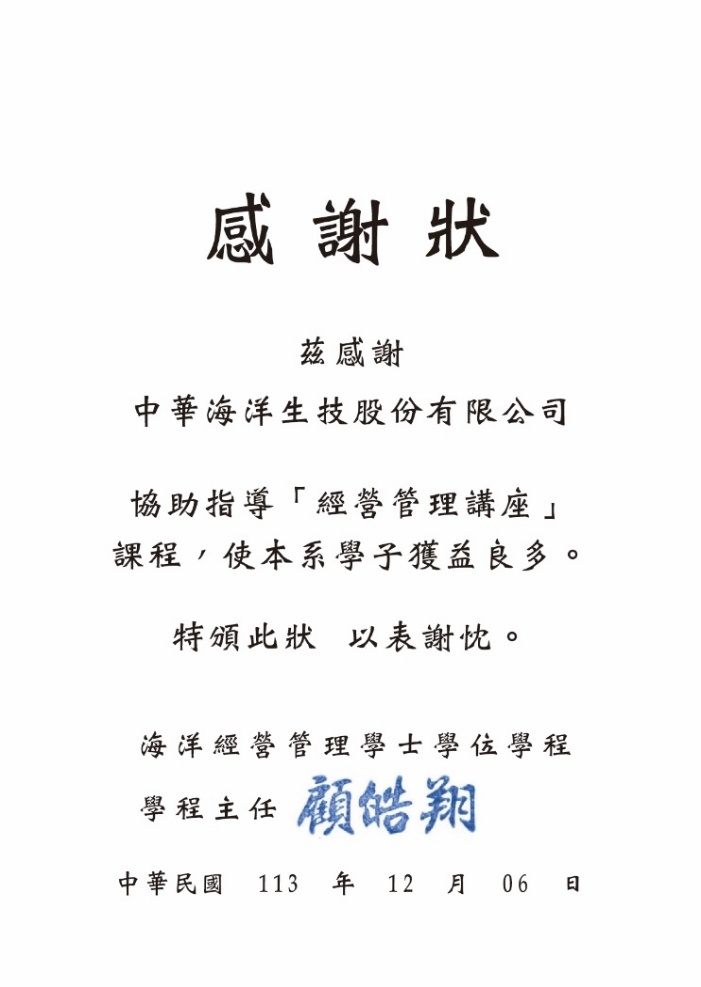
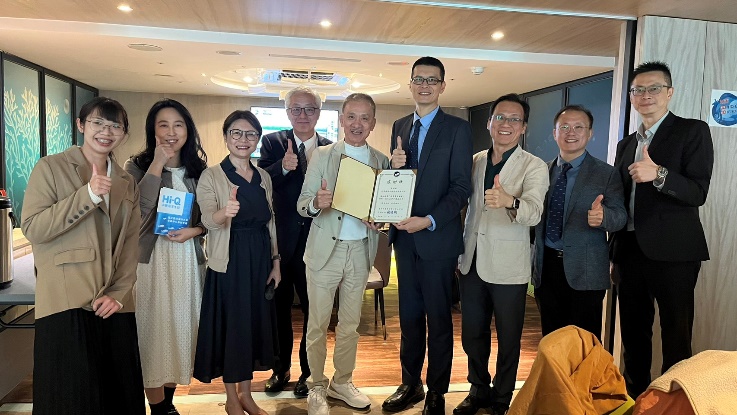
The Marine Management and Operation Lecture course is a practical specialized course. Each class will invite alumni who have started their own businesses or are serving in the industry to be lecturers. The invited enterprise chairmen or managers will share their career experiences and management thinking patterns through speeches and classroom interactions, helping students find their future career paths and reducing the gap between learning and application. Strengthen the professional knowledge and skills one needs to enhance competitiveness. In addition to the special lectures, the course design also arranges two off-campus teaching trips this semester.
Sustainable impact: The "Marine Business Management Lecture Series" is a practice-oriented course inviting alumni entrepreneurs and industry executives to share their professional experiences, management insights, and career journeys. Through interactive discussions and off-campus visits, students gain a deeper understanding of business operations and industry dynamics. The course bridges the gap between academic learning and real-world application, strengthening students' professional competence and career readiness. This initiative aligns with SDG 4.3.4 by promoting employment-oriented higher education and enhancing university–industry collaboration, exemplifying NTOU's commitment to cultivating skilled and adaptable professionals for a sustainable future.
海洋經營管理講座課程為實務類專題課程,每堂課會邀請創業或在產業服務的校友擔任講師,應邀的企業董總座或主管,將以演講及課堂互動的方式,讓大家認識其所從事的業種與業態,分享從業歷程及管理思維模式,協助修課同學尋找未來的職涯進路,減少學用落差,強化自身所需專業知能,提升競爭力。 課程設計除了專題講座之外 ,本學期另有安排兩次校外教學。
永續影響力: 「海洋經營管理講座」課程以實務導向為核心,邀請校友及企業主管分享創業經驗、產業趨勢與管理思維,並透過課堂互動與校外教學,協助學生了解產業結構與職涯方向。課程有效縮短學用落差,提升學生的專業能力與就業競爭力。此舉落實 SDG 4.3.4「強化高等教育與技職教育的產業連結與實務導向」,展現大學推動職涯教育與培育永續人才的具體成果。
Evidence:
https://obm.ntou.edu.tw/p/412-1006-10838.php?Lang=zh-tw&utm_source
- Assisting Keelung's primary and secondary schools and communities in promoting legal education 協助基隆地區中、小學及社區推動法治教育
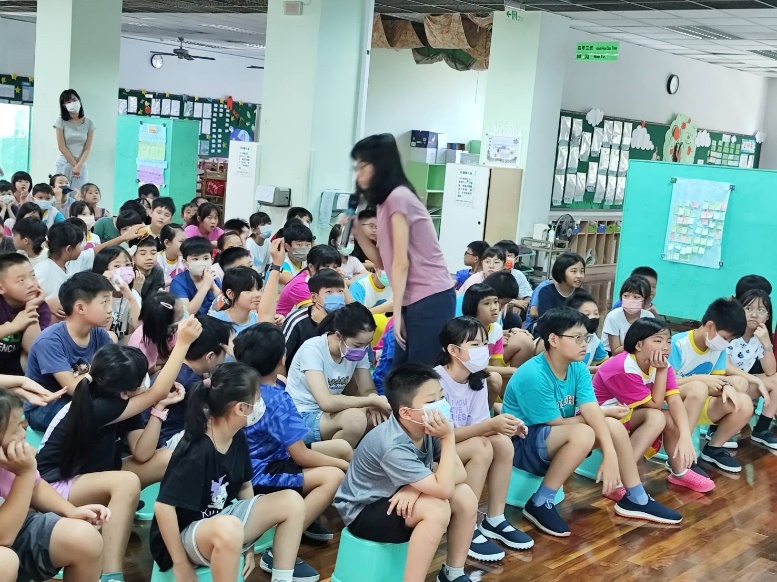
Purpose: To organize legal lectures, legal education, and discussions on related legal issues primarily in schools in the Keelung area. Process: Through discussions between speakers and civics teachers and instructors from various schools, the speakers will gain an understanding of the legal knowledge taught in high schools, thereby strengthening students'' basic legal knowledge and concepts. Effectiveness: A total of 12 legal education activities were conducted this year.
Sustainable impact: This initiative focuses on promoting civic and legal literacy by organizing a series of legal education seminars across high schools in the Keelung area. The program aims to strengthen students' understanding of fundamental legal concepts and civic responsibility. Each session includes expert lectures and panel discussions with civic education teachers and instructors, allowing mutual exchange and curriculum alignment between high schools and universities.A total of 12 sessions were held during the year, fostering collaboration among regional schools and enhancing the accessibility of quality legal education. The program not only improved students' legal awareness but also built a bridge between secondary and higher education institutions, aligning with the university's mission of social responsibility and lifelong learning.This initiative supports SDG 4.3 indicators by expanding access to inclusive education (4.3.1–4.3.2), enhancing academic-industry-community collaboration (4.3.3–4.3.4), and promoting educator professional development and engagement (4.3.5).
活動目的:主要在基隆地區之學校舉辦法律專題演講、法治教育及討論相關法律問題。 活動過程:透過講者與各校公民老師、教官之座談,以利演講者了解高中所教授之法律知識,以更加健全學生基本之法律常識與概念。 活動效益:本年度共計執行完成12場次法治教育活動。
永續影響力: 本活動以推動公民法治教育為核心,於基隆地區各高中舉辦法律專題講座及討論課程,旨在深化學生法律素養與公民意識,協助建立正確的法治觀念。講者除進行專題演講外,亦與各校公民老師、教官進行座談,針對高中法治教育內容交換意見,以強化教學實務與學習需求之連結。本年度共完成12場次活動,涵蓋基隆地區主要學校,形成校際合作與知識共享的教育網絡。此計畫不僅強化學生的基本法律常識與社會責任感,也促進高中與大學間的教育銜接與經驗交流,展現大學作為教育推廣與社會責任實踐者的角色。整體符合 SDG 4.3 系列指標:4.3.1–4.3.2:擴大教育與技能培訓的可近性與多樣化;4.3.3–4.3.4:促進大學與高中教育的接軌及社區參與;4.3.5:強化教師與教育工作者的專業成長與合作交流。

Evidence:
https://usr.ntou.edu.tw/var/file/90/1090/img/1658/125388933.pdf
https://usr.ntou.edu.tw/var/file/90/1090/img/1658/532978779.pdf
- Assist with legal consultation services in the Keelung area. 協助基隆地區法律諮詢服務
Purpose: People's lives are closely intertwined with the law, and a lack of legal knowledge often puts them in a difficult position when facing problems. Process: People often imagine legal issues as involving court proceedings, leading them to believe that legal matters are laborious, tedious, and serious. However, legal consultations can help people understand the issues at issue and better determine whether litigation is warranted or whether mediation or conciliation can be used to resolve the dispute. With this in mind, the National Taiwan Ocean University Legal Services Club has hired attorneys to assist graduate students in conducting legal consultations, addressing legal issues raised by the general public and providing legal insights for reference. Benefits: Legal consultations were held every Monday, with a total of 20 sessions conducted.
Sustainable impact: This initiative by the NTOU Legal Service Society aims to enhance public legal literacy and promote civic justice. Collaborating with professional legal consultants, graduate students provide weekly free legal consultation sessions, assisting citizens in identifying legal issues, understanding litigation procedures, and exploring alternative dispute resolutions such as mediation or settlement.A total of 20 legal service sessions were held throughout the year, covering topics including civil disputes, labor issues, and consumer rights. The program not only empowers citizens with legal knowledge but also serves as an experiential learning platform for law students, enabling them to apply academic theory in real-world contexts.Through community engagement and interdisciplinary mentorship, this project exemplifies the integration of education, service, and social responsibility, aligning with SDG 4.3 indicators—ensuring inclusive lifelong learning opportunities (4.3.1–4.3.2), promoting practice-based education (4.3.3–4.3.4), and enhancing professional competence and civic participation among educators and students (4.3.5).
活動目的:人民生活與法律息息相關,而缺乏法律知識往往使民眾在面對問題時陷入窘境。 活動過程:民眾對處理法律問題的想像往往停留於上法院對簿公堂,使得他們認為法律問題既勞師動眾又沉悶嚴肅。然而,進行法律諮詢能夠讓民眾了解問題的爭點,也能較能判斷該問題是否需要提起訴訟,或能以調解或和解協調爭端。國立臺灣海洋大學法律服務社以此為宗旨,特聘律師顧問協助研究生舉辦法律面談諮詢服務,受理一般民眾法律問題,提供法律見解以供參考。 活動效益:於每週一舉行法律諮詢,共計辦理二十次法律服務諮詢活動。
永續影響力: 本活動以「提升民眾法律素養、推動法治社會」為核心宗旨,透過國立臺灣海洋大學法律服務社的學生與律師顧問合作,定期辦理法律面談與諮詢服務,協助一般民眾釐清法律爭點、了解訴訟程序,並提供專業法律見解作為參考。此計畫以每週一為固定諮詢日,全年共辦理二十場次,內容涵蓋民事、家庭、消費糾紛及勞資爭議等議題。活動不僅協助民眾以理性、非對抗方式解決爭端,也讓法律系學生得以在實務中鍛鍊面談與法律分析能力,達成學用合一的教學目標。藉由社區參與與專業輔導機制,該活動落實教育公平、終身學習與社會責任精神,具體呼應 SDG 4.3 系列指標:4.3.1–4.3.2:促進全民可近且具包容性的教育機會;4.3.3–4.3.4:推動實務導向教學與跨域學習;4.3.5:強化教職員與學生專業能力及社會參與。

Evidence:
https://ils.ntou.edu.tw/p/406-1048-53788,r1198.php?Lang=zh-tw
https://usr.ntou.edu.tw/var/file/90/1090/img/1658/190357791.pdf
- Coral Primary School 珊瑚小學堂
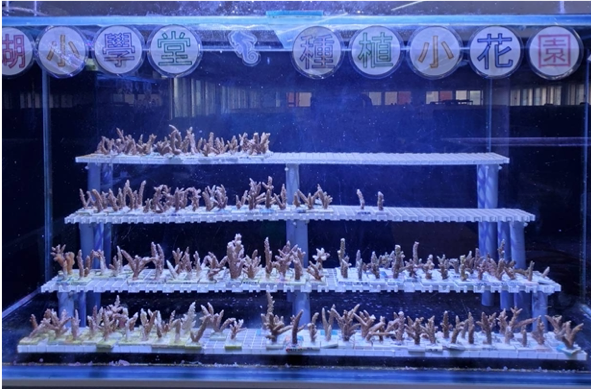
New Taipei City Marine Coral Education Promotion Project for 2024, subsidized by the Ocean Affairs Council, the New Taipei City Government will offer eight free Coral Primary school sessions every Saturday and Sunday, with each session accommodating 60 participants. Parents can join their children online to learn about coral-related knowledge. The course content includes:
- An introduction to coral, featuring the types, characteristics, and current ecological challenges faced by corals in the Northeast Coast;
- Participants will hand-paint their own coral bases and plant corals on them themselves, contributing to coral restoration efforts.
The aim of this educational initiative is to engage more people in understanding the importance of coral and marine life conservation. A coral farm has been established in the Marine Resources Restoration park for coral cultivation. It provides professional coral farming techniques and related conservation advice to the technical staff of the New Taipei City Fisheries and Fishing Ports Management Office, with the goal of preserving the coral in the Northeast Coast waters. Currently, 5,000 coral specimens are being cultivated within the park.
Sustainable impact: NTOU implemented the "New Taipei Coral Marine Education Promotion Project", supported by the Ocean Affairs Council. The initiative offered eight weekend sessions of free "Coral School" programs for families, combining online lessons with hands-on coral restoration activities. Participants learned about coral species, ecological challenges, and conservation practices, then created and planted coral bases to support reef recovery.In parallel, a coral farm was established within the Marine Resource Restoration Park, successfully cultivating over 5,000 coral colonies. The project also provided technical training and guidance to the New Taipei Fisheries and Harbor Management Office to strengthen local restoration capacity.Through education and practical engagement, the project enhanced public environmental awareness and supported marine biodiversity conservation. It aligns with SDG 14.2.2 (protect and restore marine ecosystems) and SDG 4.3.4 (integrate environmental education for sustainable development).
承辦新北市政府113年獲得海洋委員會補助的「新北市海域珊瑚海洋教育推廣工作計畫」,每週六、日開設8梯次免費「珊瑚小學堂」活動課程,每梯次60個名額,讓家長帶著小朋友一起在線上學習珊瑚相關的知識,課程內容包含:
- 認識珊瑚課程,介紹東北角的珊瑚種類、特徵及目前面臨的生態挑戰;
- 由學員親手彩繪自己的珊瑚基座,親手在上面種植珊瑚,為珊瑚的復育盡一份心力。
希望在教育推廣工作中,讓更多民眾一起參與,讓大家瞭解珊瑚及海洋生物保育的重要性。在海洋資源復育園區,設立珊瑚農場,養殖珊瑚,提供專業的珊瑚養殖技術及相關保育珊瑚的意見給新北市漁業及漁港事業管理處的技術員人,保育東北角海域的珊瑚,目前一共培育5,000株珊瑚在園區當中。
永續影響力: 本校承辦新北市政府「海域珊瑚海洋教育推廣工作計畫」,透過每週末開設的八梯次「珊瑚小學堂」,以免費線上課程形式向親子族群推廣海洋生態知識與珊瑚保育觀念。課程內容包括認識東北角海域珊瑚種類、生態現況與威脅,並設計實作活動如珊瑚基座彩繪與人工珊瑚種植,讓學員親身參與復育體驗。此外,在海洋資源復育園區設立珊瑚農場,現已成功培育5,000株珊瑚,並將技術與管理經驗提供給新北市漁業及漁港事業管理處,建立地方永續復育機制。本計畫不僅提升民眾海洋保育意識與參與度,也深化環境教育與科學實踐的結合,落實 SDG 14.2.2「保護海洋生態系」及 SDG 4.3.4「推廣永續發展教育與環境素養」之精神。

Evidence:
https://www.beclass.com/rid=284d88d6652055693c26
https://usr.ntou.edu.tw/var/file/90/1090/img/1658/859810693.pdf
- NTOU Industry-Academic Project 海大萬里路產學深耕計畫
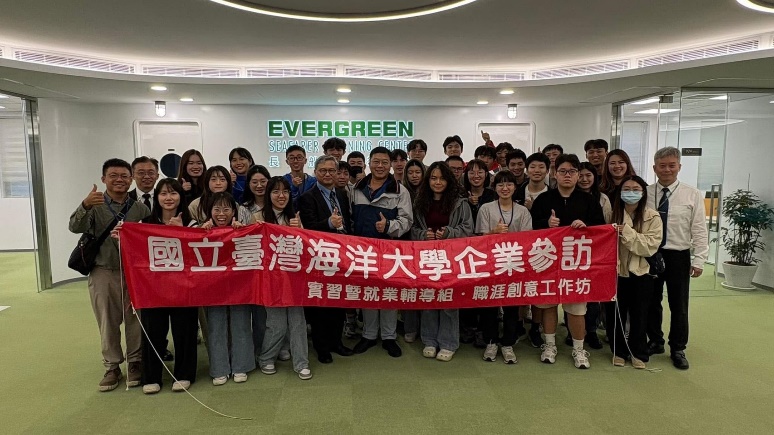
Through on-site visits to companies, students can understand the current status of the industry, and help them gain exposure to corporate structures, business concepts and internal operations, absorb learning from them, and turn them into valuable experience in planning future career development and employment directions, providing students with valuable experience in college. Have the correct concepts when entering the workplace. To achieve the educational goals of integrating learning and application and shortening the gap between industry and academia between schools and enterprises. By visiting companies to understand the requirements for professionals, students can prepare themselves for employment before graduation and strive for promotion and training opportunities in relevant companies. At the same time, it helps students actually understand the employment environment and internal operations of the industry.
Sustainable impact: This program organizes industry visits to help students gain first-hand understanding of corporate operations, management philosophies, and workplace structures. Through direct engagement with enterprises, students develop awareness of professional skill requirements, strengthen their career planning, and prepare for future employment.The initiative bridges the gap between academic learning and industry practice, enhancing students’ adaptability and competitiveness in the job market. It also promotes collaboration between the university and enterprises, supporting the goal of integrating theory with practice.By equipping students with practical insights and career-oriented skills, this initiative aligns with SDG 4.3.4, which emphasizes equal access to quality tertiary and vocational education that supports employability and sustainable professional development.
藉由實地參訪企業,使同學瞭解產業現況,並協助其接觸企業結構、經營理念及內部運作情形,從中吸收學習,化為規劃未來職涯發展及就業方向的寶貴經驗,給予學生在大學時具備踏入職場的正確觀念。使學校與企業之間達成學用合一、縮短產學差距之教育目標。並透過參訪企業了解專才需求條件,讓學生們畢業前便做好職前準備,並一步爭取相關企業晉用與培訓之機會。同時協助學生們實際瞭解產業的就業環境與內部作業。
永續影響力: 本計畫透過安排學生實地參訪企業,讓同學深入了解產業現況、經營理念及組織運作方式,進而掌握專業技能與職場實務經驗。學生可藉此了解企業對專業人才的需求條件,並思考自身的職涯方向與能力發展。活動不僅有助於學生建立正確的職場觀念,亦讓其於在學期間提前進行職涯規劃與求職準備。同時,企業參訪活動亦促進校企間的合作交流,達成「學用合一、產學接軌」的教育目標。此舉不僅強化學生的就業競爭力與實務能力,更回應 SDG 4.3.4 所強調的「透過高等教育與技職培訓,提升青年與成人的職場技能與永續就業能力」。

Evidence:
https://www.instagram.com/p/CrS0ON_LM1u/?hl=es-la&utm_source
- Coastal Survey 海岸踏查課程
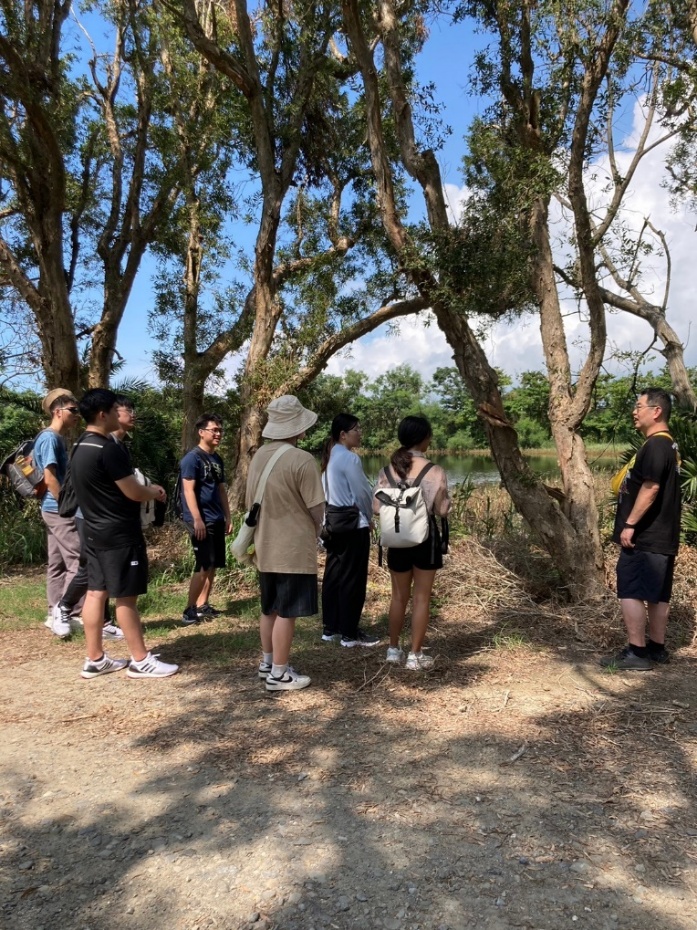
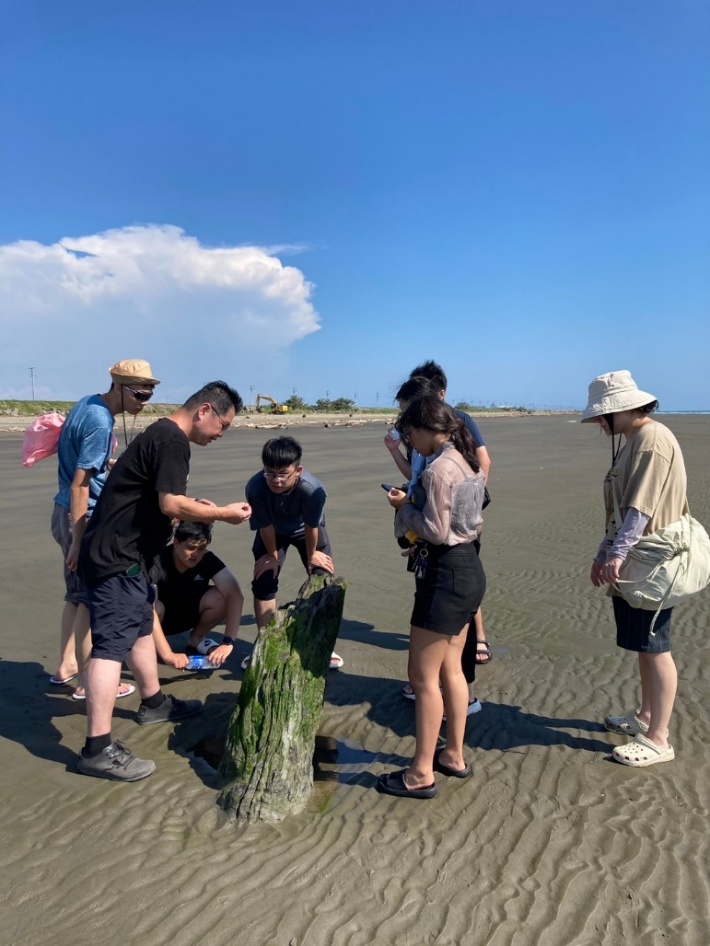
Leading a group of eight students from the Department of Aquaculture and Department of Environmental Fisheries, we visited industries in Yunlin and the surrounding township industries. Over a week, we conducted field surveys along the western coast, wetlands, aquaculture ponds, and the Taiwan Sea Bream Ecological and Creative Park, as well as morning and late-night fish markets. By actually getting into the water to touch clams, tasting local delicacies, fishing, and environmental surveying, we gained an understanding of the local culture, industry, and aquaculture issues in Yunlin and coastal townships. These experiences, vastly different from classroom learning, were shared and discussed in our course. Only by truly experiencing the unique local flavors can one deeply understand the area and be motivated to engage in the local industry. This course activity aims to cultivate talent and integrate it with local resources to foster collaboration and share with the school and local startups. It encompasses four major categories: resources, environment, humanities, and industry, in line with the USR project that echoes the SDGs. The expected social impact includes providing diverse knowledge and experiences to project partners, local revitalization NGOs, student startups, partner schools, and the general public.
Sustainable impact: This course engaged eight students from the Aquaculture and Environmental Fisheries Departments in a week-long field study across Yunlin and nearby coastal towns. Activities included visiting wetlands, aquaculture ponds, fish markets, and the Taiwan Tilapia Eco Park, as well as hands-on experiences such as clam digging and local cuisine tasting.Through direct interaction with local communities and industries, students gained practical insights into regional culture, sustainable aquaculture, and coastal livelihoods. The course integrated four key themes—resources, environment, culture, and industry—under the framework of University Social Responsibility (USR), fostering collaboration between academia, NGOs, and local industries.By combining field experience with classroom reflection, the program bridges theory and practice, aligns with SDG 4.3.4, and cultivates sustainability-oriented professionals equipped for future challenges.
帶領養殖系與環漁系共8名學生走訪雲林及周遭地區鄉鎮產業,透過一周實地踏查課程走訪西部海岸、濕地、養殖池、台灣鯛生態創意園區以及早市與深夜魚市場,憑藉實際下水體驗摸文蛤、品嘗在地特色美食、釣魚、環境踏查等活動,了解雲林及沿海鄉鎮的在地風土民情、產業與養殖議題的結構,透過實地踏查與遊歷之中獲取與課堂截然不同之感受,並將心得在課程中分享交流。唯有實際感受過在地獨有的風味,更深入地了解在地,增加投入場域產業的誘因。 此課程活動藉由落實人才培育與導入、與場域資源共創共享,孵育學校與在地新創團隊。分別以資源、環境、人文、產業等四大範疇,結合呼應SDGs的USR計畫執行,分別透過預期對社會之影響包括針對計畫參與夥伴、地方創生NGO或學生新創團隊、夥伴學校乃至社會大眾,提供多元主題之認知與體驗。
永續影響力: 本課程帶領養殖系與環漁系共8名學生前往雲林及周邊鄉鎮,進行為期一週的產業踏查與文化體驗。學生透過實際下水摸文蛤、探訪濕地與養殖池、參觀台灣鯛生態創意園區及魚市場等活動,深入了解地方產業運作、風土人情與環境永續議題。課程著重於從「資源、環境、人文、產業」四大面向進行觀察與學習,學生並於課堂中進行心得分享與反思,強化理論與實務的結合。透過此體驗式學習,不僅培養學生的跨域理解與地方關懷,也促進學校與社區、NGO及在地產業之合作,共創USR(大學社會責任)成果,落實 SDG 4.3.4 的教育與永續目標。
Evidence: https://usr.ntou.edu.tw/p/412-1090-13071.php?Lang=zh-tw
- Marine Biotechnology and Industry 海洋生物與產業
This course invites academic experts or industry experts which relate to the development of the marine science and technology to give lectures at National Taiwan Ocean University, exploreing topics ranging from the aquaculture industry to the application of marine biotechnology in medical research. The course explains how marine biotechnologyrelated research academic experts move from basic research to commercialization models for industrial applications, which not only helps 1st-grade students to have a initial understanding of the current situation of marine biotechnology and the actual operation of related industries, but also having a initialunderstanding for the future industrial development direction.
Sustainable impact: This course invited experts and industry professionals from the marine technology and biotechnology sectors to deliver lectures on topics such as aquaculture development and the application of marine biotechnology in medical research.Speakers shared insights on how fundamental scientific research can be translated into practical industrial applications and commercial models, providing students—especially freshmen—with an early understanding of the marine biotechnology industry's structure and development trends.By linking classroom learning with real-world practices, the program bridges academia and industry, enhances students' professional awareness, and fosters their career planning and innovation capacity.This aligns with SDG 4.3.4, which promotes practical, industry-linked education that strengthens the connection between learning and employment in higher education.
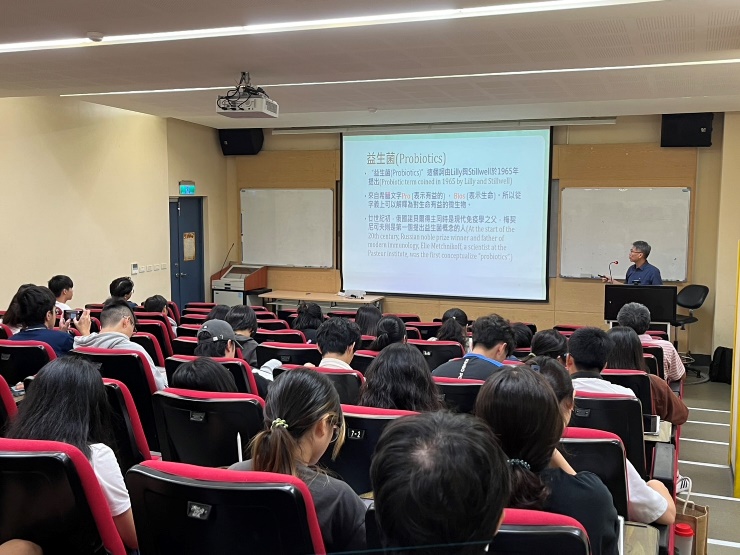
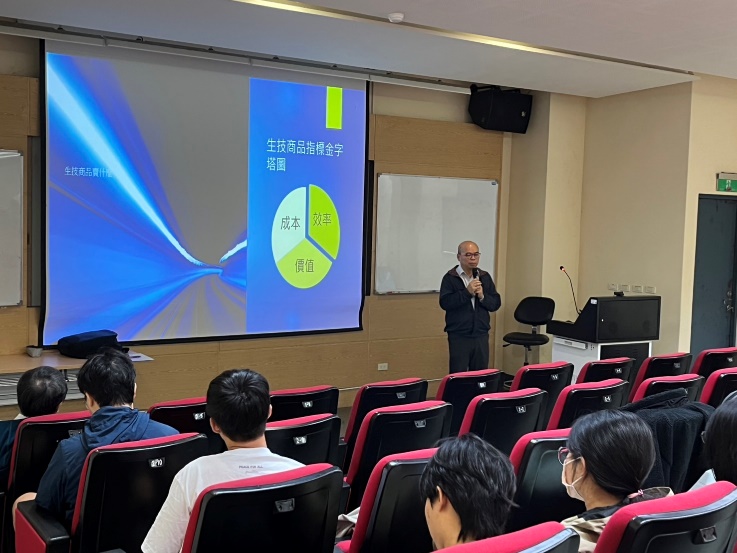
本課程主要邀請與海洋科技產業發展相關之學者專家或產業人士至海大演講,探討主題從養殖產業到海洋生物技術於醫學研究之應用不等,課程說明海洋生物科技相關研究學者如何自基礎研究跨足至產業應用的商業化模式,有助於大學一年級的學生能夠初步瞭解海洋生物科技現況與相關產業的實際運作,以及其未來發展方向。
永續影響力: 本課程邀請海洋科技相關領域的學者專家與產業人士蒞校演講,內容涵蓋養殖產業、海洋生物技術以及其於醫學研究中的應用。講者分享如何將基礎科研成果轉化為具商業潛力的技術與產品,並介紹海洋生物科技產業的現況、挑戰與未來趨勢。課程特別針對一年級學生設計,幫助他們建立對產業結構與研究實務的初步認識,並啟發其職涯方向與跨領域思維。透過與業界專家的互動,學生得以理解學術研究與企業應用之間的連結,培養創新與就業競爭力,實踐 SDG 4.3.4 所倡導的「學用接軌、終身學習與技術導向教育」。
Evidence:
https://cls.ntou.edu.tw/p/406-1038-104573%2Cr358.php?Lang=zh-tw&utm_source
https://tec.ntou.edu.tw/p/406-1019-94329,r1301.php?Lang=zh-tw
Marine Science and Technology Talent Cultivation Program Focusing on “strengthening the connection between high school and university education,” this program actively promotes diverse educational collaborations through six major initiatives:
- Establishing a High School Strategic Alliance: Promoting Ocean Education and Sustainability The university has established a nationwide “Friendly High School Strategic Alliance” in collaboration with 29 high schools and vocational schools across Taiwan, jointly promoting ocean education and the concept of sustainable development. Through curriculum guidance, special lectures, and educational activities, the program assists high schools in designing ocean-themed courses, encourages students to approach future challenges with interdisciplinary thinking, and cultivates young talents with ocean literacy and a global perspective.
- Blue Ocean Discovery Program: Guiding Career Exploration through Interdisciplinary Practice The “Blue Ocean Discovery Program” offers two main themes—Marine Science and English Literacy—inviting first-year students from high schools and vocational schools in the Taipei metropolitan area to participate in hands-on experiments and exploratory activities in university laboratories. Through these experiences, students gain first-hand understanding of university-level research operations and the practical applications of academic disciplines, helping them discover their personal interests and career aspirations.
- Professional Learning Community for Teachers: Collaborative Growth and Educational Partnership A cross-school professional learning community has been established, covering fields such as mathematics, biology, general education, and bilingual teaching. Through workshops, classroom observations, and curriculum design exchanges, the initiative helps high school teachers connect more closely with university-level education. In 2024, a total of 23 workshops were held, co-led by university professors and high school teachers. Through hands-on activities and discussions, this platform fosters cross-level collaborative learning, strengthens teaching innovation, and promotes the sharing of educational resources.
- Hi! Young Department Lectures and College Fairs: Promoting Educational Equity In 2024, a total of 44 “Hi! Young” departmental lectures were organized, with 40 faculty members visiting schools across Taiwan. Online sessions were also provided for schools in remote and island regions, allowing students to learn about various academic programs and hear personal career experiences. Additionally, the university participated in 58 college fairs nationwide, where an experienced counseling team offered one-on-one or small-group consultations. These efforts help students plan their educational paths based on their interests and abilities, embodying the principles of personalized learning and educational equity.
- Thematic Camps: Experiential Learning as the Foundation of Ocean Education In 2024, the university hosted eight high-quality thematic camps highlighting its unique research strengths. Through experiential learning, high school and vocational students engaged directly with the ocean—conducting experiments and participating in exploratory activities—to better understand scientific research and sustainability issues. These camps foster ocean literacy, environmental awareness, interdisciplinary thinking, and innovative problem-solving skills among students.
- Admissions Professionalization and Curriculum Alignment Symposium: Deepening Educational Collaboration To strengthen the connection between high school and university curricula and optimize admission strategies, the university held the 2024 Admissions Professionalization Symposium.
Representatives from high schools, university faculty, and admissions officers discussed topics such as curriculum design, the use of student learning portfolios, and student-centered admission approaches. Through case exchanges, the symposium enhanced mutual understanding of teaching philosophies and talent selection practices, further deepening cooperation between secondary and higher education.
Sustainable impact: The Marine Technology Talent Cultivation Program aims to strengthen the linkage between high schools and universities, promoting sustainable education and collaborative learning.Through six key initiatives—forming a National High School Alliance, launching the "Blue Ocean Discovery Program", creating interdisciplinary teacher learning communities, hosting Hi!Young departmental lectures and career fairs, organizing marine-themed experiential camps, and holding admission strategy forums—the program builds a long-term partnership model between secondary and higher education.It enhances students' understanding of marine science, fosters interdisciplinary and sustainability-oriented thinking, and supports fair access to education through outreach to remote and island schools.This initiative embodies SDG 17.2.2 by strengthening institutional partnerships for education and research, and SDG 4.3.4 by aligning higher education with practical, career-oriented, and sustainability-focused learning pathways.
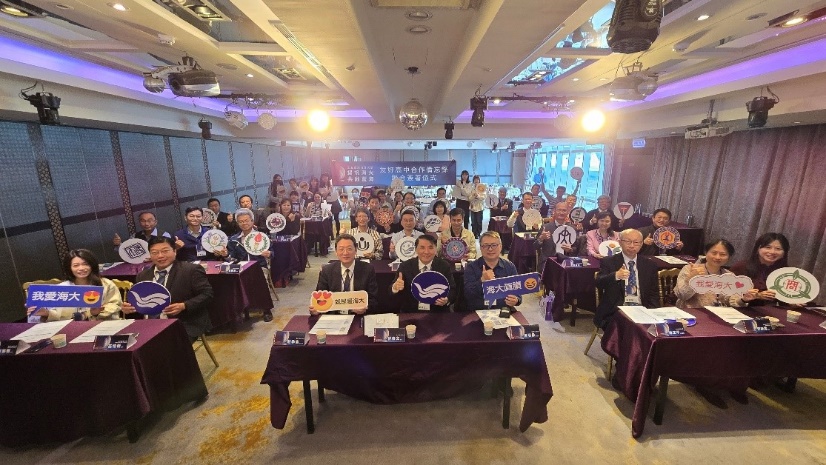
海洋科技人才培育計畫 以「深化高中與大學教育連結」為核心,積極推動多元教育合作,主要有以下六大面向:
- 建立高中策略聯盟:推動海洋教育與永續理念 本校成立全國性「友好高中策略聯盟」,與全臺29所高中職合作,共同推廣海洋教育與永續發展理念。透過課程輔導、專題講座與教育活動,協助高中規劃海洋主題課程,鼓勵學生以跨域思維面對未來挑戰,培育具海洋素養與國際視野的青年人才。
- 藍海拾貝課程:以跨域實作引導探索志向 推動「藍海拾貝課程」專班,開設「海洋科學」與「英文素養」兩大主題,邀請北北基地區高中職一年級學生進入大學實驗室進行動手實作與探索體驗。學生可親身理解大學研究的運作與學科應用,進而發掘興趣與志向。
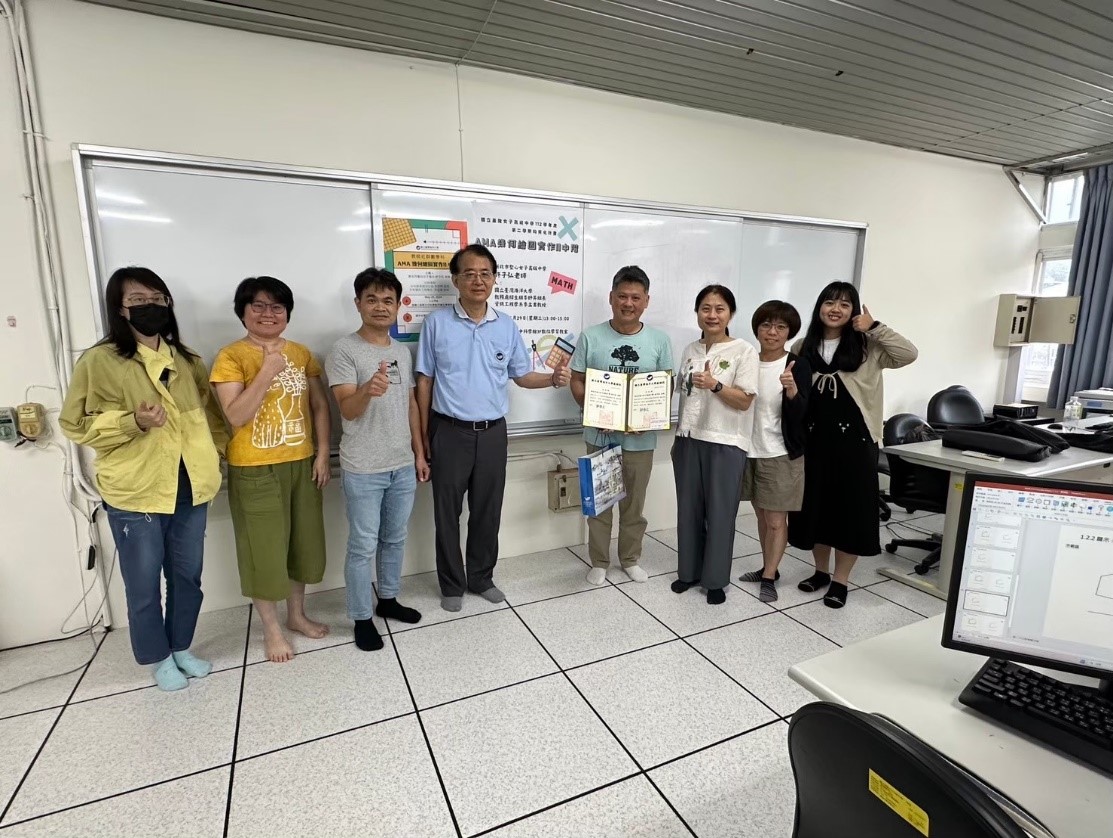
- 教師專業成長社群:共學共創的教育夥伴 成立涵蓋數學、生物、通識與雙語等領域的「跨校教師成長社群」,透過研習、觀摩與課程設計交流,促進高中教師接軌大學教育。2024年共辦理23場研習,由大學教授與高中教師共同參與,藉由實作與討論形成跨層級共學平台,強化教學創新與資源共享。
- Hi!Young校系講座與升學博覽會:推動教育公平2024年辦理44場「Hi!Young校系講座」,邀請40位教師親赴各地校園,也會以線上形式服務離島與偏鄉學校,分享學系特色與生涯經驗。另參與全臺58場升學博覽會,由經驗豐富的職員團隊提供一對一或小型諮詢,協助學生依興趣與能力擬定升學方向,實踐適性發展、教育公平的理念。
- 特色營隊:從體驗出發,扎根海洋教育2024年舉辦8場結合校系研究特色的「優質海洋特色營隊」,以體驗式學習帶領高中職學生親近海洋,透過實驗操作與探索活動,理解科學研究與永續議題。營隊培養學生海洋素養與環境意識,啟發跨域思考與創新解決問題的能力。
- 招生專業化與課程銜接座談會:深化教育合作 為促進高中與大學課程銜接及招生策略優化,本校於2024年舉辦「招生專業化座談會」,邀集高中代表、大學教師與招生人員就課程設計、學習歷程檔案應用及適性招生方向,透過案例交流強化雙方在教學理念與選才方式上的連結。
永續影響力: 本校推動「海洋科技人才培育計畫」,以深化高中與大學教育銜接為核心,建立跨層級的教育合作體系,展現大學社會責任與永續教育願景。計畫透過六大行動:成立「友好高中策略聯盟」推動海洋教育、開設「藍海拾貝課程」導入實作體驗、成立跨校「教師專業成長社群」、舉辦「Hi!Young校系講座」與升學博覽會、辦理結合海洋研究特色之營隊,以及舉行「招生專業化座談會」深化課程銜接與招生策略。此計畫強化高中與大學之間的長期夥伴關係,促進教育資源共享與人才培育合作,培養具備海洋素養、跨域能力及永續思維的新世代青年。同時藉由制度化的教育交流機制,達成SDG 17.2.2「促進跨層級教育合作夥伴關係」及SDG 4.3.4「推動高等教育與社會實踐接軌」的核心目標。

Evidence: https://academic.ntou.edu.tw/p/412-1005-12431.php?Lang=zh-tw
- National Museum of Marine Science and Technology Corporate internship 國立海洋科技博物館潮境智能海洋館企業見習
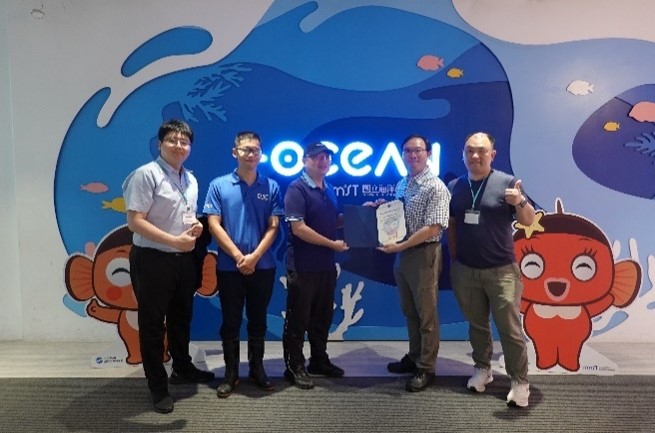
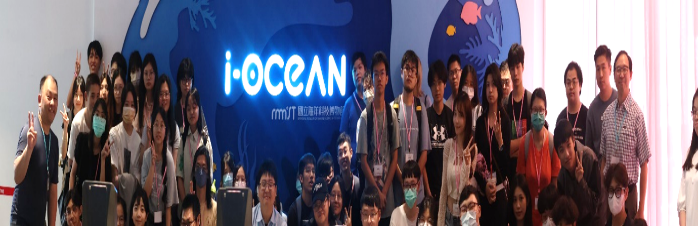
Assistant Researcher Tsai Yu-hong from the National Museum of Marine Science and Technology led teachers and students to explore the Tidal Zone Smart Ocean Hall. In addition to learning about various marine organisms, they also visited the Tidal Zone Workstation to understand the current status of coral and clownfish breeding and conservation.
Sustainable impact: Students and faculty from National Taiwan Ocean University visited the National Museum of Marine Science and Technology, guided by Research Assistant Yu-Hung Tsai.The group explored the Chaojing Smart Aquarium, learning about various marine species, and visited the Chaojing Marine Station to understand coral and clownfish breeding and conservation.Through hands-on observation and expert explanation, participants gained insights into marine biodiversity, ecological balance, and conservation techniques.This experiential activity integrates education and sustainability, embodying SDG 14.5.5 (marine ecosystem conservation) and SDG 4.3.4 (experiential learning and education–industry linkage), encouraging students to connect marine science knowledge with real-world environmental stewardship.
國立海洋科技博物館蔡宇鴻研究助理帶領師生認識潮境智能海洋館,除認識各種海水生物外,還拜訪潮境工作站,了解珊瑚與小丑魚的培育和保育現況 。
永續影響力:國立臺灣海洋大學師生參訪國立海洋科技博物館,由蔡宇鴻研究助理帶領師生深入認識潮境智能海洋館的展示內容,了解多樣的海水生物生態與棲息特性,並實地拜訪潮境工作站,觀察珊瑚及小丑魚的培育與保育流程。透過專業導覽與現場教學,學生不僅學習海洋生態系的運作原理,也理解保育技術與永續發展的重要性。此活動兼具教育與實作價值,讓學生從實地參訪中體驗海洋生物多樣性與復育行動的意義,具體落實SDG 14.5.5(保育與永續利用海洋生態)與SDG 4.3.4(深化教育實踐與學用接軌)之精神。
Evidence: http://bit.ly/3LwNIiW
- Promote the 'University Faculty and Student Practicum in Schweitzer's Spirit of Education Service Program 推動「大學師資生實踐史懷哲精神教育服務計畫」
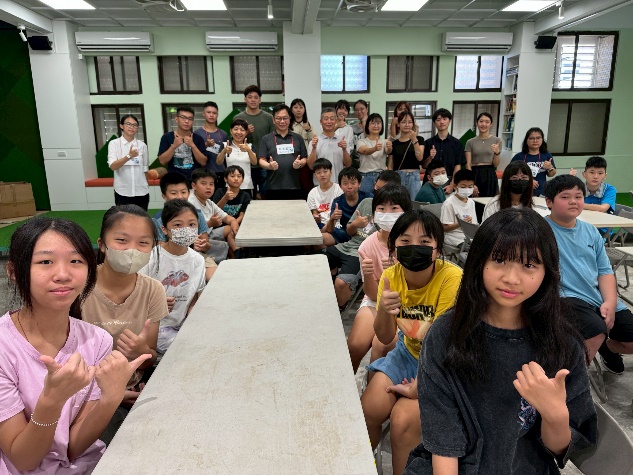
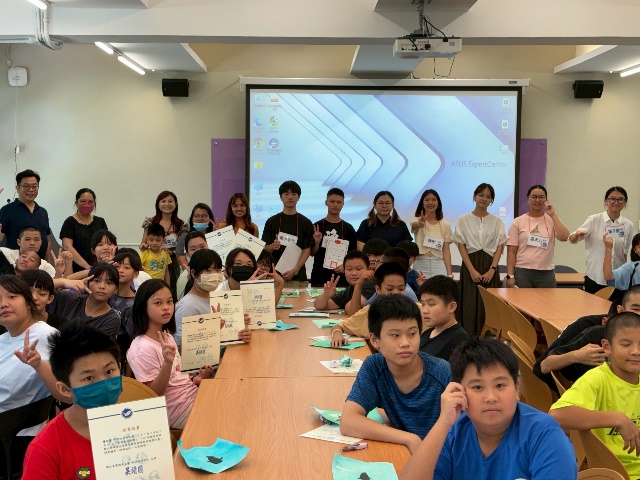
- Encourage students to practice Schweitzer's spirit of caring for the disadvantaged and providing professional services to embody the great love of education. National Taiwan Ocean University is implementing the 'University Faculty and Student Practicum in Schweitzer's Spirit of Education Service Program,' recruiting 20 students to support disadvantaged students academically. The Affiliated Keelung Maritime Senior High School of National Taiwan Ocean University and Keelung City Zhengbin Junior High School and . Keelung Municipal Badou Senior High School.
- In implementing this program, we aim to cultivate passionate students who will selflessly dedicate themselves to assisting disadvantaged students. Not only will these students enhance their professional skills, but they will also gain a profound understanding of the true meaning of care and dedication. They will apply their knowledge and skills to support these children's learning, providing them with valuable educational resources. This initiative is an opportunity for academic practice and a means to promote social equity.
Sustainable impact: The “Schweitzer Education Service Program” organized by the university recruits teacher-training students to provide tutoring for disadvantaged pupils in Keelung’s secondary schools. This initiative aligns with SDG 4.3.4 – Educational Outreach Activities Beyond the Campus. By sending teacher-training students to deliver academic support and mentorship outside the university, the program extends higher education’s impact to underserved learners and strengthens community connections. It represents a sustained, structured outreach effort that integrates service learning with professional development. In doing so, it advances both educational equity and lifelong learning, demonstrating the university’s role in applying academic expertise to social responsibility and inclusive community development.
- 鼓勵師資生實踐史懷哲關懷弱勢、專業服務之精神,以發揮教育大愛,國立臺灣海洋大學辦理「大學師資生實踐史懷哲精神教育服務計畫」,招募本校20名師資生至與國立臺灣海洋大學附屬基隆海事高級中等學校、基隆市立正濱國民中學、基隆市立八斗高級中學,辦理弱勢學生課業輔導。
- 這個計畫的實施過程中,我們希望培養一批充滿熱忱的師資生,他們將以無私的奉獻精神來幫助弱勢學生。師資生不僅能夠提升自己的專業能力,更能深刻體會到關懷與奉獻的真正意義。他們將把所學知識和技能投入到這些孩子的學習中,為他們提供寶貴的學習資源。這不僅僅是一個教育實踐的機會,更是一個促進社會公平的實踐。
永續影響力:本校辦理「大學師資生實踐史懷哲精神教育服務計畫」,師資生至基隆地區中學輔導弱勢學生課業,屬於 SDG4.3.4 校園外的教育外展活動。本計畫具備明確教育目的與持續實施性,落實高等教育資源回饋社會的理念。透過實地教學與服務學習,不僅強化師資生專業實踐,也促進教育公平與社區連結,符合終身學習與社會責任目標。
Evidence:
https://tec.ntou.edu.tw/p/406-1019-94329,r1301.php?Lang=zh-tw
- Elderly Health and Aquatic Therapy 教育部精準健康產業跨領域人才培育計畫高齡健康與水族療癒課程
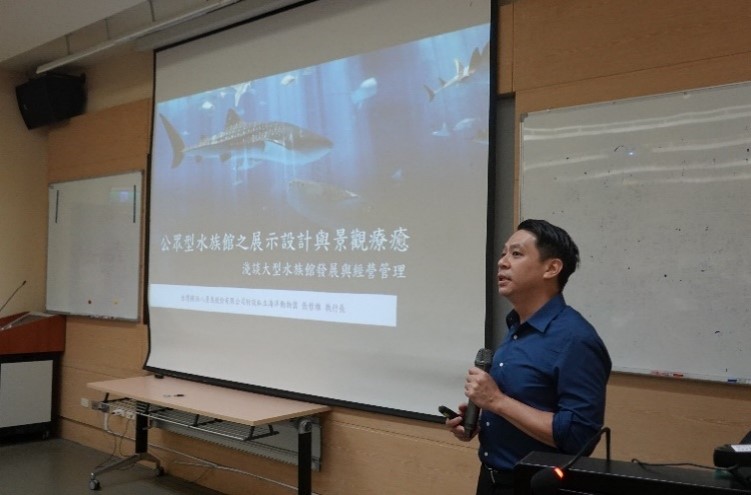
Ornamental aquariums include ornamental fish, shrimp, and aquatic ornamental plants, and can be extended to aquarium landscaping, ecological conservation, intelligent fish tanks. In recent years, due to the issue of physical and mental healing has become more important, nurturing aquatic creatures which can provide pleasant and treatment effect has drawn a lot of attention. Students enrolled in this course can learn from the basic ornamental aquarium system to the museum-level aquarium, from fish, shrimp, plants to landscaping and design of newly developed intelligent aquariums.
Sustainable impact: This course on aquarium science and aquatic landscaping integrates education with ecological sustainability, aligning with SDG 14.5.5 and SDG 4.3.4. It covers ornamental species breeding, aquatic plant design, and smart aquarium systems to enhance understanding of ecosystems and water management. Combining lectures and hands-on practice, it extends learning beyond the classroom. The program fosters appreciation for aquatic biodiversity and sustainable water interaction. It embodies lifelong learning and environmental stewardship.
觀賞水族包含了觀賞魚、觀賞蝦、水生觀賞植等,並可延伸到水族造景、生態保育、智能魚缸,可以有許多變化的可能性。近年身心療癒議題漸為人所重視,養育水族生物具有讓人心情愉悅的效果。本課程將從小型觀賞魚、蝦介紹到大型博物館的水族養殖,並也納入較少人介紹的水生植物造景與智能水族缸,希望盡可能將水族療癒的各種面向一一向學生介紹。
永續影響力:本課程以觀賞水族與生態造景為主題,兼顧教育推廣與環境永續,符合 SDG14.5.5 與 SDG4.3.4 精神。課程內容涵蓋魚蝦飼養、水生植物造景及智能水族缸管理,提升學生對水域生態與流域管理之認識,呼應 14.5.5 所倡導之「基於水生生物物種特定區域多樣性的流域管理策略」。同時課程採實作與展示並行,屬於 4.3.4 校園外教育外展活動 型態,透過體驗式學習促進環境教育與生態保育意識,結合教育與永續行動。

Evidence:
https://www.taiwanagriweek.com/forum-detail/mariculture-marine-fish/?utm_source
- 4th Joint Symposium on Advanced Mechanical Science and Technology (JSAMST) September 25th–28th, 2024, University of Hyogo, Japan 第四屆聯合先進機械科技研討會
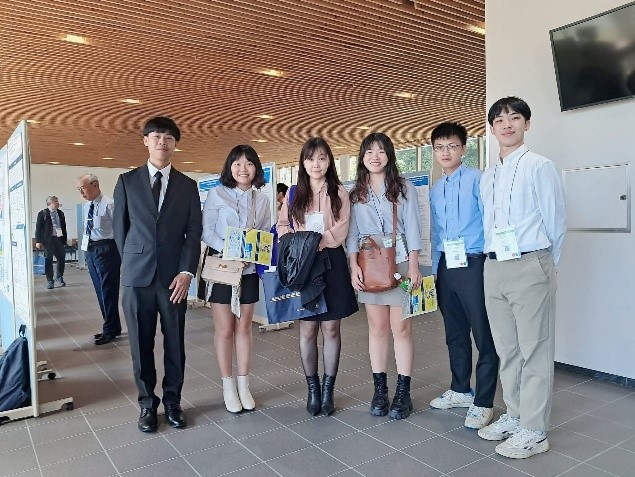
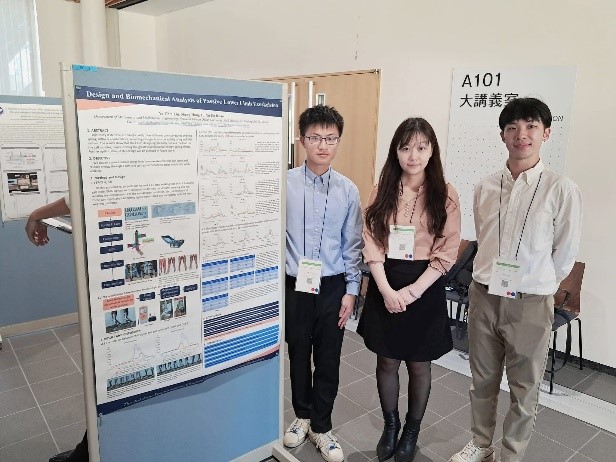
This academic symposium was jointly organized by the Department of Mechanical and Mechatronic Engineering of National Taiwan Ocean University, Osaka Metropolitan University (Japan), Fuzhou University (China), and the University of Hyogo (Japan). This year, the symposium was held at University of Hyogo. Faculty members and students from our department participated in the event. To provide students with more diverse and equitable learning and international communication opportunities, a total of seven faculty members led fifteen volunteer students to take part in the symposium, with partial financial support provided to the students. The participants included both undergraduate students and graduate students, all of whom had the opportunity to engage in academic exchange with international students in English. Among the participants, five of my undergraduate students and one graduate student took the initiative to join the event. To ensure that every willing student had the opportunity to go abroad, I encouraged them to participate. I hope that each project student can take this opportunity to experience international academic exchange and broaden their horizons. Before going abroad, the students worked diligently to enhance their experimental results and practiced their English poster presentations. During the symposium, they performed excellently, demonstrating solid preparation and confidence. After returning Taiwan, all the students expressed that they had greatly benefited from this experience, which contributed significantly to their academic growth and future development.
Sustainable impact: The academic symposium jointly organized by National Taiwan Ocean University’s Department of Mechanical and Mechatronic Engineering and partner institutions in Japan and China aligns with SDG 4.3.4 – Educational Outreach Activities Beyond the Campus.The event provided an international platform for students and faculty to present research, exchange ideas, and engage in academic discussions in English. By collaborating with universities such as Hyogo Prefectural University, Osaka Prefecture University, and Fuzhou University, the program promoted cross-border learning and research diversity.Through financial support and inclusive participation, the initiative ensured equal access to global learning opportunities, enhancing students’ technical expertise, communication skills, and cultural understanding—embodying the goals of inclusive, equitable, and internationally engaged higher education.
本活動由國立臺灣海洋大學機械與機電工程學系與日本大阪府立大學機械工程系、福州大學機械工程與自動化學院,以及日本兵庫縣立大學共同合作舉辦之學術研討會。本年度由日本兵庫縣立大學擔任主辦單位。本系師生積極參與,為使學生能獲得更多元且平等的學習與國際交流機會,本次共有七位老師帶領十五位自願參與的學生參加,並提供學生部分補助。參與學生包含大學部專題生與研究生,皆有機會以英文與國外學生進行學術交流。林育志副教授指導的五位專題生與一位研究生皆主動報名參加,為使學生都能有機會出國,所有有意願的學生我都讓他們參與。期望每位專題生都能藉此機會接觸國際學術交流,以拓展視野。學生們在出國前積極準備,補充實驗內容並練習英文海報與報告,在國外研討會中也有優異的表現。返國後,學生們皆表示此行收穫豐富,對學習與未來發展助益良多。
永續影響力:本校機械與機電工程學系與日本及中國多所大學共同舉辦學術研討會,屬於 SDG4.3.4 校園外的教育外展活動。該指標鼓勵高等教育機構在校園外推動教育與研究交流,促進終身學習與國際理解。本活動由多國大學合作主辦,學生以英文發表並參與跨校討論,不僅提升外語與專業能力,也拓展國際視野。透過師生共同參與與補助支持,展現大學推動教育平權與國際化學習的具體實踐。
Evidence:
https://www.eng.u-hyogo.ac.jp/4th-jsamst/index.html?utm_source