4.3.5
- Staff Training of NTOU 本校員工訓練
Professional development for faculty and staff is a crucial element for school growth. In the 2024, our school organised multiple training sessions for faculty and staff to help colleagues enhance the quality of their work, improve efficiency, and foster a better working environment. The relevant details are as follows:1. Environmental Education Training for Faculty and Staff In response to climate change and the global emphasis on ecological conservation, environmental education has become an urgent issue. To enhance the environmental literacy and ecological protection awareness of faculty and staff, and to promote the implementation of sustainable environmental concepts in daily operations, our school conducted two online sessions of "Environmental Education Training for Faculty and Staff" on 18 and 26 June 2024. The training featured two videos: one introduced practical carbon reduction concepts and environmental literacy applicable in daily life; the other explained the current status of marine development in Taiwan and internationally, trends in offshore wind power development, as well as recommendations for the development of marine technology and the offshore wind power industry. These sessions aimed to help colleagues broaden their horizons and improve their environmental literacy. 2. Administrative Staff Workshop With the rapid development of generative AI, and in order to enhance administrative staff's understanding and application abilities of AI, thereby utilising AI tools to strengthen administrative efficiency, our school held the "Administrative Staff Seminar" on 5th and 7th August 2024. The course invited professional instructors to guide colleagues in understanding ChatGPT prompt engineering, generative AI, and the practical operation of its derivative tools, enabling administrative staff to use emerging technologies to improve work quality and efficiency.
Sustainable impact: In 2024, NTOU organized multiple professional development workshops for faculty and staff, focusing on environmental literacy and generative AI applications. The environmental education sessions promoted sustainability awareness, while the AI workshops equipped administrative staff with practical skills to enhance efficiency and adapt to emerging technologies. These initiatives improved institutional capacity and fostered a culture of continuous learning. The program aligns with SDG 4.3.5 by strengthening educators' professional competencies and promoting lifelong learning, demonstrating the university's commitment to sustainable and innovative educational transformation.
教職員增能是使學校成長的重要環節。本校於113年度辦理多場教職員教育研習,協助同仁增進業務品質、工作效率與環境素養,相關說明如下: 一、教職員環境教育研習 因應氣候變遷及全球對生態保育的重視,環境教育已成為刻不容緩的議題。為提升教職員的環境素養與生態保護觀念,並促使環境永續理念落實於日常業務中,本校於113年6月18日及26日以線上方式辦理兩場「教職員環境教育研習」。 研習透過兩部影片,分別介紹生活中可實踐的減碳觀念與環境素養,與說明臺灣及國際海洋發展現況、離岸風電發展趨勢,以及海洋科技與離岸風電產業的發展建議,協助同仁拓展視野並提升環境素養。 二、行政人員研習會 隨著生成式AI快速發展,為提升行政人員對AI的認識與應用能力,進而運用AI工具強化行政效能,本校於113年8月5日及7日舉辦「行政人員研習會」。課程邀請專業講師帶領同仁,認識ChatGPT提示語工程、生成式AI及其衍生工具的實際操作,以利行政人員運用新興科技提升工作品質與效率。
永續影響力: 本校於113年度辦理多場教職員研習課程,內容涵蓋環境教育與生成式AI應用兩大主題。透過線上研習與專業講師指導,協助教職員提升環境素養、強化永續觀念,並培養運用AI工具提升行政效能的能力。此舉不僅提升校內人力資本品質,也使永續與科技教育融入日常管理與教學。該計畫符合 SDG 4.3.5「強化教育人員專業能力與終身學習機會」,展現高教機構在教育永續轉型中的引領作用。


Evidence:
https://personnel.ntou.edu.tw/p/412-1007-2429.php?Lang=zh-tw
https://personnel.ntou.edu.tw/p/412-1007-2437.php?Lang=zh-tw
- Information security education and training 本校資安教育適度提供教師及職員使用
Promote information security policies, conduct information security lectures and audits, and strengthen information security promotion and education training to enhance personnel's awareness and understanding of information security protection, protect the security of school information systems and assets, and comply with the specifications of information security regulations and management systems, and In order to assist personnel in completing information security general education training, we provide on-campus and foreign information security-related digital courses to facilitate teachers and staff to study at any time.
Sustainable impact: The university implemented a comprehensive information security policy, organizing training sessions, audits, and awareness programs to strengthen staff understanding of cybersecurity regulations and best practices. In addition, digital learning courses were provided to allow faculty and staff to complete cybersecurity education flexibly. These initiatives enhance institutional data protection while promoting professional development and digital literacy. The effort aligns with SDG 4.3.5 by advancing educators' lifelong learning and professional capacity, demonstrating the university's commitment to building a secure, sustainable, and digitally competent educational environment.
推動資訊安全政策,辦理資安講座及稽核,加強資安宣導及教育訓練,以提升人員資安防護意識及認知,保障學校資訊系統及資產安全,符合資安法規與管理制度之規範,且為協助人員完成資訊安全通識教育訓練,提供校內、外資安相關數位課程,方便教師及職員隨時進行研習。
永續影響力: 本校推動資訊安全政策,辦理資安講座、稽核與宣導活動,協助教職員瞭解資安法規與防護措施,同時提供校內外數位課程,方便教師與職員隨時進行線上研習。此舉不僅提升人員的資訊安全意識與技能,也促進教育環境之永續與安全。此計畫落實 SDG 4.3.5「強化教育人員專業能力與終身學習機會」,展現高教機構在培養數位素養與維護教育體系安全上的責任。
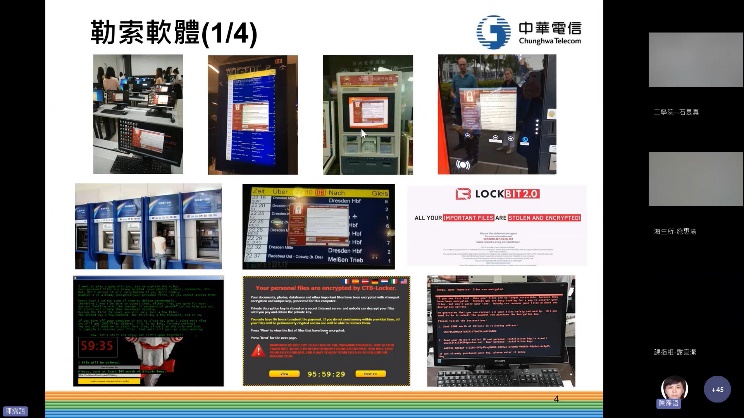
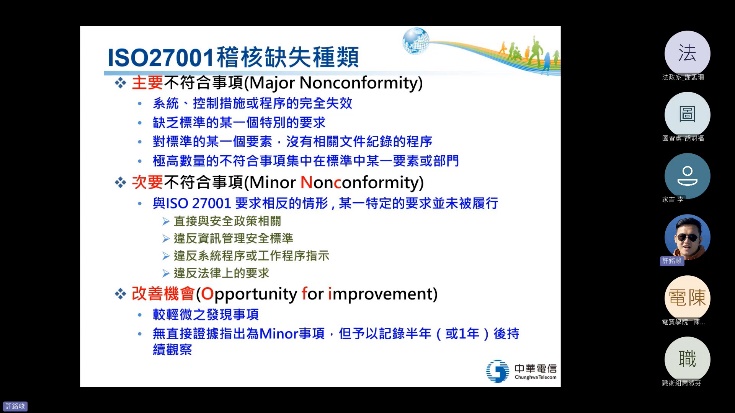
Evidence: https://cstudio.ntou.edu.tw
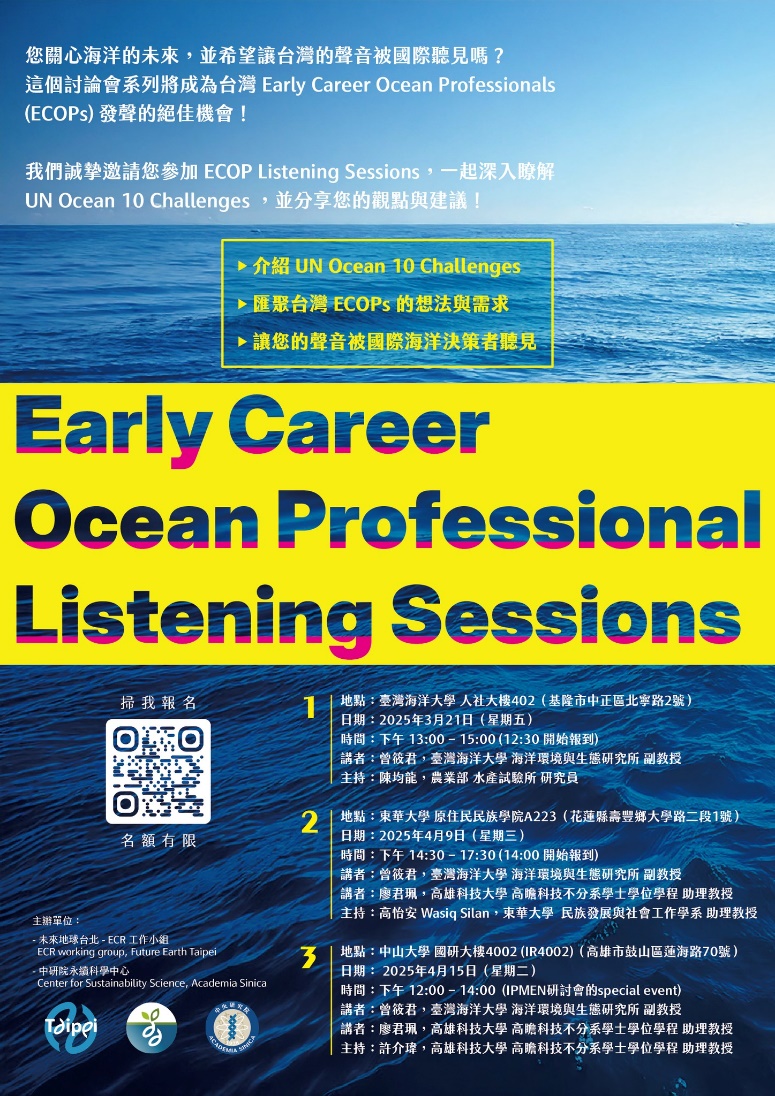
- Early Career Ocean Professional (ECOP) Listening Sessions 早期職業海洋專業人士 (ECOP)聆聽工作坊
The listening sessions revealed that youth from diverse backgrounds in Taiwan—ECOPs, Indigenous youths, and young Ocean Educators—share strong concerns about marine pollution and ecosystem degradation. Across all groups, ‘Challenge 1: Understand and beat marine pollution' and ‘Challenge 2: Protect and restore ecosystems and biodiversity' were consistently ranked among the top three priorities. While the third priority varied, each group brought unique perspectives shaped by their experiences and professional or cultural contexts. All participants acknowledged that Taiwan has demonstrated significant strengths in marine ecosystem restoration and possesses the capacity to contribute valuable expertise and technology to global ocean sustainability. However, over 60% of ECOPs and Indigenous youth participants had never heard of the UN Ocean Decade, largely due to Taiwan's exclusion from formal UN processes. Despite Taiwan's fisheries and shipping sectors ranking among the top globally, it remains excluded from many international negotiations, resulting in a critical gap in global ocean data and perspectives. The participants called for more inclusive and culturally grounded ocean governance that integrates the knowledge and efforts of non-state actors, including Indigenous communities. Their collective messages urge that Taiwan's marine expertise and perspectives be meaningfully included in international dialogues—ensuring ocean sustainability efforts reflect diverse voices and local realities.
Sustainable impact: This dialogue brought together Taiwanese youth—environmental advocates, Indigenous leaders, and marine educators—to address ocean pollution, ecosystem degradation, and inclusive governance. Participants noted Taiwan’s strengths in marine restoration but its exclusion from UN Ocean Decade initiatives. Over 60% were unaware of the UN Ocean Decade, revealing a need for global engagement. The forum called for culturally inclusive ocean governance integrating Indigenous knowledge and non-state expertise. It aligns with SDGs 4.3.5, 14, and 17, advancing education, sustainability, and global cooperation.
聆聽環節發現,來自不同背景的台灣青年——環保青年、原住民青年和青年海洋教育者——都對海洋污染和生態系統退化有著強烈的擔憂。在所有群體中,「挑戰一:了解並戰勝海洋污染」和「挑戰二:保護和修復生態系統與生物多樣性」始終位列三大優先事項之列。雖然第三個優先事項各不相同,但每個群體都根據自身的經驗、專業或文化背景提出了獨特的觀點。所有參與者都承認,台灣在海洋生態系統修復方面展現出顯著優勢,有能力為全球海洋永續發展貢獻寶貴的專業知識和技術。然而,超過 60% 的環保青年和原住民青年參與者從未聽說過聯合國海洋十年,主要是因為台灣被排除在聯合國正式進程之外。儘管台灣的漁業和航運業在全球名列前茅,但它仍然被排除在許多國際談判之外,導致全球海洋數據和觀點有重大缺口。與會者呼籲更具包容性、以文化為基礎的海洋治理,整合包括原住民社群在內的非國家行為體的知識和努力。他們共同呼籲,將台灣的海洋專業知識和觀點有效納入國際對話,確保海洋永續發展努力反映多元聲音和本土現實。
永續影響力: 本活動匯集來自不同背景的台灣青年,包括環保青年、原住民青年及海洋教育者,共同探討海洋污染、生態系退化及多元文化參與等議題。與會者一致認為,台灣在海洋生態修復上具備專業能力與技術優勢,應積極參與全球海洋治理。然而,超過六成的青年未曾聽聞「聯合國海洋十年」,顯示台灣在國際海洋永續進程中被邊緣化的困境。與會者呼籲建立更具包容性的國際對話平台,納入原住民與非國家行為者的知識與經驗,並促進海洋教育與文化治理的融合。此舉不僅推動跨文化合作與教育提升,也體現SDG 14「海洋生態永續」、SDG 17「夥伴關係」、及SDG 4.3.5「教育與專業能力增能」之核心精神。
Evidence: https://www.facebook.com/photo.php?fbid=691210616572785&id=100070515593897&set=a.220356423658209
- Assisting Keelung's primary and secondary schools and communities in promoting legal education 協助基隆地區中、小學及社區推動法治教育
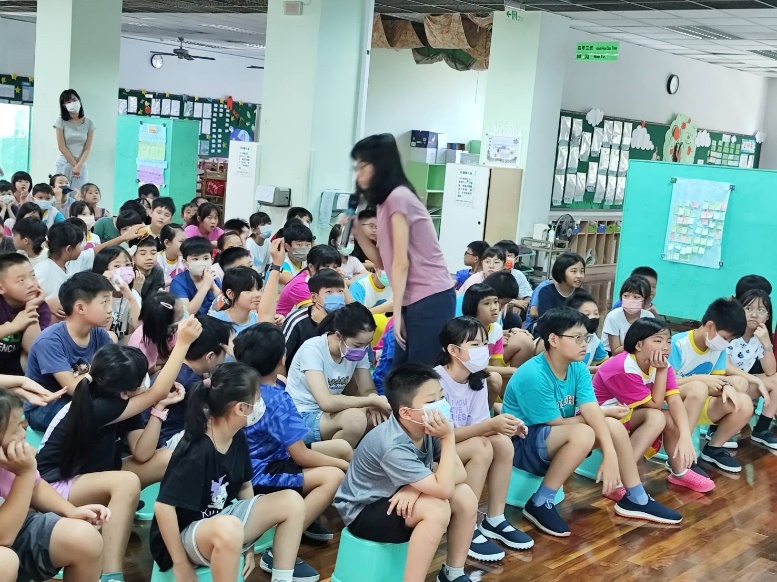
Purpose: To organize legal lectures, legal education, and discussions on related legal issues primarily in schools in the Keelung area. Process: Through discussions between speakers and civics teachers and instructors from various schools, the speakers will gain an understanding of the legal knowledge taught in high schools, thereby strengthening students'' basic legal knowledge and concepts. Effectiveness: A total of 12 legal education activities were conducted this year.
Sustainable impact: This initiative focuses on promoting civic and legal literacy by organizing a series of legal education seminars across high schools in the Keelung area. The program aims to strengthen students' understanding of fundamental legal concepts and civic responsibility. Each session includes expert lectures and panel discussions with civic education teachers and instructors, allowing mutual exchange and curriculum alignment between high schools and universities.A total of 12 sessions were held during the year, fostering collaboration among regional schools and enhancing the accessibility of quality legal education. The program not only improved students' legal awareness but also built a bridge between secondary and higher education institutions, aligning with the university's mission of social responsibility and lifelong learning.This initiative supports SDG 4.3 indicators by expanding access to inclusive education (4.3.1–4.3.2), enhancing academic-industry-community collaboration (4.3.3–4.3.4), and promoting educator professional development and engagement (4.3.5).
活動目的:主要在基隆地區之學校舉辦法律專題演講、法治教育及討論相關法律問題。 活動過程:透過講者與各校公民老師、教官之座談,以利演講者了解高中所教授之法律知識,以更加健全學生基本之法律常識與概念。 活動效益:本年度共計執行完成12場次法治教育活動。
永續影響力: 本活動以推動公民法治教育為核心,於基隆地區各高中舉辦法律專題講座及討論課程,旨在深化學生法律素養與公民意識,協助建立正確的法治觀念。講者除進行專題演講外,亦與各校公民老師、教官進行座談,針對高中法治教育內容交換意見,以強化教學實務與學習需求之連結。本年度共完成12場次活動,涵蓋基隆地區主要學校,形成校際合作與知識共享的教育網絡。此計畫不僅強化學生的基本法律常識與社會責任感,也促進高中與大學間的教育銜接與經驗交流,展現大學作為教育推廣與社會責任實踐者的角色。整體符合 SDG 4.3 系列指標:4.3.1–4.3.2:擴大教育與技能培訓的可近性與多樣化;4.3.3–4.3.4:促進大學與高中教育的接軌及社區參與;4.3.5:強化教師與教育工作者的專業成長與合作交流。

Evidence:
https://usr.ntou.edu.tw/var/file/90/1090/img/1658/125388933.pdf
https://usr.ntou.edu.tw/var/file/90/1090/img/1658/532978779.pdf
- Assist with legal consultation services in the Keelung area. 協助基隆地區法律諮詢服務
Purpose: People's lives are closely intertwined with the law, and a lack of legal knowledge often puts them in a difficult position when facing problems. Process: People often imagine legal issues as involving court proceedings, leading them to believe that legal matters are laborious, tedious, and serious. However, legal consultations can help people understand the issues at issue and better determine whether litigation is warranted or whether mediation or conciliation can be used to resolve the dispute. With this in mind, the National Taiwan Ocean University Legal Services Club has hired attorneys to assist graduate students in conducting legal consultations, addressing legal issues raised by the general public and providing legal insights for reference. Benefits: Legal consultations were held every Monday, with a total of 20 sessions conducted.
Sustainable impact: This initiative by the NTOU Legal Service Society aims to enhance public legal literacy and promote civic justice. Collaborating with professional legal consultants, graduate students provide weekly free legal consultation sessions, assisting citizens in identifying legal issues, understanding litigation procedures, and exploring alternative dispute resolutions such as mediation or settlement.A total of 20 legal service sessions were held throughout the year, covering topics including civil disputes, labor issues, and consumer rights. The program not only empowers citizens with legal knowledge but also serves as an experiential learning platform for law students, enabling them to apply academic theory in real-world contexts.Through community engagement and interdisciplinary mentorship, this project exemplifies the integration of education, service, and social responsibility, aligning with SDG 4.3 indicators—ensuring inclusive lifelong learning opportunities (4.3.1–4.3.2), promoting practice-based education (4.3.3–4.3.4), and enhancing professional competence and civic participation among educators and students (4.3.5).
活動目的:人民生活與法律息息相關,而缺乏法律知識往往使民眾在面對問題時陷入窘境。 活動過程:民眾對處理法律問題的想像往往停留於上法院對簿公堂,使得他們認為法律問題既勞師動眾又沉悶嚴肅。然而,進行法律諮詢能夠讓民眾了解問題的爭點,也能較能判斷該問題是否需要提起訴訟,或能以調解或和解協調爭端。國立臺灣海洋大學法律服務社以此為宗旨,特聘律師顧問協助研究生舉辦法律面談諮詢服務,受理一般民眾法律問題,提供法律見解以供參考。 活動效益:於每週一舉行法律諮詢,共計辦理二十次法律服務諮詢活動。
永續影響力: 本活動以「提升民眾法律素養、推動法治社會」為核心宗旨,透過國立臺灣海洋大學法律服務社的學生與律師顧問合作,定期辦理法律面談與諮詢服務,協助一般民眾釐清法律爭點、了解訴訟程序,並提供專業法律見解作為參考。此計畫以每週一為固定諮詢日,全年共辦理二十場次,內容涵蓋民事、家庭、消費糾紛及勞資爭議等議題。活動不僅協助民眾以理性、非對抗方式解決爭端,也讓法律系學生得以在實務中鍛鍊面談與法律分析能力,達成學用合一的教學目標。藉由社區參與與專業輔導機制,該活動落實教育公平、終身學習與社會責任精神,具體呼應 SDG 4.3 系列指標:4.3.1–4.3.2:促進全民可近且具包容性的教育機會;4.3.3–4.3.4:推動實務導向教學與跨域學習;4.3.5:強化教職員與學生專業能力及社會參與。

Evidence:
https://ils.ntou.edu.tw/p/406-1048-53788,r1198.php?Lang=zh-tw
https://usr.ntou.edu.tw/var/file/90/1090/img/1658/190357791.pdf