13.3.1
- Environmental Education Series: Sustainable Oceans & Circular Resources 「永續海洋-循環資源」系列環境教育活動
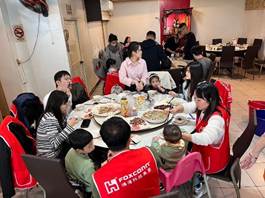
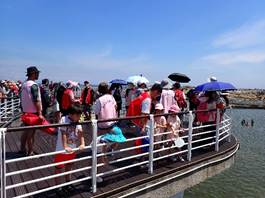
Sustainable use of marine resources has become a global consensus. Through marine environmental education, we convey concepts and hands-on practices in biological resource restoration, the circular economy, water safety, and the hazards of microplastics. Centered on the ethos of "clean the sea, understand the sea, get close to the sea, and enter the sea," our marine science outreach—combined with activities such as stock-enhancement releases and seed-stock cultivation—advances marine environmental policies and the goals of resource circularity. We completed 43 marine education sessions with a total of 3,156 participant attendances. Program content spanned coral introduction and conservation, coral planting and restoration, algae literacy, stock releases to coastal waters, microplastic hazards, fish and seaweed food education, coastal cleanups, geological field surveys, and on-water experiential activities.
Sustainable Impact: This initiative, centered on "Clean the Sea, Know the Sea, Approach the Sea, Enter the Sea," integrates ecological restoration, coral conservation, and microplastic awareness through experiential learning. It fulfills SDG 13.3.1 by promoting climate and environmental education, and SDG 13.3.5 through partnerships with NGOs on climate-related outreach. Activities such as coral propagation, marine species release, and pollution awareness align with SDG 14.2.2, 14.2.3, 14.3.1, and 14.3.3, which emphasize ecosystem restoration and pollution reduction. Additionally, coastal cleanups and coral planting support SDG 14.5.2 on marine conservation. The 43 public courses and hands-on experiences also correspond to SDG 4.3.4, representing off-campus educational outreach that enhances ocean literacy and encourages sustainable community engagement.
海洋資源永續利用已成為國際共識,透過海洋環境教育傳遞生物資源復育、循環經濟、水域安全及微塑膠危害之觀念與實際體驗,以「淨海、知海、近海、進海」為核心進行海洋科普教育,並搭配生物放流與種苗培植等活動,可落實海洋環保政策之推動與資源循環利用之目標,完成43場次之海洋教育課程,共計3156人次,活動內容涵蓋珊瑚介紹及保育、珊瑚種植復育、藻類知識科普、海域放流、微塑膠危害、食藻教育、海岸淨灘、地質踏查、食魚文化、水上體驗等一系列活動。
永續影響力:此活動以「淨海、知海、近海、進海」為主軸,結合生物復育、珊瑚保育與微塑膠防治等教育體驗,屬於SDG 13.3.1的氣候教育推廣及13.3.5與NGO合作推動氣候行動之實踐。同時透過海洋資源復育與生物放流,符合SDG 14.2.2、14.2.3及14.3.1、14.3.3對保護與復育海洋生態系及減少海洋污染的目標;再者,海岸淨灘與珊瑚種植亦落實SDG 14.5.2之海洋保護行動。而多場公眾課程與體驗教育則對應SDG 4.3.4之校外教育外展,推動全民海洋素養與永續行動。
Evidence:
https://www.facebook.com/watch/?v=1781814792357038
https://www.facebook.com/watch/?v=465669422909823
https://www.youtube.com/watch?v=cZoxPo4zIw8
https://www.youtube.com/watch?v=0LIpe_Lx1Zo
https://www.youtube.com/watch?v=POkOR121aWc
- Maritime Renewable Energy Alliance Center-Energy Turnover PBL Workshop海域再生能源聯盟中心-能源翻轉PBL工作坊 海域再生能源開發與海岸帶居民生活衝擊與調適
In the night state, images are not clearly recognized by computer vision. Therefore, this technology uses a UAV based a lidar to detect nighttime environmental information and recognize human characteristics. Using the background difference method and the algorithm of density-based spatial clustering of applications with noise (DBSCAN), the root mean square error and the surface state of the object are summarized as a condition to judge whether the object is human. The artificial intelligence algorithm of faster region-based convolutional neural network (Faster R-CNN) is used for skeleton recognition, and an automatic recognition system is established. As a result, the human-body recognition results of surface analysis and skeleton recognition are both up to 87.5 % in the nighttime environment. The website information of recognition results is established through the server terminal computer to present the current measured environmental state and recognize whether there is a human body in the nighttime environment. Eventually, the technology is applied to search the victims in the disaster relief environment and reduce the difficulty and time of night search and rescue.
Sustainable Impact: This technology employs LiDAR-equipped drones for nighttime detection, capable of identifying human features under low-light conditions to enhance disaster rescue efficiency and environmental monitoring. It aligns with SDG 13.3.1 by advancing education and technological application for climate adaptation and emergency response. The system's use of 3D surface fitting and spatial clustering supports SDG 14.2.1, contributing to coastal and terrestrial ecosystem monitoring. Through AI-based object recognition and data-sharing web platforms, it fulfills SDG 17.2.5's focus on interdisciplinary research collaboration and technological partnerships. Moreover, its energy-efficient, light-independent sensing capability exemplifies SDG 7.4.1, promoting innovative clean technology solutions for sustainable environmental management.
由於在夜間狀態下,電腦視覺無法明確判別物體的存在,然而光達可透過雷射掃瞄而不受光線影響。因此,本技術利用無人機以光達作為感測器主軸,以探測夜間環境資訊及辨別人體特徵。利用背景差分法和基於密度的空間聚類演算法(DBSCAN),透過曲面擬合計算出均方根誤差,歸納出物體表面狀態,作為判斷物體是否為人的一個條件。然後將其點雲資料進行影像處理,並以目標檢測法(Faster R-CNN)對形貌進行訓練及辨識,根據人體和物體特徵建立自動化辨識系統。最終,在夜間環境狀態下可即時測量出人體,並獲得最佳表面分析與骨架辨識成功率均有87.5%。並且透過伺服端電腦建立網站連結,呈現當下量測的環境狀態及識別環境是否存在人體,其效益可應用在救災環境下搜索罹難者,減少夜間搜救的困難及時間。
永續影響力:此技術以光達搭載無人機進行夜間偵測,能在低光環境下辨識人體特徵,提升救災效率與環境監測能力,符合SDG 13.3.1推動氣候災害應變教育與技術應用的目標;同時,其環境掃描與地表曲面擬合分析有助於沿岸與陸地生態監測,呼應SDG 14.2.1對海洋與濱海系統的保護研究;此外,系統整合AI影像辨識與資料共享平台,展現SDG 17.2.5強調的跨領域技術合作;而其高效率、低照度運作特性亦符合SDG 7.4.1提倡的智慧能源與永續科技創新應用。
Evidence: https://www.facebook.com/energyntou/
- Mao-ao Community Transregional Satoumi Network Communication Platform Conference 卯澳跨區域里海網絡交流平台會議
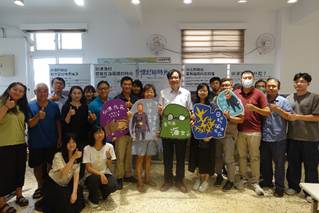
In recent years, coastal communities have faced formidable challenges to sustainable development arising from climate and environmental change, shifts in industrial structures, the exploitation and use of marine resources, and the inherent vulnerabilities of coastal zones. To examine the sustainable management of fisheries resources and related industries in these communities, the Satoyama Initiative—which advances a vision of harmony between human society and nature—and the Satoumi concept—which emphasizes the coexistence of people and the sea—offer a constructive framework. Together, they help balance marine eco-cultural landscapes with socio-ecological systems, support communities in practicing Satoumi, and thereby guide them toward sustainable development.
Since 2020, the Mao-ao community has convened focus group discussions for building Satoumi learning sites and has integrated marine environmental education curricula to develop a systematic Satoumi environmental education program and establish model sites, fostering sustainable coexistence between the livelihoods of fishing-village residents and the natural environment. In recent years, the community has worked to expand Satoumi experiential activities, promote citizen science (including intertidal monitoring, underwater transects, and water-quality assessments), and strengthen local ecological production landscapes as core components of Satoumi actions in fishing villages. On this basis, the present conference seeks to facilitate cross-regional exchanges among communities and stakeholders to examine local Satoumi awareness and developmental visions, strengthen partnerships among local organizations, enhance the integration of community-based management with marine environmental governance, and, in turn, formulate and refine strategies for the collaborative governance and sustainable development of coastal fisheries resources.
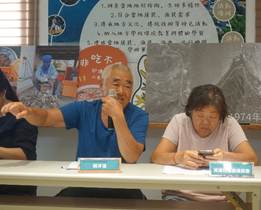
This platform conference, held on August 14, 2024, brought together representatives from the Marine Fisheries Division of the Fisheries Research Institute, Ministry of Agriculture; National Taiwan Ocean University; the Dayseechat Social Enterprise Platform; the New Taipei City Government’s Fisheries and Fishing Port Affairs Management Office; the Gongliao District Office; the Gongliao Fishermen’s Association; the Fulian Village Office; the Mao-ao Community Development Association; and the Taoyuan Stone Tidal Weir Association—for a total of 13 participants. Building on last year’s Mao-ao Satoumi platform meeting—which focused on issues such as wastewater discharge associated with recent tourism growth, severe turbidity and pollution in stream flows caused by intense rainfall and surface runoff with consequent impacts on the marine environment, and residents’ observations of links between climate change and species shifts, including proposals to adjust the closed season for Gelidium (石花菜) harvesting—this year’s efforts further incorporated two SEPLS (Socio-Ecological Production Landscapes and Seascapes) resilience-assessment meetings. These assessed the recovery rates of Mao-ao’s natural and social systems under disturbance, produced a more complete inventory of local natural and social resources, and began articulating improvement strategies. Accordingly, this conference aims to deepen cross-regional dialogue among communities and stakeholders regarding local Satoumi awareness and developmental trajectories, reinforce partnerships within local organizations, strengthen the linkage between communities and marine environmental management, and thereby devise and adjust collaborative governance and sustainable development strategies for coastal fisheries resources.
Sustainable Impact: This initiative embodies the Satoyama and Satoumi concepts, emphasizing harmony between human society and nature in the face of climate and environmental change. Through focus group discussions, marine environmental education, citizen science activities, and SEPLS resilience assessments, the project enhances local awareness of climate impacts on fisheries and ecosystems. It also strengthens community partnerships and participatory governance in coastal resource management. The program aligns with SDG 13.3.1 by promoting education, awareness, and institutional capacity to address climate change. By integrating science-based assessment and local wisdom, it empowers coastal communities to develop adaptive strategies and achieve long-term sustainability.
近年氣候與環境變遷、產業結構改變、海洋資源的開發利用及海岸地區脆弱性等,造成海岸社區的永續發展面臨許多嚴峻挑戰。為思考海岸社區的漁業資源與產業水續經營之問題,透過里山倡議所提出實現人類社會與自然和諧共處的願景,以及里海強調如何讓人類與海洋可以共存共生,促進海洋生態人文地景與社會生態系統的平衡,協助海岸社區來實踐里海,將有助社區朝永續發展邁進。 卯澳社區自2020年透過辦理里海場域建構之焦點團體座談及導入海洋環境教育課程,發展系統性的里海社區環境教育及典範場域建構,推動漁村社區居民生活與自然環境間之永續共存。近年致力於推廣里海體驗活動、公民科學(潮間帶觀察、水下側線、水質檢測等)、在地生產生態地景等漁村社區里海活動。基此,本會議期望透過跨區域社區與權益關係人的意見交流,探討在地里海意識與發展願景,並強化在地組織的夥伴關係,提升社區與海洋環境經營管理的連結,進而擬定及調整海岸漁村資源共同治理及永續發展策略。 本平台會議於113年8月14日舉行,邀請農業部水產試驗所海洋漁業組、海洋大學、小社區大事件社企平台、新北市政府漁業及漁港事業管理處、貢寮區公所、貢察區漁會、福連里辦公處、卯澳社區發展協會、桃園石滬協會等,人數共計13人,藉由會議共同探討卯澳里海場域發展議題與願景,去年卯澳里海平台會議,聚焦於近年觀光發展導致之汙水排放、強降雨沖刷地表造成溪水混濁及汙染,進而影響海洋生態環境,以及地方居民觀察氣候變遷與物種變化的關聯,提出石花菜禁採期調整等問題。今年更透過兩場SEPLS韌性評估會議,探討卯澳社區自然系統以及社會系統在衝擊下的恢復速度,將地方自然與社會資源盤點更加完整,並試圖提出改善策略。基此,本會議期望透過跨區域社區與權益關係人的意見交流,探討在地里海意識與發展願景,並強化在地組織內的夥伴關係,提升社區與海洋環境經營管理的連結,進而擬定及調整海岸漁村資源共同治理及永續發展策略。
永續影響力:本會議以「里山‧里海」理念為核心,推動海岸社區透過環境教育與跨域合作,強化氣候變遷下的社區韌性與海洋環境治理能力。活動結合焦點座談、公民科學觀測及韌性評估等方式,促進居民理解氣候變遷對漁業生態與生活環境的影響,並共同擬定永續策略。此舉落實SDG 13.3.1「提升教育、意識與人力以因應氣候變遷」,透過知識共享與地方參與,培養社區在自然衝擊下的恢復力與永續經營能力。
Evidence: https://satoumi.tw/
- Investigation on coastal wetland carbon sink and establishment of measurement methodology 建立海岸濕地碳匯量測方法學研究
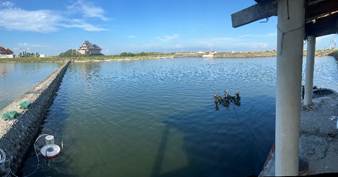
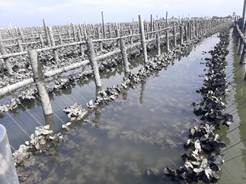
According to the Ministry of Agriculture''s key strategic action plan for Taiwan''s 2050 net-zero transition "Natural Carbon Sinks" released in April 2023, the current national greenhouse gas inventory report only includes forest carbon sink data in the "Land Use, Land-Use Change, and Forestry" section. Important carbon sink data for our country''s soil, ocean, and wetlands have not been included due to the lack of an MRV (Monitoring, Reporting, Verification) mechanism tailored to our environmental conditions, resulting in a lack of basic carbon sink inventory and annual variation data. Therefore, to understand the overall changes in carbon sequestration and the potential emission reductions in our country, it is essential to actively develop ocean carbon sink measurement methods, establish local coefficients, and develop baseline data. This project specifically targets coastal wetland carbon sinks (such as clam and oyster aquaculture) by conducting coastal wetland area surveys. Image recognition analysis showed overall accuracy (OA) between 80-90% and a Kappa coefficient ranging from 0.5-0.9. The bamboo raft area for oyster racks is approximately 285.3 hectares, and the hanging/suspended racks cover around 321.4 hectares. Analysis of coastal wetland carbon sink characteristics, carbon sink activity data, and local coefficients indicates that carbon storage capacities for oyster and clam farming are 353.98 ± 173.20 and 510.49 ± 474.42 t CO2e, respectively. The emission factor for CO2 are 1.52 ± 4.26 and 2.47 ± 8.32 t CO2e ha/yr, for CH4 are 1.31 ± 3.05 and 2.86 ± 6.97 t CO2e ha/yr, and for N2O are 0.16 ± 1.24 and -0.38 ± 0.92 t CO2e ha/yr, confirming that these systems are carbon sources. Through the execution of this project, we aim to construct baseline data for Taiwan's coastal wetlands, facilitating the future establishment of measurement and estimation methodologies, assessments of carbon sink enhancement potential, and verification protocols for carbon sink volumes.
Sustainable Impact: This project, aligned with Taiwan's 2050 Net-Zero Transition – Natural Carbon Sink Strategy, focuses on developing localized MRV systems (Monitoring, Reporting, and Verification) for coastal wetland carbon sinks, including clam and oyster aquaculture. Using satellite imagery and field data, the study established baseline datasets on carbon storage and greenhouse gas emissions, identifying both systems as net carbon sources.The results provide critical scientific evidence to improve national carbon accounting and enhance blue carbon management strategies. This initiative bridges scientific research with climate policy, filling data gaps in Taiwan's national greenhouse gas inventory.It directly supports SDG 13.3.1 (Enhancing climate education and awareness), 13.3.2 (Building climate research capacity), 13.3.3 (Developing MRV systems for climate monitoring), and 13.3.4 (Linking scientific data with policy implementation), demonstrating NTOU's leadership in advancing marine carbon science and supporting climate action through evidence-based research.
根據112年4月農業部發布之臺灣2050淨零轉型「自然碳匯」關鍵戰略行動計畫,目前我國國家溫室氣體清冊報告僅於《土地利用、土地利用變化及林業部門》章節中盤點及收納森林碳匯相關資料,我國土壤、海洋與濕地等重要碳匯量資料,因尚未依我國環境條件建立相符之MRV機制(Monitoring, Reporting, Verification),缺乏基礎碳匯量盤點及每年變動量等資料,因此,為瞭解我國整體碳匯變動量與可抵減之排放量,應積極建構海洋碳匯量測方法、建立本土係數與發展基線資料。本案針對海岸濕地碳匯(如文蛤與牡蠣養殖產業),進行海岸濕地面積調查,影像辨識結果顯示準確度OA多落在80-90%、Kappa係數落在0.5-0.9之間,竹筏式蚵架面積約為285.3公頃及平掛/垂吊式蚵架約為321.4公頃。分析其海岸濕地碳匯特性、碳匯活動數據及本土係數,結果顯示牡蠣及文蛤養殖之碳儲量分別為353.98±173.20 及510.49±474.42 t CO2e,二氧化碳排放係數分別為1.52±4.26及2.47±8.32 t CO2e ha /yr,甲烷分別為1.31±3.05及2.86±6.97 t CO2e ha /yr,氧化亞氮分別為0.16±1.24及-0.38±0.92 t CO2e ha /yr,皆為碳源(即碳排放)系統。透過本案之執行,期望可建構我國海岸濕地之基線資料,俾利未來建立量測與計量評估、增匯潛力估算與碳匯量認驗證方法之目標。
永續影響力:本計畫依據農業部「2050淨零轉型自然碳匯行動策略」,針對海岸濕地(包含文蛤與牡蠣養殖區)進行碳匯監測與盤查,透過影像辨識與統計模型,建立臺灣首批具本土化特徵的海洋碳匯基線資料。研究成果揭示不同養殖模式下的碳儲量與排放特性,並指出其仍屬碳源系統,顯示未來亟需增匯技術與碳管理優化。此研究有助於建構國家層級的海洋碳匯MRV機制(監測、通報、驗證),補足以往溫室氣體清冊中海洋與濕地碳匯資料的缺口,強化臺灣在氣候變遷下的碳管理與政策依據。本案呼應 SDG 13.3.1(提升氣候變遷教育與意識)、13.3.2(推動氣候行動研究能力)、13.3.3(建立氣候監測與驗證體系)、13.3.4(促進科學資料共享與政策連結),展現海洋大學在氣候科學與淨零實踐中的科研貢獻。
Evidence: https://www.frs.gov.tw/view.php?id=87&subtheme=&theme=FRS_FB&utm_source=chatgpt.com
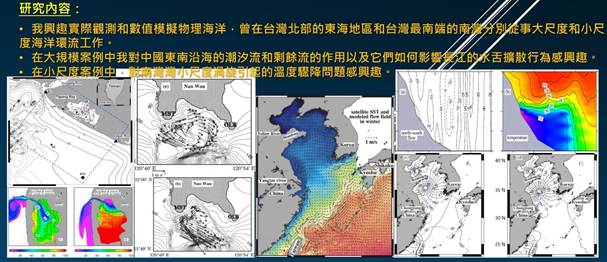
- Study on the Impacts of Monsoon and Ocean Currents on the Dynamic Characteristics of the Ecosystem in the Waters Surrounding the Taiwan Bank under Climate Change (I) — Main Project (1/3) and Subproject: Impacts of Tidal Currents and Wind Fields 氣候變化下季風與海流效應對台灣淺灘(Taiwan Bank)周邊水域生態系動態特性影響之研究(I)-總計畫(1/3)及子計畫:海潮流及風場效應對台灣灘週邊海域冷水湧升機制之影響
The Northwest Pacific is a globally significant fishing ground due to its high marine productivity, which supports key commercial fish species and contributes substantially to the global seafood supply. Two monsoon systems—the northeast and southwest monsoons—significantly influence Northwest Pacific oceanography by modulating ocean currents, sea surface temperatures, and nutrient dynamics. These changes, in turn, affect the region's marine ecosystems and fisheries productivity. This study aims to assess the impact of monsoons on the snapper fisheries in the Northwest Pacific using machine learning methods. The analysis covers the period from 2014 to 2019, evaluating the effects of monsoons on six snapper species under varying oceanographic conditions. Optimal values for sea surface average chlorophyll concentration and salinity were identified. The study also found that during both monsoon seasons, snapper catch rates in the southern waters of the study area consistently exceeded those in other regions. This research may enhance understanding of how oceanographic conditions influence marine ecosystems and fish populations, advocating for sustainable fishing practices and resource resilience, thereby promoting global sustainable development.
Sustainable Impact: This study applied machine learning methods to evaluate how monsoon dynamics influence snapper fisheries in the Northwest Pacific from 2014 to 2019. Results indicate that higher sea surface chlorophyll-a and salinity levels correspond to increased fishery productivity, suggesting strong links between nutrient cycling, hydrological variability, and ecosystem response.The analysis also revealed that the southern waters of the study area consistently showed higher catch rates during both monsoon seasons, reflecting regional effects of climate-driven oceanic processes.By integrating big data and artificial intelligence into climate-fishery interaction studies, this research enhances understanding of climate impacts on marine ecosystems and supports the development of sustainable fishing and resource recovery strategies. The study aligns with SDG 13.3.1, advancing climate-related scientific capacity, education, and adaptive management for global sustainability.
西北太平洋為全球重要漁業生產海域,其主因是它的水域生產力很高,維持著重要的商業魚類品種,並對世界海鮮供應做出了巨大貢獻。兩個季風(東北季風和西南季風)透過調節洋流、海面溫度和營養物擾動對西北太平洋海洋學產生重大影響。這些變化反過來又影響該地區的海洋生態系統和漁業生產力。因此,本研究旨在利用機器學習方法評估季風對西北太平洋鯛魚漁業的影響。評估了2014年至2019年不同海洋條件下季風對六種鯛魚的影響。海表平均葉綠素濃度和海表平均鹽度的優選值較高。研究還發現,在兩個季風季節,研究區域南部水域的鯛魚漁獲量始終高於該地區的其他水域。這項研究可能有助於了解海洋條件對海洋生態系統和魚類種群的影響,並倡導永續捕撈方法和資源恢復能力,從而促進全球永續發展。
永續影響力:本研究以西北太平洋為研究區域,針對2014年至2019年間的氣候與海洋環境資料,利用機器學習模型分析東北與西南季風對鯛魚漁業生產的影響。結果顯示,海表葉綠素濃度與鹽度為影響漁獲量的主要因子,兩者的優選值均較高,顯示營養鹽循環與水文條件對漁業資源有顯著關聯。研究亦指出,在季風季節期間,南部水域的漁獲量普遍高於其他區域,顯示氣候與洋流對生態系統生產力的區域性效應。本研究透過人工智慧技術分析氣候變遷對漁業的潛在影響,不僅增進對氣候與海洋生態互動的理解,也為永續漁業管理提供科學依據,呼應 SDG 13.3.1 強調的氣候科學研究與教育推廣,並推動全球海洋資源的永續利用。
Evidence: https://cruise.oc.ntu.edu.tw/csr/NOR30233
- The 16th University Consortium on Aquatic Science (UCAS) 第十六屆水環境科學高校聯盟研討會
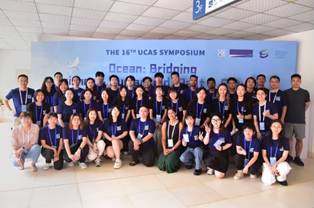
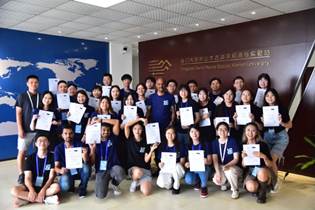
National Taiwan Ocean University (NTOU), The University of Hong Kong (HKU), Xiamen University (XMU), and National Sun Yat-Sen University (NSYSU) hold the "University Consortium on Aquatic Sciences (UCAS)" every year. This seminar is fully led by graduate students, including the itinerary, agenda, and discussions. Teachers only play a consulting role, mainly in training students to organize and manage international academic seminars supplemented by mutual encouragement of academic research. Arrangements and conference reports are all conducted in English. The 16th University Consortium on Aquatic Science (UCAS) was held at the Dongshan Swire Marine Station in Zhangzhou, Fujian, China, with the theme “Ocean: Bridging Science and Humankind, Past and Future.” The three main member universities participating in this year's consortium were National Taiwan Ocean University (NTOU), The University of Hong Kong (HKU), and Xiamen University (XMU). In addition, National Sun Yat-sen University (NSYSU) and East China Normal University (ECNU) were invited to join for academic exchange and research collaboration. From NTOU, one faculty member and eleven students participated in the consortium, which took place in Xiamen, China, from June 11 to 17, 2024. A total of about 51 students attended the event, and approximately 10 students delivered oral presentations each day over the four-day seminar.
Sustainable Impact: The University Consortium on Aquatic Sciences (UCAS) jointly organized by National Taiwan Ocean University, the University of Hong Kong, Xiamen University, and Sun Yat-sen University exemplifies the objectives of SDG 13.3.1 and SDG 17.2.4.
Led entirely by graduate students, the conference promotes academic exchange and research collaboration on aquatic environments and climate-related issues, advancing SDG 13.3.1, which focuses on climate education and knowledge-sharing. Conducted in English, the event enhances communication and fosters global scientific literacy on marine and environmental sustainability.
At the same time, UCAS builds long-term partnerships among leading universities in the region, aligning with SDG 17.2.3, which emphasizes cross-border cooperation in higher education. Through joint presentations, discussions, and field visits, the consortium cultivates international research competence, strengthens institutional collaboration, and supports the development of young scholars committed to sustainable and climate-resilient futures.
本校與香港大學、廈門大學和中山大學每年舉辦「水環境科學研究高校聯盟研討會University Consortium on Aquatic Sciences (UCAS)」,研討會由研究生全面主導,包括行程、議程和討論都由研究生自己安排,會議報告都以全英文進行,教師僅扮演諮詢角色、主要培養學生的組織和辦理國際學術研討會的經驗,輔以互相勉勵學術研究的精進。 第十六屆水域科學大學聯盟(University Consortium on Aquatic Science, UCAS)於中國福建漳州的東山太古海洋站舉行,主題為「海洋:連結科學與人類,過去與未來」(Ocean: Bridging Science and Humankind, Past and Future)。本次會議的三所主要成員學校包括國立臺灣海洋大學(NTOU)、香港大學(HKU)及廈門大學(XMU),另邀請國立中山大學(NSYSU)及華東師範大學共同參與學術交流與研究合作。本校共有1位教師及11位學生參加此次聯盟活動,於2024年6月11日至17日前往中國廈門。整個研討會共有約51名學生參與,每天約有10位學生進行口頭報告,活動進行4天。
永續影響力:本校與香港大學、廈門大學及國立中山大學共同舉辦「水環境科學研究高校聯盟研討會」,符合 SDG13.3.1 與 SDG17.2.4 之指標精神。該研討會由研究生主導,以全英文進行,促進氣候變遷與水環境議題的學術交流,呼應 SDG13.3.1 對氣候教育與研究的重視。同時,本活動建立多校跨國合作網絡,落實 SDG17.2.4 強調之通過國際合作和研究,審查對比方法並研發實現可持續發展目標的最佳國際實踐方案,培養青年科研人才的全球視野與永續研究能力。
Evidence: https://mel.xmu.edu.cn/info/1135/27098.htm
- Senior Citizens Learning Camp 樂齡大學
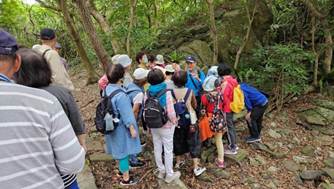
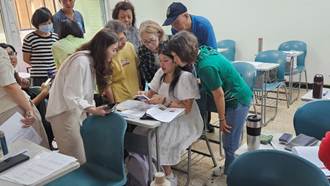
The Senior Citizens Learning Camp is committed to promoting healthy aging and lifelong learning, enabling seniors to learn and grow in a high-quality campus environment. By combining university faculty, teaching facilities, and diverse courses at affordable costs, the program provides high-quality educational content that promotes active aging and lifelong learning practices. Elderly students can learn and interact with young students, expanding interpersonal connections and intergenerational understanding while opening new life perspectives. For elderly students who were unable to attend university in their youth, the Senior Citizens Learning Camp provides an opportunity to return to campus, achieving educational equity and inclusive learning. The curriculum emphasizes health promotion and practical life applications, covering topics such as hygiene and safety, balanced nutrition, medication safety, exercise and wellness, and mental health. These courses help seniors establish healthy lifestyles. Courses such as "Medication Safety and Health Preservation for Seniors" and "Practical Acupressure and Health Maintenance" all aim to promote physical and mental health and delay aging. The university also promotes student volunteer services and community partnerships, disseminating concepts of hygiene, nutrition, exercise, and healthy aging through health lectures and service activities. Furthermore, the curriculum design integrates sustainable development and environmental education, including topics such as "Sustainable Development: Protecting Environment and Health" and "Wetland Ecology." These courses help students understand the risks, impacts, mitigation strategies, and adaptation measures related to climate change. Through classroom discussions and field learning, the program strengthens awareness of environmental protection and green living, encouraging seniors to practice energy conservation, carbon reduction, and resource recycling in their daily lives, thereby advancing climate action education. Through wetland visits and coastal conservation learning, the program promotes seniors' understanding and protection of marine and aquatic ecosystems. By fostering community co-learning and action, the program cultivates students' civic awareness and sense of responsibility for ecological conservation, working together to protect sustainable aquatic environments.
Sustainable Impact: The Senior Learning University of National Taiwan Ocean University embodies the principle of “Education for all ages, learning without end,” integrating health promotion, environmental sustainability, and community engagement. Its curriculum covers physical wellness, nutrition, mental health, sustainable development, and climate action, while incorporating marine and wetland ecological education to raise awareness of environmental protection and ocean conservation.
Through courses such as Safe Medication Use for Seniors and Sustainable Development and Environmental Health, participants gain knowledge that promotes healthy aging and ecological responsibility. The program also provides open access to university resources—including classrooms, libraries, and sports facilities—enhancing inclusivity and lifelong learning opportunities.
This initiative aligns with SDG 13.3.1, 14.5.4, 3.3.2, 4.3.2, demonstrating how higher education can promote intergenerational learning, sustainable living, and environmental stewardship within local communities.
樂齡大學以教育為核心,串聯健康促進、環境永續與社區參與三大面向,實現「教育不分年齡、學習永不止息」的理念。透過多元課程與外展服務,促進高齡者健康老化、知識增能與社會連結。 藉由樂齡大學向社區開放教育資源,包含圖書館、電腦設備、教室、體育館、游泳池,提供社區民眾持續學習的機會。藉由樂齡大學計畫,促進教育資源共享與社區的共享,提升長者的學習權益、生活品質及社會參與度,促進教育普及與終身學習精神。 樂齡大學致力於推動健康老化與終身學習,讓長者能在優質的校園環境中學習與成長。透過結合大學師資、教學設備與多元課程,以親民的費用提供高品質教育內容,促進「活躍老化」與終身學習的實踐。學員能與年輕學生共同學習、交流,拓展人際互動與跨世代理解,同時開啟不同的人生視野。對年輕時未能進入大學的長者而言,樂齡大學提供重返校園的機會,實現教育公平與包容性學習。課程強調健康促進與生活實用性,內容涵蓋衛生安全、營養均衡、用藥安全、運動保健與心理健康,協助長者建立健康生活型態。課程如「銀髮族用藥安全與養生保健須知」、「筋絡實用按摩保健」等,皆以促進身心健康與延緩老化為目標。學校亦推動學生志願服務與社區合作,透過健康講座與服務活動推廣衛生、營養、運動與健康老化理念。 此外,課程設計融入永續發展與環境教育,內容包括「永續發展保護環境與健康」、「海岸濕地生態」等,協助學員了解氣候變遷的風險、影響、減緩與調適策略。透過課堂討論與實地學習,強化環境保護與綠色生活意識,鼓勵長者於日常生活中實踐節能減碳與資源循環,推動氣候行動教育。並透過濕地參訪與海岸保育學習,促進長者對海洋與水域生態系統的了解與維護。藉由社區共學與行動,培養學員生態保育的公民意識與責任感,共同守護永續的水域環境。
永續影響力:本校辦理樂齡大學以「教育不分年齡、學習永不止息」為理念,結合健康促進、環境永續與社區共學三大主軸。課程涵蓋養生保健、心理健康、永續發展與氣候行動等主題,並融入海洋與濕地生態教育,提升長者對氣候變遷與環境保育的理解。校方開放校園設施與資源,促進教育公平與跨世代共學。此計畫符合 SDG13.3.1, 14.5.4, 3.3.2, 4.3.2精神,兼具健康老化、教育普及、氣候行動與海洋素養推廣意涵,展現大學在終身教育與永續社會實踐的角色。
Evidence: https://senior.ntou.edu.tw/Default.aspx
- Investigation on aquaculture carbon sink and establishment of measurement methodology 養殖漁業碳匯調查及建立量測方法學研究
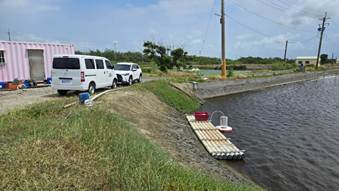
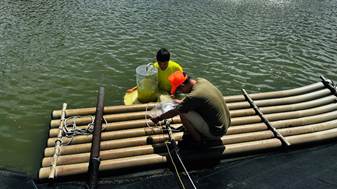
Due to the absence of a matching Monitoring, Reporting, and Verification (MRV) mechanism in our country, the national greenhouse gas emissions inventory has yet to establish wetland-related carbon sink data. In order to understand the overall carbon sink variations and potential reductions in emissions in our country, as well as to adhere to the three core principles (measurable, verifiable, and reportable) and five key characteristics (additivity, conservatism, permanence, avoidance of harm, and avoidance of double counting) required for future voluntary reduction projects, this project will focus on carbon sinks in aquaculture, including the milkfish and sea bass farming industries. We will measure the greenhouse gas emissions and carbon sinks in water bodies and sediments, and analyze their local coefficients. The goal is to accurately estimate the carbon sink or carbon source capabilities of wetlands in line with the international trend towards net-zero emissions and to achieve the domestic net-zero emissions policy objectives.
Sustainable Impact: This project addresses the current gap in Taiwan’s national greenhouse gas inventory, which lacks wetland carbon sequestration data. It focuses on measuring greenhouse gas emissions and carbon storage in milkfish and seabass aquaculture systems, including both water and sediment compartments, to establish localized carbon coefficients. The study supports the development of Taiwan’s Monitoring, Reporting, and Verification (MRV) framework and aligns with the three key MRV principles—measurability, verifiability, and reportability—as well as the five essential attributes of carbon management: additionality, conservativeness, permanence, avoidance of leakage, and prevention of double counting.
The outcomes will enhance national understanding of wetland carbon fluxes, inform voluntary mitigation programs, and contribute to net-zero strategies under SDG 13.3–13.4. Simultaneously, the research advances sustainable aquaculture and coastal wetland carbon management, aligning with SDG 14.2–14.3. By quantifying blue carbon potential and integrating it into national climate policy, this project builds a scientific foundation for low-carbon aquaculture and climate-resilient marine ecosystems in Taiwan.
因我國尚未建立相符之監測、報告與驗證機制(MRV),國家溫室氣體排放清冊尚未建立濕地相關碳匯量數據,為了解我國整體之碳匯變動量及可減少之排放量,以及未來自願減量專案中所需之三大原則(可量測、可驗證、可報告)和五大特性(外加性、保守性、永久性、避免產生危害及避免重複計算),本案將針對養殖漁業碳匯,包含虱目魚及鱸魚養殖產業,進行水體及底土之溫室氣體與碳匯量測,並分析其本土係數,期望可精確的推估濕地的碳匯或碳源能力,以符合國際淨零排放趨勢及達到國內淨零排放政策目標。
永續影響力: 本計畫針對我國尚未納入國家溫室氣體清冊之「濕地碳匯」議題,進行養殖漁業(虱目魚與鱸魚產業)水體與底土之溫室氣體排放與碳匯量測,建立本土化碳吸存係數,補足我國MRV(監測、報告、驗證)機制缺口。研究結果將有助於掌握濕地碳源與碳匯變動,為自願減量專案奠定基礎,符合「可量測、可驗證、可報告」三原則及五項碳管理特性(外加性、保守性、永久性、避免危害、避免重複計算)。 此研究不僅支援國家淨零排放政策與氣候治理(SDG13.3.1–13.4.1),亦促進海岸與養殖濕地的生態碳匯功能理解(SDG14.2.1–14.3.3),為台灣藍碳管理與低碳漁業發展提供重要實證依據。
Evidence:
- Contrasting CO2 Dynamics in Seagrass Meadows Between Organic Carbon (OC)‐Rich Reef and OC‐Poor Terrestrial Sediments: Implications for Enhanced Alkalinity Production 豐富有機碳珊瑚礁海草床與貧有機碳陸源沉積物海草床之間二氧化碳動態的對比:鹼度生成增強的啟示
Our paper, titled “Contrasting CO2 Dynamics in Seagrass Meadows Between Organic Carbon (OC)‐Rich Reef and OC‐Poor Terrestrial Sediments: Implications for Enhanced Alkalinity Production”, has been published in Geophysical Research Letters. The study highlights that seagrass meadows are increasingly recognized worldwide as a natural climate solution due to their strong potential for alkalinity‐driven carbon dioxide (CO₂) removal, representing a potentially overlooked mechanism of ocean carbon sequestration. This research comprehensively examined carbonate chemistry, sediment carbon content, mineral composition, and benthic alkalinity fluxes at two distinct tropical seagrass meadow sites: one located in organic carbon (OC)‐rich reef sediments and the other in OC‐poor terrestrial sediments. Results revealed that benthic alkalinity fluxes in OC‐rich reefs were nearly two orders of magnitude higher than those in OC‐poor sediments (72.8 ± 64.4 vs. 0.53 ± 0.99 mmol m⁻² d⁻¹). This substantial difference can significantly increase alkalinity levels and lower the partial pressure of CO₂ in the overlying seawater, thereby enhancing its capacity for CO₂ uptake. We propose that seagrass meadows in high‐OC reef sediments, as hotspots of alkalinity generation, could markedly strengthen the climate change mitigation potential of seagrass restoration efforts.
Sustainable Impact: This study published in Geophysical Research Letters, identifies seagrass meadows as key natural climate solutions through alkalinity-driven CO₂ removal mechanisms. The research demonstrates that reef-associated, organic-carbon-rich sediments exhibit two orders of magnitude higher benthic alkalinity fluxes compared to terrestrial sediments, significantly enhancing seawater alkalinity and CO₂ uptake. These findings reveal that seagrass meadows over coral reef sediments function as hotspots of alkalinity generation, contributing substantially to blue carbon sequestration and long-term oceanic carbon removal.
By providing a new framework to quantify marine alkalinity flux and its role in the global carbon cycle, this study advances scientific understanding of climate mitigation processes and informs restoration strategies that amplify the climate benefits of seagrass ecosystems. The work directly supports SDG 13.3.1, emphasizing research and innovation that strengthen climate action through nature-based and ocean-driven carbon solutions.
最新研究成果 《豐富有機碳珊瑚礁海草床與貧有機碳陸源沉積物海草床之間二氧化碳動態的對比:鹼度生成增強的啟示》(Contrasting CO₂ Dynamics in Seagrass Meadows Between Organic Carbon (OC)‐Rich Reef and OC‐Poor Terrestrial Sediments: Implications for Enhanced Alkalinity Production),已發表於國際知名期刊 Geophysical Research Letters。 本研究指出,海草床(seagrass meadows) 因其在 鹼度驅動的二氧化碳(CO₂)去除機制 中展現顯著潛力,正日益被全球公認為重要的自然氣候解方(natural climate solution)。此一機制可能代表過去被忽視的 海洋碳去除途徑,對全球碳循環具有潛在且關鍵的貢獻。 研究團隊系統性地分析了兩處熱帶海草床的碳酸鹽化學特性、沉積物有機碳含量、礦物組成 以及底棲鹼度通量(benthic alkalinity fluxes)。其中一處位於有機碳豐富的珊瑚礁沉積物 上,另一處則位於貧有機碳的陸源沉積物上。 研究結果顯示,在高有機碳珊瑚礁沉積物中,底棲鹼度通量幾乎比低有機碳沉積物高出兩個數量級(72.8 ± 64.4 對 0.53 ± 0.99 mmol m⁻² d⁻¹)。此顯著差異能有效提升海水鹼度水平,並降低二氧化碳分壓(pCO₂),進而增強海水吸收 CO₂ 的能力。 研究進一步指出,高有機碳珊瑚礁沉積物中的海草床為鹼度生成熱點(hotspots of alkalinity generation),能顯著放大海草復育行動的氣候變遷緩解效益,並為未來藍碳管理與生態復育策略提供新的方向與科學依據。
永續影響力: 本研究成果《豐富有機碳珊瑚礁海草床與貧有機碳陸源沉積物海草床之間二氧化碳動態的對比》,發表於國際期刊 Geophysical Research Letters,揭示海草床在鹼度生成與二氧化碳去除過程中的關鍵作用。研究指出,具高有機碳沉積物的珊瑚礁海草床能顯著提升海水鹼度通量與CO₂吸收潛能,成為碳去除熱點(hotspots of alkalinity generation)。該成果提供新的藍碳評估與復育科學依據,對強化海洋碳循環研究及氣候變遷緩解策略具重大貢獻,契合 SDG13.3.1 強調以科研創新推動氣候行動的核心精神。
Evidence:
https://doi.org/10.1029/2024GL112373