14.5.5
1. Distribution Patterns of Grey Mullet in the Taiwan Strait in Relation to Oceanographic Conditions.
台灣海峽烏魚分佈與海洋環境之關係
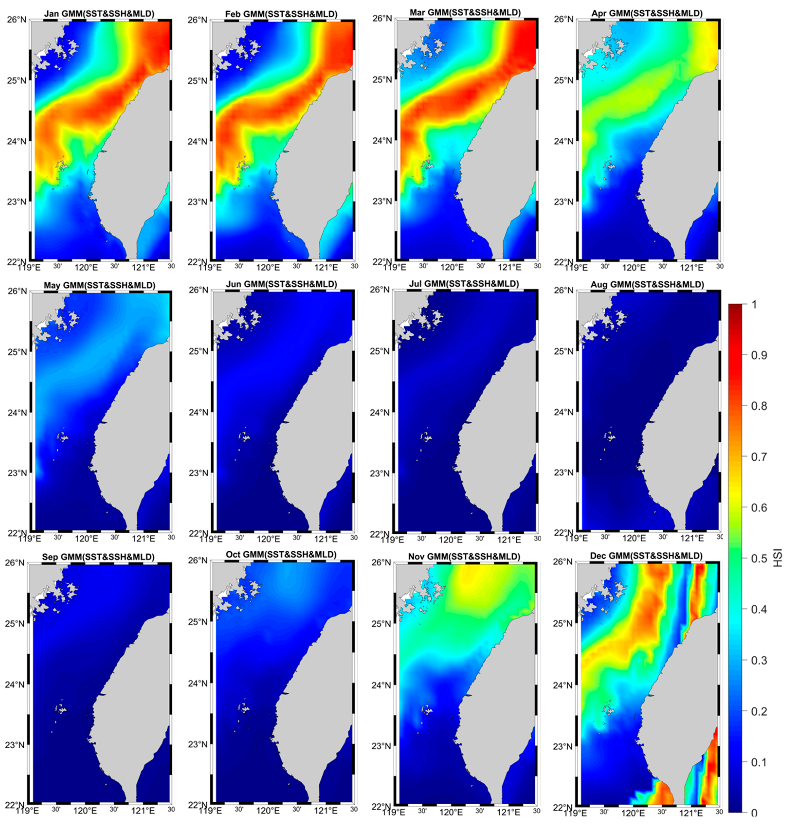
The depletion of the grey mullet population in the Taiwan Strait has generated interest in conservation initiatives and to enhance the effectiveness of restoration initiatives, it is essential to comprehend the specific habitat preferences of the species in question, particularly in relation to environmental changes. In this study, habitat suitability modelling was used to investigate the distribution patterns of grey mullet. Sea surface height (SSH) was the most significant predictor of the grey mullet standardized catch per unit effort (S.CPUE). Furthermore, sea surface temperature (SST) was the second most important oceanographic parameter, followed by mixed-layer depth (MLD). The grey mullet S.CPUE peaked in regions with the summed SST, Chla, salinity, SSH, MLD and current values being 20 °C, 0.9 mg/m3, 34.5 psu, 0.45 m, 18–38 m, and 0.25 m2/s2, respectively. From late October, HSI levels in the northern Taiwan ocean increased, with a consistent upward trend. The distribution expanded in November and December, focusing on the northern and mid-ocean regions west of Taiwan. HSI levels peak in January and February, especially in Taiwan's coastal region. High HSI distribution shifts away from coastlines and diminishes in April. The findings of this study will contribute to the understanding of this specific species and the approach used in this study may be applicable to other fisheries stocks also.
Sustainable Impact:This study applied a Habitat Suitability Index (HSI) model to analyze the spatial and temporal distribution of wild grey mullet in the Taiwan Strait, identifying key environmental predictors such as sea surface height, temperature, and chlorophyll concentration. The model's findings offer critical scientific insight into species habitat preferences and migration patterns, directly supporting sustainable fisheries management and conservation planning. By providing a robust data-driven foundation for policymakers, industry, and academia, the research advances SDG 14.5.5, which emphasizes using scientific knowledge to enhance marine conservation and ensure the sustainable use of ocean resources.
台灣海峽的野生烏魚捕獲量變動大引起產官學界對烏魚資源與保育措施的關注,由於掌握物種的棲地偏好,特別是其與環境變遷的相關性,將有助於擬定物種保/復育之相關措施。以棲地適合度模式來調查烏魚的分佈型態,結果顯示海面高度是影響烏魚單位努力漁獲量最重要的預測因子,其次為海面溫度與混合層深度。而烏魚的棲地模式顯示海面溫度、海面葉綠素、海面鹽度、海面高度、混合層深度和海流流速之最佳解分別為20 °C、0.9 mg/m3、34.5 psu、0.45 m、18-38 m和0.25 m2/s2。而棲地模式顯示從10月下旬開始,台灣北部海域的棲地適合度指數(HSI)上升,11月和12月則持續呈現上升趨勢,棲地分佈範圍擴大,但主要集中於台灣西部沿海的北部和中部水域。HSI在1月和2月達到高峰,特別是在台灣西部沿海中部水域。在4月時高HSI分佈範圍逐漸遠離海岸並減少。台灣海峽冬季的野生烏魚捕獲量及時空分布對沿近海漁民的生計有極大的影響,本研究發展的棲地適合度模式已掌握冬季野生烏魚的洄游分佈型態,且藉由前揭因子所建構之最適棲地指標(HSI)模式可有效判斷烏魚的洄游路徑與分布生態,此一模式可提供產官學界烏魚產業管理與永續發展的科學依據。
永續影響力:本研究以棲地適合度模式(HSI)探討台灣海峽野生烏魚的洄游分布與生態特徵,分析其與海洋環境因子(如海面溫度、葉綠素、海流等)的關聯。研究成果不僅揭示烏魚棲地變動與氣候條件之關係,亦提供產官學界制訂保育與復育措施的科學依據。此行動呼應 SDG 14.5.5「以科學研究強化海洋保育與永續利用」,透過實證研究支援政策決策與永續漁業管理。

Evidence:
https://www.mdpi.com/2077-1312/12/4/648
https://usr.ntou.edu.tw/var/file/90/1090/img/1658/640835077.pdf
2. Aquatic Biology Research and Conservation Center Promotes Marine Stock Enhancement and Conservation along Taiwan's North Coast
本中心「水生生物研究暨保育中心」推動北海岸水產生物增殖放流保育
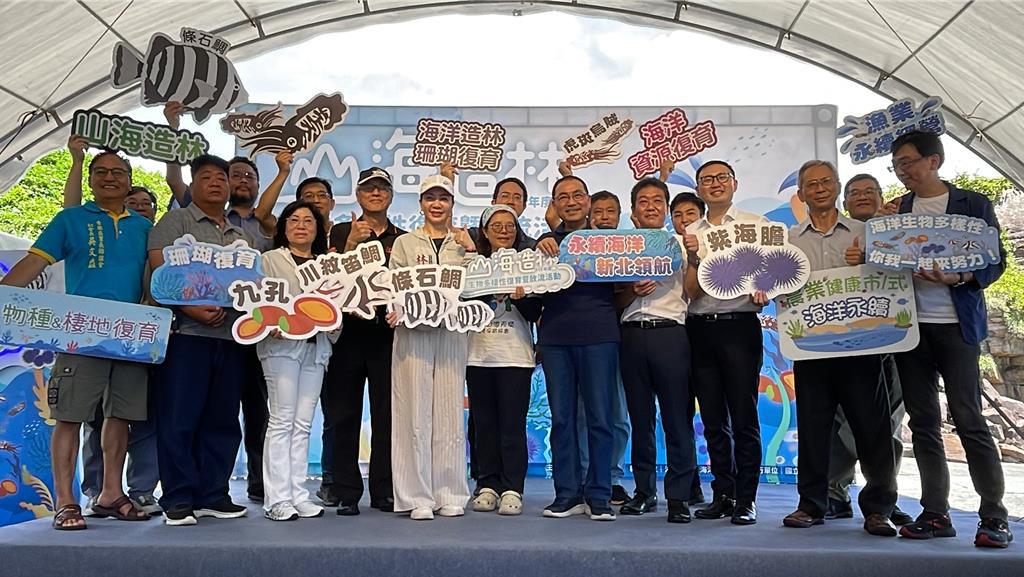
The Aquatic Biology Research and Conservation Center, under the Center of Excellence for the Oceans, National Taiwan Ocean University (NTOU), has made remarkable contributions in recent years to marine ecological restoration and sustainable resource management.Since 2014, the Center has collaborated with the New Taipei City Government to establish Taiwan's first Demonstration Area for Cultivated Fisheries in Mao'ao, Gongliao. Through advanced artificial breeding techniques, the Center has successfully achieved full-cycle aquaculture for key northern Taiwan marine species such as the mitten squid (Sepioteuthis lessoniana) and the three-spot swimming crab (Portunus sanguinolentus) — from mating and spawning to adult stages — and has continuously carried out large-scale seedling releases to promote sustainable fisheries development. In cooperation with the New Taipei City Government, the Center also launched the “Sustainable Ocean Action and Scientific Resource Restoration” project, representing Taiwan's only marine restoration model jointly led by a local government and a university. This initiative integrates academic research with practical marine conservation efforts. In 2024, the Aquatic Biology Research and Conservation Center incorporated key themes such as resource restoration, circular agriculture, and net-zero carbon emissions, achieving diverse and innovative outcomes. In sea urchin and abalone cultivation, locally produced macroalgae (such as Gracilaria tenuistipitata and Grateloupia filicina) were used as feed to reduce costs and carbon emissions. During the intermediate rearing of fish larvae and the cultivation of crabs and squid, algae including Gracilaria, Chaetomorpha, and Ulva were used to provide shelter and spawning substrates while also improving water quality and supplying natural feed. At the Meiyan Mountain Intermediate Rearing Base, after four years of habitat construction, various artificial substrates have successfully supported the growth of multiple natural macroalgal species. This project also pioneered the use of environmental DNA (eDNA) and metabarcoding techniques to verify the presence of macroalgal spores and filaments on substrates and compare them with actual field observations. Furthermore, these techniques were applied to the species composition analysis of fish paste products in Taiwan, with results published in an international journal revealing that many commercial products contain multiple shark species. In abalone (Haliotis diversicolor) genetic resource management, the Center completed analyses of both released and commercial strains, establishing a scientific foundation for future breeding and restoration programs. In the purple sea urchin (Anthocidaris crassispina) restoration project, 6,000 juvenile urchins were successfully bred and released, with ongoing experiments using agricultural by-products as feed. Additionally, the Center continues to cultivate and release high-value species such as the barred knifejaw (Oplegnathus fasciatus). Moreover, Dr. Te-Hua Hsu, Director of the Aquatic Biology Research and Conservation Center, received the 2024 Taiwan Sustainable Action Award – Outstanding Young Sustainability Leader, recognizing his long-term dedication to marine restoration and sustainable fisheries development. His achievement brings great honor to the Center and highlights NTOU's leadership in advancing marine sustainability in Taiwan.
Sustainable Impact:NTOU's Aquatic Biology Research and Conservation Center, in collaboration with the New Taipei City Government, established Taiwan's first "Aozih Bay Mariculture Demonstration Zone." The center successfully cultivated key species such as cuttlefish and crabs using artificial breeding and integrated macroalgae farming to reduce feed costs and carbon emissions. Advanced technologies like environmental DNA and metabarcoding were applied to monitor macroalgae and identify fish components in surimi products, linking scientific research to practical conservation. These efforts foster sustainable fisheries, habitat restoration, and ecosystem resilience, aligning with SDG 14.3.3 (marine science innovation), 14.5.4 (ecosystem restoration), and 14.5.5 (science-based marine management). The initiative exemplifies how academia drives marine sustainability through applied research, cross-sector collaboration, and ecological restoration.
國立臺灣海洋大學海洋中心轄下之「水生生物研究暨保育中心」,近年來在海洋生態復育與海洋資源管理方面展現卓越成果與具體貢獻。自2014年起與新北市政府合作,以貢寮卯澳為示範基地,建立全國首個「卯澳栽培漁業示範區」。透過人工繁養技術,成功完成北部地區具代表性海產虎斑烏賊(花枝)及鏽斑蟳(花蟹)等物種的養殖,從交配產卵至成體繁殖,並持續進行大量幼苗放流,推動永續漁業發展。本中心與新北市政府共同推動「貢寮水生中心—永續海洋行動與科學資源復育」計畫,建立全國唯一由地方政府與大學共同主導、結合學術研究與實務操作的海洋資源復育模式。2024年「水生生物研究暨保育中心」結合資源復育、循環農業及淨零碳排等議題,展現多元且具創新性的成果。於海膽與九孔養殖中導入自產大型藻類(如龍鬚菜、海木耳)作為飼料,降低飼料成本並有效減碳;在魚苗育成及花蟹、烏賊培育過程中,結合龍鬚菜、硬毛藻及滸苔等藻類,不僅提供生物棲息與產卵空間,同時發揮淨水與餌料供應功能。在美豔山中間育成基地,經四年棲地營造,人工吊掛附著基已成功培育多種天然大藻。本期計畫首度導入環境DNA與元條碼技術,驗證附著基上大藻孢子與絲狀體的存在,並與實際觀察大藻進行比對。同時,該技術亦應用於台灣魚漿製品魚種組成分析,研究結果發表於國際期刊,揭示多數魚漿製品含有多種鯊魚成分。在九孔種原管理方面,完成放流資源培育及商業品系分析,為後續育種與復育提供科學依據;於紫海膽復育放流計畫中,成功培育並放流6,000顆稚膽,並持續以農業副產物開發餌料來源;同時持續推動高經濟價值魚種如條石鯛之培育與放流工作。此外,貢寮水生中心負責人徐德華博士因長期投入海洋復育及永續漁業推廣,榮獲「2024年臺灣永續行動獎-臺灣傑出永續青年獎」,肯定其對國家海洋永續發展的卓越貢獻,也為本中心的努力增添榮耀。
永續影響力: 海洋中心「水生生物研究暨保育中心」與新北市政府合作,建構「卯澳栽培漁業示範區」,以人工繁養技術成功復育虎斑烏賊與鏽斑蟳等經濟物種,並導入大型藻類養殖以降低碳排與成本。中心首度應用環境DNA與元條碼技術於大藻監測與魚漿魚種分析,實現科研與永續治理結合。此計畫促進棲地復育、漁業永續及生態平衡,符合 SDG 14.3.3(推動海洋科學研究)、14.5.4(保育與復育沿岸生態系)、14.5.5(以科學依據支援海洋資源管理),展現大學在永續海洋發展中的關鍵角色。

Evidence:
https://www.ctee.com.tw/news/20240720700514-431401
3. National Museum of Marine Science and Technology Corporate internship
國立海洋科技博物館潮境智能海洋館 企業見習
Assistant Researcher Tsai Yu-hong from the National Museum of Marine Science and Technology led teachers and students to explore the Tidal Zone Smart Ocean Hall. In addition to learning about various marine organisms, they also visited the Tidal Zone Workstation to understand the current status of coral and clownfish breeding and conservation.
Sustainable Impact:Students and faculty from National Taiwan Ocean University visited the National Museum of Marine Science and Technology, guided by Research Assistant Yu-Hung Tsai.The group explored the Chaojing Smart Aquarium, learning about various marine species, and visited the Chaojing Marine Station to understand coral and clownfish breeding and conservation.Through hands-on observation and expert explanation, participants gained insights into marine biodiversity, ecological balance, and conservation techniques.This experiential activity integrates education and sustainability, embodying SDG 14.5.5 (marine ecosystem conservation) and SDG 4.3.4 (experiential learning and education–industry linkage), encouraging students to connect marine science knowledge with real-world environmental stewardship.
國立海洋科技博物館蔡宇鴻研究助理帶領師生認識潮境智能海洋館,除認識各種海水生物外,還拜訪潮境工作站,了解珊瑚與小丑魚的培育和保育現況 。
永續影響力:國立臺灣海洋大學師生參訪國立海洋科技博物館,由蔡宇鴻研究助理帶領師生深入認識潮境智能海洋館的展示內容,了解多樣的海水生物生態與棲息特性,並實地拜訪潮境工作站,觀察珊瑚及小丑魚的培育與保育流程。透過專業導覽與現場教學,學生不僅學習海洋生態系的運作原理,也理解保育技術與永續發展的重要性。此活動兼具教育與實作價值,讓學生從實地參訪中體驗海洋生物多樣性與復育行動的意義,具體落實SDG 14.5.5(保育與永續利用海洋生態)與SDG 4.3.4(深化教育實踐與學用接軌)之精神。


Evidence:
4. Elderly Health and Aquatic Therapy
教育部精準健康產業跨領域人才培育計畫高齡健康與水族療癒課程
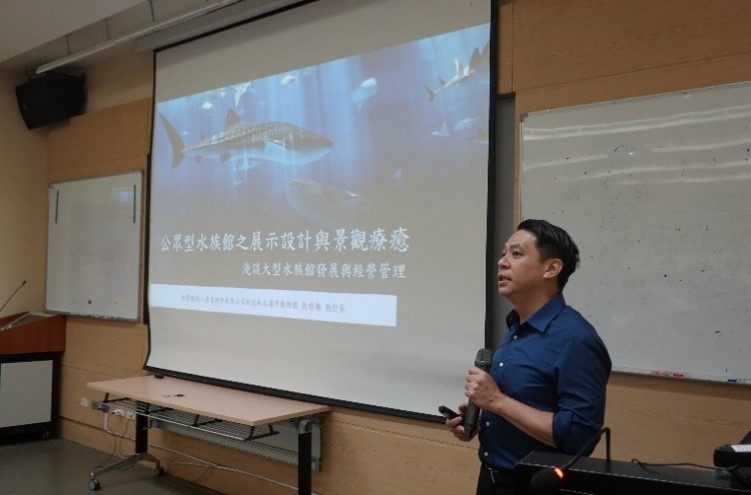
Ornamental aquariums include ornamental fish, shrimp, and aquatic ornamental plants, and can be extended to aquarium landscaping, ecological conservation, intelligent fish tanks. In recent years, due to the issue of physical and mental healing has become more important, nurturing aquatic creatures which can provide pleasant and treatment effect has drawn a lot of attention. Students enrolled in this course can learn from the basic ornamental aquarium system to the museum-level aquarium, from fish, shrimp, plants to landscaping and design of newly developed intelligent aquariums.
Sustainable Impact: This course on aquarium science and aquatic landscaping integrates educational outreach with ecological sustainability, aligning with SDG 14.5.5 and SDG 4.3.4. Covering topics from ornamental fish and shrimp breeding to aquatic plant design and smart aquarium systems, it deepens students’ understanding of aquatic ecosystems and responsible water management—core elements of SDG 14.5.5, which emphasizes watershed management and ecosystem preservation.
By combining lectures with hands-on practice and demonstrations, the course functions as an educational outreach activity under SDG 4.3.4, extending learning beyond the classroom to engage students in experiential environmental education. It fosters appreciation for aquatic biodiversity and promotes sustainable interaction with water environments, embodying the principles of lifelong learning and ecological stewardship.
觀賞水族包含了觀賞魚、觀賞蝦、水生觀賞植等,並可延伸到水族造景、生態保育、智能魚缸,可以有許多變化的可能性。近年身心療癒議題漸為人所重視,養育水族生物具有讓人心情愉悅的效果。本課程將從小型觀賞魚、蝦介紹到大型博物館的水族養殖,並也納入較少人介紹的水生植物造景與智能水族缸,希望盡可能將水族療癒的各種面向一一向學生介紹。
永續影響力:本課程以觀賞水族與生態造景為主題,兼顧教育推廣與環境永續,符合 SDG14.5.5 與 SDG4.3.4 精神。課程內容涵蓋魚蝦飼養、水生植物造景及智能水族缸管理,提升學生對水域生態與流域管理之認識,呼應 14.5.5 所倡導之「基於水生生物物種特定區域多樣性的流域管理策略」。同時課程採實作與展示並行,屬於 4.3.4 校園外教育外展活動 型態,透過體驗式學習促進環境教育與生態保育意識,結合教育與永續行動。

Evidence: