17.2.5
1. 2024 Campus Health Promotion
2024年校園健康促進
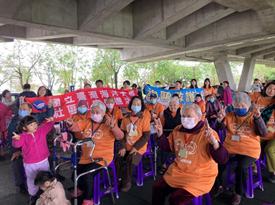
As an essential venue for education and health promotion, the school bears the important responsibility of fostering healthy lifestyles among students. To achieve the goal of building a healthy campus, a series of comprehensive health promotion programs have been developed. Through diverse activities and cross-sector collaboration, these initiatives have significantly enhanced the health awareness and quality of life of both faculty and students. Our department conducts freshman health examinations and health surveys to identify key health promotion issues. These issues encompass various aspects of student health—from daily diet and lifestyle habits to responses to sudden illnesses. By integrating on-campus units with external resources, as well as guiding student clubs to participate in organizing related activities, the school actively promotes health policies and plans diverse programs that help faculty and students enhance their health literacy, cultivate healthy lifestyles, and develop self-directed health management skills, thereby improving overall health levels. Throughout the implementation process, a total of 49 health promotion events were organized, including weight management programs, tobacco hazard prevention campaigns, smoking cessation classes, HIV/AIDS prevention and testing, food service training sessions, blood donation drives, first aid training, and infectious disease awareness programs. In the area of food hygiene, the school has also strengthened inspections of dining facilities and the traceability of food ingredients to ensure compliance with government regulations. Programs such as weight management and smoking cessation attracted participants who are proactive about their health, while HIV/AIDS prevention, infectious disease awareness, and vaccination campaigns have enhanced disease knowledge and prevention capacity. First aid training further improved participants' ability to respond to emergencies. In total, 8,018 person-times took part in these health promotion activities—reflecting not only high participation but also meaningful improvements in health awareness and behavioral change. Health promotion efforts extend beyond the campus to the broader community through collaboration with local government agencies and community organizations, such as the Keelung City Health Bureau, Zhongzheng District Health Center, and community day-care centers. The school also works with student clubs to provide services for community elders, further expanding the reach of health promotion. This extension from campus to community demonstrates the broad impact and sustainability of the school's health promotion initiatives.
Sustainable Impact:The university's comprehensive health promotion program integrates campus and community resources to organize diverse health activities such as smoking cessation classes, disease prevention education, first aid training, and food safety inspections. These initiatives align with SDG 3.3.2 and 3.3.4 by fostering health education and campus wellness. Collaborations with local health departments and community organizations embody SDG 17.2.5's emphasis on cross-sector partnerships.The data-driven planning and preventive strategies reflect SDG 3.3.1 and 3.3.6, which advocate technological innovation and public health policy for sustainable well-being. Extending from campus to community, the initiative also resonates with SDG 14.3.2 through promoting environmental and health awareness, demonstrating the university's leadership in holistic, socially responsible health education.
學校作為教育與健康促進的重要場所,肩負著培養學生健康生活型態的重任。為實現健康校園的目標,制定一系列的健康促進計畫,並透過多元的活動和合作,顯著提升師生的健康意識和生活品質。本組辦理新生入學健康檢查與健康問卷調查,確立健康促進議題,議題涵蓋學生健康的各方面,從日常飲食和生活習慣到疾病的突發應對,通過整合校內單位與校外資源,以及指導學生社團鼓勵參與活動辦理,透過健康政策推動及規畫多元活動,帶動師生同仁增進健康知能,培養健康生活型態,達到自主健康管理,提升整體健康水平。在實施過程中,辦理健康增重減重班、菸害防制宣導、戒菸健康班、愛滋病防治及篩檢、餐飲從業人員講習、愛心捐血、急救訓練及傳染病宣導等49場次的健康活動;在餐飲衛生部分更是積極進行餐飲場所衛生檢查及食品原物料來源查核確保食物來源遵守政府法規。健康體位活動和戒菸健康班吸引關心自身健康的師生參加,而愛滋病防治及篩檢、傳染病宣導、疫苗注射活動提高師生對疾病的認識和預防能力。急救訓練則提升了大家在面對突發事件的應對能力。統計共有8,018人次參與這些健康促進活動,成果體現不僅在參與人次上,更在於健康意識的提升和健康行為的改變。健康促進的活動不僅侷限於校內,還延伸到了社區,與當地政府機構和社區團體如基隆市衛生局、基隆市中正區衛生所及社區日照中心合作,使得活動在校園外部也得到推廣,另外與學生社團的合作推動社區長者服務,進一步擴大了健康促進的影響範圍,這種從校園到社區的延伸,展示了健康促進活動的廣泛影響力和持續性。
永續影響力:本校推動健康促進計畫,結合校內外資源舉辦多項健康教育與防治活動,包括戒菸班、傳染病宣導、急救訓練及食品衛生稽查,展現SDG 3.3.2與3.3.4中「促進健康教育與校園健康管理」的實踐。與地方政府及社區合作推廣健康活動,符合SDG 17.2.5的跨界夥伴合作精神。活動結合政策推動與實證成效,呼應SDG 3.3.1與3.3.6「運用科技與公共衛生策略提升健康福祉」。整體作為以USR導向落實健康教育與社區關懷,亦呼應SDG 14.3.2「推廣永續與環境健康教育」。

Evidence:
https://stu.ntou.edu.tw/p/405-1023-118023,c10827.php?Lang=zh-tw
2. 2024 Longchen Paper & Packaging Co., Ltd. and National Taiwan Ocean University Joint Project Results Presentation Conference
2024財團法人榮成永續發展環保基金會與國立臺灣海洋大學合作計畫成果發表會
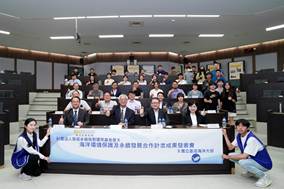
Since 2019, National Taiwan Ocean University and Longchen Paper & Packaging Co., Ltd. have jointly launched a collaboration project on Marine Environmental Protection and Sustainable Development. Each year, Longchen Paper & Packaging Co., Ltd. has provided over NT$2 million in funding to support the implementation of related programs at our university. In 2024, marking the fifth anniversary of this partnership, a Results Presentation Conference was held at our university to showcase and promote the achievements of the collaboration. The event was attended by approximately 80 participants, who listened to the project outcomes. To date, 29 students have taken part in the program, deeply embedding the concept of sustainable development in their minds and actions.
Sustainable Impact:Since 2019, the university has partnered with the Rongcheng Foundation for Sustainable Development to implement projects on "Marine Environmental Protection and Sustainable Development," with over NT$2 million in annual funding. Over five years, this collaboration exemplifies SDG 17.2.5 through a long-term public–private partnership advancing marine sustainability. The initiative integrates marine ecosystem protection (SDGs 14.2.2, 14.2.3), ocean research and education (14.3.1, 14.3.3), sustainable fisheries management (14.4.2, 14.4.3), and conservation area promotion (14.5.2), while also fostering climate awareness (13.3.5). The 2024 results symposium showcased achievements to around 80 attendees and engaged 29 students in hands-on projects, embedding sustainability values and demonstrating the power of academia–foundation collaboration in advancing marine conservation and climate education.
本校與財團法人榮成永續發展環保基金會自2019起開展「海洋環境保護及永續發展」合作案,由榮成永續發展環保基金會每年提供超過200萬元經費供本校執行相關計畫。2024年雙方合作滿5年,故決定於本校舉辦成果發表會,推廣合作成果。 發表會當日共有約80人出席聆聽計畫成果,本合作更已有29位學生參與計畫,將永續發展的觀念深植於心。
永續影響力:本校自2019年與榮成永續發展環保基金會合作推動「海洋環境保護及永續發展」計畫,每年投入逾200萬元資源,持續五年推展海洋教育與保育行動,展現公私協力落實SDG 17.2.5「建立長期夥伴關係」。計畫內容涵蓋海洋生態保育(14.2.2、14.2.3)、海洋研究與教育推廣(14.3.1、14.3.3)、漁業與資源永續利用(14.4.2、14.4.3)、以及海域保護區推動(14.5.2),並融入氣候行動教育(13.3.5)。成果發表會除促進知識分享,也吸引29位學生參與,深化永續素養與行動實踐,展現學界與基金會共同推動海洋永續的成效。

Evidence:
https://research.ntou.edu.tw/p/412-1021-12463.php?Lang=zh-tw
3. Academic Symposium of the Taiwan Wind Energy Association
台灣風能學術研討會
Taiwan Wind Energy Association is an important exchange and service platform for domestic wind energy industry, government and academia. Since 2014, academic seminars and results presentations of the Ministry of Science and Technology will be held every year. This seminar focuses on offshore wind power generation, wind power research and development and promotion plans, onshore wind power generation and small-scale wind power generation. Conduct practical exchanges with the industry and academia, and jointly discuss the latest developments in related engineering technologies and theories.
Sustainable Impact:The Taiwan Wind Energy Association serves as a key platform connecting industry, government, and academia in the renewable energy sector. Since 2014, it has hosted annual academic conferences and Ministry of Science and Technology result presentations focusing on offshore, onshore, and small-scale wind power technologies. Through paper presentations and interactive discussions, participants exchange research outcomes and practical experiences, advancing technical innovation and collaboration. This initiative aligns with SDG 17.2.5 by fostering cross-sector partnerships among academia, government, and industry to accelerate sustainable energy development and knowledge transfer, thereby enhancing Taiwan's renewable energy ecosystem.
台灣風能協會屬於國內風能相關產官學各界重要之交流與服務平台,於2014年起每年皆會舉行學術研討會暨科技部成果發表會。本研討會以離岸風力發電、風力發電研發與推動計畫、陸上風力發電與小型風力發電為主題,透過論文發表及現場討論,並交換研究心得與工作經驗,研討相關最新研究成果及技術,與產學界進行實務交流,共同研討相關工程技術及理論之最新發展。
永續影響力:台灣風能協會自2014年起每年舉辦學術研討會暨科技部成果發表會,作為國內風能領域重要之產官學交流平台。活動主題涵蓋離岸與陸上風力發電、小型風電技術等,透過論文發表與現場討論,促進研究成果共享與實務經驗交流。此舉結合政府、學界與產業專業能量,強化再生能源技術創新與應用,落實SDG 17.2.5「建立產官學研跨界合作夥伴關係以推動永續發展」。


Evidence:
https://windenergy.ntou.edu.tw/wordpress/?page_id=2030
4. 2025 Ocean Action Symposium
海洋素養與適能
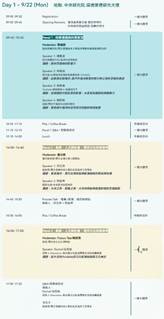
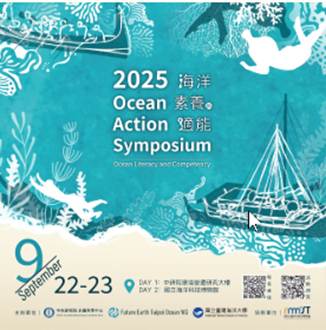
What is your vision of "ocean literacy"? Ocean literacy is more than just textbook knowledge; it's a way of looking at the world—it influences our values and shapes our motivation to act. Have you ever considered this? Every breeze, every current, every ship, every story of the sea—they are inextricably linked to our lives and culture. How do Taiwan's tides and ocean currents affect residents of the island and its outlying islands? How have shipbuilding and navigational technology shaped Taiwan's unique maritime culture? And what significance do coral conservation efforts have for the marine environment? This year's symposium invited scholars from across disciplines, educators on the front lines, representatives from the marine restoration industry, and marine cultural activists to share their insights! The symposium focused on themes of science communication and popular science education, marine culture and island society, and social participation and marine restoration.
Sustainable Impact:The "Ocean Literacy" symposium redefines ocean awareness as more than academic knowledge—it is a worldview that connects science, culture, and action. The event invited interdisciplinary experts, educators, and marine restoration practitioners to explore three key themes: science communication and public education, marine culture and island society, and social participation in ocean restoration.Through discussions on topics such as coral conservation, shipbuilding traditions, and community-based marine stewardship, the symposium encouraged participants to view the ocean as an integral part of life and identity.This initiative not only enhances public understanding of marine sustainability but also strengthens collaborations among academia, education, and industry.It exemplifies SDG 14 (Life Below Water) by promoting ocean conservation awareness, and SDG 17 (Partnerships for the Goals) by fostering multi-sector partnerships for sustainable ocean development and education.
你對「海洋素養」的想像是什麼? 海洋素養,不只是課本上的知識,更是一種看待世界的方式——它關係著我們的價值觀,也形塑了我們的行動力。 你有想過嗎?每一次吹來的海風、流動的洋流,每一艘航行的船隻、每一段海上故事,都與我們的生活與文化息息相關。台灣的潮汐與洋流,如何影響本島與離島的居民?造船與航海技術,如何塑造出台灣獨特的海洋文化?珊瑚保育的努力,對海洋環境又有什麼意義? 今年的座談邀請跨領域的學者、站在第一線的教育者、致力海洋復育產業代表與海洋文化行動者,帶來精彩的分享! 座談會主題聚焦在——科學溝通與科普教育、海洋文化與島嶼社會、社會參與與海洋復育
永續影響力:本次「海洋素養」主題座談強調從教育、文化、產業與社會參與等面向深化全民的海洋意識。活動以「你對海洋素養的想像是什麼?」為引言,鼓勵民眾重新思考海洋與人類生活的連結,將海洋視為理解世界與行動的出發點。座談邀集跨領域專家,包括海洋教育學者、文化研究者、海洋復育產業代表及第一線教育工作者,探討「科學溝通與科普教育」、「海洋文化與島嶼社會」及「社會參與與海洋復育」三大主題。內容涵蓋從海洋環境保育、珊瑚與生態修復、航海與造船文化,到地方社會行動等多層面議題。此座談會透過多元對話與知識交流,深化社會大眾對海洋永續的理解,並強化學術、教育與產業間的夥伴合作,實踐 SDG 14(保育與永續利用海洋資源) 與 SDG 17(強化全球夥伴關係) 的精神,推動從知識、文化到實踐的「海洋公民素養」。
Evidence:
https://www.oceanactionsymposium2025.com/
5. Promoting gender mainstreaming
推動性別主流化
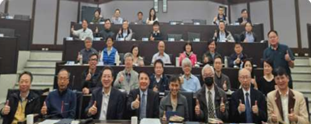
1. Purpose: To raise gender awareness among all faculty, staff, and students at the school. 2. Implementation Methods: Gender mainstreaming can be promoted through six key tools, including gender awareness training, the establishment of gender task forces, the collection and analysis of various gender-related statistics, gender budgeting, and impact assessments. Considering that gender awareness is a crucial factor in advancing gender mainstreaming, our school prioritizes gender awareness training as a key focus of implementation. 3. Implementation Outcomes: (1) Provision of Diverse Menstrual Products To address period poverty, the school has established locations where students can freely access a variety of menstrual products, aiming to eliminate inequalities caused by menstruation. (2) Collaboration with NGOs to Promote Gender Mainstreaming The school participates in the Ministry of Education's “Gender Mainstreaming Resource Center for Universities and Colleges” initiative and actively serves as a partner institution. We are committed to promoting gender mainstreaming on campus to reduce gender inequality. In 2024, the school organized a total of 10 gender-related seminars, including one session specifically for senior administrators. Seminar topics covered gender mainstreaming, understanding gender diversity (including experience sharing from transgender individuals), LGBTQ+ families, gender-based violence, and the prevention of campus gender-related incidents. Three of these seminars were co-hosted in collaboration with nonprofit organizations.
Sustainable Impact: The university’s gender mainstreaming initiative aligns with SDG 17.2.5, SDG 17.4.1, and SDG 3.3.4 by integrating education, partnership, and social inclusion. Through collaboration with the Ministry of Education and multiple NGOs, the university organized ten gender-awareness seminars in 2024, covering topics such as gender equality, LGBTQ+ experiences, gender-based violence prevention, and inclusive leadership training. These actions fulfill SDG 17.2.5, which emphasizes partnerships with governmental and non-governmental organizations to promote sustainable development.
By incorporating gender empowerment and awareness education into institutional culture, the initiative supports SDG 17.4.1, advancing education that fosters sustainability and equality. Additionally, the provision of free menstrual products and health-oriented awareness programs address SDG 3.3.4, promoting physical and mental well-being through inclusive health education. Collectively, these efforts demonstrate the university’s commitment to fostering equity, partnership, and sustainable social transformation.
一、目標:提升全校人員之性別意識。 二、過程: 性別主流化可藉由六大工具來推動,包含:性別意識培力、性別專案小組、性別統計、性別分析、性別預算及性別影響評估。考量性別意識為推動性別主流化之重要因素,因此本校將培力校內人員之性別意識作為推動重點。 三、具體成果: 1.提供多元生理用品 為消除「月經貧窮」,本校設置免費多元生理用品索取地點,消除「月經貧窮」。 2.與非政府組織合作,致力推動性別主流化。 本校參與教育部「設置大專校院性別主流化資源中心」性別主流化計畫夥伴學校,並開設致力於校內推動性別主流化,以消弭性別不平等之差距。 2024年共辦理10場次性別講座(含一級主管1場次),講座主題包含性別主流化、認識多元性別(含跨性別者經驗分享)、同志家庭、性別暴力及校園性別事件防治,其中與3個非營利組織共同合作辦理。
永續影響力:本校推動性別主流化計畫,兼具教育推廣與跨界合作,符合SDG17.2.5、17.4.1、3.3.4 之指標精神。透過與教育部及非政府組織合作,開設多場性別平權與多元性別講座,落實跨部門夥伴關係,呼應 SDG17.2.5 的合作導向;以性別意識培力與校園行動實踐,達成 SDG17.4.1 強調之永續教育目標;並以提供生理用品與防治性別暴力教育活動,促進身心健康與平等,實踐 SDG3.3.4 關於學生性健康以及生殖衛生健康服務之要求,展現大學推動社會包容的具體作為。

Evidence:
https://stu.ntou.edu.tw/p/405-1023-117967,c10828.php?Lang=zh-tw
https://usr.ntou.edu.tw/var/file/90/ 1090/img/1658/996879617.pdf
6. Maritime Renewable Energy Alliance Center-Energy Turnover PBL Workshop
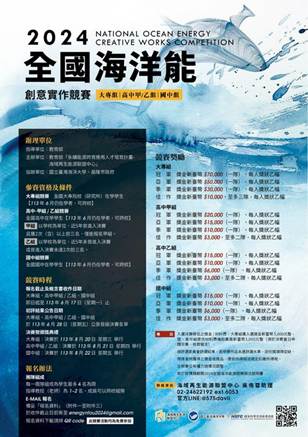
113年度海域再生能源聯盟中心-能源翻轉PBL工作坊 海域再生能源開發與海岸帶居民生活衝擊與調適
In the night state, images are not clearly recognized by computer vision. Therefore, this technology uses a UAV based a lidar to detect nighttime environmental information and recognize human characteristics. Using the background difference method and the algorithm of density-based spatial clustering of applications with noise (DBSCAN), the root mean square error and the surface state of the object are summarized as a condition to judge whether the object is human. The artificial intelligence algorithm of faster region-based convolutional neural network (Faster R-CNN) is used for skeleton recognition, and an automatic recognition system is established. As a result, the human-body recognition results of surface analysis and skeleton recognition are both up to 87.5 % in the nighttime environment. The website information of recognition results is established through the server terminal computer to present the current measured environmental state and recognize whether there is a human body in the nighttime environment. Eventually, the technology is applied to search the victims in the disaster relief environment and reduce the difficulty and time of night search and rescue.
Sustainable Impact:This technology employs LiDAR-equipped drones for nighttime detection, capable of identifying human features under low-light conditions to enhance disaster rescue efficiency and environmental monitoring. It aligns with SDG 13.3.1 by advancing education and technological application for climate adaptation and emergency response. The system's use of 3D surface fitting and spatial clustering supports SDG 14.2.1, contributing to coastal and terrestrial ecosystem monitoring. Through AI-based object recognition and data-sharing web platforms, it fulfills SDG 17.2.5's focus on interdisciplinary research collaboration and technological partnerships. Moreover, its energy-efficient, light-independent sensing capability exemplifies SDG 7.4.1, promoting innovative clean technology solutions for sustainable environmental management.
由於在夜間狀態下,電腦視覺無法明確判別物體的存在,然而光達可透過雷射掃瞄而不受光線影響。因此,本技術利用無人機以光達作為感測器主軸,以探測夜間環境資訊及辨別人體特徵。利用背景差分法和基於密度的空間聚類演算法(DBSCAN),透過曲面擬合計算出均方根誤差,歸納出物體表面狀態,作為判斷物體是否為人的一個條件。然後將其點雲資料進行影像處理,並以目標檢測法(Faster R-CNN)對形貌進行訓練及辨識,根據人體和物體特徵建立自動化辨識系統。最終,在夜間環境狀態下可即時測量出人體,並獲得最佳表面分析與骨架辨識成功率均有87.5%。並且透過伺服端電腦建立網站連結,呈現當下量測的環境狀態及識別環境是否存在人體,其效益可應用在救災環境下搜索罹難者,減少夜間搜救的困難及時間。
永續影響力:此技術以光達搭載無人機進行夜間偵測,能在低光環境下辨識人體特徵,提升救災效率與環境監測能力,符合SDG 13.3.1推動氣候災害應變教育與技術應用的目標;同時,其環境掃描與地表曲面擬合分析有助於沿岸與陸地生態監測,呼應SDG 14.2.1對海洋與濱海系統的保護研究;此外,系統整合AI影像辨識與資料共享平台,展現SDG 17.2.5強調的跨領域技術合作;而其高效率、低照度運作特性亦符合SDG 7.4.1提倡的智慧能源與永續科技創新應用。

Evidence:
https://www.facebook.com/energyntou/
7. National Ocean Energy Creative Implementation Competition
全國海洋能創意實作競賽
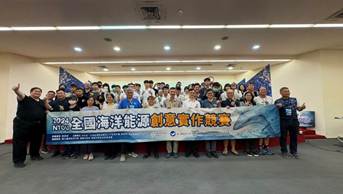
The Competition: Starting in the year 2016 (Republic of China 105), National Taiwan Ocean University, in collaboration with the Keelung City Government, jointly organized this competition and expanded it to include participants from national
Sustainable Impact:Since 2011, National Taiwan Ocean University has organized the Marine Energy Competition, focusing on wave and current energy converter design, efficiency optimization, and cost analysis. This long-standing event fosters innovation and hands-on learning among students, encouraging the application of marine energy technologies to support clean energy transitions. The competition strengthens awareness of renewable ocean energy's role in mitigating climate change while building practical engineering and sustainability skills. Moreover, it enhances collaboration between academia and industry in developing marine energy innovations. This initiative supports SDG 7.4.1 (clean energy promotion), SDG 13.3.1 (climate action education), SDG 14.2.1 (sustainable use of marine resources), and SDG 17.2.5 (partnerships for sustainable technology development).
海洋能源競賽的開始:自民國100年起,海洋大學開始舉辦海洋能源相關競賽。這競賽涵蓋了波能和流能轉換器的設計、效率計算、成本和安裝等領域。這個競賽已經持續多年,並取得了豐碩的成果。
永續影響力:自民國100年起,國立臺灣海洋大學持續舉辦「海洋能源競賽」,主題涵蓋波能與流能轉換器設計、效率分析、成本評估與安裝技術等領域。活動旨在培育學生的創新思維與實作能力,促進海洋再生能源技術的發展。透過競賽形式,學生得以實踐工程理論,並理解海洋能源於減緩氣候變遷及永續能源轉型中的關鍵角色。活動亦促進學術與產業界在永續技術研發上的交流合作。此舉落實 SDG 7.4.1「推廣潔淨能源技術」、SDG 13.3.1「提升氣候行動教育」、SDG 14.2.1「保育與永續利用海洋資源」及 SDG 17.2.5「強化夥伴關係推動永續科技創新」。
Evidence:
https://www.facebook.com/energyntou/
8. 2024 Collaboration with NGOs for SDG Achievement 2024第二屆創新.永續實踐競賽
The competition is jointly organized by the four executive units of the University System of Taipei (USTP). It encourages students to form cross-school and cross-departmental teams. Participating teams must propose innovative ideas and solutions for sustainability issues, covering the 17 SDGs announced by the United Nations.
SDGs relevance: This indicator measures the university's collaboration with non-governmental organizations (NGOs) (or other committed SDG partners) to implement the SDGs through student volunteer programs, research projects, or educational resource development. The collaboration among the four USTP universities exemplifies a Multi-Stakeholder Partnership (SDG 17), jointly promoting the implementation of the SDGs through the competition (educational project).
該活動是臺北聯合大學系統,由國立臺灣海洋大學主辦,國立臺北大學、國立臺北科技大學、臺北醫學大學等共同協辦的「2024 第二屆 創新.永續實踐競賽」。競賽旨在深化學生對聯合國永續發展目標(SDGs)的認知與實踐,鼓勵學生針對永續議題提出創新解決方案。該競賽作為一個結構化的教育實踐方案,體現了大學在SDG教育方面的投入,以教導下一代在生活中實踐可持續發展
與SDG的關聯性: SDG17促進目標實現的夥伴關係

Evidence:
https://mprp.ntou.edu.tw/p/404-1017-105909.php?Lang=zh-tw
https://ustp.ntpu.edu.tw/info/6/method/167
https://ustp.ntpu.edu.tw/info/6/method/166
9. Guidance for Establishing a Friendly Aquaculture Production Model (Year 3) 輔導建立友善養殖生產模式(第三年)
Changhua's coastal areas boast rich and diverse ecosystems and fishery resources. The Changbin area has developed industrial zones, while the Hanbao, Wanggong, and Yongxing areas have reclaimed land for fish pond aquaculture, yet still retain Taiwan's largest mudflat wetlands and natural coastal landscapes. Changhua is one of Taiwan's main aquaculture production regions, with hard clams being the primary species farmed. The coastal aquaculture area in Changhua County spans nearly 1,600 hectares, primarily concentrated in Fangyuan Township (about 1,200 hectares), with several hundred hectares also in Fuxing and Shengang Townships. In recent years, extreme climate impacts (temperature fluctuations, sudden heavy rains, water shortages), combined with long-standing improper human management practices (overstocking, deteriorating nearby water sources), have led to poor aquaculture results and declining profits, severely affecting fishermen's livelihoods. The frequent abandonment of farming due to losses is detrimental to the industry's sustainable development. Under the guidance of the Fisheries Agency and the county government, the "Changhua County Aquaculture Youth Association" was established to integrate local youth energy and drive regional added-value growth. Founded in October 2020, it currently has 67 members spread across Changhua's three major aquaculture production areas: Hanbao, Wanggong, and Yongxing (see Figures 1, 2, 3). Given the escalating impacts of climate change making aquaculture management increasingly difficult, traditional experience-based methods can no longer cope with the unpredictable climate variations. Moreover, most association members have not received formal aquaculture education and training, making it challenging to effectively assess and address the challenges and issues arising during the aquaculture process, leading to unstable cultivation rates and difficulty improving operational performance. According to the United Nations Sustainable Development Goals (SDGs), sustainable and safe seafood supply chains have become an international development trend. However, most aquaculture operators pursue the highest profit per unit area, primarily adopting high-density intensive aquaculture models, with excessive feed and drug use, causing significant harm to aquaculture organisms and the ecological environment, and raising concerns about the quality and safety of seafood products.
Sustainable Impact: The coastal region of Changhua, home to Taiwan’s largest clam aquaculture zone and extensive mudflat wetlands, faces increasing stress from climate change and environmental degradation. To strengthen local resilience, National Taiwan Ocean University supported the creation of the Changhua Young Aquaculture Alliance, integrating government guidance, industry collaboration, and academic expertise.
The program advances sustainable aquaculture practices through education, technology transfer, and adaptive management, equipping young farmers with practical skills and ecological awareness. It promotes responsible aquaculture and fosters environmentally friendly production models that mitigate climate risks while enhancing community livelihoods.
This initiative directly supports SDG 14.3.1–14.3.4, encompassing marine education, scientific innovation, sustainable fisheries management, and climate adaptation. It also contributes to SDG 17.2.1, 17.2.5 by building strong multi-stakeholder partnerships and facilitating cross-sector collaboration. Through shared knowledge and capacity-building, the project establishes a replicable model for sustainable coastal fisheries and community-based marine stewardship in Taiwan.
彰化沿海擁有豐富多樣的生態與漁業資源,彰濱一帶有已開發之工業區,漢寶、王功與永興區多填海作為魚塭養殖使用但仍保有臺灣最廣大的泥灘濕地與自然海岸地景。彰化地區為我國養殖漁業主要產區之一,區內以文蛤為大宗養殖物種,彰化縣沿海養殖文蛤近1,600公頃,主要集中在芳苑鄉,多達1,200公頃,福興鄉和伸港鄉也有幾百公頃。近年因受極端氣候衝擊影響(溫差、突然性暴雨、缺水)加上長久以來人為管理方式不當(放養密度過高、附近水源惡化),導致養殖成效不佳收益逐年下滑,嚴重影響漁民生計,因不堪虧損而棄養之情事頻繁發生,不利產業永續發展。 日前在漁業署及縣政府輔導下,成立「彰化縣養殖青年聯誼會」,希望整合在地青年能量帶動區域加值成長,成立於民國109年10月,現有會員67位,遍布彰化三大養殖生產區:漢寶養殖生產區、王功養殖生產區、永興養殖生產區(圖1、2、3) ,有鑑於近年氣候變遷衝擊加劇導致養殖管理日趨艱難,沿襲傳統之經驗法則已無法應付詭譎多變之氣候變化,加諸大部分聯誼會成員均未受過正規養殖教育訓練,對於養殖過程中所產生之挑戰與問題變化無法做出有效判斷與處置,導致育成率不穩,經營績效難以提升。 依據聯合國永續發展目標(SDGS),永續、安全之水產品供應鏈已成為國際發展趨勢,惟大部分養殖業者為追求單位面積最高獲利,多以高密度集約養殖模式為主,大量餌料投餵及藥物使用,對養殖生物及生態環境造成莫大危害,同時也產生水產品品質及安全性不佳之疑慮。
永續影響力:彰化沿海兼具濕地生態與養殖漁業特色,近年因氣候變遷與環境惡化導致漁民生計受影響。為促進漁業永續發展,海洋大學協助成立「彰化縣養殖青年聯誼會」,整合政府、產業與學研資源,推廣責任制養殖與環境友善技術。計畫同時導入氣候調適與生態管理知識,培養青年漁民專業技能,建立可持續的水產經營模式。此舉符合 SDG14.3.1–14.3.4 強調之教育、科研與氣候調適目標,並實踐 SDG17.2.1、17.2.5 的跨域夥伴合作與知識共享,展現學術支持地方漁業轉型的永續典範。

Evidence: