3.3.4
- 2024 Campus Health Promotion 2024年校園健康促進
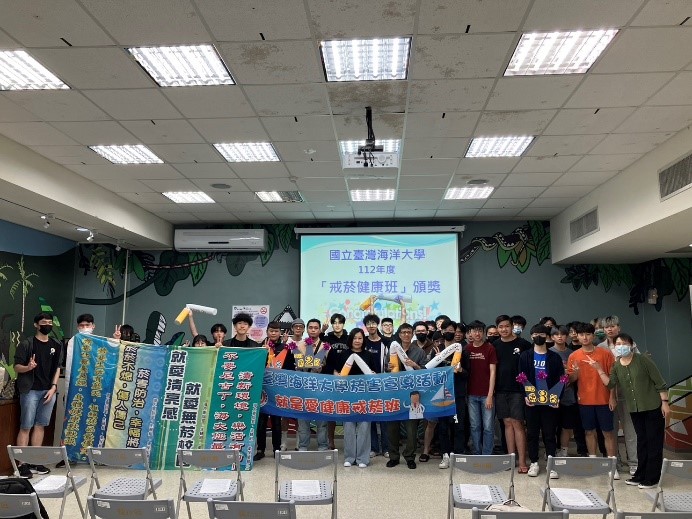
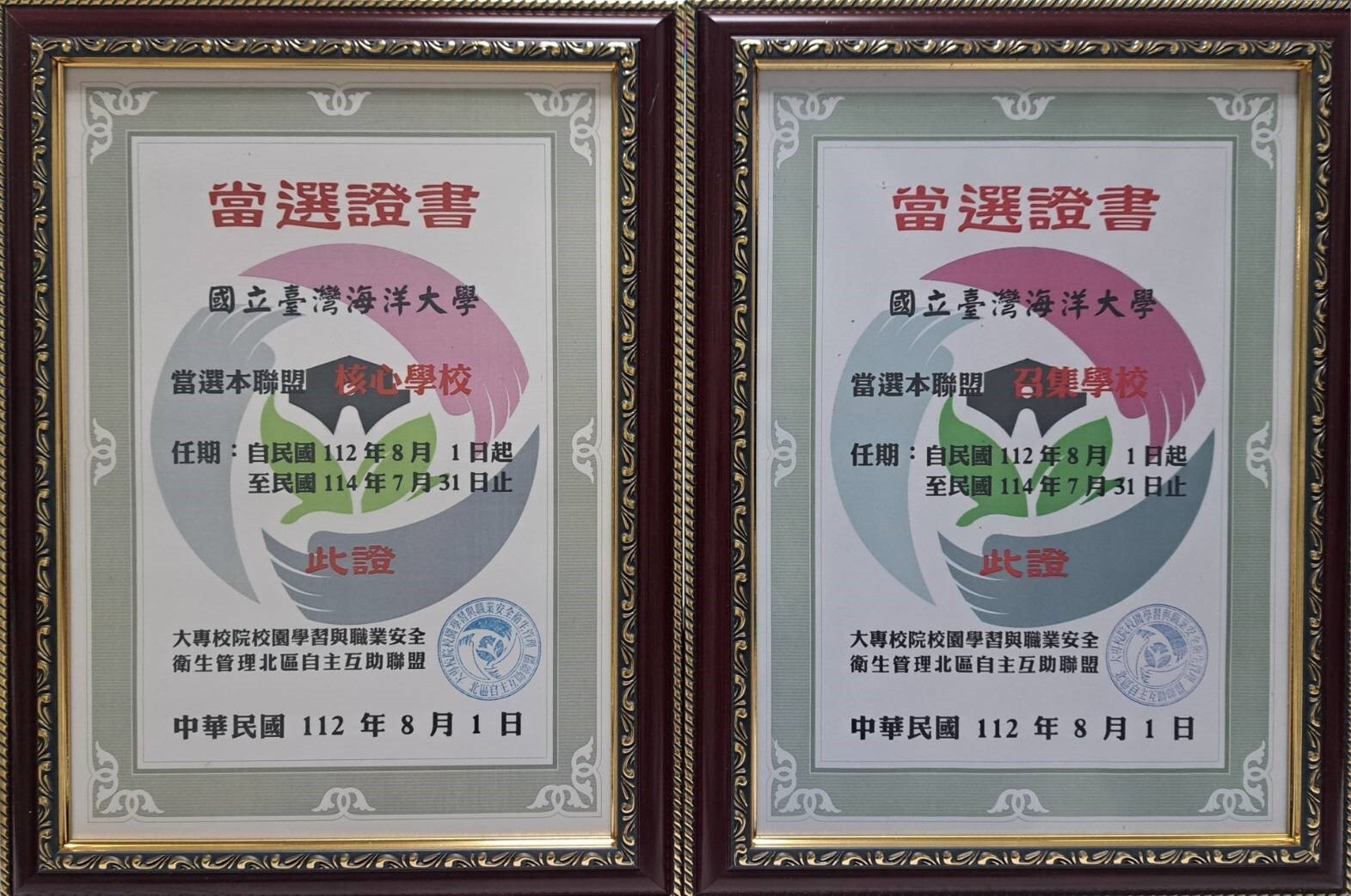
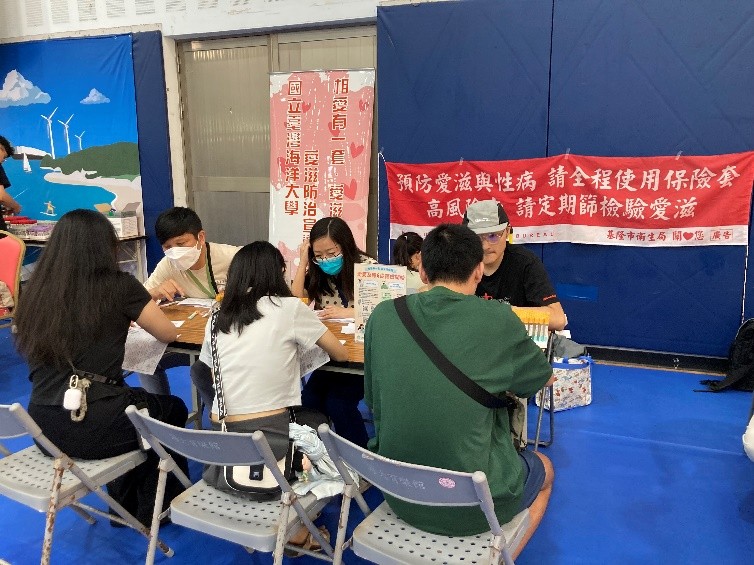
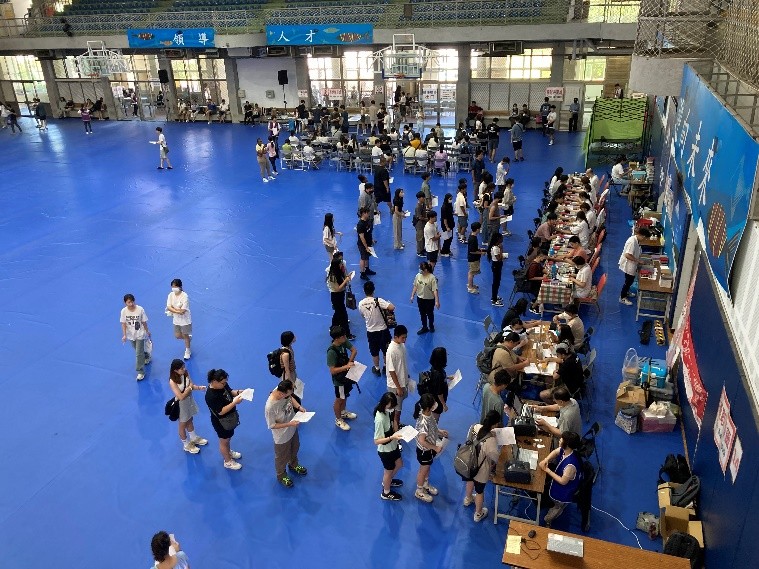
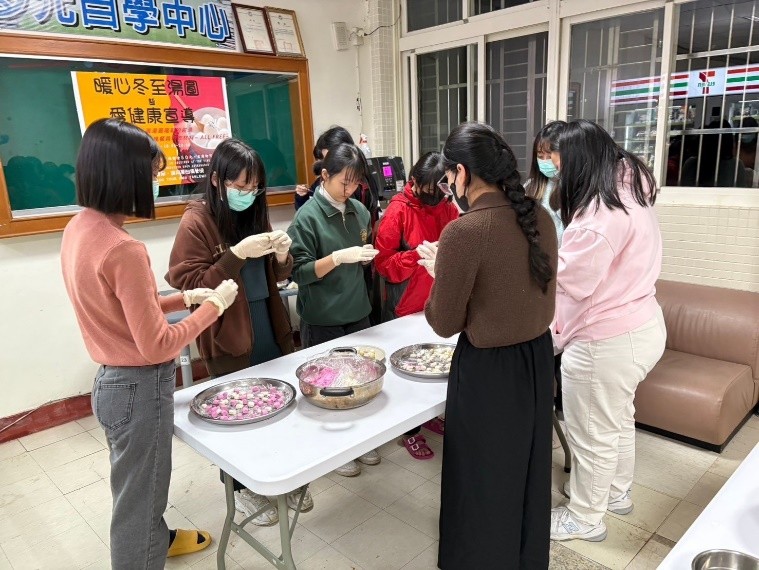
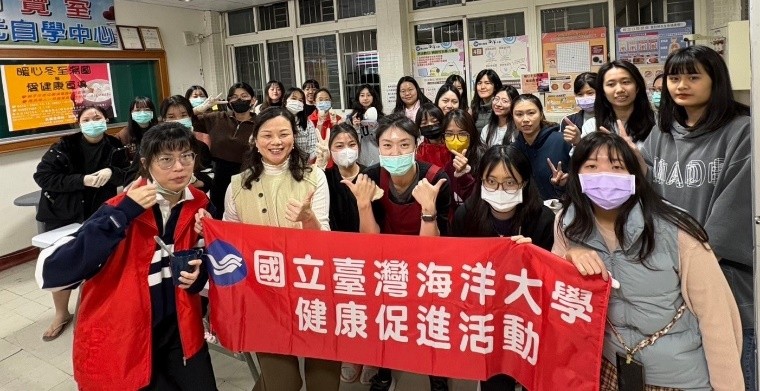
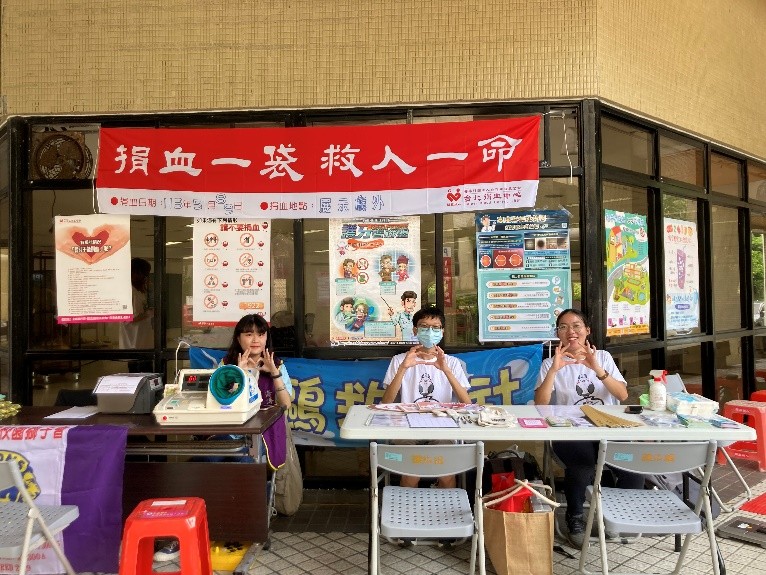
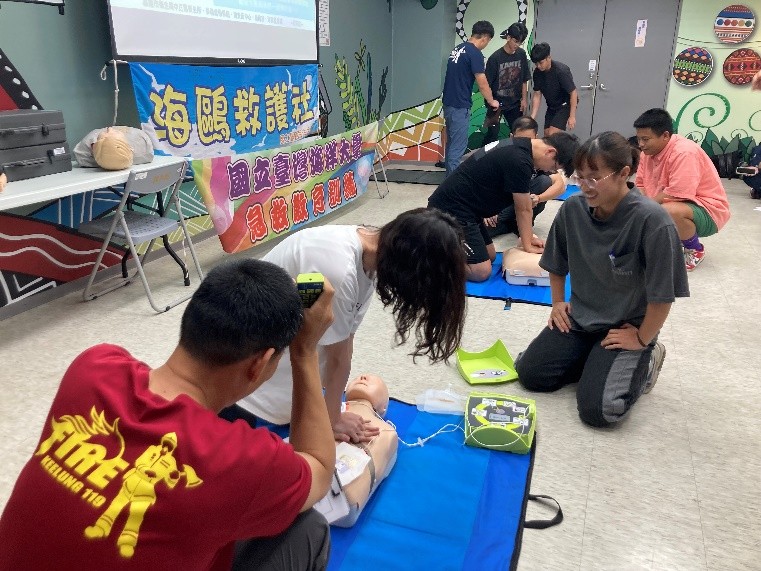
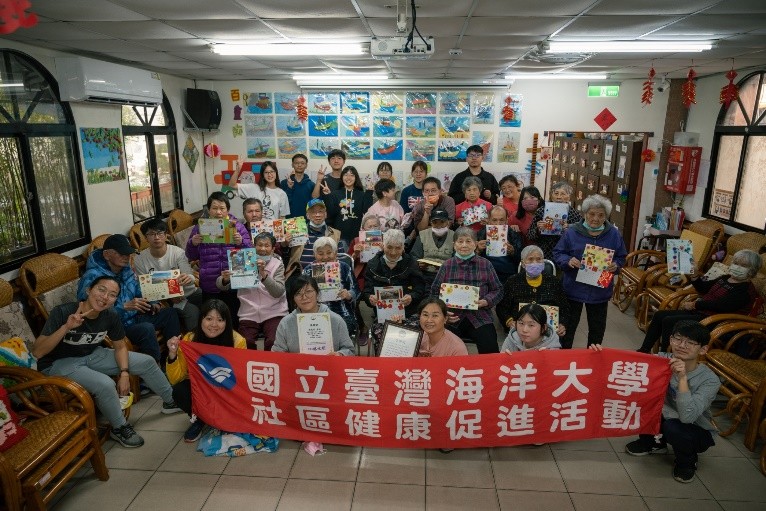
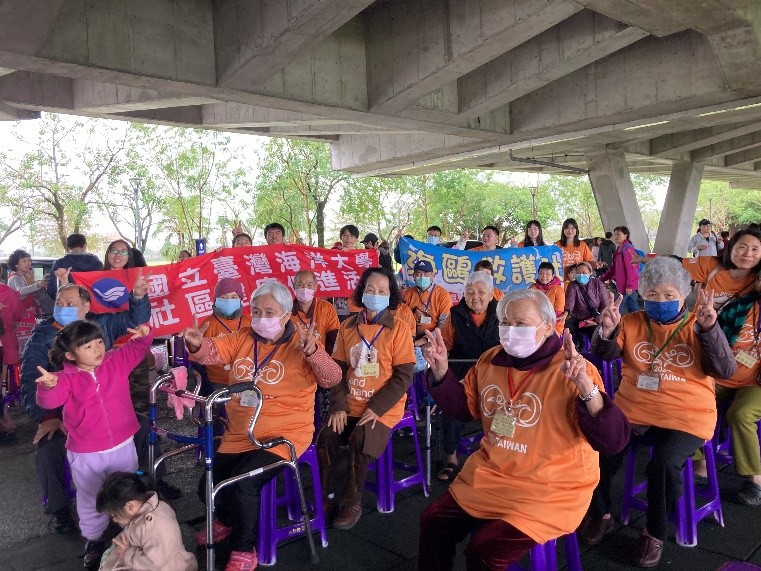
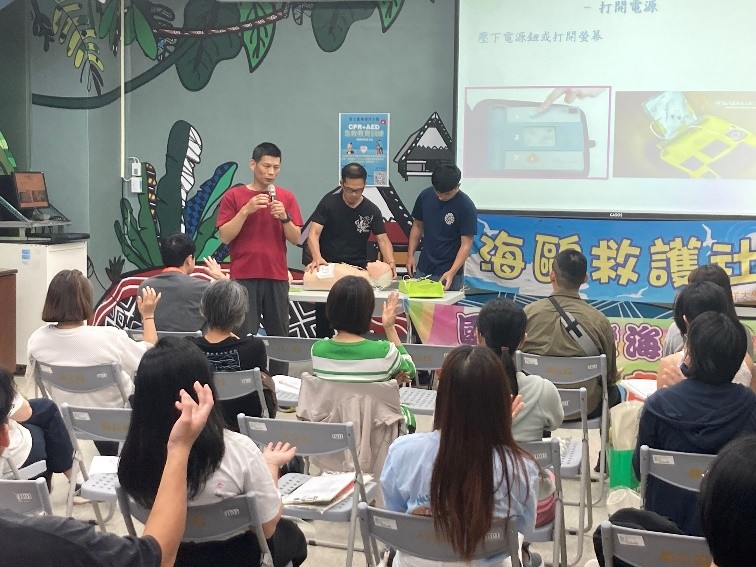
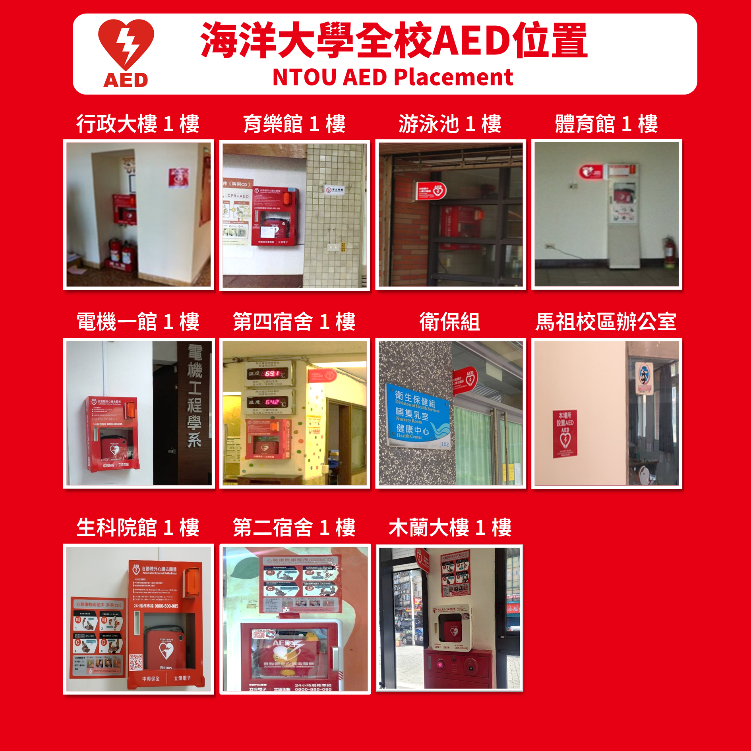
As an essential venue for education and health promotion, the school bears the important responsibility of fostering healthy lifestyles among students. To achieve the goal of building a healthy campus, a series of comprehensive health promotion programs have been developed. Through diverse activities and cross-sector collaboration, these initiatives have significantly enhanced the health awareness and quality of life of both faculty and students. Our department conducts freshman health examinations and health surveys to identify key health promotion issues. These issues encompass various aspects of student health—from daily diet and lifestyle habits to responses to sudden illnesses. By integrating on-campus units with external resources, as well as guiding student clubs to participate in organizing related activities, the school actively promotes health policies and plans diverse programs that help faculty and students enhance their health literacy, cultivate healthy lifestyles, and develop self-directed health management skills, thereby improving overall health levels. Throughout the implementation process, a total of 49 health promotion events were organized, including weight management programs, tobacco hazard prevention campaigns, smoking cessation classes, HIV/AIDS prevention and testing, food service training sessions, blood donation drives, first aid training, and infectious disease awareness programs. In the area of food hygiene, the school has also strengthened inspections of dining facilities and the traceability of food ingredients to ensure compliance with government regulations. Programs such as weight management and smoking cessation attracted participants who are proactive about their health, while HIV/AIDS prevention, infectious disease awareness, and vaccination campaigns have enhanced disease knowledge and prevention capacity. First aid training further improved participants' ability to respond to emergencies. In total, 8,018 person-times took part in these health promotion activities—reflecting not only high participation but also meaningful improvements in health awareness and behavioral change. Health promotion efforts extend beyond the campus to the broader community through collaboration with local government agencies and community organizations, such as the Keelung City Health Bureau, Zhongzheng District Health Center, and community day-care centers. The school also works with student clubs to provide services for community elders, further expanding the reach of health promotion. This extension from campus to community demonstrates the broad impact and sustainability of the school's health promotion initiatives.
學校作為教育與健康促進的重要場所,肩負著培養學生健康生活型態的重任。為實現健康校園的目標,制定一系列的健康促進計畫,並透過多元的活動和合作,顯著提升師生的健康意識和生活品質。本組辦理新生入學健康檢查與健康問卷調查,確立健康促進議題,議題涵蓋學生健康的各方面,從日常飲食和生活習慣到疾病的突發應對,通過整合校內單位與校外資源,以及指導學生社團鼓勵參與活動辦理,透過健康政策推動及規畫多元活動,帶動師生同仁增進健康知能,培養健康生活型態,達到自主健康管理,提升整體健康水平。在實施過程中,辦理健康增重減重班、菸害防制宣導、戒菸健康班、愛滋病防治及篩檢、餐飲從業人員講習、愛心捐血、急救訓練及傳染病宣導等49場次的健康活動;在餐飲衛生部分更是積極進行餐飲場所衛生檢查及食品原物料來源查核確保食物來源遵守政府法規。健康體位活動和戒菸健康班吸引關心自身健康的師生參加,而愛滋病防治及篩檢、傳染病宣導、疫苗注射活動提高師生對疾病的認識和預防能力。急救訓練則提升了大家在面對突發事件的應對能力。統計共有8,018人次參與這些健康促進活動,成果體現不僅在參與人次上,更在於健康意識的提升和健康行為的改變。健康促進的活動不僅侷限於校內,還延伸到了社區,與當地政府機構和社區團體如基隆市衛生局、基隆市中正區衛生所及社區日照中心合作,使得活動在校園外部也得到推廣,另外與學生社團的合作推動社區長者服務,進一步擴大了健康促進的影響範圍,這種從校園到社區的延伸,展示了健康促進活動的廣泛影響力和持續性。
永續影響力: 本校推動健康促進計畫,結合校內外資源舉辦多項健康教育與防治活動,包括戒菸班、傳染病宣導、急救訓練及食品衛生稽查,展現SDG 3.3.2與3.3.4中「促進健康教育與校園健康管理」的實踐。與地方政府及社區合作推廣健康活動,符合SDG 17.2.5的跨界夥伴合作精神。活動結合政策推動與實證成效,呼應SDG 3.3.1與3.3.6「運用科技與公共衛生策略提升健康福祉」。整體作為以USR導向落實健康教育與社區關懷,亦呼應SDG 14.3.2「推廣永續與環境健康教育」。
Evidence: https://stu.ntou.edu.tw/p/405-1023-118023,c10827.php?Lang=zh-tw
- Promoting gender mainstreaming 推動性別主流化
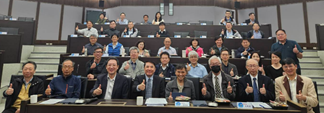
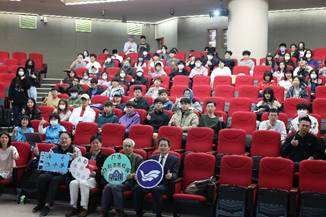
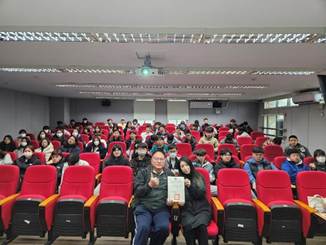
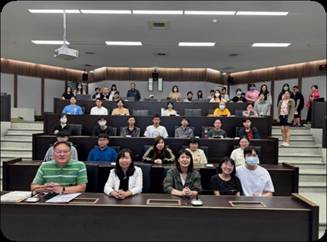
Purpose: To raise gender awareness among all faculty, staff, and students at the school. 2. Implementation Methods: Gender mainstreaming can be promoted through six key tools, including gender awareness training, the establishment of gender task forces, the collection and analysis of various gender-related statistics, gender budgeting, and impact assessments. Considering that gender awareness is a crucial factor in advancing gender mainstreaming, our school prioritizes gender awareness training as a key focus of implementation. 3. Implementation Outcomes: (1) Provision of Diverse Menstrual Products To address period poverty, the school has established locations where students can freely access a variety of menstrual products, aiming to eliminate inequalities caused by menstruation. (2) Collaboration with NGOs to Promote Gender Mainstreaming The school participates in the Ministry of Education's “Gender Mainstreaming Resource Center for Universities and Colleges” initiative and actively serves as a partner institution. We are committed to promoting gender mainstreaming on campus to reduce gender inequality. In 2024, the school organized a total of 10 gender-related seminars, including one session specifically for senior administrators. Seminar topics covered gender mainstreaming, understanding gender diversity (including experience sharing from transgender individuals), LGBTQ+ families, gender-based violence, and the prevention of campus gender-related incidents. Three of these seminars were co-hosted in collaboration with nonprofit organizations.
Sustainable Impact: The university’s gender mainstreaming initiative aligns with SDG 17.2.5, SDG 17.4.1, and SDG 3.3.4 by integrating education, partnership, and social inclusion. Through collaboration with the Ministry of Education and multiple NGOs, the university organized ten gender-awareness seminars in 2024, covering topics such as gender equality, LGBTQ+ experiences, gender-based violence prevention, and inclusive leadership training. These actions fulfill SDG 17.2.5, which emphasizes partnerships with governmental and non-governmental organizations to promote sustainable development.
By incorporating gender empowerment and awareness education into institutional culture, the initiative supports SDG 17.4.1, advancing education that fosters sustainability and equality. Additionally, the provision of free menstrual products and health-oriented awareness programs address SDG 3.3.4, promoting physical and mental well-being through inclusive health education. Collectively, these efforts demonstrate the university’s commitment to fostering equity, partnership, and sustainable social transformation.
一、目標:提升全校人員之性別意識。 二、過程: 性別主流化可藉由六大工具來推動,包含:性別意識培力、性別專案小組、性別統計、性別分析、性別預算及性別影響評估。考量性別意識為推動性別主流化之重要因素,因此本校將培力校內人員之性別意識作為推動重點。 三、具體成果: 1.提供多元生理用品 為消除「月經貧窮」,本校設置免費多元生理用品索取地點,消除「月經貧窮」。 2.與非政府組織合作,致力推動性別主流化。 本校參與教育部「設置大專校院性別主流化資源中心」性別主流化計畫夥伴學校,並開設致力於校內推動性別主流化,以消弭性別不平等之差距。 2024年共辦理10場次性別講座(含一級主管1場次),講座主題包含性別主流化、認識多元性別(含跨性別者經驗分享)、同志家庭、性別暴力及校園性別事件防治,其中與3個非營利組織共同合作辦理。
永續影響力: 本校推動性別主流化計畫,兼具教育推廣與跨界合作,符合SDG17.2.5、17.4.1、3.3.4 之指標精神。透過與教育部及非政府組織合作,開設多場性別平權與多元性別講座,落實跨部門夥伴關係,呼應 SDG17.2.5 的合作導向;以性別意識培力與校園行動實踐,達成 SDG17.4.1 強調之永續教育目標;並以提供生理用品與防治性別暴力教育活動,促進身心健康與平等,實踐 SDG3.3.4 關於學生性健康以及生殖衛生健
康服務之要求,展現大學推動社會包容的具體作為。
Evidence:
https://stu.ntou.edu.tw/p/405-1023-117967,c10828.php?Lang=zh-tw
https://usr.ntou.edu.tw/var/file/90/1090/img/1658/996879617.pdf