14.3.4
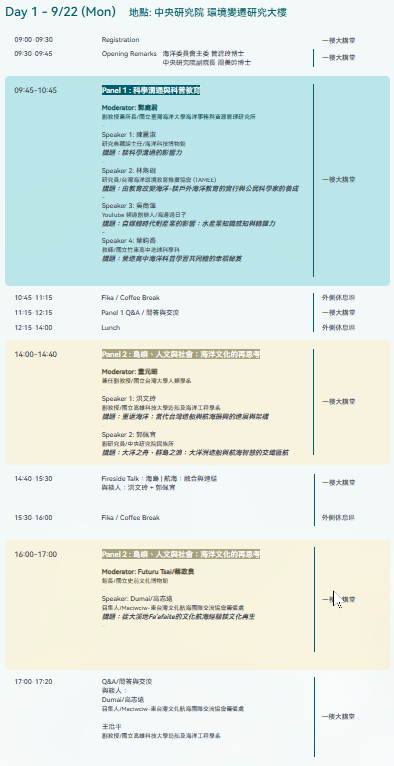
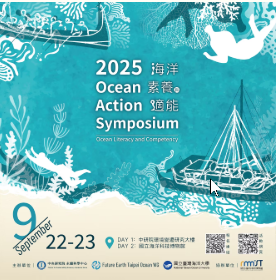
1. 2025 Ocean Action Symposium
海洋素養與適能
What is your vision of "ocean literacy"? Ocean literacy is more than just textbook knowledge; it's a way of looking at the world—it influences our values and shapes our motivation to act. Have you ever considered this? Every breeze, every current, every ship, every story of the sea—they are inextricably linked to our lives and culture. How do Taiwan's tides and ocean currents affect residents of the island and its outlying islands? How have shipbuilding and navigational technology shaped Taiwan's unique maritime culture? And what significance do coral conservation efforts have for the marine environment? This year's symposium invited scholars from across disciplines, educators on the front lines, representatives from the marine restoration industry, and marine cultural activists to share their insights! The symposium focused on themes of science communication and popular science education, marine culture and island society, and social participation and marine restoration.
Sustainable Impact:The "Ocean Literacy" symposium redefines ocean awareness as more than academic knowledge—it is a worldview that connects science, culture, and action. The event invited interdisciplinary experts, educators, and marine restoration practitioners to explore three key themes: science communication and public education, marine culture and island society, and social participation in ocean restoration.Through discussions on topics such as coral conservation, shipbuilding traditions, and community-based marine stewardship, the symposium encouraged participants to view the ocean as an integral part of life and identity.This initiative not only enhances public understanding of marine sustainability but also strengthens collaborations among academia, education, and industry.It exemplifies SDG 14 (Life Below Water) by promoting ocean conservation awareness, and SDG 17 (Partnerships for the Goals) by fostering multi-sector partnerships for sustainable ocean development and education.
你對「海洋素養」的想像是什麼? 海洋素養,不只是課本上的知識,更是一種看待世界的方式——它關係著我們的價值觀,也形塑了我們的行動力。 你有想過嗎?每一次吹來的海風、流動的洋流,每一艘航行的船隻、每一段海上故事,都與我們的生活與文化息息相關。台灣的潮汐與洋流,如何影響本島與離島的居民?造船與航海技術,如何塑造出台灣獨特的海洋文化?珊瑚保育的努力,對海洋環境又有什麼意義? 今年的座談邀請跨領域的學者、站在第一線的教育者、致力海洋復育產業代表與海洋文化行動者,帶來精彩的分享! 座談會主題聚焦在——科學溝通與科普教育、海洋文化與島嶼社會、社會參與與海洋復育
永續影響力:本次「海洋素養」主題座談強調從教育、文化、產業與社會參與等面向深化全民的海洋意識。活動以「你對海洋素養的想像是什麼?」為引言,鼓勵民眾重新思考海洋與人類生活的連結,將海洋視為理解世界與行動的出發點。座談邀集跨領域專家,包括海洋教育學者、文化研究者、海洋復育產業代表及第一線教育工作者,探討「科學溝通與科普教育」、「海洋文化與島嶼社會」及「社會參與與海洋復育」三大主題。內容涵蓋從海洋環境保育、珊瑚與生態修復、航海與造船文化,到地方社會行動等多層面議題。此座談會透過多元對話與知識交流,深化社會大眾對海洋永續的理解,並強化學術、教育與產業間的夥伴合作,實踐 SDG 14(保育與永續利用海洋資源) 與 SDG 17(強化全球夥伴關係) 的精神,推動從知識、文化到實踐的「海洋公民素養」。
Evidence:
https://www.oceanactionsymposium2025.com/
2. Guidance for Establishing a Friendly Aquaculture Production Model (Year 3)
輔導建立友善養殖生產模式(第三年)
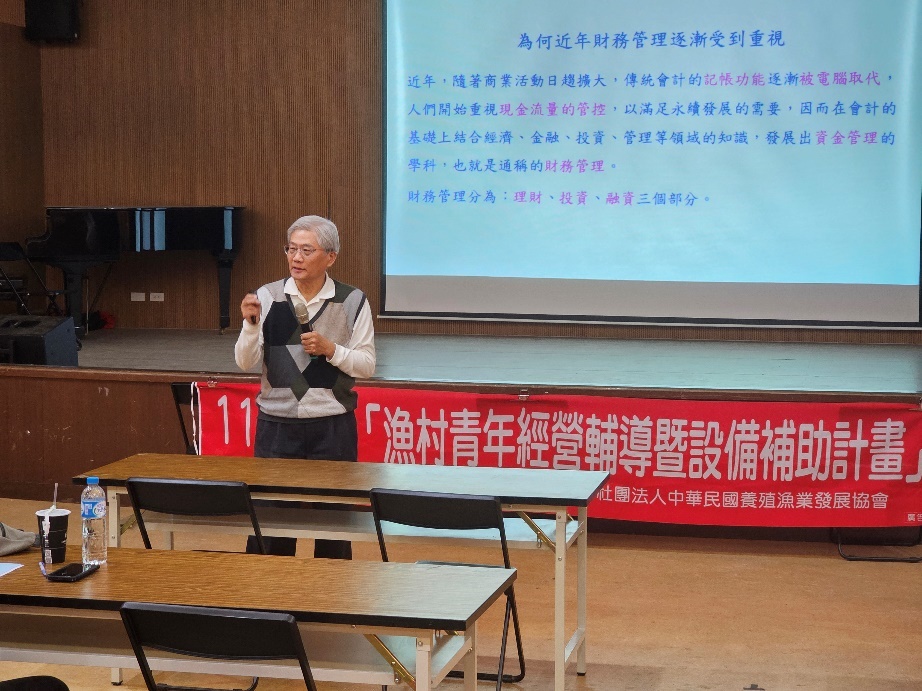
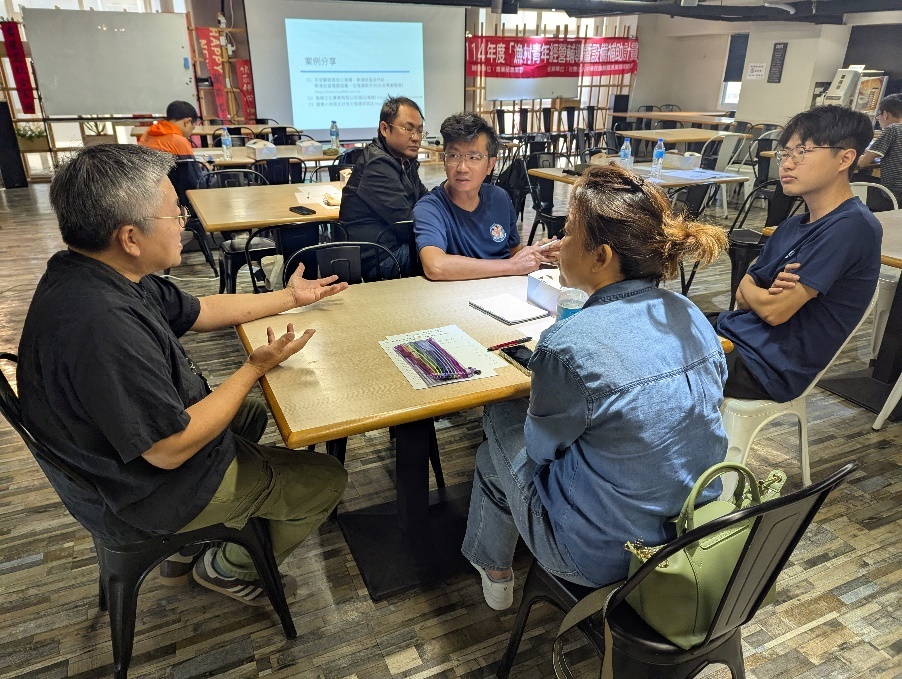
Changhua's coastal areas boast rich and diverse ecosystems and fishery resources. The Changbin area has developed industrial zones, while the Hanbao, Wanggong, and Yongxing areas have reclaimed land for fish pond aquaculture, yet still retain Taiwan's largest mudflat wetlands and natural coastal landscapes. Changhua is one of Taiwan's main aquaculture production regions, with hard clams being the primary species farmed. The coastal aquaculture area in Changhua County spans nearly 1,600 hectares, primarily concentrated in Fangyuan Township (about 1,200 hectares), with several hundred hectares also in Fuxing and Shengang Townships. In recent years, extreme climate impacts (temperature fluctuations, sudden heavy rains, water shortages), combined with long-standing improper human management practices (overstocking, deteriorating nearby water sources), have led to poor aquaculture results and declining profits, severely affecting fishermen's livelihoods. The frequent abandonment of farming due to losses is detrimental to the industry's sustainable development. Under the guidance of the Fisheries Agency and the county government, the "Changhua County Aquaculture Youth Association" was established to integrate local youth energy and drive regional added-value growth. Founded in October 2020, it currently has 67 members spread across Changhua's three major aquaculture production areas: Hanbao, Wanggong, and Yongxing (see Figures 1, 2, 3). Given the escalating impacts of climate change making aquaculture management increasingly difficult, traditional experience-based methods can no longer cope with the unpredictable climate variations. Moreover, most association members have not received formal aquaculture education and training, making it challenging to effectively assess and address the challenges and issues arising during the aquaculture process, leading to unstable cultivation rates and difficulty improving operational performance. According to the United Nations Sustainable Development Goals (SDGs), sustainable and safe seafood supply chains have become an international development trend. However, most aquaculture operators pursue the highest profit per unit area, primarily adopting high-density intensive aquaculture models, with excessive feed and drug use, causing significant harm to aquaculture organisms and the ecological environment, and raising concerns about the quality and safety of seafood products.
Sustainable Impact: The coastal region of Changhua, home to Taiwan’s largest clam aquaculture zone and extensive mudflat wetlands, faces increasing stress from climate change and environmental degradation. To strengthen local resilience, National Taiwan Ocean University supported the creation of the Changhua Young Aquaculture Alliance, integrating government guidance, industry collaboration, and academic expertise.
The program advances sustainable aquaculture practices through education, technology transfer, and adaptive management, equipping young farmers with practical skills and ecological awareness. It promotes responsible aquaculture and fosters environmentally friendly production models that mitigate climate risks while enhancing community livelihoods.
This initiative directly supports SDG 14.3.1–14.3.4, encompassing marine education, scientific innovation, sustainable fisheries management, and climate adaptation. It also contributes to SDG 17.2.1, 17.2.5 by building strong multi-stakeholder partnerships and facilitating cross-sector collaboration. Through shared knowledge and capacity-building, the project establishes a replicable model for sustainable coastal fisheries and community-based marine stewardship in Taiwan.
彰化沿海擁有豐富多樣的生態與漁業資源,彰濱一帶有已開發之工業區,漢寶、王功與永興區多填海作為魚塭養殖使用但仍保有臺灣最廣大的泥灘濕地與自然海岸地景。彰化地區為我國養殖漁業主要產區之一,區內以文蛤為大宗養殖物種,彰化縣沿海養殖文蛤近1,600公頃,主要集中在芳苑鄉,多達1,200公頃,福興鄉和伸港鄉也有幾百公頃。近年因受極端氣候衝擊影響(溫差、突然性暴雨、缺水)加上長久以來人為管理方式不當(放養密度過高、附近水源惡化),導致養殖成效不佳收益逐年下滑,嚴重影響漁民生計,因不堪虧損而棄養之情事頻繁發生,不利產業永續發展。日前在漁業署及縣政府輔導下,成立「彰化縣養殖青年聯誼會」,希望整合在地青年能量帶動區域加值成長,成立於民國109年10月,現有會員67位,遍布彰化三大養殖生產區:漢寶養殖生產區、王功養殖生產區、永興養殖生產區,有鑑於近年氣候變遷衝擊加劇導致養殖管理日趨艱難,沿襲傳統之經驗法則已無法應付詭譎多變之氣候變化,加諸大部分聯誼會成員均未受過正規養殖教育訓練,對於養殖過程中所產生之挑戰與問題變化無法做出有效判斷與處置,導致育成率不穩,經營績效難以提升。 依據聯合國永續發展目標(SDGS),永續、安全之水產品供應鏈已成為國際發展趨勢,惟大部分養殖業者為追求單位面積最高獲利,多以高密度集約養殖模式為主,大量餌料投餵及藥物使用,對養殖生物及生態環境造成莫大危害,同時也產生水產品品質及安全性不佳之疑慮。
永續影響力:彰化沿海兼具濕地生態與養殖漁業特色,近年因氣候變遷與環境惡化導致漁民生計受影響。為促進漁業永續發展,海洋大學協助成立「彰化縣養殖青年聯誼會」,整合政府、產業與學研資源,推廣責任制養殖與環境友善技術。計畫同時導入氣候調適與生態管理知識,培養青年漁民專業技能,建立可持續的水產經營模式。此舉符合 SDG14.3.1–14.3.4 強調之教育、科研與氣候調適目標,並實踐 SDG17.2.1、17.2.5 的跨域夥伴合作與知識共享,展現學術支持地方漁業轉型的永續典範。
Evidence:
https://www.fish1996.com.tw/4-1-7.html
3. 2024 World Oceans Day Fish Fry Ecological Release Event
2024世界海洋日放流活動
Here is the English translation of the story-based summary from the perspective of National Taiwan Ocean University (NTOU): Translating Knowledge into Action: NTOU USR Team Leads Marine Education and Ecological Stock Release at Yehliu Under the banner of the 2024 World Oceans Day theme, "Awaken New Depths," National Taiwan Ocean University (NTOU) once again demonstrated that a university is not just a repository of knowledge but a critical driver of marine sustainable development through tangible action. The NTOU USR (University Social Responsibility) Team, in collaboration with partners including the Taiwan Ocean Conservation and Fisheries Sustainability Foundation and the Fisheries Agency, successfully hosted a "Fish Fry Ecological Release Event" on June 7th at the Neptune Pier area in Yehliu, New Taipei City. For NTOU, this event was more than just a response to government policy; it was a prime location for implementing the USR project and cultivating the future talents of the marine sector. Extending Education from the Classroom to the Coast: NTOU firmly believes that marine education must be rooted early. Under the guidance of Vice Minister Huang Chao-Chin of the Ministry of Agriculture, the event specifically invited students from Yehliu Elementary School to participate. Together, they released healthy native species—including Yellowfin Seabream, Scribbled Snapper, and Ornate Spiny Lobster—into the ocean. Through explanations and guidance on the correct stocking mechanisms provided by the Department of Tourism faculty and students, the children personally experienced the scientific conservation principle of "releasing the right species in the right way, at the right time and location." This effort successfully planted the seeds of sustainable fisheries resource utilization in young hearts. Validating Effectiveness with Scientific Assessment: As a leading oceanographic institution, NTOU has a long history of cooperation with the Fisheries Agency, utilizing advanced technologies like gene molecular markers to evaluate the effectiveness of stock release. Research has confirmed that, over the past five years, over 40% of certain economically valuable species caught in the wild originated from these healthy released fingerlings. This provides solid scientific evidence for resource enhancement and highlights NTOU's crucial academic contribution to boosting marine productivity and generating "Three-L" positive spillover effects (Ecology, Livelihood, and Production). National Taiwan Ocean University is committed to continued collaboration with various partners to safeguard coastal habitat environments. Simultaneously, these practical fieldwork opportunities provide valuable industry experience for students, ensuring NTOU contributes both academic wisdom and practical strength to the sustainable development of Taiwan's marine environment and fisheries resources.
Sustainable Impact:The university's USR team, in partnership with the Fisheries Agency and related foundations, organized a marine ecological release event in Yehliu under the World Oceans Day theme "Awaken New Depths." The program aligns with SDG 14.3.2 by promoting marine education through hands-on learning with local students. Its use of genetic tagging to assess release outcomes fulfills SDG 14.3.3, demonstrating scientific collaboration in marine research. The activity supports SDG 14.3.4 by enhancing sustainable fisheries through the release of native species under controlled, science-based methods. Finally, by engaging government agencies, NGOs, and the public in habitat protection and education, it exemplifies SDG 14.5.1's focus on community-based marine conservation, merging academic knowledge with social responsibility and real-world impact.
以知識實踐責任:海大USR團隊在野柳的海洋教育與生態放流課 在2024年「喚醒新深度」(Awaken New Depths)的世界海洋日主題下,國立臺灣海洋大學再次以實際行動,證明大學不僅是知識的殿堂,更是推動海洋永續發展的關鍵力量。 海大USR團隊與臺灣海洋保育與漁業永續基金會、漁業署等夥伴攜手,提前於6月7日在新北市萬里區野柳海王星碼頭,成功舉辦了一場「魚苗生態放流活動」。對海洋大學而言,這場活動不僅是響應政府政策,更是落實大學社會責任(USR)計畫、培育未來海洋人才的最佳場域。將教育從教室延伸到海岸:海大堅信,海洋教育必須從小紮根。本次活動在漁業署黃昭欽次長的示範下,特別邀請野柳國小的學童們共同參與,將健康的黃錫鯛、川紋笛鯛、錦繡龍蝦等原生種苗投入大海。透過觀光系師生對正確放流機制的解說與指導,學童們親身體驗了「在對的時間及地點,用對的方式放流對的魚種」這一科學保育觀念,讓漁業資源永續利用的種子深植人心。以科學評估實踐效益:作為國內頂尖的海洋學府,海大長期與漁業署合作,運用基因分子標識等先進技術評估放流效益。研究結果顯示,過去五年放流的種苗中,部分經濟物種在野外捕撈的比例竟有40%以上來自於這些健康種苗。這不僅為資源增裕提供了扎實的科學依據,更突顯了海大在提升海洋生產力與創造「生態、生活、生產」三生活化外溢效果中的關鍵學術貢獻。國立臺灣海洋大學將持續與各界夥伴合作,共同守護沿近海棲地環境,同時藉由這些實踐場域,為學生提供寶貴的產業連結經驗,持續為臺灣的海洋環境與漁業資源永續發展貢獻學術智慧與實踐力量。
永續影響力:本活動以「魚苗生態放流」為核心,結合野柳國小師生參與與政府、基金會協作,推動海洋教育與社會實踐,符合SDG 14.3.2「提升公眾海洋意識與教育推廣」。透過基因分子標識技術進行放流成效追蹤,展現SDG14.3.3「推動海洋研究合作與科學應用」。活動所釋放的原生種苗與科學化管理機制,呼應SDG 14.3.4「促進永續漁業與資源復育」。最後,藉由USR計畫及跨界夥伴合作,共同守護沿岸棲地並鼓勵民眾參與,具體落實SDG 14.5.1「社區參與式海洋保護與教育」。


Evidence:
4. Outdoor Learning and SDGs Interactive Exhibition & Challenge
戶外教育活動暨SDGs策展闖關活動
Here is the English translation of the story-based summary from the perspective of National Taiwan Ocean University (NTOU): Connecting the Generations for Sustainability: NTOU Tourism Department Lights Up Local Marine Education in Badouzi with SDGs Exhibition In the ongoing mission to advance University Social Responsibility (USR) and preserve local culture, National Taiwan Ocean University (NTOU) once again demonstrated the perfect synthesis of academic professionalism and practical engagement. On May 22nd, the Bachelor's Program in Marine Tourism Management at NTOU, the National Museum of Marine Science and Technology (NMMST), and the Badouzi Industry Tourism Promotion Association joined forces to host a grand Outdoor Education and SDGs Challenge Stations Event. This marked the first time the three parties combined their initiatives, attracting a record-breaking participation of nearly 400 teachers and students, including kindergarten classes, from Badou Elementary School in Keelung City. NTOU Students' "Real-World" Capstone Project: At the heart of the event was the final project presentation for the sophomore-level "Marine Leisure Management" course. Under the joint guidance of Professor Wang Hui-Chiao of the NTOU Tourism Department and researchers from NMMST, 49 enrolled students self-planned, designed, and produced exhibits for 8 micro-exhibition challenge stations based on the UN Sustainable Development Goals (SDGs). The activities were rich and diverse, ranging from local cultural experiences like the "pickpocket net" demonstration, fishing port explanations, Shulang seawater dyeing, and Caozaiguo (mugwort rice cake) DIY, to the interactive SDGs challenges. These hands-on activities allowed the children to learn about marine life, pollution, and ecological damage in a fun environment, fostering concepts of loving and protecting the sea from a young age and promoting marine sustainability. Cross-Sector Collaboration Illuminates the Local Community: NTOU Tourism Department students showcased outstanding professional skills: 16 students served as guides for the elementary school groups, while 49 ran the exhibitions. Participants voted for the "Best Explanation Award," "Best Knowledge Award," and "Most Popular Award," effectively transforming classroom theory into professional service and stimulating the students' creative thinking and diverse skill sets. A participating student from Badou Elementary School, Class 5, expressed that the college students taught them much knowledge not covered in school, using games to make it memorable. The student found the half-day event fulfilling and enjoyable, with the handmade Caozaiguo being especially meaningful, wishing the event could have lasted a whole day. A NTOU student involved in the exhibition, surnamed Huang, shared that while nervous facing such a large group of children, their eagerness and attentiveness were rewarding. Seeing the children happy brought a huge sense of accomplishment, proving the effort put into the project—from collaborative planning to refining explanations—was worthwhile. Through five consecutive years of USR collaboration with local elementary schools and three years of joint exhibition efforts with NMMST, the NTOU Tourism Department has not only fulfilled its social responsibility and cultivated the nation's first specialized marine tourism management talents but has also effectively promoted the inheritance of local culture and marine sustainability awareness in the next generation.
Sustainable Impact:The Department of Marine Tourism at NTOU collaborated with the National Museum of Marine Science and Technology and the Badouzi Industry Tourism Association to host an SDG-themed outdoor exhibition and interactive learning event, engaging around 400 elementary school students and teachers. University students integrated marine science, SDG concepts, and local culture into creative exhibits and workshops. This initiative aligns with SDGs 14.3.3 and 14.3.4 by advancing marine science education and public awareness, and with SDGs 14.4.2 and 14.5.1 by fostering sustainable resource use, community engagement, and marine conservation partnerships. Through experiential learning and cross-sector collaboration, the program exemplifies university social responsibility (USR) and intergenerational sustainability education.
從小學到大學的永續串聯:海大觀光系在八斗子以SDGs策展點亮在地海洋教育 在推動大學社會責任(USR)和在地文化傳承的道路上,國立臺灣海洋大學(NTOU)再次展現了其專業學術與實踐的完美結合。 5月22日,國立臺灣海洋大學海洋觀光管理學士學位學程、國立海洋科技博物館與八斗子產業觀光促進會三方攜手,共同舉辦了一場盛大的「戶外教育暨SDGs策展闖關活動」。這不僅是三方合作活動首次結合辦理,更一舉吸引了來自基隆市八斗國小,包含幼幼班在內將近400名師生參與,創下歷年紀錄。 海大學生的期末「實戰」成果: 這場活動的核心,是海大觀光系二年級學生們一整學期「海洋休閒管理」課程的期末成果發表。在王彙喬老師和海科館研究員們的共同指導下,49位修課學生將聯合國永續發展指標(SDGs)融入海洋科普,自行企劃、設計並製作展品,打造了8個微策展闖關主題。 活動內容豐富多元,從扒手網體驗、漁港解說、薯榔海水染、草仔粿DIY等在地文化活動,到結合互動遊戲的SDGs闖關,讓小朋友們在歡樂中深入了解海洋生物、污染、生態破壞等議題,從小培養親海、愛海的永續觀念。 跨界合作 點亮地方: 海大觀光系的學生們展現出卓越的專業技能:16位學生擔任領隊引導國小師生,49位學生則負責策展解說,並透過小朋友的票選,競爭「最佳解說獎」、「最佳知識獎」等榮譽,成功將課堂理論轉化為專業服務。 一名參與策展的黃同學分享,面對近400名小朋友雖感壓力,但看到他們認真闖關、玩得盡興,從一開始的生疏到後來的流暢解說,所有的辛苦與努力都轉化成了成就感。而八斗國小五年忠班的張同學則對大哥哥大姐姐們講解的海洋知識和親手製作的草仔粿印象深刻,直呼「半天的活動太短了,希望下次可以有一整天」。 透過連續五年的USR計畫與在地國小的合作,以及連續三年的與海科館的策展串聯,海大觀光系不僅善盡了大學社會責任,培育了全國首個以海洋觀光管理為特色的專業人才,更有效促進了在地文化與海洋永續觀念在下一代的傳承。
永續影響力:國立臺灣海洋大學觀光系攜手國立海洋科技博物館與八斗子產業觀光促進會,共同舉辦「戶外教育暨SDGs策展闖關活動」,串聯大學與在地國小,共約400名師生參與。活動以海洋科普教育為主軸,結合學生策展、實作與地方文化體驗,推廣海洋永續與文化傳承。此舉符合SDG 14.3.3與14.3.4,透過教育推動海洋知識普及;同時呼應SDG 14.4.2與14.5.1,藉跨界合作促進社區參與與海洋保育意識。活動展現USR精神與永續教育連結,達成「從小學到大學的永續串聯」之目標。

