17.4.1
1. Comprehensive ESG Reporting Practical Training and Framework Introduction Course
ESG 報告書全方位實務操作與框架導入課程
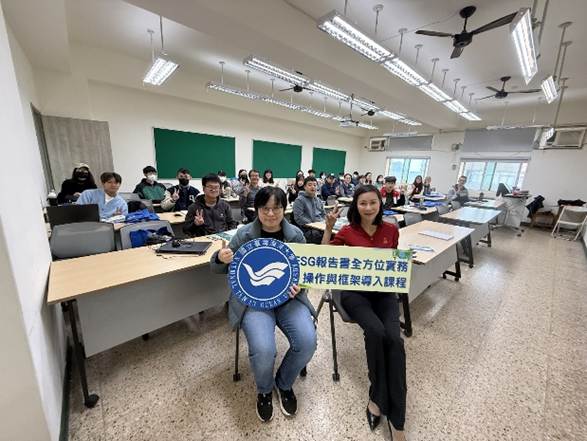
The " Comprehensive ESG Reporting Practical Training and Framework Introduction Course " aims to cultivate students'' and faculty''s understanding and practical skills in sustainable development and corporate social responsibility, strengthening on-campus sustainability education. Covering GRI Standards, SASB guidelines, and the TCFD framework, the course guides participants through theoretical lectures and case studies, helping them master ESG reporting techniques. A total of 23 students and 6 faculty members participated, significantly enhancing their ability to apply sustainability reporting frameworks. Some students have applied their knowledge to projects and research, promoting campus sustainability awareness and bridging the gap between industry and academia.
Sustainable Impact:The "Comprehensive ESG Reporting and Framework Implementation Course" strengthened the understanding of sustainability and corporate social responsibility among students and staff. Covering GRI Standards, SASB Guidelines, and the TCFD framework, the course integrated theoretical instruction with corporate case studies to enhance participant's practical reporting skills. Several students applied what they learned in their research and projects, bridging academic learning with industry practice. This initiative aligns with SDG 17.4.1, which focuses on capacity building for sustainable development. By fostering professional competence in ESG reporting and sustainability frameworks, the program demonstrates higher education's role in advancing institutional sustainability and promoting real-world SDG implementation.
「ESG報告書全方位實務操作與框架導入課程」旨在培養學生與教職員對永續發展與企業社會責任的理解與實務操作能力,強化校內永續教育深度。課程內容涵蓋 GRI Standards、SASB 準則與 TCFD 架構,透過理論講授與企業案例分析,引導學員掌握 ESG 報告書撰寫技巧,共計學生 23 人、教職員 6 人參與,學員對永續報告框架應用之能力明顯提升,部分學生將所學運用於專題與研究中,促進校園永續意識與產學接軌效益。
永續影響力:「ESG報告書全方位實務操作與框架導入課程」透過GRI、SASB及TCFD等國際框架的理論與實作訓練,培養學生與教職員理解企業永續發展及社會責任的能力。課程結合理論講授與企業案例分析,增進學員撰寫ESG報告書的專業技能,並促進產學接軌與永續教育深化。此舉符合SDG 17.4.1「強化永續發展能力建構」,藉由教育訓練推動校內永續意識與專業實踐,展現高等教育在永續治理與跨領域能力培育中的貢獻。
Evidence:
https://ctl.ntou.edu.tw/p/412-1105-12755.php
2. Early Career Ocean Professional (ECOP) Listening Sessions
早期職業海洋專業人士 (ECOP)聆聽工作坊
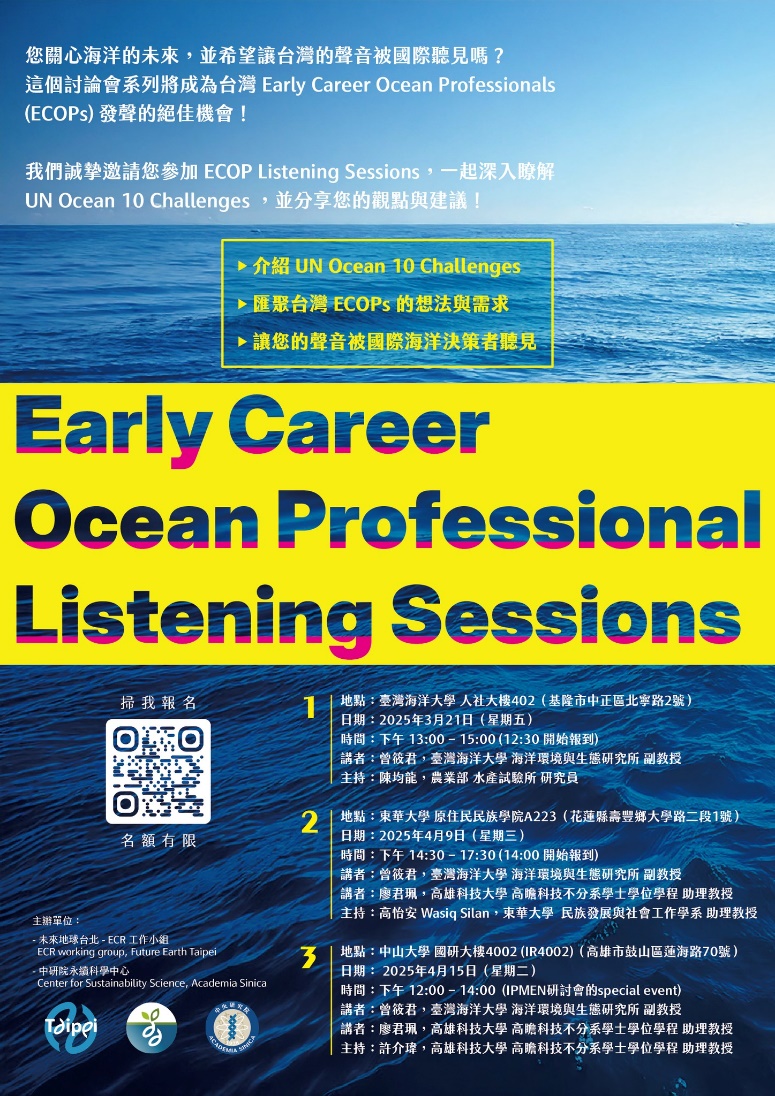
The listening sessions revealed that youth from diverse backgrounds in Taiwan—ECOPs, Indigenous youths, and young Ocean Educators—share strong concerns about marine pollution and ecosystem degradation. Across all groups, ‘Challenge 1: Understand and beat marine pollution' and ‘Challenge 2: Protect and restore ecosystems and biodiversity' were consistently ranked among the top three priorities. While the third priority varied, each group brought unique perspectives shaped by their experiences and professional or cultural contexts. All participants acknowledged that Taiwan has demonstrated significant strengths in marine ecosystem restoration and possesses the capacity to contribute valuable expertise and technology to global ocean sustainability. However, over 60% of ECOPs and Indigenous youth participants had never heard of the UN Ocean Decade, largely due to Taiwan's exclusion from formal UN processes. Despite Taiwan's fisheries and shipping sectors ranking among the top globally, it remains excluded from many international negotiations, resulting in a critical gap in global ocean data and perspectives. The participants called for more inclusive and culturally grounded ocean governance that integrates the knowledge and efforts of non-state actors, including Indigenous communities. Their collective messages urge that Taiwan's marine expertise and perspectives be meaningfully included in international dialogues—ensuring ocean sustainability efforts reflect diverse voices and local realities.
Sustainable Impact:This dialogue gathered Taiwanese youth from diverse backgrounds—environmental advocates, Indigenous leaders, and marine educators—to discuss ocean pollution, ecosystem degradation, and inclusive governance. Participants recognized Taiwan's strong technical capacity in marine ecosystem restoration but highlighted its exclusion from UN Ocean Decade processes, resulting in significant data and representation gaps. Over 60% of attendees had never heard of the UN Ocean Decade, underscoring the need for greater international engagement. The forum called for culturally grounded and inclusive ocean governance that integrates Indigenous knowledge and non-state actors' expertise. It emphasized Taiwan's potential contribution to global marine sustainability through science, education, and policy innovation. This initiative aligns with SDG 14 (Life Below Water), promoting conservation and sustainable management of ocean resources; SDG 17 (Partnerships for the Goals), strengthening global collaboration; and SDG 4.3.5, enhancing educational awareness and professional capacity for sustainable ocean action.
聆聽環節發現,來自不同背景的台灣青年——環保青年、原住民青年和青年海洋教育者——都對海洋污染和生態系統退化有著強烈的擔憂。在所有群體中,「挑戰一:了解並戰勝海洋污染」和「挑戰二:保護和修復生態系統與生物多樣性」始終位列三大優先事項之列。雖然第三個優先事項各不相同,但每個群體都根據自身的經驗、專業或文化背景提出了獨特的觀點。所有參與者都承認,台灣在海洋生態系統修復方面展現出顯著優勢,有能力為全球海洋永續發展貢獻寶貴的專業知識和技術。然而,超過 60% 的環保青年和原住民青年參與者從未聽說過聯合國海洋十年,主要是因為台灣被排除在聯合國正式進程之外。儘管台灣的漁業和航運業在全球名列前茅,但它仍然被排除在許多國際談判之外,導致全球海洋數據和觀點有重大缺口。與會者呼籲更具包容性、以文化為基礎的海洋治理,整合包括原住民社群在內的非國家行為體的知識和努力。他們共同呼籲,將台灣的海洋專業知識和觀點有效納入國際對話,確保海洋永續發展努力反映多元聲音和本土現實。
永續影響力:本活動匯集來自不同背景的台灣青年,包括環保青年、原住民青年及海洋教育者,共同探討海洋污染、生態系退化及多元文化參與等議題。與會者一致認為,台灣在海洋生態修復上具備專業能力與技術優勢,應積極參與全球海洋治理。然而,超過六成的青年未曾聽聞「聯合國海洋十年」,顯示台灣在國際海洋永續進程中被邊緣化的困境。與會者呼籲建立更具包容性的國際對話平台,納入原住民與非國家行為者的知識與經驗,並促進海洋教育與文化治理的融合。此舉不僅推動跨文化合作與教育提升,也體現SDG 14「海洋生態永續」、SDG 17「夥伴關係」、及SDG 4.3.5「教育與專業能力增能」之核心精神。
Evidence:
https://www.facebook.com/photo.php?fbid=691210616572785&id=100070515593897&set=a.220356423658209
3. 2025 Ocean Action Symposium
海洋素養與適能
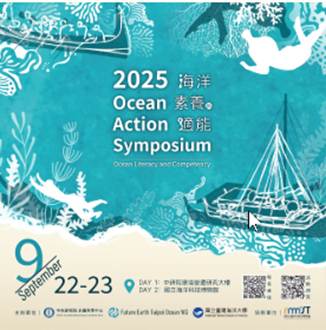
What is your vision of "ocean literacy"? Ocean literacy is more than just textbook knowledge; it's a way of looking at the world—it influences our values and shapes our motivation to act. Have you ever considered this? Every breeze, every current, every ship, every story of the sea—they are inextricably linked to our lives and culture. How do Taiwan's tides and ocean currents affect residents of the island and its outlying islands? How have shipbuilding and navigational technology shaped Taiwan's unique maritime culture? And what significance do coral conservation efforts have for the marine environment? This year's symposium invited scholars from across disciplines, educators on the front lines, representatives from the marine restoration industry, and marine cultural activists to share their insights! The symposium focused on themes of science communication and popular science education, marine culture and island society, and social participation and marine restoration.
Sustainable Impact:The "Ocean Literacy" symposium redefines ocean awareness as more than academic knowledge—it is a worldview that connects science, culture, and action. The event invited interdisciplinary experts, educators, and marine restoration practitioners to explore three key themes: science communication and public education, marine culture and island society, and social participation in ocean restoration.Through discussions on topics such as coral conservation, shipbuilding traditions, and community-based marine stewardship, the symposium encouraged participants to view the ocean as an integral part of life and identity.This initiative not only enhances public understanding of marine sustainability but also strengthens collaborations among academia, education, and industry.It exemplifies SDG 14 (Life Below Water) by promoting ocean conservation awareness, and SDG 17 (Partnerships for the Goals) by fostering multi-sector partnerships for sustainable ocean development and education.
你對「海洋素養」的想像是什麼? 海洋素養,不只是課本上的知識,更是一種看待世界的方式——它關係著我們的價值觀,也形塑了我們的行動力。 你有想過嗎?每一次吹來的海風、流動的洋流,每一艘航行的船隻、每一段海上故事,都與我們的生活與文化息息相關。台灣的潮汐與洋流,如何影響本島與離島的居民?造船與航海技術,如何塑造出台灣獨特的海洋文化?珊瑚保育的努力,對海洋環境又有什麼意義? 今年的座談邀請跨領域的學者、站在第一線的教育者、致力海洋復育產業代表與海洋文化行動者,帶來精彩的分享! 座談會主題聚焦在——科學溝通與科普教育、海洋文化與島嶼社會、社會參與與海洋復育
永續影響力:本次「海洋素養」主題座談強調從教育、文化、產業與社會參與等面向深化全民的海洋意識。活動以「你對海洋素養的想像是什麼?」為引言,鼓勵民眾重新思考海洋與人類生活的連結,將海洋視為理解世界與行動的出發點。座談邀集跨領域專家,包括海洋教育學者、文化研究者、海洋復育產業代表及第一線教育工作者,探討「科學溝通與科普教育」、「海洋文化與島嶼社會」及「社會參與與海洋復育」三大主題。內容涵蓋從海洋環境保育、珊瑚與生態修復、航海與造船文化,到地方社會行動等多層面議題。此座談會透過多元對話與知識交流,深化社會大眾對海洋永續的理解,並強化學術、教育與產業間的夥伴合作,實踐 SDG 14(保育與永續利用海洋資源) 與 SDG 17(強化全球夥伴關係) 的精神,推動從知識、文化到實踐的「海洋公民素養」。
Evidence:
https://www.oceanactionsymposium2025.com/
4. Greenhouse Gas Inventory and Carbon Neutrality Skills Training & Certification Course -ISO 14064-1 Organizational Level GHG emissions and removals Internal Training Course
溫室氣體盤查暨碳中和技能養成訓練證照課程- 14064-1 組織層級溫室氣體內部查證員課程
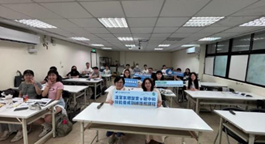
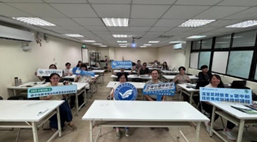
Our school offers the "14064-1 Organizational Level GHG emissions and removals Internal Training Course," which aims to cultivate sustainable professionals with carbon inventory and verification capabilities, and to strengthen teachers and students'' practical understanding of greenhouse gas management and carbon reduction actions. The course content covers international standard principles, inventory procedures, emissions calculations, and internal verification techniques, and combines theory with case studies to enhance participants'' practical application capabilities. A total of 15 students and 5 faculty members participated in the course. Those who completed the course and passed the test received an internationally recognized certificate. This course not only promotes the improvement of carbon management knowledge within the school, but also lays the foundation for subsequent campus carbon inventory and sustainable development actions, cultivates talents with verification capabilities, and assists the school in moving towards its net-zero transformation goal.
Sustainable Impact:The ISO 14064-1 Internal Greenhouse Gas Verifier Course offered by the university exemplifies SDG 17.4.1 – Promoting Education for Sustainable Development.
The program integrates theoretical learning with hands-on verification practice to cultivate professional competence in carbon accounting and GHG verification. Participants—students and faculty members alike—gain expertise in international standards, emission calculation methods, and audit procedures, earning internationally recognized certification upon completion.
By equipping the academic community with sustainability and carbon management knowledge, the initiative builds institutional capacity for net-zero transition. It demonstrates the university’s proactive role in advancing education for sustainability, linking academic training with practical environmental action and supporting the broader goals of climate responsibility and sustainable governance.
本校辦理「14064-1 組織層級溫室氣體內部查證員課程」,旨在培育具備碳盤查與查證能力之永續專業人才,強化師生對溫室氣體管理及減碳行動的實務理解。課程內容涵蓋國際標準原則、盤查程序、排放計算及內部查證技巧,並結合理論與案例操作,提升參與者的實務應用能力。全程共有學生15人、教職員5人參與,完成課程並通過測驗者取得國際認證證書。此課程不僅促進校內碳管理知能提升,也為後續校園碳盤查與永續發展行動奠定基礎,培育具備查證能力的人才,協助學校朝向淨零轉型目標邁進。
永續影響力:本校開設「14064-1 組織層級溫室氣體內部查證員課程」,培育具碳盤查與查證能力之專業人才,符合 SDG17.4.1 推動教育以促進永續發展 的核心精神。課程結合理論與實務操作,讓學員熟悉國際標準與減碳管理方法,並取得國際認證。此舉強化校內永續知能與碳管理能力,為校園淨零轉型奠定基礎,也促進師生將所學應用於實際永續治理,體現高等教育推動永續發展的具體行動。
Evidence:
https://ctl.ntou.edu.tw/p/412-1105-12755.php
5. Greenhouse Gas Inventory and Carbon Neutrality Skills Training & Certification Course–ISO 14067 GHG-Carbon Footprint of Product Lead Verifier Training Course
溫室氣體盤查暨碳中和技能養成訓練證照課程- ISO 14067產品碳足跡主任查證員訓練課程
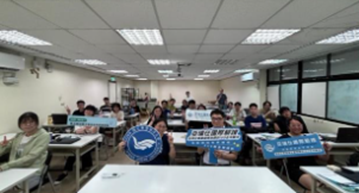
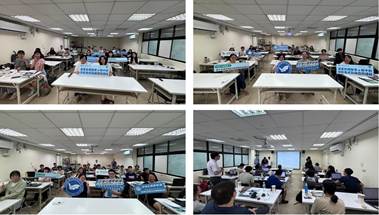
The ISO 14067 GHG-Carbon Footprint of Product Lead Verifier Training Course aims to cultivate professionals with the ability to calculate and verify product lifecycle carbon emissions, strengthening faculty and students'' understanding of the practical application of supply chain carbon management and green design. The course covers product carbon footprint assessment principles, data quality management, verification processes, and case studies, helping participants master international carbon management standards. A total of 16 students and 3 faculty members participated, and those who passed the assessment received an internationally recognized certificate. In addition to enhancing students'' sustainability expertise, the course also promotes green procurement and carbon management knowledge within the university, strengthening campus sustainability initiatives.
Sustainable Impact: The ISO 14067 Product Carbon Footprint Lead Verifier Training Course aligns with SDG 17.4.1 – Promoting Education for Sustainable Development by cultivating professionals skilled in product lifecycle carbon emission assessment and verification.
The program integrates theoretical instruction with practical case studies, covering key areas such as carbon footprint evaluation principles, data quality control, and verification processes. Participants—including students and faculty—gain internationally recognized certification upon successful completion.
Beyond enhancing competencies in supply chain carbon management and green design, the initiative fosters knowledge transfer across the university community, advancing institutional sustainability capacity. It serves as a concrete action toward embedding sustainable education and responsible environmental management into higher education, supporting the transition toward low-carbon innovation and net-zero development.
「ISO 14067產品碳足跡主任查證員訓練課程」,旨在培養具備產品生命週期碳排放計算與查證能力之專業人才,強化師生對供應鏈碳管理與綠色設計的實務應用。本課程內容涵蓋產品碳足跡評估原則、資料品質管理、查證流程與案例實作,協助學員掌握國際碳管理標準。共計有學生16人、教職員3人參與,通過測驗者取得國際認證證書。課程除提升學員永續專業能力外,亦促進校內綠色採購與碳管理知識之推廣,強化校園永續發展能量。
永續影響力:本校開設「ISO 14067 產品碳足跡主任查證員訓練課程」,以培育具產品碳排放計算與查證能力的專業人才,符合 SDG17.4.1 推動教育以促進永續發展 的精神。課程內容涵蓋產品碳足跡評估原則、資料品質管理與查證流程,結合理論與案例操作,協助學員掌握國際碳管理標準。課程除提升師生在供應鏈碳管理及綠色設計之專業知能外,亦推動校內綠色採購與碳管理實踐,強化校園永續治理與教育影響力。
Evidence:
https://ctl.ntou.edu.tw/p/412-1105-12755.php
6. Greenhouse Gas Inventory and Carbon Neutrality Skills Training & Certification Course–ISO 14068-1 2023 Climate Change Management Part 1: Carbon Neutrality Internal Verifier Training Course
溫室氣體盤查暨碳中和技能養成訓練證照課程-ISO 14068-1碳中和標準建置與管理內部查證員訓練課程
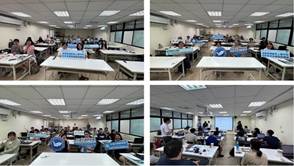
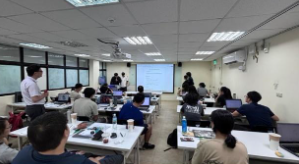
Our school is offering the "2023 Climate Change Management Part 1: Carbon Neutrality Internal Verifier Training Course," which aims to cultivate professionals with the ability to plan, implement, and verify carbon neutrality strategies, and to help faculty and students understand international carbon neutrality standards and practical operational processes. The course covers topics such as carbon neutrality target setting, reduction plan planning, carbon credits swaps, and internal audits, strengthening the integration of theory and practice. Seven students and five faculty members participated, and those who passed the exam received an internationally recognized certificate. The course effectively enhanced faculty and students'' understanding of the net-zero transition and furthered the school''s expertise in promoting sustainable campuses and carbon management.
Sustainable Impact: The ISO 14068-1 Carbon Neutrality Implementation and Internal Auditor Training Course conducted by the university aligns with SDG 17.4.1 – Promoting Education for Sustainable Development.
This program cultivates expertise in carbon neutrality planning, execution, and verification, equipping participants with both theoretical understanding and practical auditing skills. The curriculum covers key topics such as target setting, emission reduction strategies, carbon offsetting, and internal audit procedures, enabling learners to apply international carbon management standards effectively.
By engaging both students and faculty, the course strengthens institutional knowledge of carbon governance and supports the university’s transition toward net-zero emissions. It exemplifies higher education’s role in advancing sustainability literacy, fostering professional competence, and embedding sustainable development principles within academic and operational practices.
本校辦理「ISO 14068-1碳中和標準建置與管理內部查證員訓練課程」,旨在培養具備碳中和策略規劃、執行與查證能力之專業人才,協助師生理解國際碳中和標準及實務運作流程。課程內容涵蓋碳中和目標設定、減量方案規劃、碳權抵換與內部稽核等主題,強化理論與實務結合。共計學生7人、教職員5人參與,通過測驗者獲頒國際認證證書。課程成果有效提升校內師生對淨零轉型議題之理解,並促進學校在永續校園與碳管理推動上的專業深化。
永續影響力:本校開設「ISO 14068-1 碳中和標準建置與管理內部查證員訓練課程」,旨在培養具碳中和策略規劃、執行與查證能力之專業人才,符合 SDG17.4.1 推動教育以促進永續發展 的指標內涵。課程內容涵蓋碳中和目標設定、減量方案規劃與碳權抵換,透過理論與實作並重的教學模式,協助學員掌握國際碳中和標準及內部稽核流程。此課程提升校內師生對淨零轉型的理解與應用,推動校園永續管理,強化高等教育落實永續發展的專業能力。
Evidence:
https://ctl.ntou.edu.tw/p/412-1105-12755.php
7. Promoting gender mainstreaming 推動性別主流化
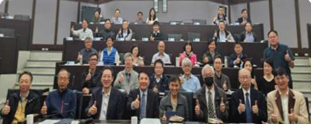
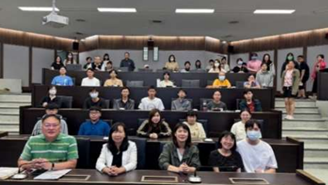
1. Purpose: To raise gender awareness among all faculty, staff, and students at the school. 2. Implementation Methods: Gender mainstreaming can be promoted through six key tools, including gender awareness training, the establishment of gender task forces, the collection and analysis of various gender-related statistics, gender budgeting, and impact assessments. Considering that gender awareness is a crucial factor in advancing gender mainstreaming, our school prioritizes gender awareness training as a key focus of implementation. 3. Implementation Outcomes: (1) Provision of Diverse Menstrual Products To address period poverty, the school has established locations where students can freely access a variety of menstrual products, aiming to eliminate inequalities caused by menstruation. (2) Collaboration with NGOs to Promote Gender Mainstreaming The school participates in the Ministry of Education's “Gender Mainstreaming Resource Center for Universities and Colleges” initiative and actively serves as a partner institution. We are committed to promoting gender mainstreaming on campus to reduce gender inequality. In 2024, the school organized a total of 10 gender-related seminars, including one session specifically for senior administrators. Seminar topics covered gender mainstreaming, understanding gender diversity (including experience sharing from transgender individuals), LGBTQ+ families, gender-based violence, and the prevention of campus gender-related incidents. Three of these seminars were co-hosted in collaboration with nonprofit organizations.
Sustainable Impact: The university’s gender mainstreaming initiative aligns with SDG 17.2.5, SDG 17.4.1, and SDG 3.3.4 by integrating education, partnership, and social inclusion. Through collaboration with the Ministry of Education and multiple NGOs, the university organized ten gender-awareness seminars in 2024, covering topics such as gender equality, LGBTQ+ experiences, gender-based violence prevention, and inclusive leadership training. These actions fulfill SDG 17.2.5, which emphasizes partnerships with governmental and non-governmental organizations to promote sustainable development.
By incorporating gender empowerment and awareness education into institutional culture, the initiative supports SDG 17.4.1, advancing education that fosters sustainability and equality. Additionally, the provision of free menstrual products and health-oriented awareness programs address SDG 3.3.4, promoting physical and mental well-being through inclusive health education. Collectively, these efforts demonstrate the university’s commitment to fostering equity, partnership, and sustainable social transformation.
一、目標:提升全校人員之性別意識。 二、過程: 性別主流化可藉由六大工具來推動,包含:性別意識培力、性別專案小組、性別統計、性別分析、性別預算及性別影響評估。考量性別意識為推動性別主流化之重要因素,因此本校將培力校內人員之性別意識作為推動重點。 三、具體成果: 1.提供多元生理用品 為消除「月經貧窮」,本校設置免費多元生理用品索取地點,消除「月經貧窮」。 2.與非政府組織合作,致力推動性別主流化。 本校參與教育部「設置大專校院性別主流化資源中心」性別主流化計畫夥伴學校,並開設致力於校內推動性別主流化,以消弭性別不平等之差距。 2024年共辦理10場次性別講座(含一級主管1場次),講座主題包含性別主流化、認識多元性別(含跨性別者經驗分享)、同志家庭、性別暴力及校園性別事件防治,其中與3個非營利組織共同合作辦理。
永續影響力:本校推動性別主流化計畫,兼具教育推廣與跨界合作,符合SDG17.2.5、17.4.1、3.3.4 之指標精神。透過與教育部及非政府組織合作,開設多場性別平權與多元性別講座,落實跨部門夥伴關係,呼應 SDG17.2.5 的合作導向;以性別意識培力與校園行動實踐,達成 SDG17.4.1 強調之永續教育目標;並以提供生理用品與防治性別暴力教育活動,促進身心健康與平等,實踐 SDG3.3.4 關於學生性健康以及生殖衛生健康服務之要求,展現大學推動社會包容的具體作為。
Evidence:
https://stu.ntou.edu.tw/p/405-1023-117967,c10828.php?Lang=zh-tw
https://usr.ntou.edu.tw/var/file/90/ 1090/img/1658/996879617.pdf