3.3.2
- 2024 Campus Health Promotion 2024年校園健康促進
Sustainable Impact: The university's comprehensive health promotion program integrates campus and community resources to organize diverse health activities such as smoking cessation classes, disease prevention education, first aid training, and food safety inspections. These initiatives align with SDG 3.3.2 and 3.3.4 by fostering health education and campus wellness. Collaborations with local health departments and community organizations embody SDG 17.2.5's emphasis on cross-sector partnerships.The data-driven planning and preventive strategies reflect SDG 3.3.1 and 3.3.6, which advocate technological innovation and public health policy for sustainable well-being. Extending from campus to community, the initiative also resonates with SDG 14.3.2 through promoting environmental and health awareness, demonstrating the university's leadership in holistic, socially responsible health education.
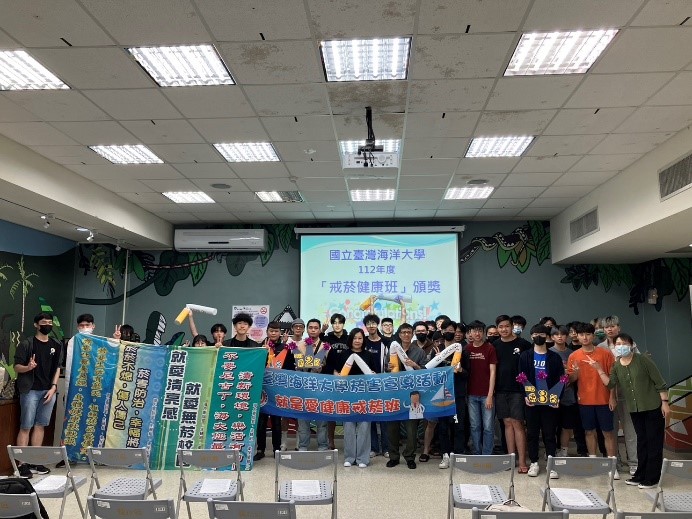
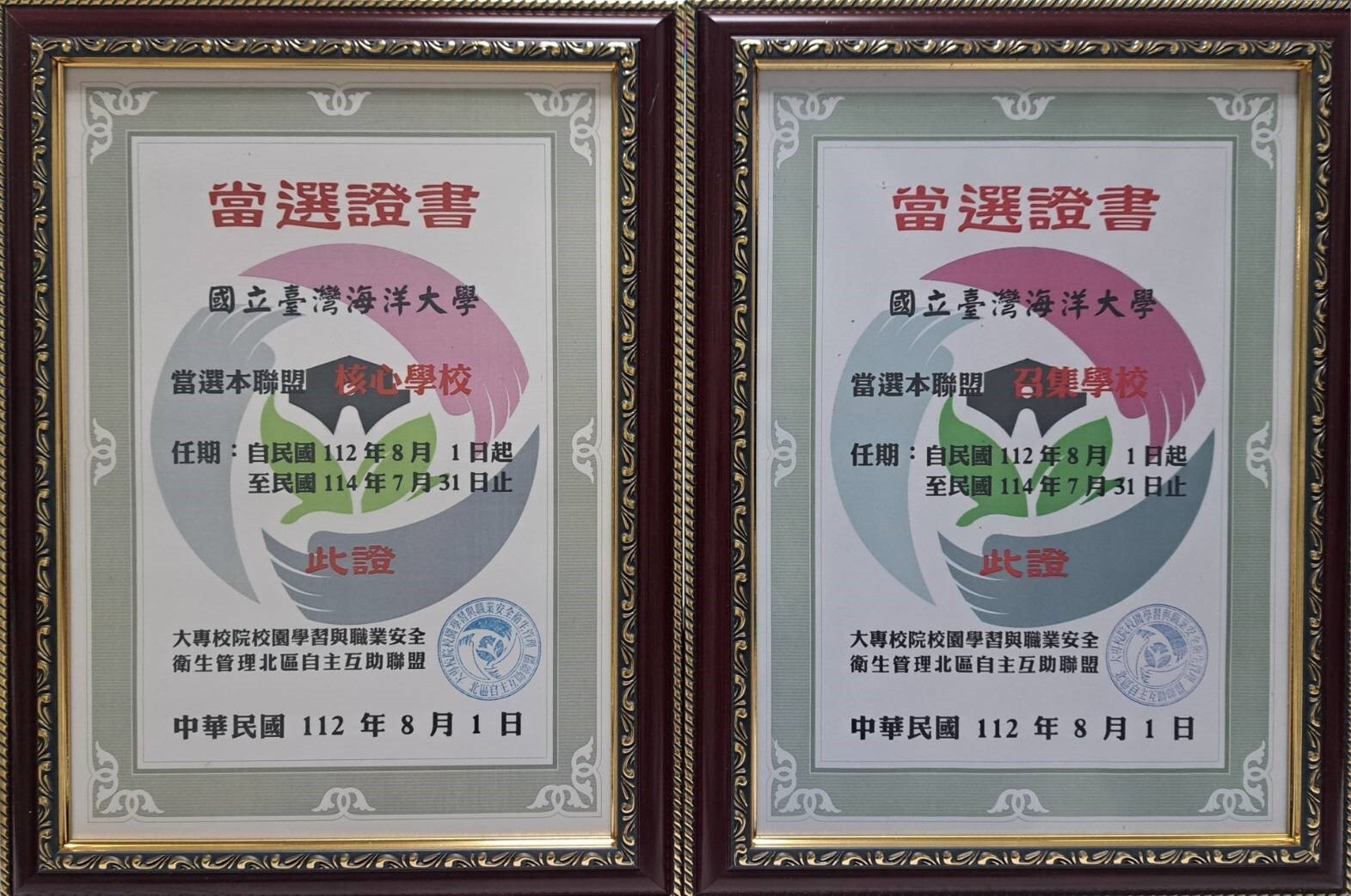
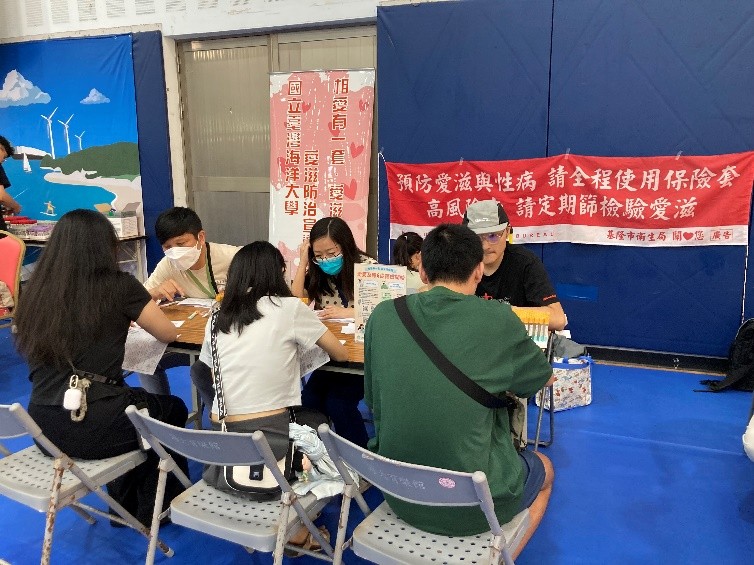
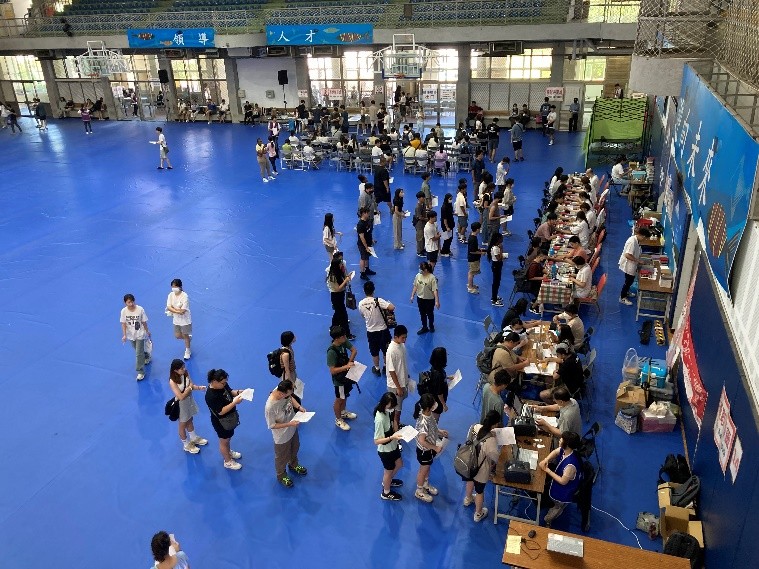
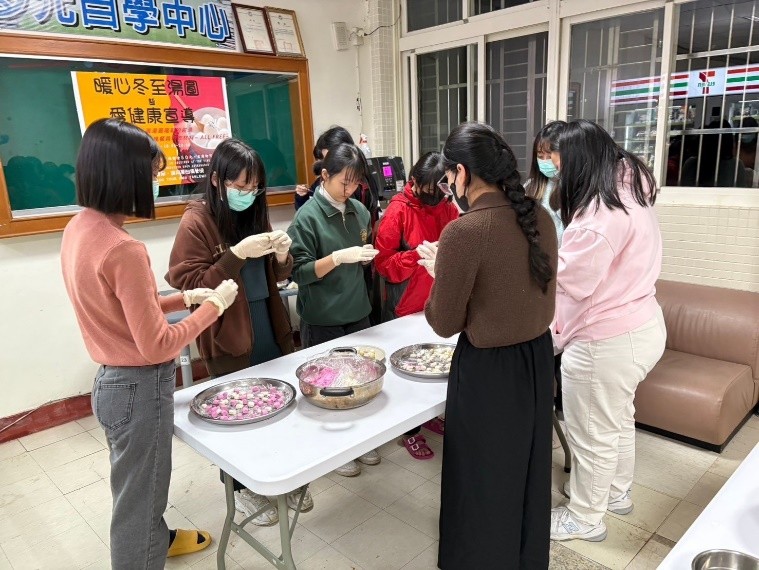
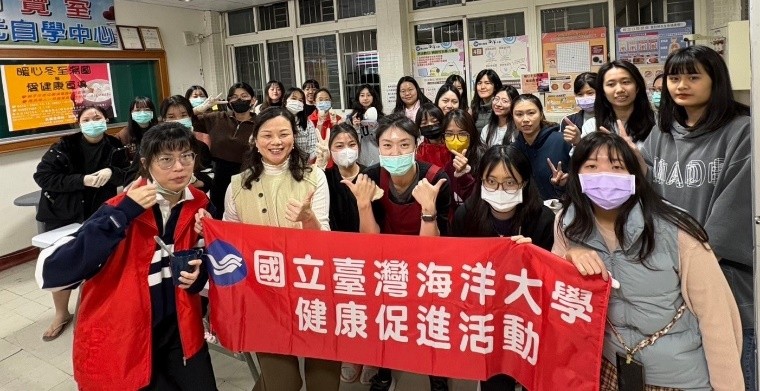
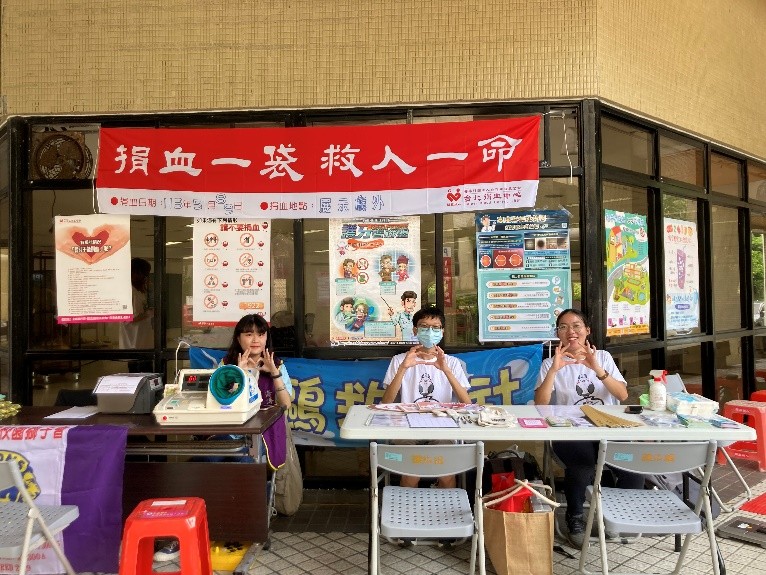
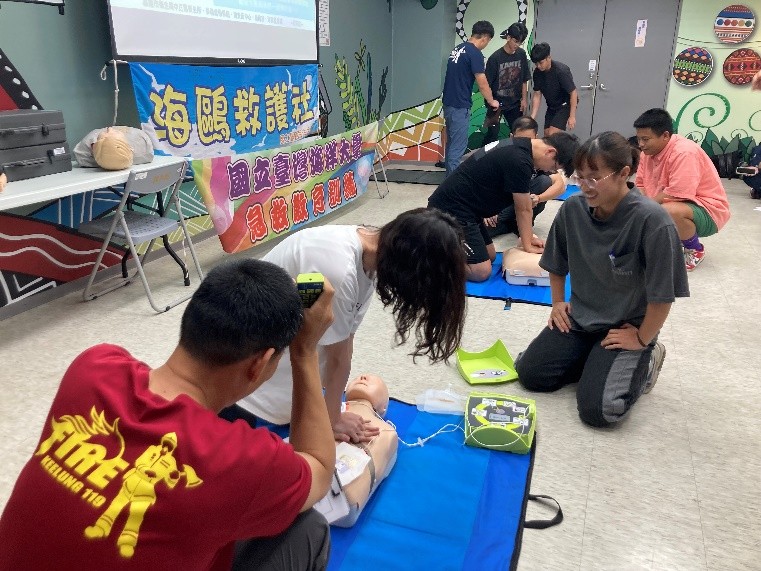
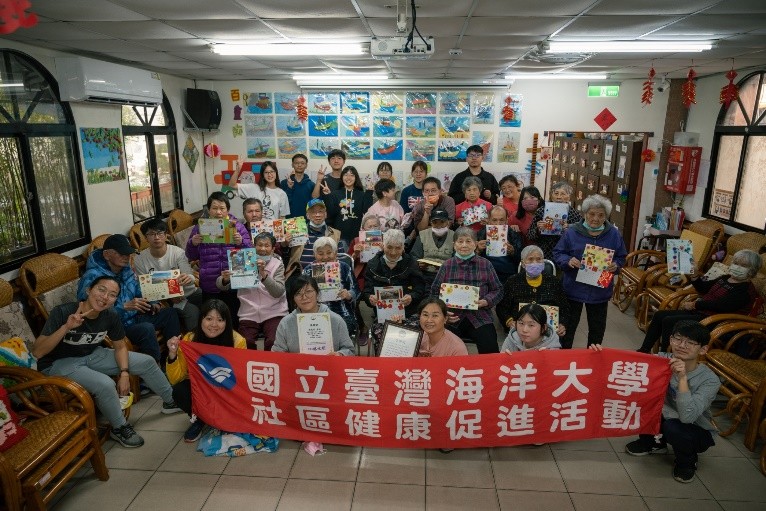
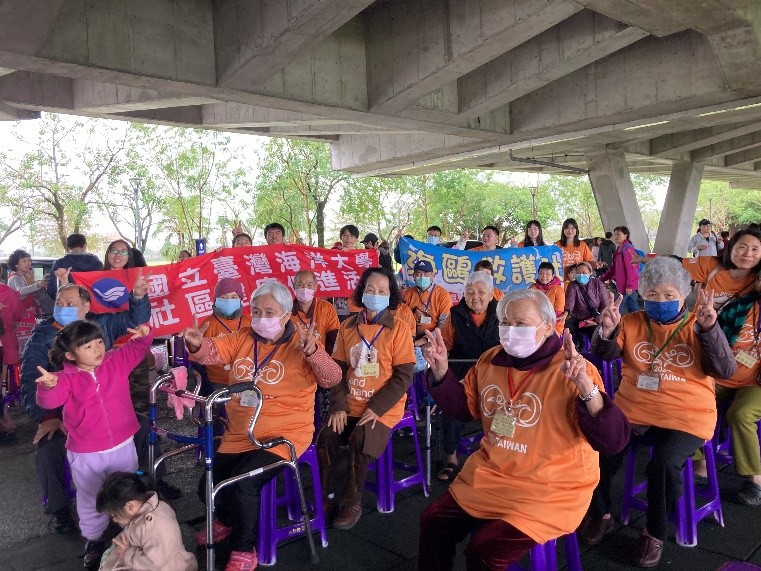
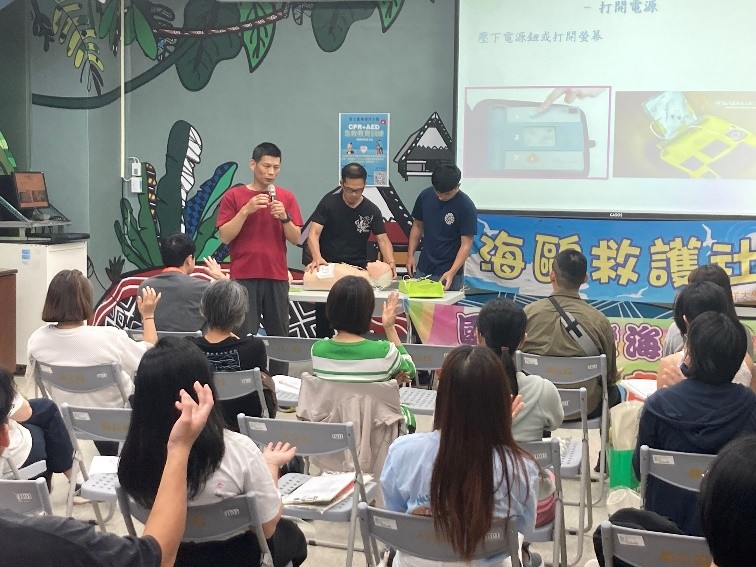
學校作為教育與健康促進的重要場所,肩負著培養學生健康生活型態的重任。為實現健康校園的目標,制定一系列的健康促進計畫,並透過多元的活動和合作,顯著提升師生的健康意識和生活品質。本組辦理新生入學健康檢查與健康問卷調查,確立健康促進議題,議題涵蓋學生健康的各方面,從日常飲食和生活習慣到疾病的突發應對,通過整合校內單位與校外資源,以及指導學生社團鼓勵參與活動辦理,透過健康政策推動及規畫多元活動,帶動師生同仁增進健康知能,培養健康生活型態,達到自主健康管理,提升整體健康水平。在實施過程中,辦理健康增重減重班、菸害防制宣導、戒菸健康班、愛滋病防治及篩檢、餐飲從業人員講習、愛心捐血、急救訓練及傳染病宣導等49場次的健康活動;在餐飲衛生部分更是積極進行餐飲場所衛生檢查及食品原物料來源查核確保食物來源遵守政府法規。健康體位活動和戒菸健康班吸引關心自身健康的師生參加,而愛滋病防治及篩檢、傳染病宣導、疫苗注射活動提高師生對疾病的認識和預防能力。急救訓練則提升了大家在面對突發事件的應對能力。統計共有8,018人次參與這些健康促進活動,成果體現不僅在參與人次上,更在於健康意識的提升和健康行為的改變。健康促進的活動不僅侷限於校內,還延伸到了社區,與當地政府機構和社區團體如基隆市衛生局、基隆市中正區衛生所及社區日照中心合作,使得活動在校園外部也得到推廣,另外與學生社團的合作推動社區長者服務,進一步擴大了健康促進的影響範圍,這種從校園到社區的延伸,展示了健康促進活動的廣泛影響力和持續性。
永續影響力: 本校推動健康促進計畫,結合校內外資源舉辦多項健康教育與防治活動,包括戒菸班、傳染病宣導、急救訓練及食品衛生稽查,展現SDG 3.3.2與3.3.4中「促進健康教育與校園健康管理」的實踐。與地方政府及社區合作推廣健康活動,符合SDG 17.2.5的跨界夥伴合作精神。活動結合政策推動與實證成效,呼應SDG 3.3.1與3.3.6「運用科技與公共衛生策略提升健康福祉」。整體作為以USR導向落實健康教育與社區關懷,亦呼應SDG 14.3.2「推廣永續與環境健康教育」。
Evidence: https://stu.ntou.edu.tw/p/405-1023-118023,c10827.php?Lang=zh-tw
- Senior Citizens Learning Camp 樂齡大學
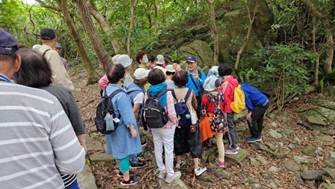
The Senior Citizens Learning Camp is committed to promoting healthy aging and lifelong learning, enabling seniors to learn and grow in a high-quality campus environment. By combining university faculty, teaching facilities, and diverse courses at affordable costs, the program provides high-quality educational content that promotes active aging and lifelong learning practices. Elderly students can learn and interact with young students, expanding interpersonal connections and intergenerational understanding while opening new life perspectives. For elderly students who were unable to attend university in their youth, the Senior Citizens Learning Camp provides an opportunity to return to campus, achieving educational equity and inclusive learning. The curriculum emphasizes health promotion and practical life applications, covering topics such as hygiene and safety, balanced nutrition, medication safety, exercise and wellness, and mental health. These courses help seniors establish healthy lifestyles. Courses such as "Medication Safety and Health Preservation for Seniors" and "Practical Acupressure and Health Maintenance" all aim to promote physical and mental health and delay aging. The university also promotes student volunteer services and community partnerships, disseminating concepts of hygiene, nutrition, exercise, and healthy aging through health lectures and service activities. Furthermore, the curriculum design integrates sustainable development and environmental education, including topics such as "Sustainable Development: Protecting Environment and Health" and "Wetland Ecology." These courses help students understand the risks, impacts, mitigation strategies, and adaptation measures related to climate change. Through classroom discussions and field learning, the program strengthens awareness of environmental protection and green living, encouraging seniors to practice energy conservation, carbon reduction, and resource recycling in their daily lives, thereby advancing climate action education. Through wetland visits and coastal conservation learning, the program promotes seniors' understanding and protection of marine and aquatic ecosystems. By fostering community co-learning and action, the program cultivates students' civic awareness and sense of responsibility for ecological conservation, working together to protect sustainable aquatic environments.
Sustainable Impact: The Senior Learning University of National Taiwan Ocean University embodies the principle of “Education for all ages, learning without end,” integrating health promotion, environmental sustainability, and community engagement. Its curriculum covers physical wellness, nutrition, mental health, sustainable development, and climate action, while incorporating marine and wetland ecological education to raise awareness of environmental protection and ocean conservation.
Through courses such as Safe Medication Use for Seniors and Sustainable Development and Environmental Health, participants gain knowledge that promotes healthy aging and ecological responsibility. The program also provides open access to university resources—including classrooms, libraries, and sports facilities—enhancing inclusivity and lifelong learning opportunities.
This initiative aligns with SDG 13.3.1, 14.5.4, 3.3.2, 4.3.2, demonstrating how higher education can promote intergenerational learning, sustainable living, and environmental stewardship within local communities.
樂齡大學以教育為核心,串聯健康促進、環境永續與社區參與三大面向,實現「教育不分年齡、學習永不止息」的理念。透過多元課程與外展服務,促進高齡者健康老化、知識增能與社會連結。 藉由樂齡大學向社區開放教育資源,包含圖書館、電腦設備、教室、體育館、游泳池,提供社區民眾持續學習的機會。藉由樂齡大學計畫,促進教育資源共享與社區的共享,提升長者的學習權益、生活品質及社會參與度,促進教育普及與終身學習精神。 樂齡大學致力於推動健康老化與終身學習,讓長者能在優質的校園環境中學習與成長。透過結合大學師資、教學設備與多元課程,以親民的費用提供高品質教育內容,促進「活躍老化」與終身學習的實踐。學員能與年輕學生共同學習、交流,拓展人際互動與跨世代理解,同時開啟不同的人生視野。對年輕時未能進入大學的長者而言,樂齡大學提供重返校園的機會,實現教育公平與包容性學習。 課程強調健康促進與生活實用性,內容涵蓋衛生安全、營養均衡、用藥安全、運動保健與心理健康,協助長者建立健康生活型態。課程如「銀髮族用藥安全與養生保健須知」、「筋絡實用按摩保健」等,皆以促進身心健康與延緩老化為目標。學校亦推動學生志願服務與社區合作,透過健康講座與服務活動推廣衛生、營養、運動與健康老化理念。 此外,課程設計融入永續發展與環境教育,內容包括「永續發展保護環境與健康」、「海岸濕地生態」等,協助學員了解氣候變遷的風險、影響、減緩與調適策略。透過課堂討論與實地學習,強化環境保護與綠色生活意識,鼓勵長者於日常生活中實踐節能減碳與資源循環,推動氣候行動教育。並透過濕地參訪與海岸保育學習,促進長者對海洋與水域生態系統的了解與維護。藉由社區共學與行動,培養學員生態保育的公民意識與責任感,共同守護永續的水域環境。
永續影響力: 國立臺灣海洋大學樂齡大學以「教育不分年齡、學習永不止息」為理念,結合健康促進、環境永續與社區共學三大主軸。課程涵蓋養生保健、心理健康、永續發展與氣候行動等主題,並融入海洋與濕地生態教育,提升長者對氣候變遷與環境保育的理解。校方開放校園設施與資源,促進教育公平與跨世代共學。此計畫符合 SDG13.3.1, 14.5.4, 3.3.2, 4.3.2精神,兼具健康老化、教育普及、氣候行動與海洋素養推廣意涵,展現大學在終身教育與永續社會實踐的角色。


Evidence: https://senior.ntou.edu.tw/Default.aspx
- USR Empowerment and NTOU SIG (USR培力與海大SIG)
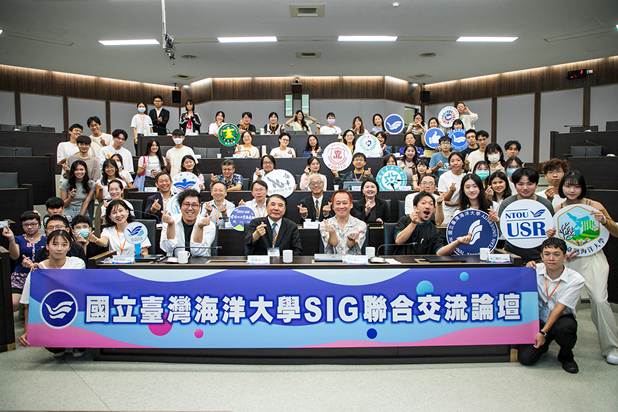
This "USR Empowerment and NTOU SIG" event serves as a platform for cross-university collaboration and knowledge sharing [user query], aiming to expand and deepen the implementation capacity of university social responsibility projects in the domain of health and well-being. Through this empowerment mechanism, participating institutions can exchange and learn how to effectively introduce health outreach resources such as medical care, nutrition, and health promotion into local or remote communities. For instance, NTOU's USR projects include promoting community meal nutrition and hygiene safety education, high-density elderly food development, and free medical clinics and health seminars in Gongliao, as well as conducting Basic Life Support (CPR/AED) training courses and offering AI ECG screening services in Matsu. By sharing these successful health outreach experiences, the event strengthens the ability of participating universities to design and implement direct health services, thereby expanding the university's social impact on public health and well-being.
Sustainable Impact: By facilitating cross-university knowledge exchange, this platform strengthens the capacity of participating universities to effectively plan and implement health outreach services targeting vulnerable or remote communities.
此活動作為一個跨校合作與知識分享的平臺,其目的是擴展和深化大學社會責任計畫在健康和福祉領域的實踐能力。此培力機制使參與學校能夠交流並學習如何有效將醫療、營養與健康促進等衛健資源導入地方社區或偏鄉。例如,來源顯示海大的USR計畫包含了在貢寮地區推動社區共餐膳食營養與衛生安全教育、高齡食品開發、義診與衛教健康講座,以及在馬祖地區舉辦基本救命術(CPR/AED)訓練課程 與提供AI心電圖篩檢服務。透過分享這些成功的健康外展經驗,此活動強化了參與大學設計和實施直接健康服務的能力,進而擴大大學對公眾健康和福祉的社會影響力。
永續影響力: 透過跨校知識交流,強化參與大學實踐社會責任的能力,使其能更有效地規劃與執行針對弱勢群體或偏鄉的衛教外展服務。
Evidence:
https://mprp.ntou.edu.tw/p/404-1017-104204.php?Lang=zh-tw
- Consensus Meeting between this Project and Tri-Service General Hospital, Keelung Branch 本計畫與三軍總醫院基隆分院共識會議
Based on the results of the previous cooperation, a consensus was reached on the subsequent occupational disease examinations for male and female divers and the assistance of the Keelung branch of the National Federation of Trade Unions to continue to organize health education activities and free medical services in Gongliao and Shuangxi districts.
Sustainable Impact: The consensus meeting establishes continuous collaboration with a professional medical institution, ensuring the periodic delivery of free medical clinics and health education seminars as outreach services to rural communities like Gongliao and Shuangxi.
由前期合作成果基礎,後續對海男、海女潛水職業病健檢及請三總基隆分院協助,持續辦理貢寮、雙溪兩區的健康衛教活動、義診服務,達成共識。
永續影響力: 該共識會議確立與專業醫療機構(三軍總醫院基隆分院)的持續合作 [user query],將免費義診、衛教健康講座 等外展服務定期帶入貢寮與雙溪等偏鄉社區。


Evidence: