14.2.3
1. 2024 Longchen Paper & Packaging Co., Ltd. and National Taiwan Ocean University Joint Project Results Presentation Conference
2024財團法人榮成永續發展環保基金會與國立臺灣海洋大學合作計畫成果發表會
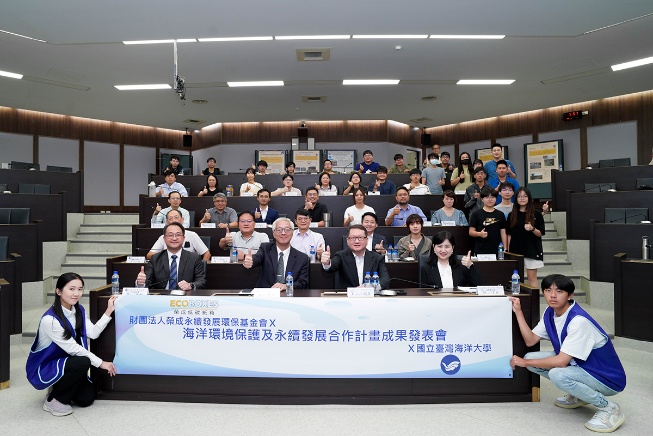
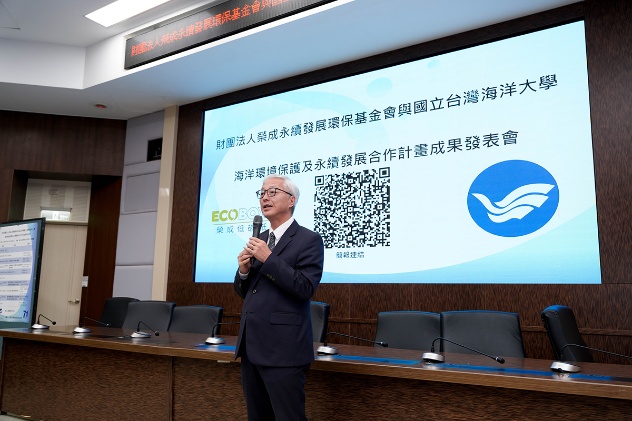
Since 2019, National Taiwan Ocean University and Longchen Paper & Packaging Co., Ltd. have jointly launched a collaboration project on Marine Environmental Protection and Sustainable Development. Each year, Longchen Paper & Packaging Co., Ltd. has provided over NT$2 million in funding to support the implementation of related programs at our university. In 2024, marking the fifth anniversary of this partnership, a Results Presentation Conference was held at our university to showcase and promote the achievements of the collaboration. The event was attended by approximately 80 participants, who listened to the project outcomes. To date, 29 students have taken part in the program, deeply embedding the concept of sustainable development in their minds and actions.
Sustainable Impact:Since 2019, the university has partnered with the Rongcheng Foundation for Sustainable Development to implement projects on "Marine Environmental Protection and Sustainable Development," with over NT$2 million in annual funding. Over five years, this collaboration exemplifies SDG 17.2.5 through a long-term public–private partnership advancing marine sustainability. The initiative integrates marine ecosystem protection (SDGs 14.2.2, 14.2.3), ocean research and education (14.3.1, 14.3.3), sustainable fisheries management (14.4.2, 14.4.3), and conservation area promotion (14.5.2), while also fostering climate awareness (13.3.5). The 2024 results symposium showcased achievements to around 80 attendees and engaged 29 students in hands-on projects, embedding sustainability values and demonstrating the power of academia–foundation collaboration in advancing marine conservation and climate education.
本校與財團法人榮成永續發展環保基金會自2019起開展「海洋環境保護及永續發展」合作案,由榮成永續發展環保基金會每年提供超過200萬元經費供本校執行相關計畫。2024年雙方合作滿5年,故決定於本校舉辦成果發表會,推廣合作成果。 發表會當日共有約80人出席聆聽計畫成果,本合作更已有29位學生參與計畫,將永續發展的觀念深植於心。
永續影響力:本校自2019年與榮成永續發展環保基金會合作推動「海洋環境保護及永續發展」計畫,每年投入逾200萬元資源,持續五年推展海洋教育與保育行動,展現公私協力落實SDG 17.2.5「建立長期夥伴關係」。計畫內容涵蓋海洋生態保育(14.2.2、14.2.3)、海洋研究與教育推廣(14.3.1、14.3.3)、漁業與資源永續利用(14.4.2、14.4.3)、以及海域保護區推動(14.5.2),並融入氣候行動教育(13.3.5)。成果發表會除促進知識分享,也吸引29位學生參與,深化永續素養與行動實踐,展現學界與基金會共同推動海洋永續的成效。
Evidence:
https://research.ntou.edu.tw/p/412-1021-12463.php?Lang=zh-tw
2. Early Career Ocean Professional (ECOP) Listening Sessions
早期職業海洋專業人士 (ECOP)聆聽工作坊
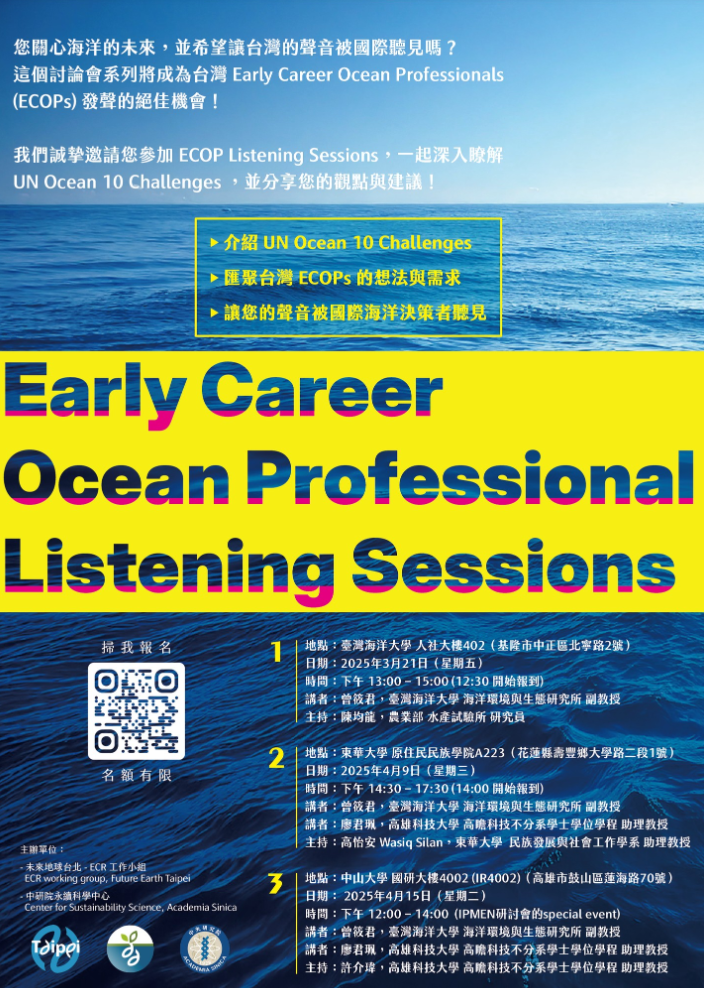
The listening sessions revealed that youth from diverse backgrounds in Taiwan—ECOPs, Indigenous youths, and young Ocean Educators—share strong concerns about marine pollution and ecosystem degradation. Across all groups, ‘Challenge 1: Understand and beat marine pollution' and ‘Challenge 2: Protect and restore ecosystems and biodiversity' were consistently ranked among the top three priorities. While the third priority varied, each group brought unique perspectives shaped by their experiences and professional or cultural contexts. All participants acknowledged that Taiwan has demonstrated significant strengths in marine ecosystem restoration and possesses the capacity to contribute valuable expertise and technology to global ocean sustainability. However, over 60% of ECOPs and Indigenous youth participants had never heard of the UN Ocean Decade, largely due to Taiwan's exclusion from formal UN processes. Despite Taiwan's fisheries and shipping sectors ranking among the top globally, it remains excluded from many international negotiations, resulting in a critical gap in global ocean data and perspectives. The participants called for more inclusive and culturally grounded ocean governance that integrates the knowledge and efforts of non-state actors, including Indigenous communities. Their collective messages urge that Taiwan's marine expertise and perspectives be meaningfully included in international dialogues—ensuring ocean sustainability efforts reflect diverse voices and local realities.
Sustainable Impact:This dialogue gathered Taiwanese youth from diverse backgrounds—environmental advocates, Indigenous leaders, and marine educators—to discuss ocean pollution, ecosystem degradation, and inclusive governance. Participants recognized Taiwan's strong technical capacity in marine ecosystem restoration but highlighted its exclusion from UN Ocean Decade processes, resulting in significant data and representation gaps. Over 60% of attendees had never heard of the UN Ocean Decade, underscoring the need for greater international engagement. The forum called for culturally grounded and inclusive ocean governance that integrates Indigenous knowledge and non-state actors' expertise. It emphasized Taiwan's potential contribution to global marine sustainability through science, education, and policy innovation. This initiative aligns with SDG 14 (Life Below Water), promoting conservation and sustainable management of ocean resources; SDG 17 (Partnerships for the Goals), strengthening global collaboration; and SDG 4.3.5, enhancing educational awareness and professional capacity for sustainable ocean action.
聆聽環節發現,來自不同背景的台灣青年——環保青年、原住民青年和青年海洋教育者——都對海洋污染和生態系統退化有著強烈的擔憂。在所有群體中,「挑戰一:了解並戰勝海洋污染」和「挑戰二:保護和修復生態系統與生物多樣性」始終位列三大優先事項之列。雖然第三個優先事項各不相同,但每個群體都根據自身的經驗、專業或文化背景提出了獨特的觀點。所有參與者都承認,台灣在海洋生態系統修復方面展現出顯著優勢,有能力為全球海洋永續發展貢獻寶貴的專業知識和技術。然而,超過 60% 的環保青年和原住民青年參與者從未聽說過聯合國海洋十年,主要是因為台灣被排除在聯合國正式進程之外。儘管台灣的漁業和航運業在全球名列前茅,但它仍然被排除在許多國際談判之外,導致全球海洋數據和觀點有重大缺口。與會者呼籲更具包容性、以文化為基礎的海洋治理,整合包括原住民社群在內的非國家行為體的知識和努力。他們共同呼籲,將台灣的海洋專業知識和觀點有效納入國際對話,確保海洋永續發展努力反映多元聲音和本土現實。
永續影響力:本活動匯集來自不同背景的台灣青年,包括環保青年、原住民青年及海洋教育者,共同探討海洋污染、生態系退化及多元文化參與等議題。與會者一致認為,台灣在海洋生態修復上具備專業能力與技術優勢,應積極參與全球海洋治理。然而,超過六成的青年未曾聽聞「聯合國海洋十年」,顯示台灣在國際海洋永續進程中被邊緣化的困境。與會者呼籲建立更具包容性的國際對話平台,納入原住民與非國家行為者的知識與經驗,並促進海洋教育與文化治理的融合。此舉不僅推動跨文化合作與教育提升,也體現SDG 14「海洋生態永續」、SDG 17「夥伴關係」、及SDG 4.3.5「教育與專業能力增能」之核心精神。
Evidence:
https://www.facebook.com/photo.php?fbid=691210616572785&id=100070515593897&set=a.220356423658209
3. 2025 Ocean Action Symposium
海洋素養與適能
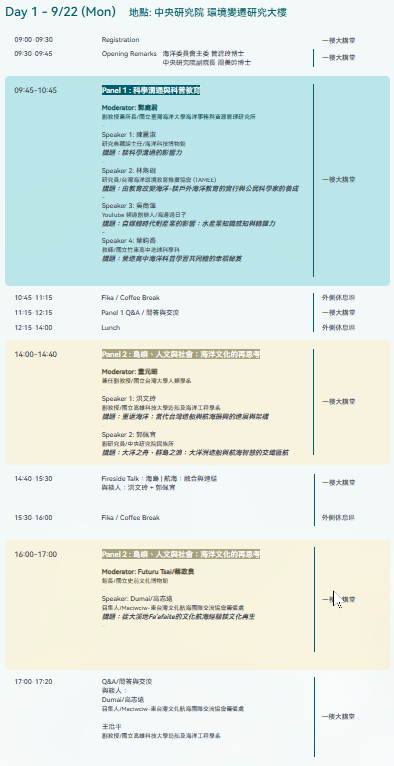
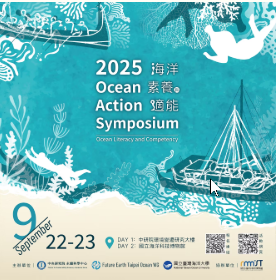
What is your vision of "ocean literacy"? Ocean literacy is more than just textbook knowledge; it's a way of looking at the world—it influences our values and shapes our motivation to act. Have you ever considered this? Every breeze, every current, every ship, every story of the sea—they are inextricably linked to our lives and culture. How do Taiwan's tides and ocean currents affect residents of the island and its outlying islands? How have shipbuilding and navigational technology shaped Taiwan's unique maritime culture? And what significance do coral conservation efforts have for the marine environment? This year's symposium invited scholars from across disciplines, educators on the front lines, representatives from the marine restoration industry, and marine cultural activists to share their insights! The symposium focused on themes of science communication and popular science education, marine culture and island society, and social participation and marine restoration.
Sustainable Impact:The "Ocean Literacy" symposium redefines ocean awareness as more than academic knowledge—it is a worldview that connects science, culture, and action. The event invited interdisciplinary experts, educators, and marine restoration practitioners to explore three key themes: science communication and public education, marine culture and island society, and social participation in ocean restoration.Through discussions on topics such as coral conservation, shipbuilding traditions, and community-based marine stewardship, the symposium encouraged participants to view the ocean as an integral part of life and identity.This initiative not only enhances public understanding of marine sustainability but also strengthens collaborations among academia, education, and industry.It exemplifies SDG 14 (Life Below Water) by promoting ocean conservation awareness, and SDG 17 (Partnerships for the Goals) by fostering multi-sector partnerships for sustainable ocean development and education.
你對「海洋素養」的想像是什麼? 海洋素養,不只是課本上的知識,更是一種看待世界的方式——它關係著我們的價值觀,也形塑了我們的行動力。 你有想過嗎?每一次吹來的海風、流動的洋流,每一艘航行的船隻、每一段海上故事,都與我們的生活與文化息息相關。台灣的潮汐與洋流,如何影響本島與離島的居民?造船與航海技術,如何塑造出台灣獨特的海洋文化?珊瑚保育的努力,對海洋環境又有什麼意義? 今年的座談邀請跨領域的學者、站在第一線的教育者、致力海洋復育產業代表與海洋文化行動者,帶來精彩的分享! 座談會主題聚焦在——科學溝通與科普教育、海洋文化與島嶼社會、社會參與與海洋復育
永續影響力:本次「海洋素養」主題座談強調從教育、文化、產業與社會參與等面向深化全民的海洋意識。活動以「你對海洋素養的想像是什麼?」為引言,鼓勵民眾重新思考海洋與人類生活的連結,將海洋視為理解世界與行動的出發點。座談邀集跨領域專家,包括海洋教育學者、文化研究者、海洋復育產業代表及第一線教育工作者,探討「科學溝通與科普教育」、「海洋文化與島嶼社會」及「社會參與與海洋復育」三大主題。內容涵蓋從海洋環境保育、珊瑚與生態修復、航海與造船文化,到地方社會行動等多層面議題。此座談會透過多元對話與知識交流,深化社會大眾對海洋永續的理解,並強化學術、教育與產業間的夥伴合作,實踐 SDG 14(保育與永續利用海洋資源) 與 SDG 17(強化全球夥伴關係) 的精神,推動從知識、文化到實踐的「海洋公民素養」。
Evidence:
https://www.oceanactionsymposium2025.com/
4. Environmental Education Series: Sustainable Oceans & Circular Resources
「永續海洋-循環資源」系列環境教育活動
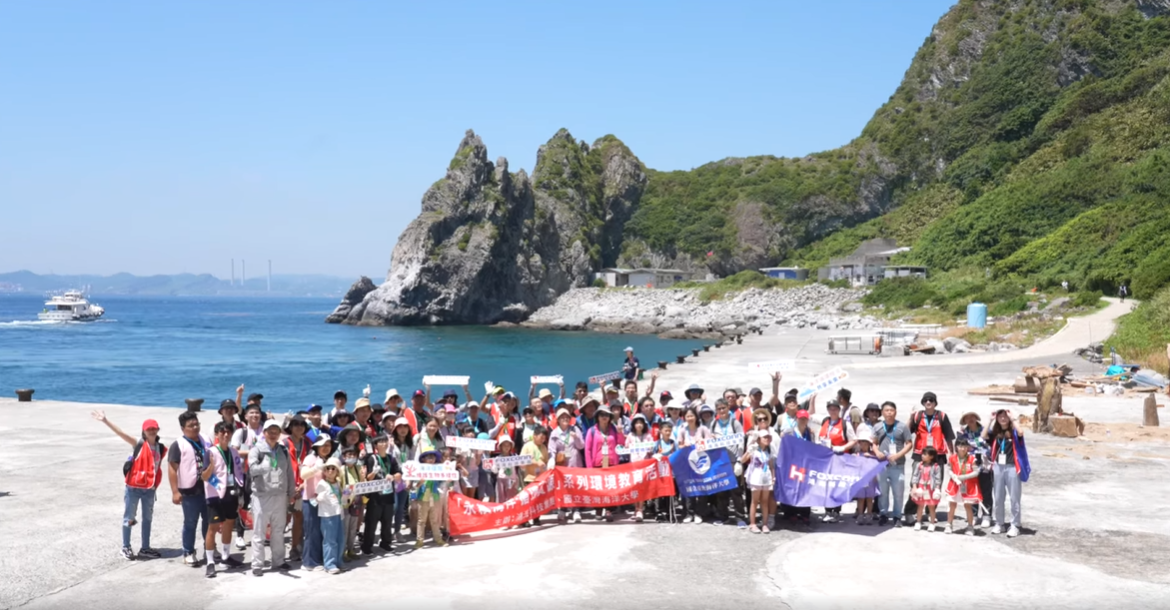
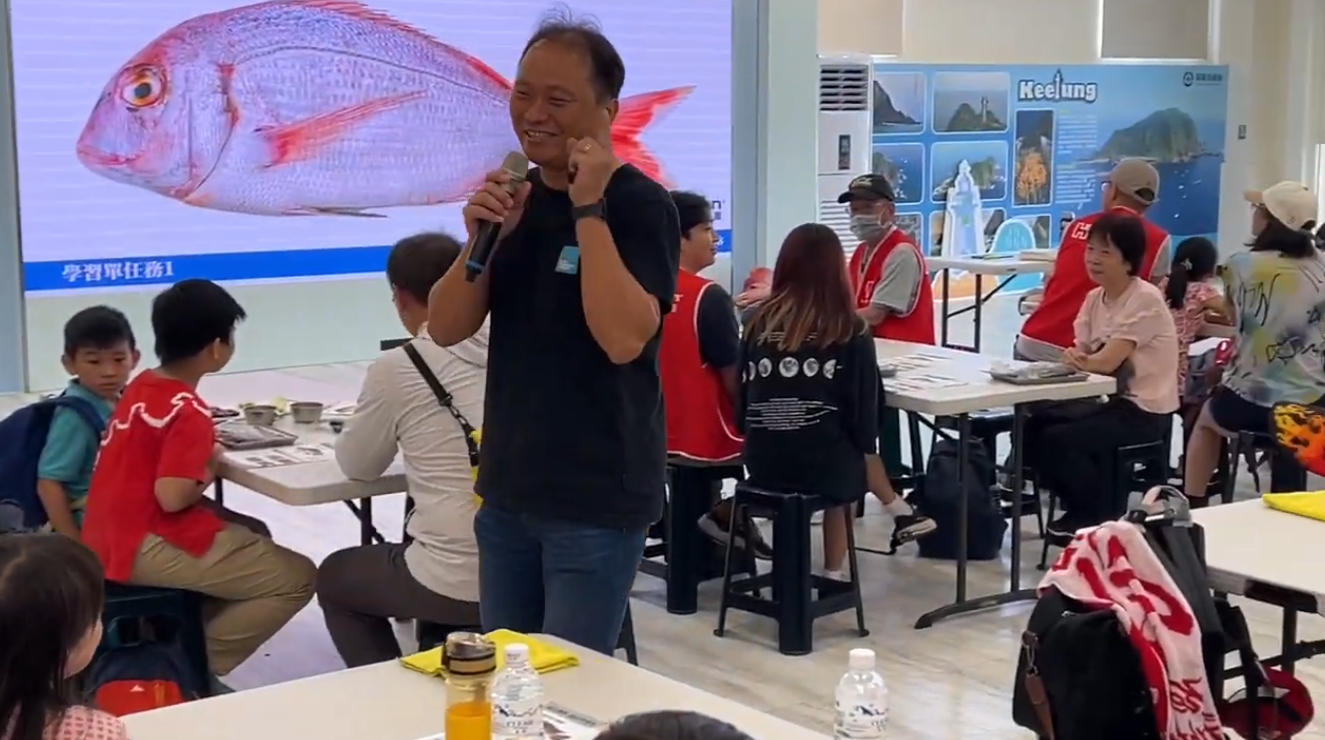
Sustainable use of marine resources has become a global consensus. Through marine environmental education, we convey concepts and hands-on practices in biological resource restoration, the circular economy, water safety, and the hazards of microplastics. Centered on the ethos of "clean the sea, understand the sea, get close to the sea, and enter the sea," our marine science outreach—combined with activities such as stock-enhancement releases and seed-stock cultivation—advances marine environmental policies and the goals of resource circularity. We completed 43 marine education sessions with a total of 3,156 participant attendances. Program content spanned coral introduction and conservation, coral planting and restoration, algae literacy, stock releases to coastal waters, microplastic hazards, fish and seaweed food education, coastal cleanups, geological field surveys, and on-water experiential activities.
Sustainable Impact:This initiative, centered on "Clean the Sea, Know the Sea, Approach the Sea, Enter the Sea," integrates ecological restoration, coral conservation, and microplastic awareness through experiential learning. It fulfills SDG 13.3.1 by promoting climate and environmental education, and SDG 13.3.5 through partnerships with NGOs on climate-related outreach. Activities such as coral propagation, marine species release, and pollution awareness align with SDG 14.2.2, 14.2.3, 14.3.1, and 14.3.3, which emphasize ecosystem restoration and pollution reduction. Additionally, coastal cleanups and coral planting support SDG 14.5.2 on marine conservation. The 43 public courses and hands-on experiences also correspond to SDG 4.3.4, representing off-campus educational outreach that enhances ocean literacy and encourages sustainable community engagement.
海洋資源永續利用已成為國際共識,透過海洋環境教育傳遞生物資源復育、循環經濟、水域安全及微塑膠危害之觀念與實際體驗,以「淨海、知海、近海、進海」為核心進行海洋科普教育,並搭配生物放流與種苗培植等活動,可落實海洋環保政策之推動與資源循環利用之目標,完成43場次之海洋教育課程,共計3156人次,活動內容涵蓋珊瑚介紹及保育、珊瑚種植復育、藻類知識科普、海域放流、微塑膠危害、食藻教育、海岸淨灘、地質踏查、食魚文化、水上體驗等一系列活動。
永續影響力:此活動以「淨海、知海、近海、進海」為主軸,結合生物復育、珊瑚保育與微塑膠防治等教育體驗,屬於SDG 13.3.1的氣候教育推廣及13.3.5與NGO合作推動氣候行動之實踐。同時透過海洋資源復育與生物放流,符合SDG 14.2.2、14.2.3及14.3.1、14.3.3對保護與復育海洋生態系及減少海洋污染的目標;再者,海岸淨灘與珊瑚種植亦落實SDG 14.5.2之海洋保護行動。而多場公眾課程與體驗教育則對應SDG 4.3.4之校外教育外展,推動全民海洋素養與永續行動。
Evidence:
https://www.facebook.com/watch/?v=1781814792357038
https://www.facebook.com/watch/?v=465669422909823
https://www.youtube.com/watch?v=cZoxPo4zIw8
https://www.youtube.com/watch?v=0LIpe_Lx1Zo
https://www.youtube.com/watch?v=POkOR121aWc
5. Promotion of abalone culture industry: abalone larvae rearing and new breeds development
振興臺灣九孔養殖產業—種苗培育與不同品系研發
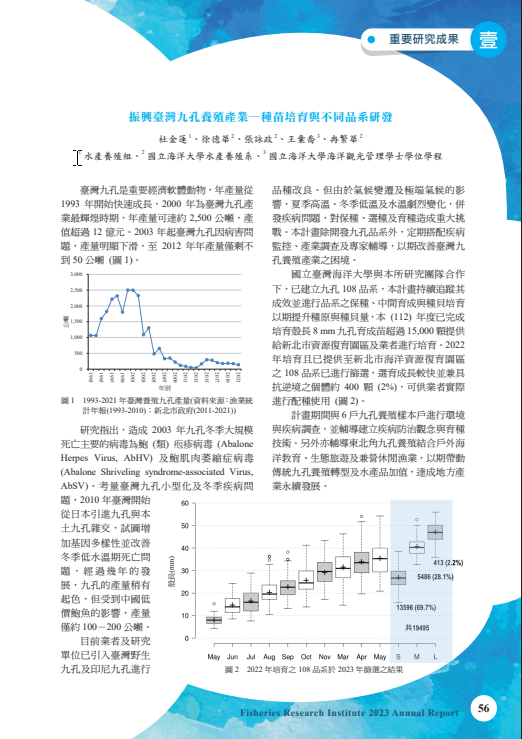
The National Taiwan Ocean University has successfully bred the abalone Haliotis diversicolor (108 strain) in collaboration with the Fisheries Research Institute. To continuously enhance the quantity of 108 strains, the project is engaged in conservation, intermediate rearing, and seed breeding while providing guidance and promotion to industry farmers and tracking the effectiveness of these efforts. At least 30,000 seedlings of the 108 strain, each with a shell length of over 10 mm, have been successfully cultivated and transferred to the Gong-liao aqua-center, New Taipei City, for further intermediate rearing and selection. The project has established a connection with seven abalone farmers, including four hatcheries in Tongxiao, Miaoli, and Toucheng, Yilan, as well as three growout farms in New Taipei City. One of the nurseries in Yilan has successfully obtained the 108 strains and cultivated pure and hybrid seedlings. The remaining farmers have been provided customized guidance on disease prevention, breeding techniques, and marketing promotion based on their needs. Additionally, during the project, we completed a food and agriculture education plan focusing on small abalone, aimed at promoting the transformation and management of traditional abalone farming, enhancing the value of aquatic products, and achieving sustainable development of local industries.
Sustainable Impact:NTOU, in collaboration with the Fisheries Research Institute, has continued the "Abalone 108 Line Breeding and Industry Promotion Program", focusing on genetic improvement, seed production, and sustainable aquaculture practices. Over 30,000 juvenile abalones (shell length >10 mm) of the 108 line were successfully bred and transferred to the New Taipei Marine Resource Restoration Park for intermediate cultivation.The project established seven pilot farms across Miaoli, Yilan, and New Taipei, offering tailored guidance on disease prevention, breeding optimization, and marketing strategies. One hatchery in Yilan successfully produced both purebred and hybrid offspring.Additionally, a food and agricultural education plan was designed to promote abalone culture transformation and value-added seafood development.This initiative integrates marine resource conservation, technological innovation, and local economic sustainability, aligning with SDG 14.2.2, 14.2.3, 14.3.1, and 14.3.3, emphasizing sustainable management, marine ecosystem restoration, and resilient aquaculture development.
國立臺灣海洋大學與水產試驗所的研究團隊合作選育出九孔108 品系,為持續提升 九孔108 品系的種原和種貝數量,本計畫持續進行保種、中間育成與種貝培育,並進行業 者輔導及推廣,持追蹤其成效。本年度成功培育殼長10 毫米以上之九孔108 品系種苗至 少30,000 顆,並轉移至新北市資源復育園區進一步中間育成及選育。本計畫建立追蹤7 戶九孔養殖樣本戶,包括位於苗栗通霄及宜蘭頭城的4 戶種苗場和位於新北市的3 戶養 成場。其中宜蘭的一戶種苗場已取得九孔108 品系,並成功培育純品系及雜交品系種苗。 其餘樣本戶我們則依其需求分別提供疾病防治、育種技術及行銷推廣的輔導。此外,計畫 期間我們還完成了一份以九孔為主題的食農教育企畫書,旨在促進傳統九孔養殖的轉型 與經營,推動水產品加值,達成地方產業的永續發展。
永續影響力:國立臺灣海洋大學與水產試驗所共同進行「九孔108品系」育種與推廣計畫,致力於提升國產九孔的種原品質及養殖效益。本年度成功培育殼長10毫米以上種苗逾30,000顆,並移交至新北市資源復育園區進行中間育成與選育,建立穩定的繁養體系。計畫同時建立七戶養殖樣本戶,提供疾病防治、育種技術與行銷策略輔導,促進產業技術交流與升級。此外,團隊完成以九孔為主題的食農教育企畫,推廣海洋養殖與地方產業結合的永續理念,強化社區與產業鏈的連結。此計畫不僅提升海洋生物資源的永續利用與復育效能,也兼顧教育推廣與經濟價值創新,充分落實 SDG 14.2.2、14.2.3、14.3.1、14.3.3 所強調的永續海洋資源管理與產業升級目標。
Evidence:
https://www.tfrin.gov.tw/theme_data.php?theme=book_data&sub_theme=important&id=5044
https://usr.ntou.edu.tw/var/file/90/1090/img/1658/539200718.pdf
6. International Conference on the Impact and Adaptation of Climate Change on Fisheries
漁業面對氣候變遷之衝擊與調適國際研討會
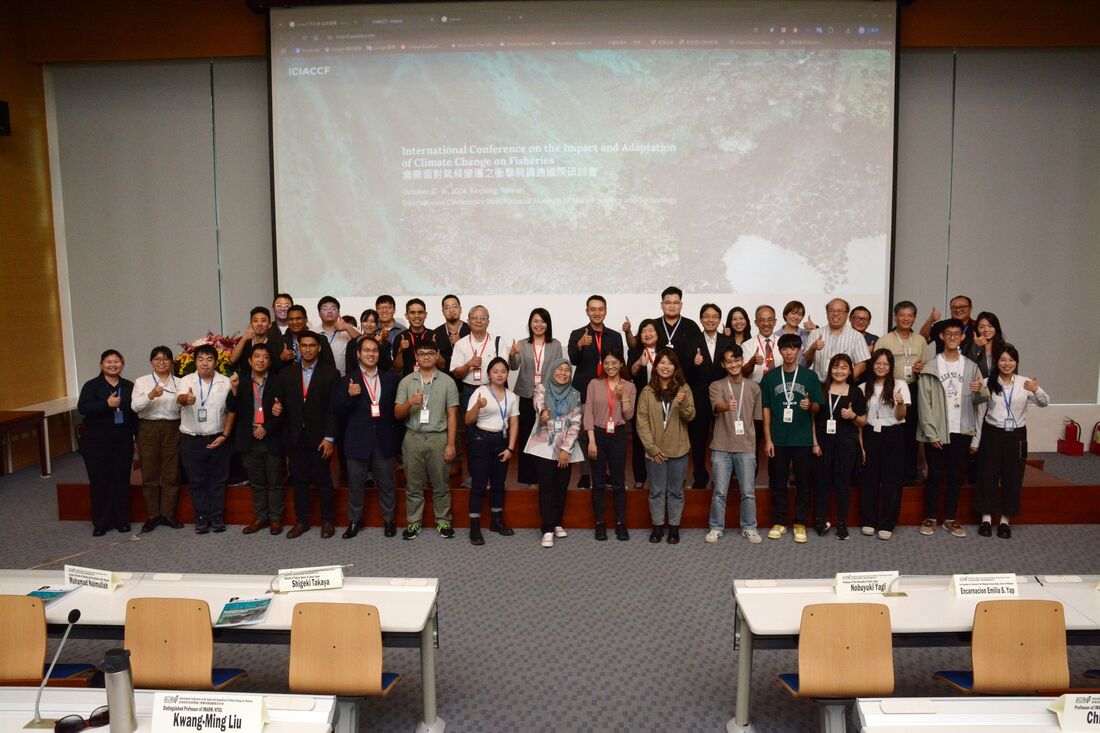
Climate change has become a global issue, posing severe challenges to nations around the world. To address these challenges, the National Taiwan Ocean University (NTOU) held the “International Symposium on the Impacts of Climate Change on Fisheries and Adaptation” on October 15–16 at the National Museum of Marine Science and Technology. This symposium was organized by the Institute of Marine Affairs and Resource Management (IMARM) as a special event celebrating NTOU's 71st anniversary. The conference brought together experts and scholars from Canada, Japan, Malaysia, the Philippines, and Taiwan, attracting nearly a hundred participants. The attendees discussed global challenges and adaptation strategies faced by the fisheries sector under climate change, aiming to promote the sustainable development of fisheries worldwide. Taiwan plays a key role in global fisheries, particularly in the Pacific longline industry targeting bigeye, yellowfin, and albacore tunas. Taiwan's distant-water squid jigging fleet also targets saury and holds a significant competitive edge internationally—since 2013, Taiwan has led global catches of Pacific saury in the North Pacific. During his opening remarks, NTOU Vice President Dr. Ming-An Lee highlighted that not only distant-water fisheries but also coastal fisheries are increasingly affected by climate change, emphasizing the importance of adaptive management policies. He also noted that Taiwan's Climate Change Response Act, revised in 2023, sets a national goal of achieving net-zero greenhouse gas emissions by 2050, underscoring new challenges and responsibilities for fisheries management and climate adaptation. The symposium featured several distinguished speakers, including: Prof. William Cheung, a leading expert on climate modeling from the University of British Columbia, who shared insights on sustainable fisheries through modeling approaches that integrate stakeholder perspectives. Prof. Nobuyuki Yagi from the University of Tokyo, who discussed the impacts of climate change on Japan's fisheries and the potential of seaweed in mitigating methane emissions. Dr. Encarnacion Emilia S. Yap, Vice Chancellor of the University of the Philippines Visayas, who presented strategies for reducing the risks and vulnerabilities of the Philippine fisheries sector under climate change. Mr. Jun-Yang Huang, Director of the Ocean Policy Research Institute at the Sasakawa Peace Foundation (Japan), who introduced Japan's response to the impacts of climate change on squid fisheries through the development of cold-chain logistics systems. The symposium also featured Dr. Muhamad Naimullah, Assistant Professor at Universiti Malaysia Terengganu and an alumnus of NTOU, who presented research on how ENSO (El Niño–Southern Oscillation) events influence Taiwan's swimming crab fishery. Taiwanese experts further shared studies on the impacts of climate change and corresponding adaptation strategies for eel, squid, mackerel, and other fishery resources in the southwestern Taiwan waters. The symposium was initiated by Distinguished Professor Kwang-Ming Liu, Director of IMARM**, who expressed gratitude to the Ministry of Agriculture for its funding support, which made this international symposium possible. The event showcased Taiwan's achievements in climate change response and adaptation in the fisheries sector. The project was jointly conducted by six professors with diverse expertise, including Professors Kwang-Ming Liu, Chih-Shin Chen, Ting-Chun Kuo, and Wen-Ning Chang of NTOU; Prof. Kuo-Wei Lan from the Department of Environmental Biology and Fisheries Science, NTOU; and Prof. Wen-Bin Huang from National Dong Hwa University. Together, they assessed the impacts of climate change on Pacific tropical and temperate tunas, sharks, saury, and Argentine squid, using modeling approaches to project habitat shifts and changes in fishery yields under various climate scenarios.
Sustainable Impact: National Taiwan Ocean University hosted the International Conference on the Impact and Adaptation of Fisheries to Climate Change in October 2024, aligning with SDG14.2.2, 14.2.3, 14.4.1, 14.4.2.
The event brought together experts from Canada, Japan, Malaysia, and the Philippines to exchange insights on climate-induced challenges in fisheries and adaptation strategies. Discussions covered topics including low-carbon energy use, climate education, sustainable fishery management, marine pollution reduction, and international cooperation in capacity building.
By integrating science-based climate analysis with community-focused sustainability practices, the conference demonstrated higher education’s vital role in promoting global collaboration on climate action and sustainable oceans. It not only advanced regional understanding of climate resilience in marine sectors but also strengthened academic networks supporting the transition toward carbon neutrality and responsible ocean governance.
氣候變遷已成為全球性課題,各國皆面臨嚴峻的挑戰,國立臺灣海洋大學於10月15至16日假國立海洋科技博物館舉行「漁業面對氣候變遷之衝擊與調適國際研討會」,本次研討會為海洋事務與資源管理研究所為海大71週年校慶特別舉辦。研討會匯聚來自加拿大、日本、馬來西亞、菲律賓等各國的專家與國內學者,近百位參與者,共同探討全球漁業面對氣候變遷的挑戰與應對策略,並進一步推動漁業永續發展。 臺灣在全球漁業中具有關鍵地位,包括太平洋延繩釣漁船的主要漁獲,如大目鮪、黃鰭鮪與長鰭鮪,遠洋魷釣船還能兼補秋刀魚,在國際上也有占有相當優勢,自2013年以來臺灣在北太平洋秋刀魚捕撈中更是全球領先。海大李明安副校長於開幕致詞時表示,不僅是遠洋漁業,沿岸漁業資源同樣受到氣候變遷的影響,凸顯了應對氣候變遷調適政策的重要性。臺灣於去年修訂《氣候變遷因應法》,明定我國應在2050年達成溫室氣體淨零排放,這不僅是國家層級的承諾,也對漁業管理和應對氣候變遷提出了新的要求。 此次會議邀請到氣候變遷模式的權威英屬哥倫比亞大學William Cheung教授分享在永續漁業重要見解與經驗,包含最新的模式並結合各利害關係人的觀點;日本東京大學Nobuyuki Yagi教授分享日本漁業受到氣候變遷所造成的這種影響,以及海藻減緩甲烷排放的潛力;菲律賓大學米沙鄢分校Encarnacion Emilia S. Yap副校長也分享了減少菲律賓漁業部門面對氣候變遷的風險與脆弱性的經驗;日本笹川平和財團海洋政策研究所黄俊揚主任則分享日本魷魚漁業在受到氣候變遷衝擊,轉而發展冷鏈物流的應對與調適。 另外,臺灣沿近海漁業也邀請到過去曾來臺求學的馬來西亞登嘉樓大學Muhamad Naimullah助理教授分享臺灣梭子蟹受聖嬰–南方震盪(ENSO)事件之影響,國內專家並針對鰻魚、小卷、鯖魚、臺灣西南海域漁業資源受到氣候變遷的影響及因應措施。本次研討會的發起人海資所所長劉光明特聘教授感謝農業部的補助計畫,讓本次國際研討會成功舉辦,展現我國在氣候變遷的因應與調適成果。此計畫由六位不同專長領域的老師,包含海大海資所劉光明教授、陳志炘教授、郭庭君副教授、張文寧助理教授、環漁系藍國瑋教授及東華大學黃文彬教授,共同針對我國太平洋熱帶鮪類、溫帶鮪類、鯊魚、秋刀魚與西南大西洋阿根廷魷受氣候變遷影響,建構模擬推估棲息地之移動,以及漁獲量的變動。
永續影響力:國立臺灣海洋大學於2024年舉辦「漁業面對氣候變遷之衝擊與調適國際研討會」,邀集加拿大、日本、馬來西亞、菲律賓等國專家學者,共同探討氣候變遷對漁業的影響及永續對策,符合 SDG14.2.2、14.2.3、14.4.1、14.4.2之精神。研討會整合低碳能源議題、氣候教育推廣、永續漁業政策及塑膠減量行動,並促進跨國研究交流與專業能力培育。此舉展現學校以國際合作推動氣候行動與海洋永續之具體實踐。

Evidence:
7. Investigation on aquaculture carbon sink and establishment of measurement methodology
養殖漁業碳匯調查及建立量測方法學研究
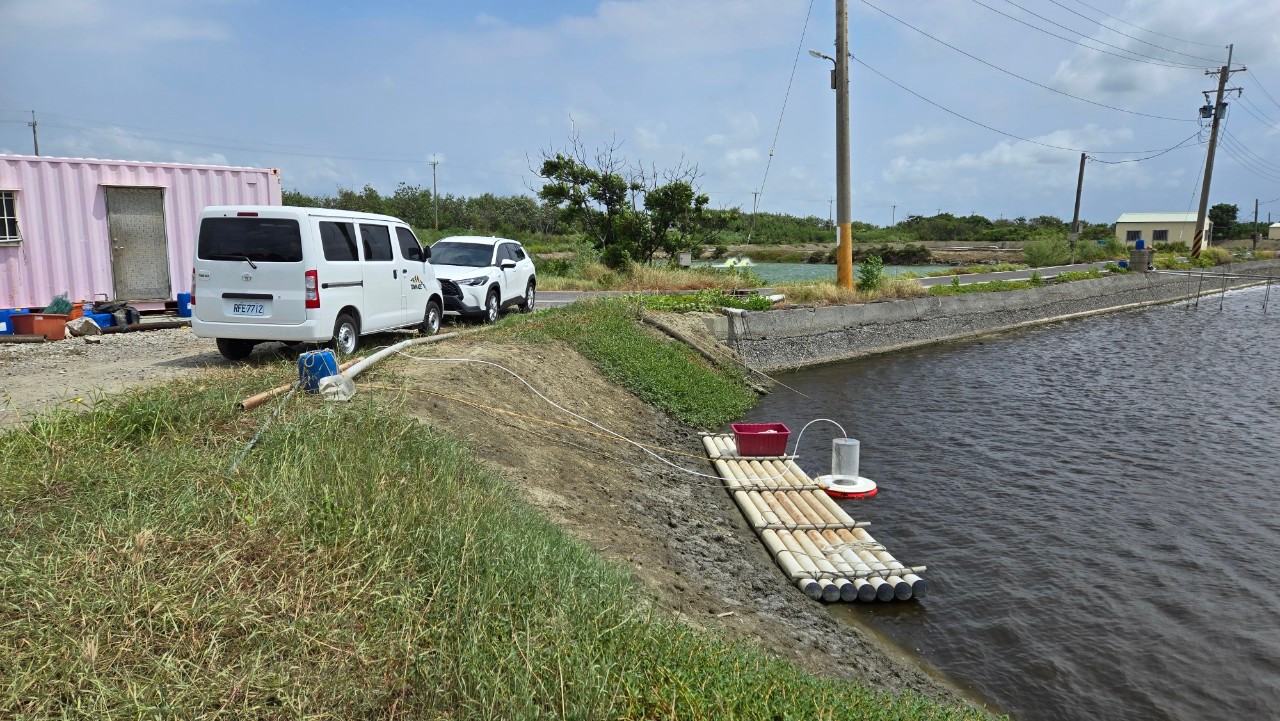
Due to the absence of a matching Monitoring, Reporting, and Verification (MRV) mechanism in our country, the national greenhouse gas emissions inventory has yet to establish wetland-related carbon sink data. In order to understand the overall carbon sink variations and potential reductions in emissions in our country, as well as to adhere to the three core principles (measurable, verifiable, and reportable) and five key characteristics (additivity, conservatism, permanence, avoidance of harm, and avoidance of double counting) required for future voluntary reduction projects, this project will focus on carbon sinks in aquaculture, including the milkfish and sea bass farming industries. We will measure the greenhouse gas emissions and carbon sinks in water bodies and sediments, and analyze their local coefficients. The goal is to accurately estimate the carbon sink or carbon source capabilities of wetlands in line with the international trend towards net-zero emissions and to achieve the domestic net-zero emissions policy objectives.
Sustainable Impact: This project addresses the current gap in Taiwan’s national greenhouse gas inventory, which lacks wetland carbon sequestration data. It focuses on measuring greenhouse gas emissions and carbon storage in milkfish and seabass aquaculture systems, including both water and sediment compartments, to establish localized carbon coefficients. The study supports the development of Taiwan’s Monitoring, Reporting, and Verification (MRV) framework and aligns with the three key MRV principles—measurability, verifiability, and reportability—as well as the five essential attributes of carbon management: additionality, conservativeness, permanence, avoidance of leakage, and prevention of double counting.
The outcomes will enhance national understanding of wetland carbon fluxes, inform voluntary mitigation programs, and contribute to net-zero strategies under SDG 13.3–13.4. Simultaneously, the research advances sustainable aquaculture and coastal wetland carbon management, aligning with SDG 14.2–14.3. By quantifying blue carbon potential and integrating it into national climate policy, this project builds a scientific foundation for low-carbon aquaculture and climate-resilient marine ecosystems in Taiwan.
因我國尚未建立相符之監測、報告與驗證機制(MRV),國家溫室氣體排放清冊尚未建立濕地相關碳匯量數據,為了解我國整體之碳匯變動量及可減少之排放量,以及未來自願減量專案中所需之三大原則(可量測、可驗證、可報告)和五大特性(外加性、保守性、永久性、避免產生危害及避免重複計算),本案將針對養殖漁業碳匯,包含虱目魚及鱸魚養殖產業,進行水體及底土之溫室氣體與碳匯量測,並分析其本土係數,期望可精確的推估濕地的碳匯或碳源能力,以符合國際淨零排放趨勢及達到國內淨零排放政策目標。
永續影響力:本計畫針對我國尚未納入國家溫室氣體清冊之「濕地碳匯」議題,進行養殖漁業(虱目魚與鱸魚產業)水體與底土之溫室氣體排放與碳匯量測,建立本土化碳吸存係數,補足我國MRV(監測、報告、驗證)機制缺口。研究結果將有助於掌握濕地碳源與碳匯變動,為自願減量專案奠定基礎,符合「可量測、可驗證、可報告」三原則及五項碳管理特性(外加性、保守性、永久性、避免危害、避免重複計算)。 此研究不僅支援國家淨零排放政策與氣候治理(SDG13.3.1–13.4.1),亦促進海岸與養殖濕地的生態碳匯功能理解(SDG14.2.1–14.3.3),為台灣藍碳管理與低碳漁業發展提供重要實證依據。

Evidence: