14.3.1
Activity Name: Seaweed Breeding and Conservation at the Marine Organism Culture Facility
活動名稱 「海洋生物培育館」推動海藻育種與保育
Summary
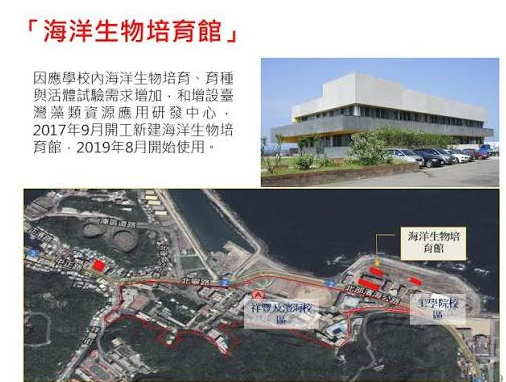
To meet growing demand for algal development and utilization, marine organism culture, breeding, and live-organism experiments, the Center of Excellence for the Oceans partnered with the Rising Sun Education Foundation to construct a large Marine Organism Culture Facility on campus in 2019. The foundation donated NT$20 million for construction, and the Center manages and operates the facility. With a total floor area of approximately 500 ping, the facility houses the Taiwan International Algal Research Fund Committee and focuses on macroalgal cultivation, development, and utilization research. It strengthens marine biology and aquaculture research and accepts group visits by appointment, introducing aquatic organisms to the public and promoting marine education.
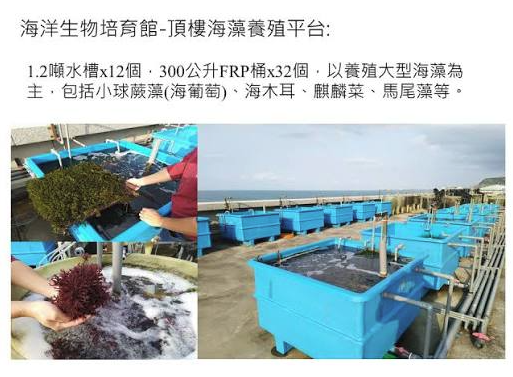
By the end of 2025, the facility had successfully maintained germplasm from 54 macroalgal species and established seedling production techniques for economically valuable species such as Meristotheca papulosa and Codium barbatum. Other macroalgae, including Monostroma nitidum, laver, and kelp, are preserved as different forms of propagules and algal material, including filaments and protoplasts. Microalgae for specialized uses, such as feed and natural product extraction, are also maintained in incubators using culture media and stock cultures. In total, 54 macroalgal species are conserved and cultured at an expanded scale.
Macroalgal production reached 866.58 kg in 2025. Of this, 346.18 kg was supplied through 38 batches of academic cooperation materials for use within NTOU and by organizations including Academia Sinica. The materials supported natural product analysis, algal product development, and offshore cultivation.
In 2025, the facility hosted 47 visits with 787 participants, including guests from NTOU, other schools, and industry. Visitors included Academia Sinica, the National Science and Technology Council, and university professors from Japan, France, the United States, and Poland, who explored the facility's algal cultivation resources.
The laboratory team and its NGO partners received a Gold Award for SDG14 at the 2025 Taiwan Sustainability Action Awards for their project "Algal Fields and Carbon Solutions."
摘要
因應學校發展藻類開發利用、海洋生物培育、育種與活體試驗需求增加,海洋中心與財團法人旭日教育基金會合作於2019年在校內增建大型海洋生物飼育設施「海洋生物培育館」,由基金會捐款2,000萬元建造工程費用,海洋中心負責管理營運。「海洋生物培育館」總樓地板面積約500坪,館內設置「臺灣國際藻類研究基金委員會」,主要推動大型藻類的培育與開發利用研究。「海洋生物培育館」強化海洋生物及水產科技的研究,同時開放機關團體預約參觀,提供社會大眾認識水生生物的場館,推廣海洋教育。
至2025年底,成功培育54種大型海藻種源,並建立數種具經濟價值之大型海藻之培苗技術,如雞冠菜、纖細松藻,另有青海菜、紫菜、海帶等大型海藻,以絲狀體、原生質體等不同形式的繁殖體藻體保存。此外,針對可作為餌料、天然物萃取等特殊用途之微細藻種類,目前以培養基、保種方式保存於培養箱中,合計54種大型海藻的保種及擴大培養。
2025年大型海藻總產量達866.58Kg,其中346.18Kg以學術合作名義,除提供本校使用外,亦提供中央研究院等單位索取計有38批次,分別進行天然物分析、藻類產品開發與海上養殖使用。
2025年共計有校內、外貴賓、各級學校、業界等單位參訪,共計47場次787人參觀。包含中央研究院,國科會,以及日本、法國、美國、波蘭等大學教授來訪,體驗海洋生物培育館之藻類場域。
實驗室團隊與合作NGO團隊以「藻田碳訣」為主題,榮獲2025台灣永續行動獎SDG14金獎。
Sustainability Impact
By the end of 2025, the facility conserved germplasm from 54 macroalgal species. In 2025, it produced 866.58 kg of seaweed and supplied 38 batches of academic cooperation materials, supporting germplasm conservation, aquaculture techniques, and product research. It also hosted 47 visits with 787 participants, extending its role as a research facility into marine education and resource sharing across institutions.
永續影響力
截至2025年底保存54種大型海藻種源,並於2025年生產866.58公斤海藻、提供38批次學術合作材料,支持種源保育、養殖技術與產品研究。同年辦理47場參訪、787人參觀,將研究設施延伸為海洋教育與跨機構資源共享平台。
Evidence: https://ceo.ntou.edu.tw/p/412-1120-13178.php
Activity Name: 2025 Dialogue between Fishers and the Ocean: Forum on Forest–River–Satoyama–Satoumi Practices through the National Green Network
活動名稱 2025 漁人與海洋的對話:從國土綠網看森川里海實踐論壇
Summary
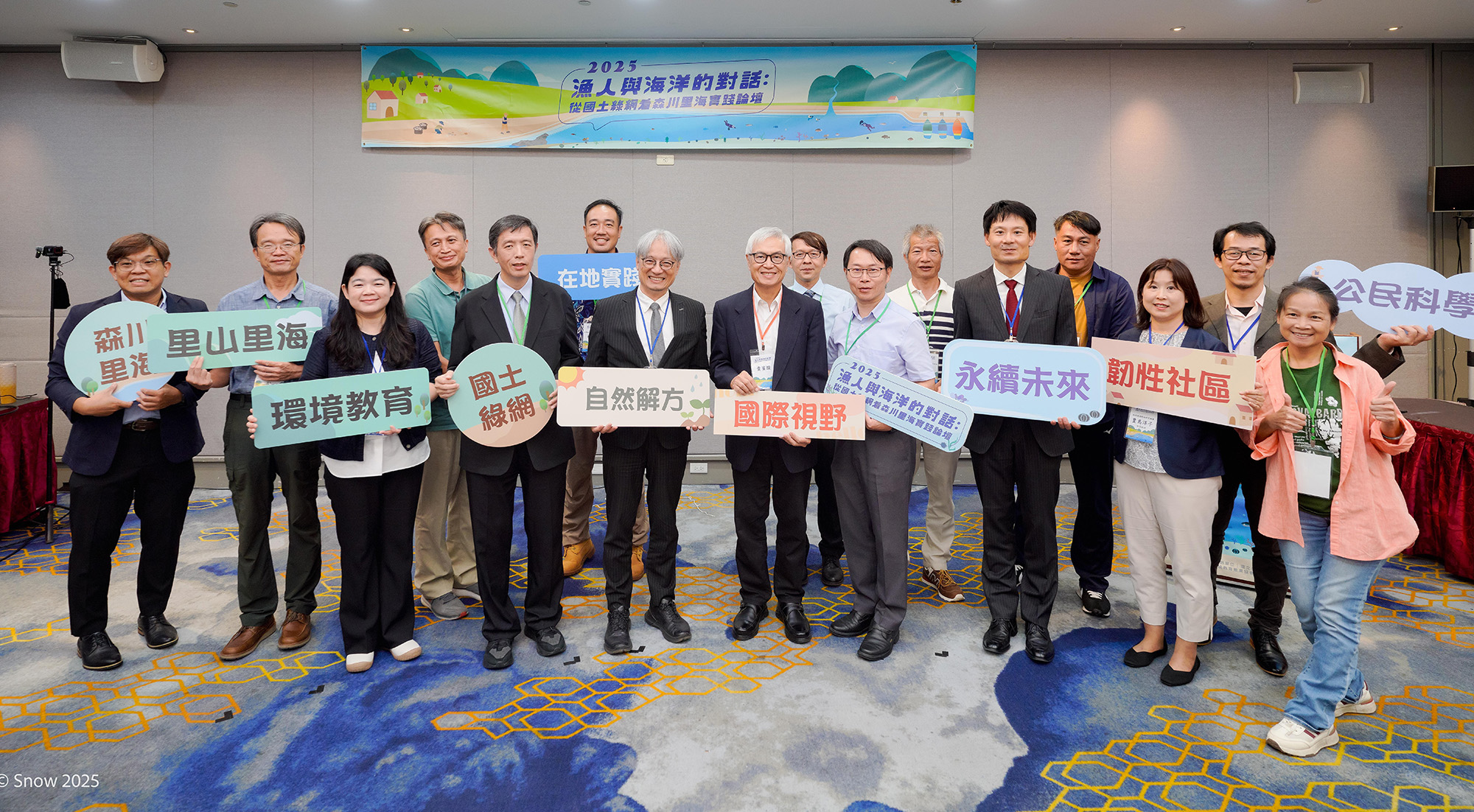
To advocate for sustainable fisheries and fishing villages, NTOU's Institute of Applied Economics held the "2025 Dialogue between Fishers and the Ocean: Forum on Forest–River–Satoyama–Satoumi Practices through the National Green Network" at the NTUH International Convention Center on October 20. A Taiwan–Japan Satoumi practice exchange workshop followed in Maoao Fishing Village, Gongliao, on October 21. Experts from industry, government, academia, and research institutions in Japan and Taiwan joined local fishers to explore socio-ecological production landscapes and seascapes (SEPLS) in fishing villages and the connections among culture, industry, and ecosystems.
By deepening the practice of Satoumi, the events presented actions in Taiwan's fishing villages involving environmental education, citizen science, resource co-management, and cultural preservation. Knowledge exchange and policy dialogue aimed to broaden the application and contribution of Satoumi actions, increase public understanding and support for fishing village SEPLS and Satoumi, and build a sustainable future in which fishers and the ocean coexist.
摘要
為倡議漁業與漁村的永續發展,國立臺灣海洋大學應用經濟所於10月20日假臺大醫院國際會議廳舉辦「2025漁人與海洋的對話:從國土綠網看森川里海實踐論壇」,並於10月21日前往貢寮卯澳漁村舉辦臺日里海實踐交流工作坊。活動邀集日本及國內產官學研專家與在地漁民,以漁村的社會生態生產地景(SEPLS)為核心,串聯人文、產業與生態系統的交互連結,透過里海(Satoumi)理念的實踐深化,展現臺灣漁村在環境教育、公民科學、資源共管與文化保存的多元行動,透過知識交流與政策對話,拓展里海行動的應用與貢獻,提升大眾對漁村SEPLS價值與里海理念的理解與支持,共築漁人與海洋共生的永續未來。
Sustainability Impact
The forum and field workshop in Maoao brought together experts from Taiwan and Japan, government representatives, and fishers to exchange experience in Satoumi practice, citizen science, and resource co-management. They supported discussion of governance that balances ecological conservation with fishing village livelihoods and provided channels for international and local cooperation. Policy adoption and ecological improvements still require follow-up.
永續影響力
透過臺日專家、政府及漁民的論壇與卯澳實地工作坊,交流里海實踐、公民科學及資源共管經驗,支持生態保育與漁村生計並重的治理討論。活動提供跨國與在地協作管道,政策採納及生態改善仍待追蹤。
Activity Name: Signing of the NTOU–Academia Sinica Memorandum of Understanding on Research and Applications for Net-Zero Carbon Reduction
活動名稱 本校與中央研究院「淨零減碳科研應用」合作備忘錄簽署儀式
Summary
Academia Sinica has long invested in basic research and actively develops emerging zero-carbon power technologies, carbon sinks, and other innovative technologies that support net-zero goals. As a higher education institution centered on marine research, NTOU has strong capabilities in marine science and engineering. In recent years, it has actively pursued research on ocean energy, blue carbon, maritime decarbonization, and sustainable fisheries, making it an important contributor to Taiwan's net-zero transition in the marine sector.
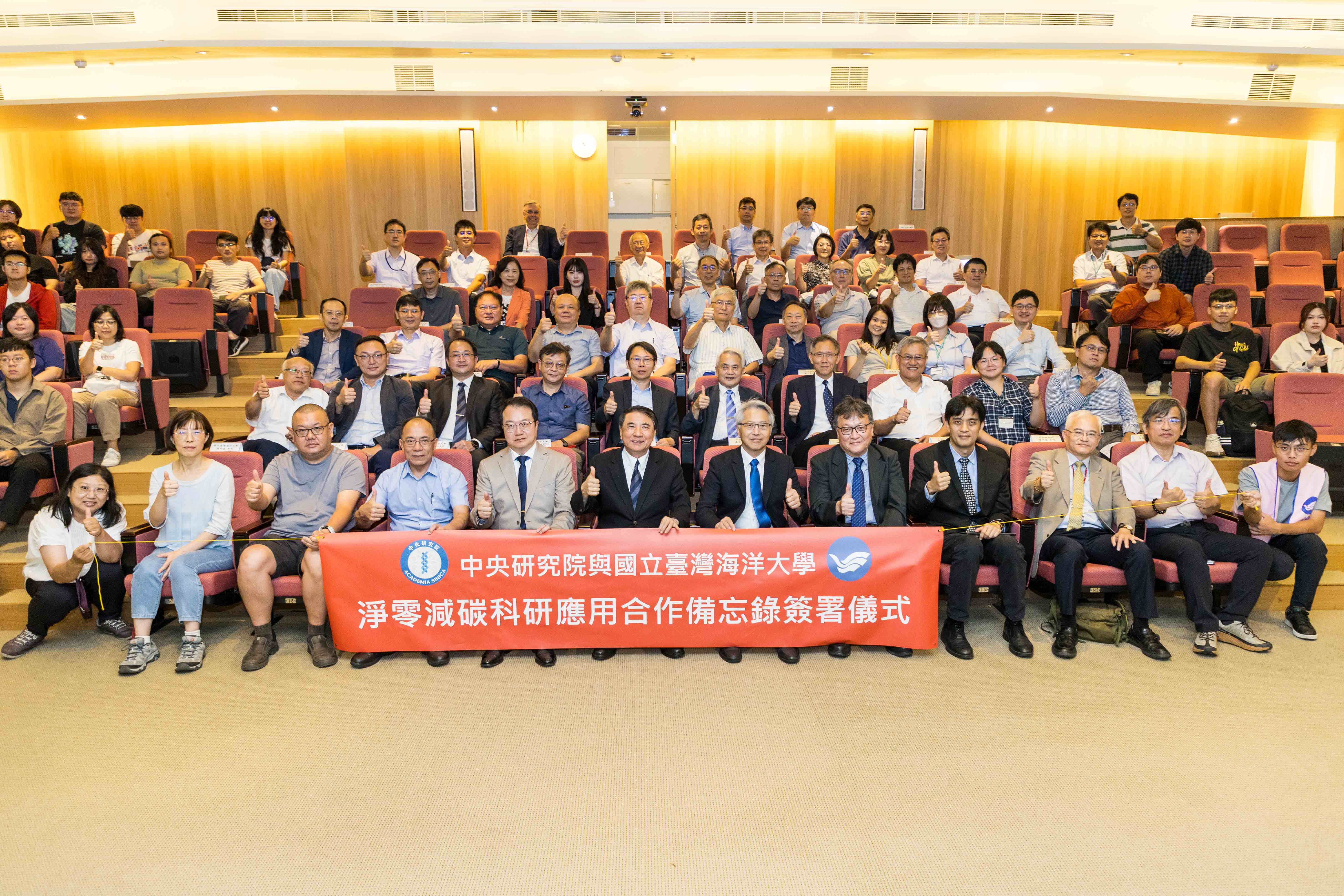
The two institutions had already established research partnerships on selected topics. To strengthen this cooperation and accelerate the application of research results, they signed a memorandum of understanding under a common framework for research and development in net-zero carbon reduction technologies. Guided by mutual trust and mutual benefit, the memorandum covers existing results and future cooperation.
摘要
中研院長期深耕基礎研究並積極投入開發新興零碳電力、增加碳匯以及其他有助達成淨零目標之創新淨零科技;海洋大學為我國以海洋研究為核心之高等學府,具備海洋科學及工程之研究能量,並於近年積極投入海洋能源、藍碳、海事減碳及永續漁業及海洋能源等研究,為我國推動海洋領域淨零轉型之重要推手。
雙方過去針對部分主題已建立合作研究關係,惟為加強既有合作並加速落實相關研發成果,因此,雙方在淨零減碳科技研發的目標框架上,秉持互信互惠原則,為現有之成果及未來相關合作事宜,簽署合作備忘錄。
Sustainability Impact
The memorandum of understanding with Academia Sinica brings research on ocean energy, blue carbon, maritime decarbonization, and sustainable fisheries into a shared cooperation framework, supporting research across institutions and the integration of resources. It provides an institutional foundation for accelerating technology research and application. Actual deployment and carbon reductions still require supporting evidence from project results.
永續影響力
與中央研究院簽署合作備忘錄,將海洋能源、藍碳、海事減碳及永續漁業等研究納入共同合作框架,支持跨機構研發與資源整合。此為加速技術研究及應用的制度基礎,實際部署與減碳量仍需計畫成果佐證。
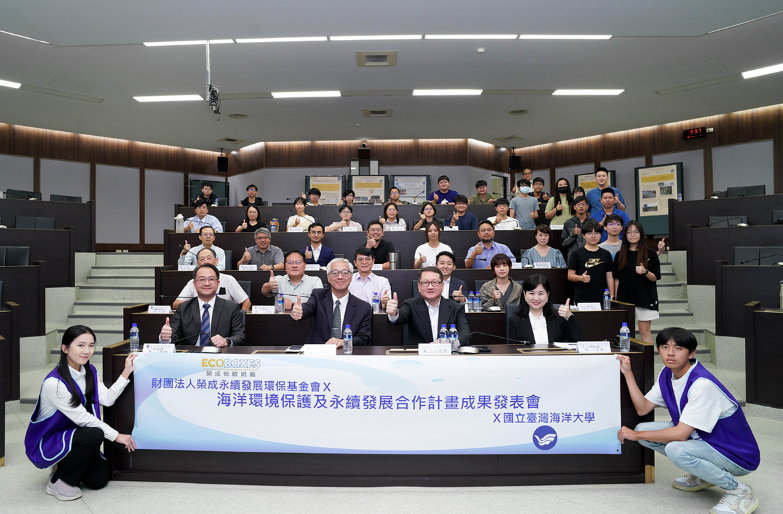
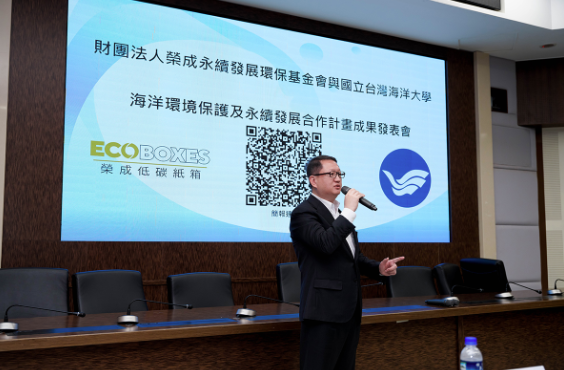
Activity Name: Cooperation between the Long Chen Environmental Sustainability Foundation and NTOU on Marine Environmental Protection and Sustainable Development
活動名稱 財團法人榮成永續發展環保基金會與國立臺灣海洋大學海洋環境保護及永續發展合作案
Summary
To fulfill its corporate social responsibility, the Long Chen Environmental Sustainability Foundation, referred to below as Long Chen Paper, combines corporate resources with the University's marine research expertise to promote industry–academia projects for marine environmental protection and sustainable development.
Sustainability requires continuous improvement and the accumulation of capabilities over time, gradually extending the application of sustainability concepts. On this basis, the partnership operates in two-year phases. All three phases have now been completed, with Long Chen Paper investing nearly NT$20 million. Project leaders have applied their expertise to produce substantial results in academic work, education for surrounding communities and groups, and support for government.
摘要
財團法人榮成永續發展環保基金會(下稱榮成紙業)為發揮企業社會責任,結合本校海洋專業研究能力,推動各項產學合作計畫,以達海洋環境保護及永續發展之目的。
永續並非一蹴可幾,而是不斷改善並累積能量,逐步拓展永續概念的應用。基於前述原則,本合作案每兩年為一期,目前三期計畫皆已完結,榮成紙業共斥資近2,000萬,計畫主持人亦充分發揮所長,於學術、周邊團體教育及協助政府等方面均有豐碩成果。
Sustainability Impact
The foundation invested nearly NT$20 million across three completed phases of cooperation, combining corporate resources with marine research expertise to support environmental protection research, education, and cooperation with government. This long-term partnership helps sustain the capacity to put sustainability into practice. Ecological improvements or energy benefits still require supporting evidence from individual projects.
永續影響力
基金會累計投入近新臺幣2,000萬元、完成3期合作計畫,將企業資源與海洋專業研究結合,支持環境保護研究、教育及政府協作。此長期合作有助維持永續實踐量能,個別生態改善或能源效益仍須各計畫成果佐證。
Evidence: https://research.ntou.edu.tw/p/412-1021-12463.php?Lang=zh-tw
Activity Name: Plastic Reduction Challenge Activities at Daxi Fishing Harbor and Practical Marine Education for University Students
活動名稱 大溪漁港減塑闖關與大學生海洋教育實作
Summary
NTOU's "Smart and Healthy Aquaculture Village" USR project took part in the Toucheng Fish Festival on November 23, 2025, organizing plastic reduction challenge activities at Daxi Fishing Harbor. Instructors Guo Ting-jun and Chen Yong-zong led students from the "University Social Responsibility and Sustainable Development of Local Food" course in on-site teaching and interaction with the public. With plastic reduction as its theme, the activity extended university coursework to a local fishing harbor festival and offered the public opportunities to participate in marine environmental education. Activity records show that 103 members of the public participated, alongside two teachers, 13 students, and three assistants, for a total of 121 people. Face-to-face interaction connected local fishery activities with environmental outreach, gave students practical teaching experience off campus, and brought plastic reduction issues to a wider audience.
摘要
國立臺灣海洋大學「智慧樂活水產村」USR計畫於2025年11月23日參與頭城鱻魚祭,在大溪漁港辦理減塑闖關活動,由郭庭君及陳詠宗老師帶領「大學社會責任與在地食品永續發展」修課學生投入現場教學與民眾互動。活動以減塑為主題,將大學課程學習延伸至地方漁港節慶,提供民眾參與海洋環境教育的機會。依活動紀錄,103名民眾參與,另有教師2人、學生13人及助理3人投入,共121人。透過學生與民眾面對面互動,結合地方漁業活動與環境議題推廣,讓學生累積校外教學實作經驗,並擴大減塑議題的接觸對象。
Sustainability Impact
The activity brought a university social responsibility course to a festival at Daxi Fishing Harbor, engaging 103 members of the public through a plastic reduction challenge and giving 13 students experience in environmental teaching beyond campus. It supported public participation in marine pollution issues and practical student learning. Actual plastic reductions and changes in behavior have not yet been measured.
永續影響力
將大學USR課程帶入大溪漁港節慶,以減塑闖關接觸103名民眾,並讓13名學生累積校外環境教學經驗。活動支持海洋污染議題的公眾參與及學生實作,實際塑膠減量與行為改變尚未量測。

Activity Name: Marine Debris Puzzle Education and Training for Marine Education Seed Teachers
活動名稱 海廢拼圖環境教育與海洋種子教師培訓
Summary
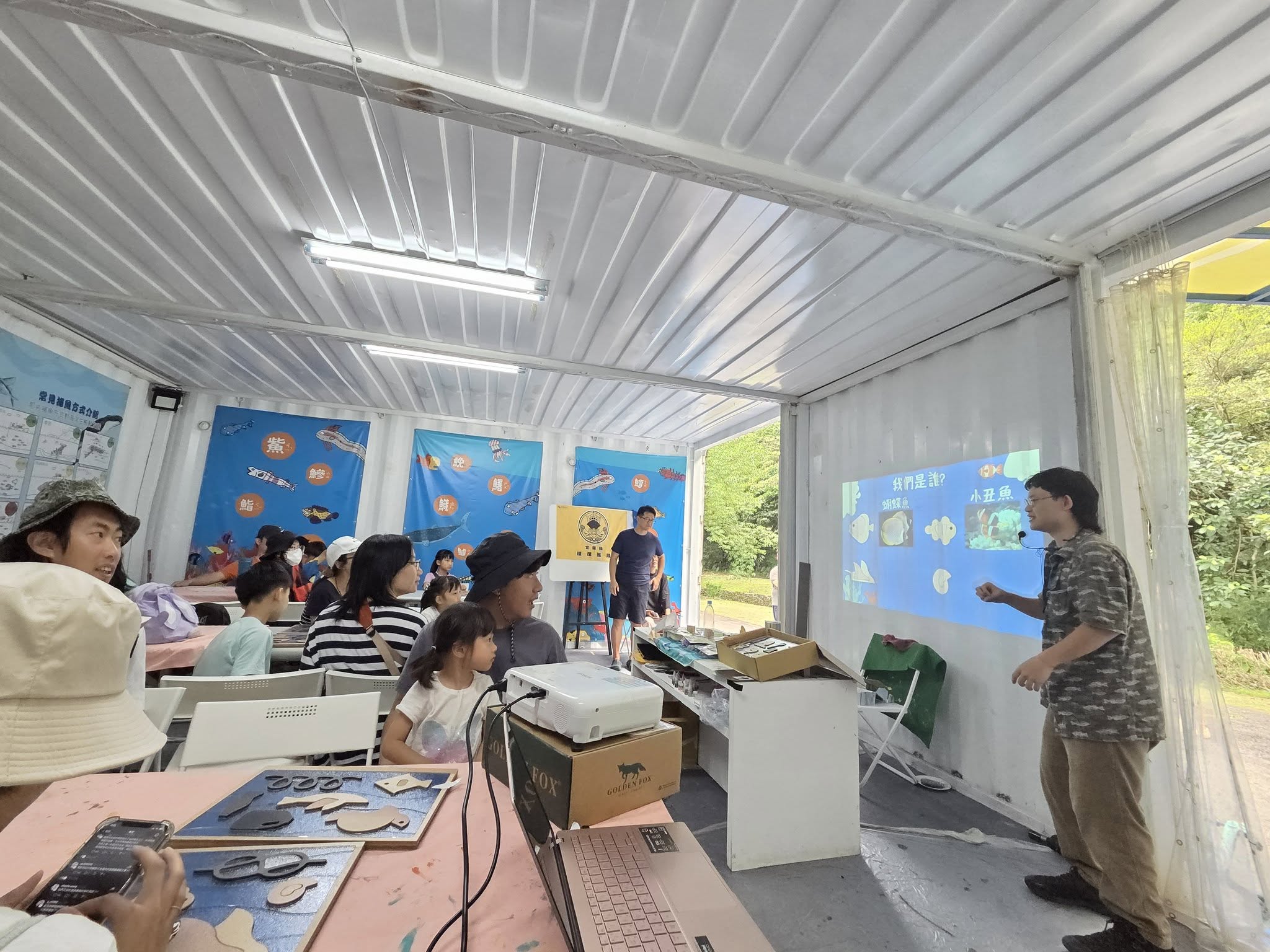
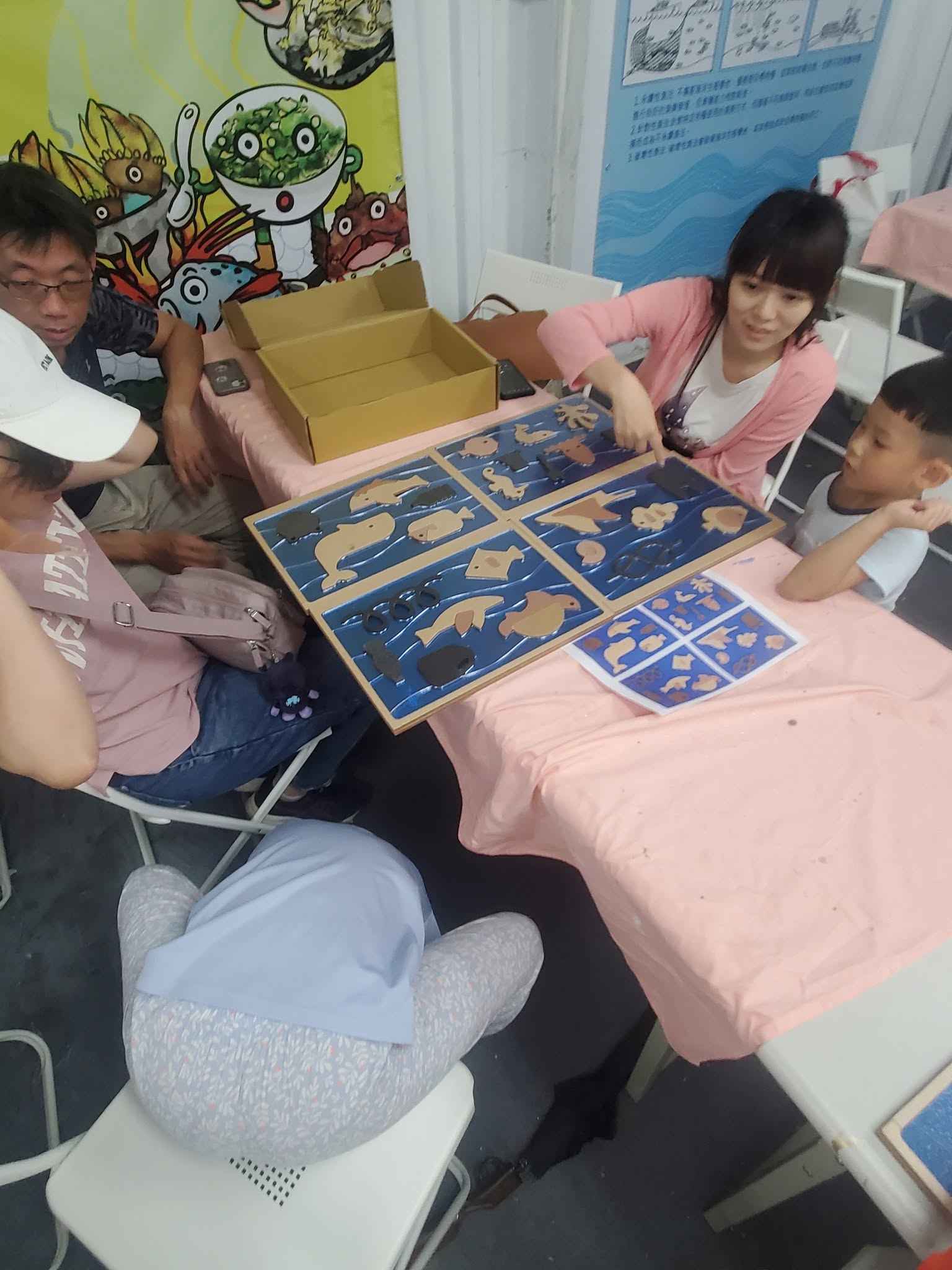
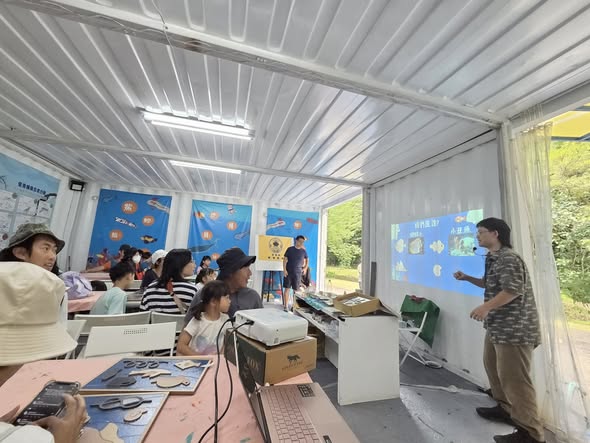
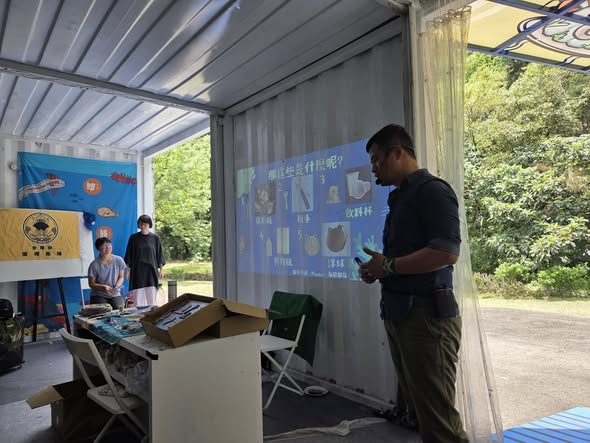
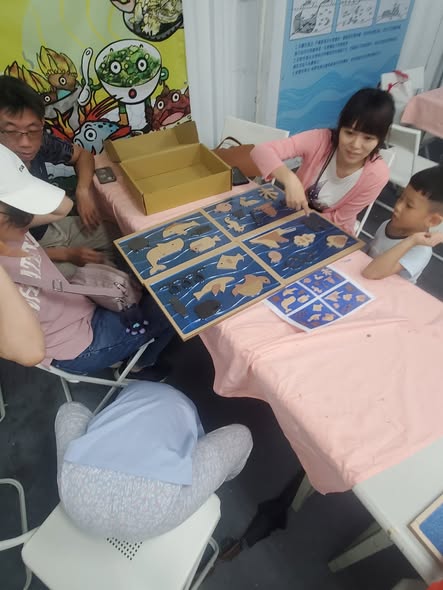
NTOU's "Smart and Healthy Aquaculture Village" USR project partnered with the Heart of the Ocean Environmental Sustainability Association and Hai Bo Lang to turn expanded polystyrene and PET bottles collected around Daxi Fishing Harbor into marine debris puzzle teaching materials for marine conservation education. Course planning discussions and rehearsals took place on March 25, 2025, followed by a trial play session with 13 participants on April 27. Two classes were held at the Yilan Green Expo on May 2 and 3, recording 134 public participations and 150 participations including teaching and support personnel. A further training session for marine education seed teachers was held on October 18, combining experiences from the environmental protection fleet with practical lesson design, and attracted 16 participants. Teaching material development, public classes, and instructor training gave people opportunities to learn about marine debris and its ecological impacts and developed teaching personnel for future outreach to schools and communities.
摘要
國立臺灣海洋大學「智慧樂活水產村」USR計畫與海洋之心環境永續發展協會、海波浪合作,將大溪漁港周邊回收的保麗龍及寶特瓶轉化為海廢拼圖教材,推動海洋保育教育。2025年3月25日先行討論與演練課程,4月27日辦理13人參與的試玩會,5月2日及3日於宜蘭綠色博覽會辦理2場課程,參與民眾合計134人次,連同教學及支援人員共150人次。10月18日再辦理海洋種子教師培訓,結合環保艦隊行動分享及教案實作,共16人參與。透過教材試作、公開教學與講師培訓,提供民眾認識海廢及其生態影響的學習機會,並為後續入校及社區推廣培養教學人力。
Sustainability Impact
Recycled polystyrene foam and PET bottles were turned into marine debris puzzle teaching materials. Two lessons at the Green Expo reached 134 participant visits, and 16 participants were trained to support further outreach. Cooperation between NGOs and the university supported marine debris education, demonstrations of material reuse, and community teaching capacity. Data on actual waste reduction are not yet available.
永續影響力
將回收保麗龍與寶特瓶轉化為海廢拼圖教材,於綠博2場課程接觸134民眾人次,並培訓16名參與者作為後續推廣人力。串聯NGO與大學,支持海廢教育、材料再利用示範及社區教學能力,實際垃圾減量尚無數據。
Activity Name: Marine and Terrestrial Environmental Change and Future Renewable Energy in New Southbound Countries
活動名稱 新南向國土之海洋地球環境變遷暨未來可再生能源
Summary
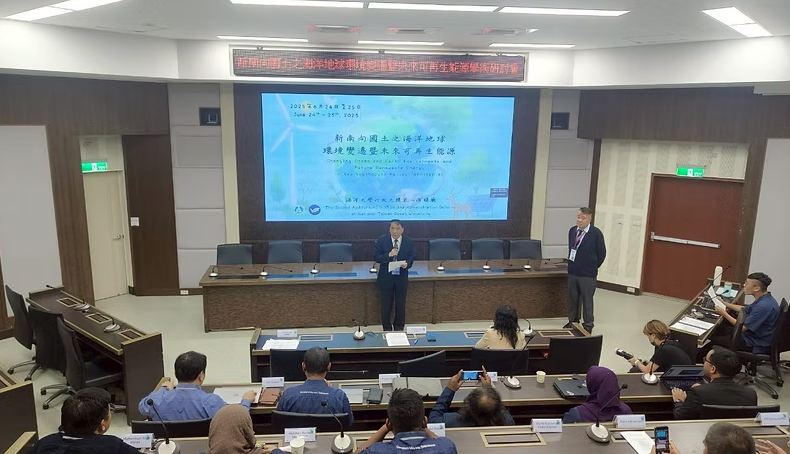
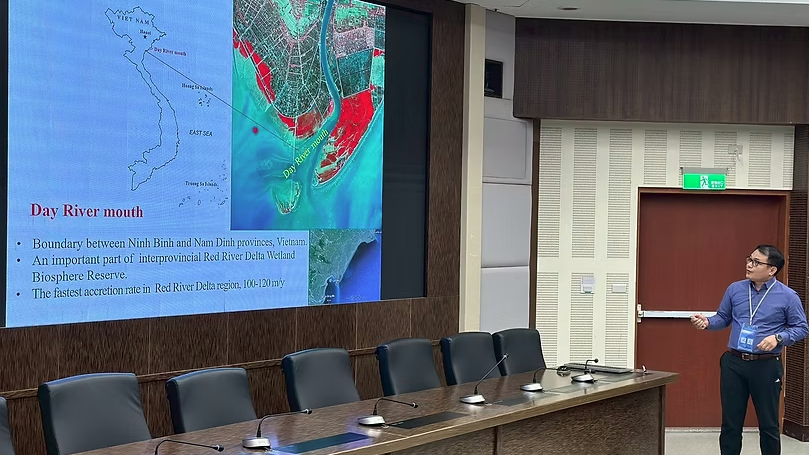
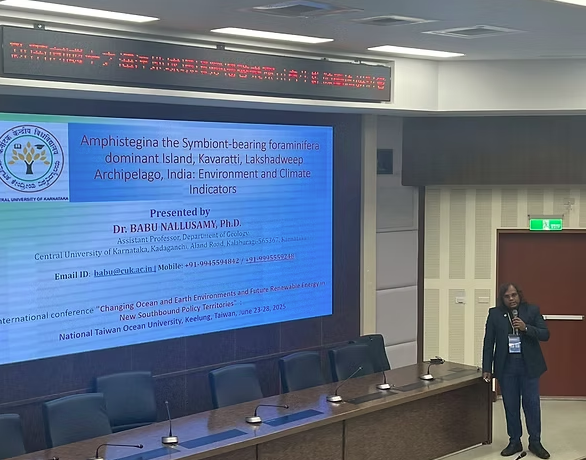
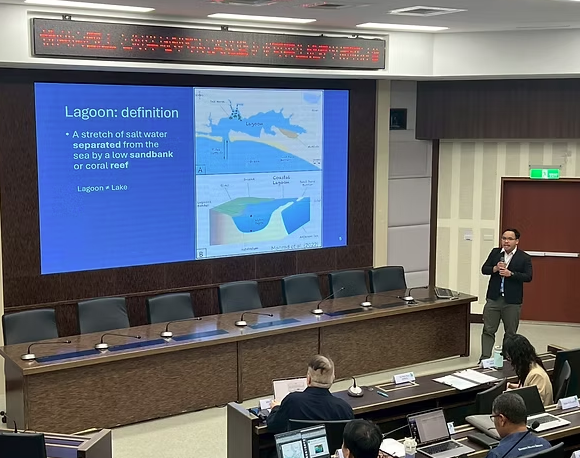
The symposium on marine and terrestrial environmental change and future renewable energy in New Southbound countries is designed to bring together scholars and specialists from different disciplines. It examines complex interactions between marine and terrestrial environments, especially in the countries and regions covered by Taiwan's New Southbound Policy. Research topics include marine geoarchaeology, geological mapping, marine geological heritage conservation, and recent renewable energy applications. The symposium has the following principal objectives.
Promoting interdisciplinary research cooperation: The symposium will encourage collaboration among scholars from Taiwan, Malaysia, Vietnam, Indonesia, India, Thailand, and other countries. It will focus on innovative methods and findings in marine and terrestrial environmental research and examine renewable energy development to understand its effects on ocean and Earth systems.
Improving understanding of environmental change: Discussions will examine changes in marine and terrestrial environments and possible future changes, focusing on the effects of climate change, sea-level rise, and geological and geomorphological change. They will also explore how renewable energy development can mitigate adverse effects.
Promoting sustainable environmental management: Participants will exchange strategies for managing marine parks and coastal ecosystems and assessing their vulnerability. The aim is to support sustainable environmental protection and strengthen the ability of Taiwan and New Southbound countries to withstand natural disasters.
Expanding exchanges of scientific knowledge: The symposium provides a platform for sharing recent research findings. These exchanges can improve global understanding of the western Pacific, the Quaternary, and subsequent geological periods. They are expected to inform academic research and policymaking, particularly the role of renewable energy in future environmental strategies.
摘要
「新南向國土之海洋地球環境變遷暨未來可再生能源研討會」的會議設計,旨在召集跨領域的學者專家會議,關注海洋與陸地環境間複雜的相互作用,特別是在新南向政策所涵蓋的國家和地區。會議涵蓋豐富的研究主題,如海洋地質考古、地質測繪、海洋地質遺產保護以及最新的可再生能源應用,會議設定了以下關鍵目標
促進跨領域研究合作:本目標將促進臺灣與馬來西亞、越南、印尼、印度、泰國等國學者間的研究合作,聚焦於海陸環境研究的新創方法與研究發現,並著重探討可再生能源發展以瞭解海洋和地球系統的影響。
增強對環境變遷的瞭解:會議內容將關注海洋和地球環境變遷與預期未來可能的變化,特別專注於氣候變遷、海平面上升和地質地貌變化的影響,並探討可再生能源發展如何緩解這些變化產生的負面影響。
促進環境永續管理:與會學者將針對海洋公園和沿海地區生態系統管理策略及其脆弱性評估進行交流,目的是促進環境的永續保護,並提升臺灣與新南向國家抵禦自然災害的能力。
科學知識的擴展交流:此會議提供一個交流最新研究成果的平台,相關研究的成果交流能夠提升全球對於西太平洋、第四紀及其後地質年代的瞭解,此次交流預期有助於學界和政策制定,特別是可再生能源在未來環境策略中的角色。
Sustainability Impact
Interdisciplinary exchanges among scholars from Taiwan and New Southbound countries promote research cooperation on marine and terrestrial environmental change, geological heritage conservation, and renewable energy. They deepen understanding of climate change, sea-level rise, and the vulnerability of coastal ecosystems. Sharing research findings and sustainable management strategies provides scientific references for coastal conservation, disaster adaptation, and clean energy development and strengthens the basis for regional cooperation in environmental governance.
永續影響力
透過臺灣與新南向國家學者的跨領域交流,促進海陸環境變遷、地質遺產保護及可再生能源研究合作,深化對氣候變遷、海平面上升與沿海生態脆弱性的理解。藉由分享研究成果與永續管理策略,為海岸保育、災害調適及潔淨能源發展提供科學參考,並強化區域環境治理的合作基礎。
Evidence: https://sharon860918.wixsite.com/coee-fre2025